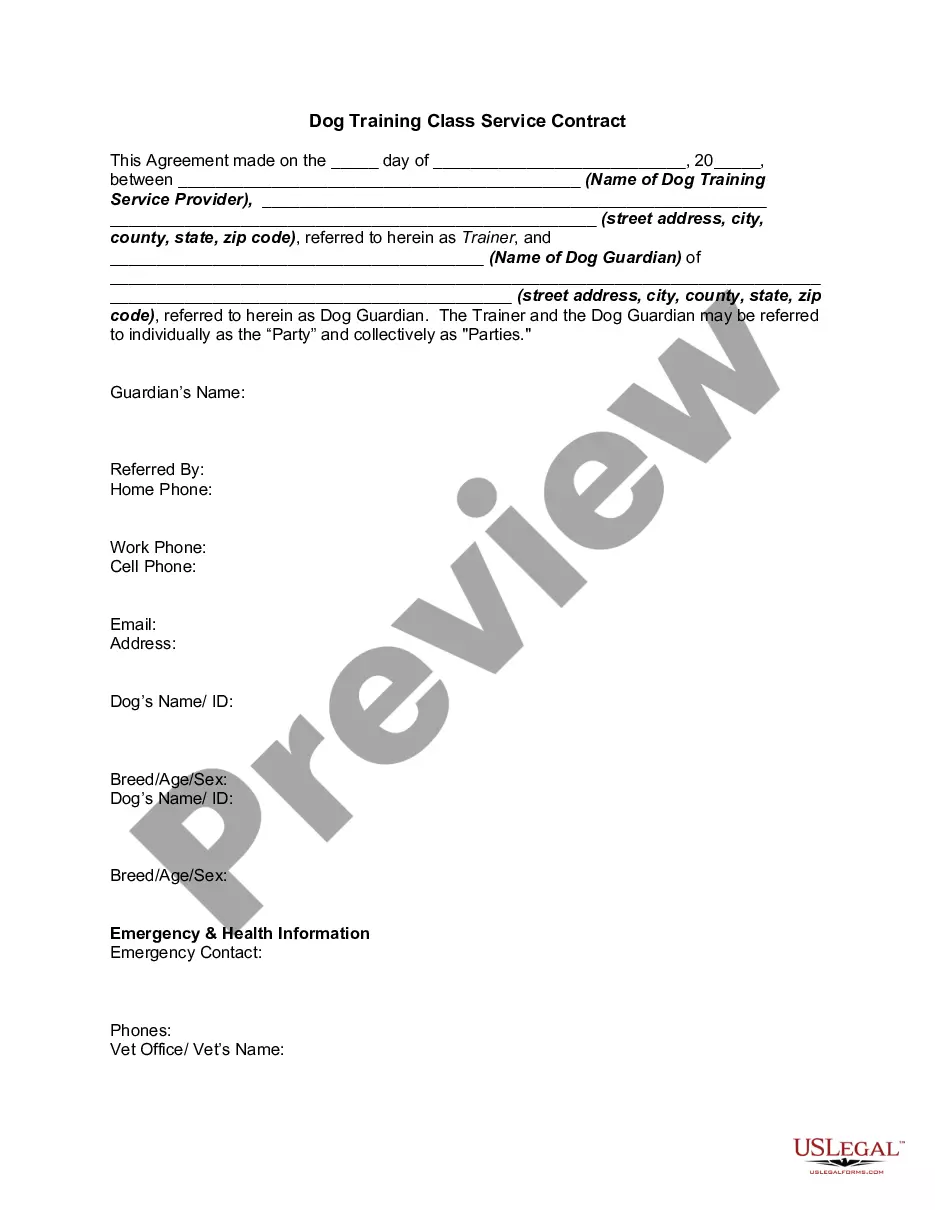
Final Judgment Of Injunction For Protection In Dallas
Description
















Get your form ready online
Our built-in tools help you complete, sign, share, and store your documents in one place.
Make edits, fill in missing information, and update formatting in US Legal Forms—just like you would in MS Word.
Download a copy, print it, send it by email, or mail it via USPS—whatever works best for your next step.
Sign and collect signatures with our SignNow integration. Send to multiple recipients, set reminders, and more. Go Premium to unlock E-Sign.
If this form requires notarization, complete it online through a secure video call—no need to meet a notary in person or wait for an appointment.
We protect your documents and personal data by following strict security and privacy standards.

Make edits, fill in missing information, and update formatting in US Legal Forms—just like you would in MS Word.

Download a copy, print it, send it by email, or mail it via USPS—whatever works best for your next step.

Sign and collect signatures with our SignNow integration. Send to multiple recipients, set reminders, and more. Go Premium to unlock E-Sign.

If this form requires notarization, complete it online through a secure video call—no need to meet a notary in person or wait for an appointment.

We protect your documents and personal data by following strict security and privacy standards.
Looking for another form?





Form popularity
FAQ
Permanent injunctions are issued as a final judgment in a case, where monetary damages will not suffice.
A final injunction is formal court order where a judge formally adjudicates you to be a stalker or violent or exploitative. In other words, a final injunction is bad. You want to avoid one at all costs. If you get a final injunction, time is of the essence and you should try to appeal it as soon as possible.
Permanent injunctions are issued as a final judgment in a case, where monetary damages will not suffice. Failure to comply with an injunction may result in being held in contempt of court, which in turn may result in either criminal or civil liability.
Permanent injunction. n. a final order of a court that a person or entity refrain from certain activities permanently or take certain actions (usually to correct a nuisance) until completed.
There are two types of an injunction. There is a temporary and a permanent injunction. The temporary injunction can last no longer than 15 days without the consent of both parties. A permanent injunction can last forever unless the judge modifies that injunction at the request of either party.
If your want to lift the injunction, you have to file a Motion to Dismiss the injunctions and set it for hearing in front of the court that issued the injunction. You will have to attend the hearing and explain to the judge the reasons you are no longer in fear of the Respondent and why you want the injunction dropped.
These are the most common ways you can beat an injunction: Petitioner voluntarily dismisses it. Petitioner does not show up to the final injunction hearing. Petitioner agrees to keep the injunction temporary. Fighting the injunction in court (this one is the hardest and most expensive option).
Injunction relief—also known as injunctive relief or simply as an injunction—is a court order that prohibits an organization or an individual from taking a specific action. Conversely, an injunction may also require an entity to take a certain action.
Final judgment is the last decision from a court that resolves all issues in dispute and settles the parties' rights with respect to those issues. A final judgment leaves nothing to be decided except decisions on how to enforce the judgment, whether to award costs, and whether to file an appeal.
In order to obtain a Permanent Injunction, a hearing is required with both Parties present. The Court must find that the injunction is in the Best Interest of the Child or that significant harm could exist in the absence of the injunction.