Amended Trial Information In North Carolina
Description


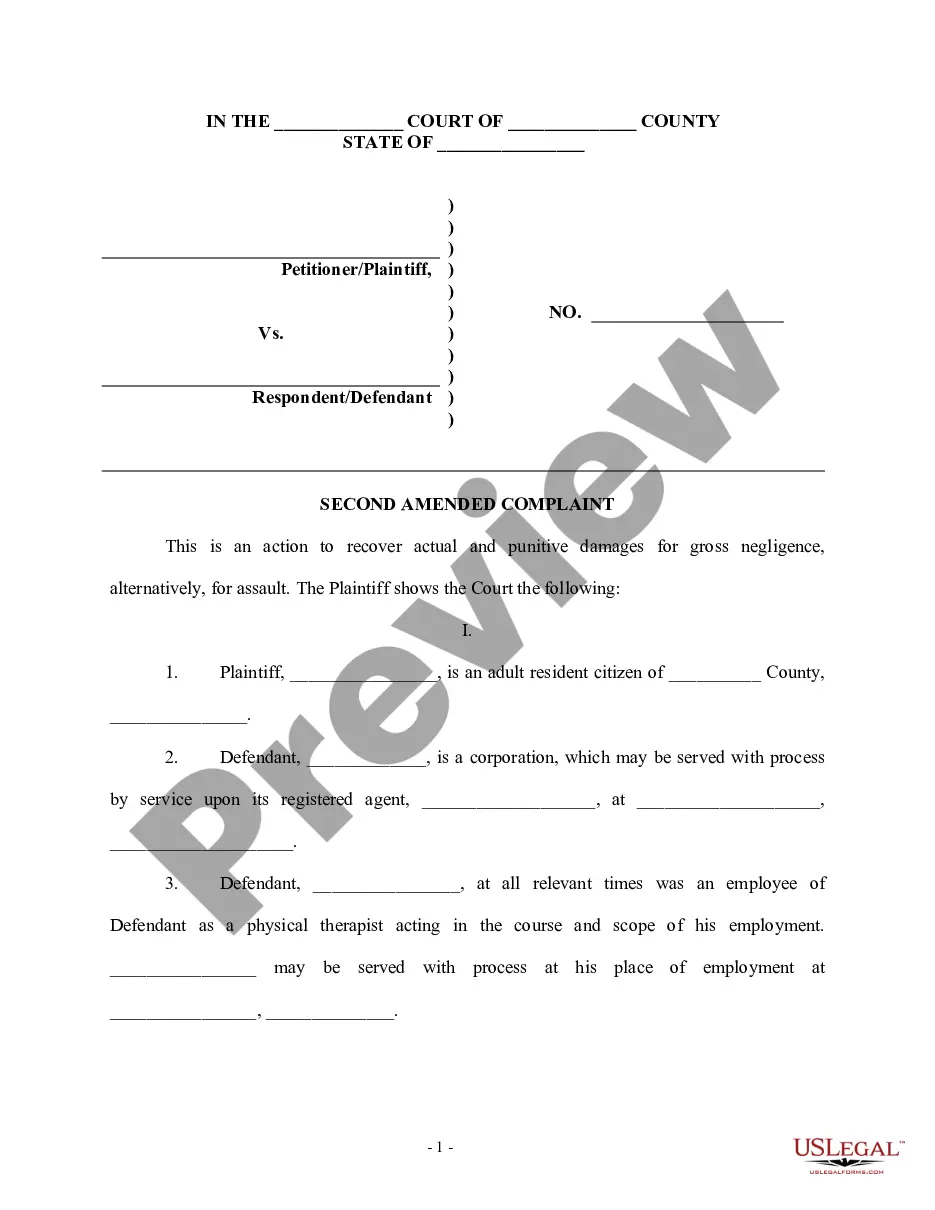
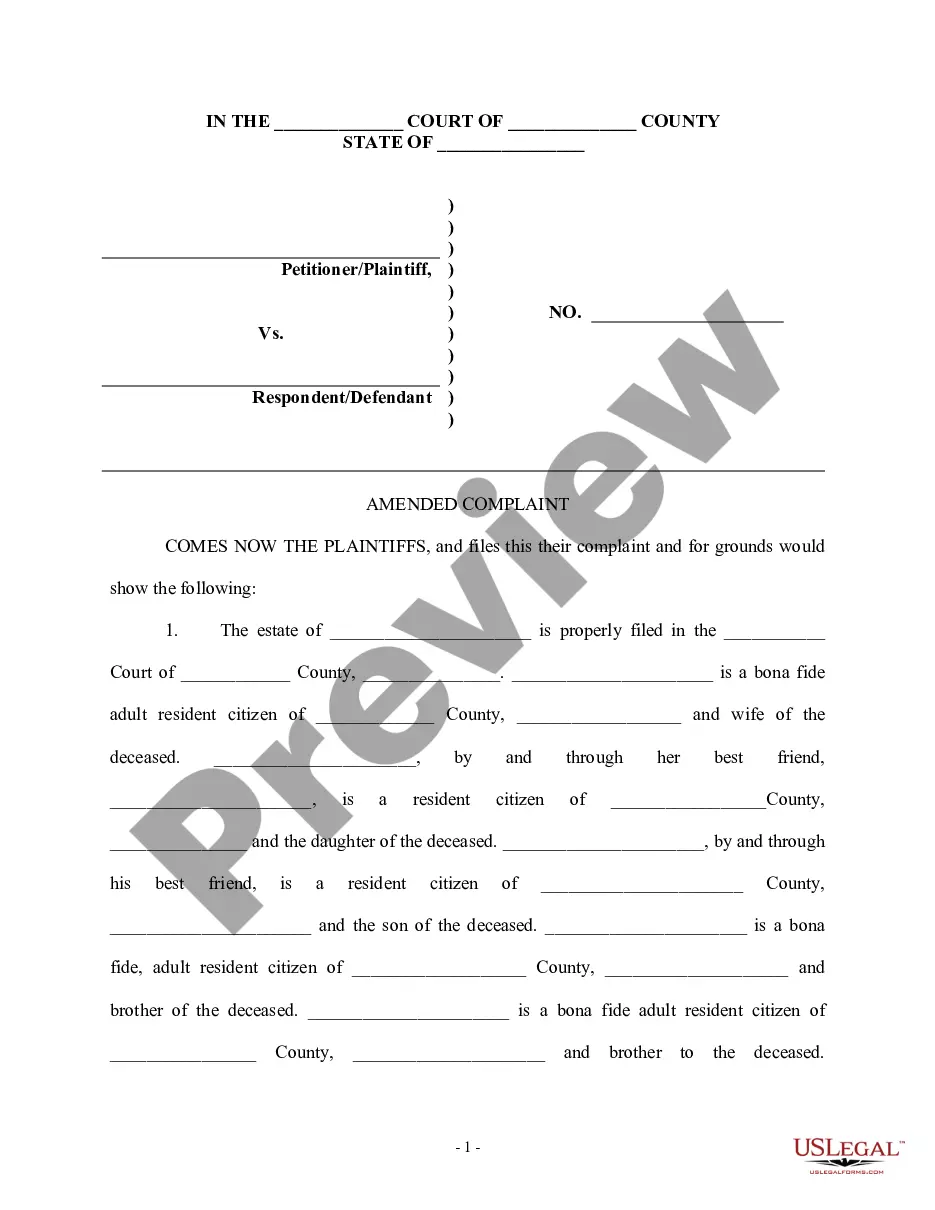
Get your form ready online
Our built-in tools help you complete, sign, share, and store your documents in one place.
Make edits, fill in missing information, and update formatting in US Legal Forms—just like you would in MS Word.
Download a copy, print it, send it by email, or mail it via USPS—whatever works best for your next step.
Sign and collect signatures with our SignNow integration. Send to multiple recipients, set reminders, and more. Go Premium to unlock E-Sign.
If this form requires notarization, complete it online through a secure video call—no need to meet a notary in person or wait for an appointment.
We protect your documents and personal data by following strict security and privacy standards.

Make edits, fill in missing information, and update formatting in US Legal Forms—just like you would in MS Word.

Download a copy, print it, send it by email, or mail it via USPS—whatever works best for your next step.

Sign and collect signatures with our SignNow integration. Send to multiple recipients, set reminders, and more. Go Premium to unlock E-Sign.

If this form requires notarization, complete it online through a secure video call—no need to meet a notary in person or wait for an appointment.

We protect your documents and personal data by following strict security and privacy standards.
Looking for another form?









Form popularity
FAQ
On a motion for a new trial in an action tried without a jury, the court may open the judgment if one has been entered, take additional testimony, amend findings of fact and conclusions of law or make new findings and conclusions, and direct the entry of a new judgment.
A: Rule 60 of the Rules of Civil Procedure authorizes a section 2255 movant to ask the court for relief from a judgment. Rule 60 differs from Rule 59 in that Rule 60 may be used after the 28 day timeframe for filing a Rule 59(e) motion has run.
No later than 28 days after the entry of judgment, the court, on its own, may order a new trial for any reason that would justify granting one on a party's motion. After giving the parties notice and an opportunity to be heard, the court may grant a timely motion for a new trial for a reason not stated in the motion.
A party shall plead in response to an amended pleading within the time remaining for response to the original pleading or within fifteen days after service of the named amended pleading, whichever period may be the longer, unless the court otherwise orders.
Trials in District Court are always held before a judge, while trials in Superior Court are usually held before a jury, though this right can be waived. Misdemeanors and infractions, as well as juvenile matters, are typically prosecuted in District Court, while felonies are typically prosecuted in Superior Court.
A party shall plead in response to an amended pleading within 30 days after service of the amended pleading, unless the court otherwise orders.
Rule 59— New Trials; Amendment of Judgments. (a) Grounds. A new trial may be granted to all or any of the parties and on all or part of the issues.
You will need to go back to the court where your order was issued and file modification forms. There will probably be a new hearing on the issue. You may also want to consult with an attorney to see if filing for a modification is appropriate under the circumstances of your case.
Party Verification. Rule 11 requires papers to be signed by an attorney unless there is no attorney. In other systems of rule, including in some states, sometimes the litigants themselves are required to verify the facts and papers filed before the courts.
How to file a North Carolina Corporation Amendment: To amend your North Carolina articles of incorporation, you just need to submit form B-02, Articles of Amendment, Business Corporation to the North Carolina Secretary of State, Corporations Division (SOS) by mail, in person, or online.
