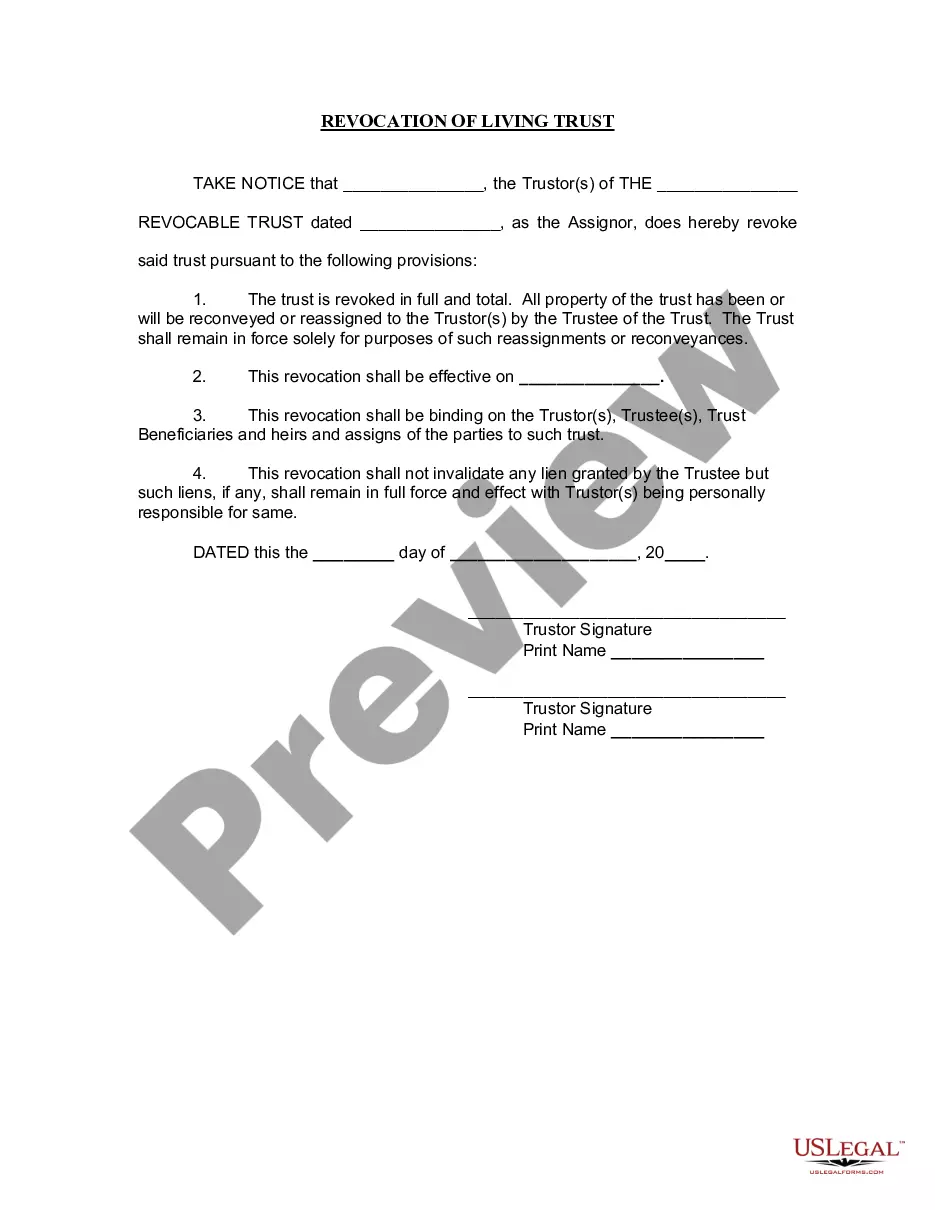
Set Aside Petition Format In Washington
Description
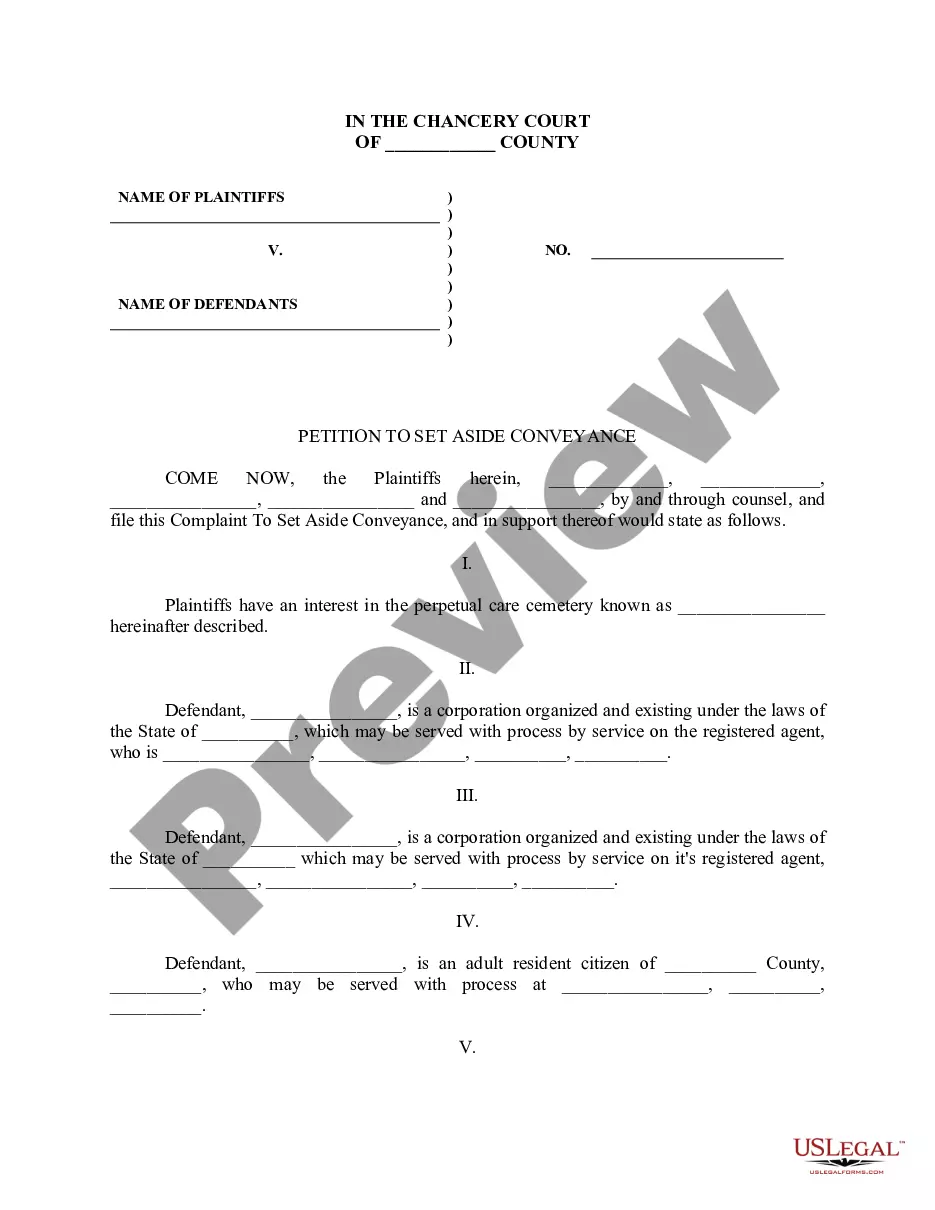
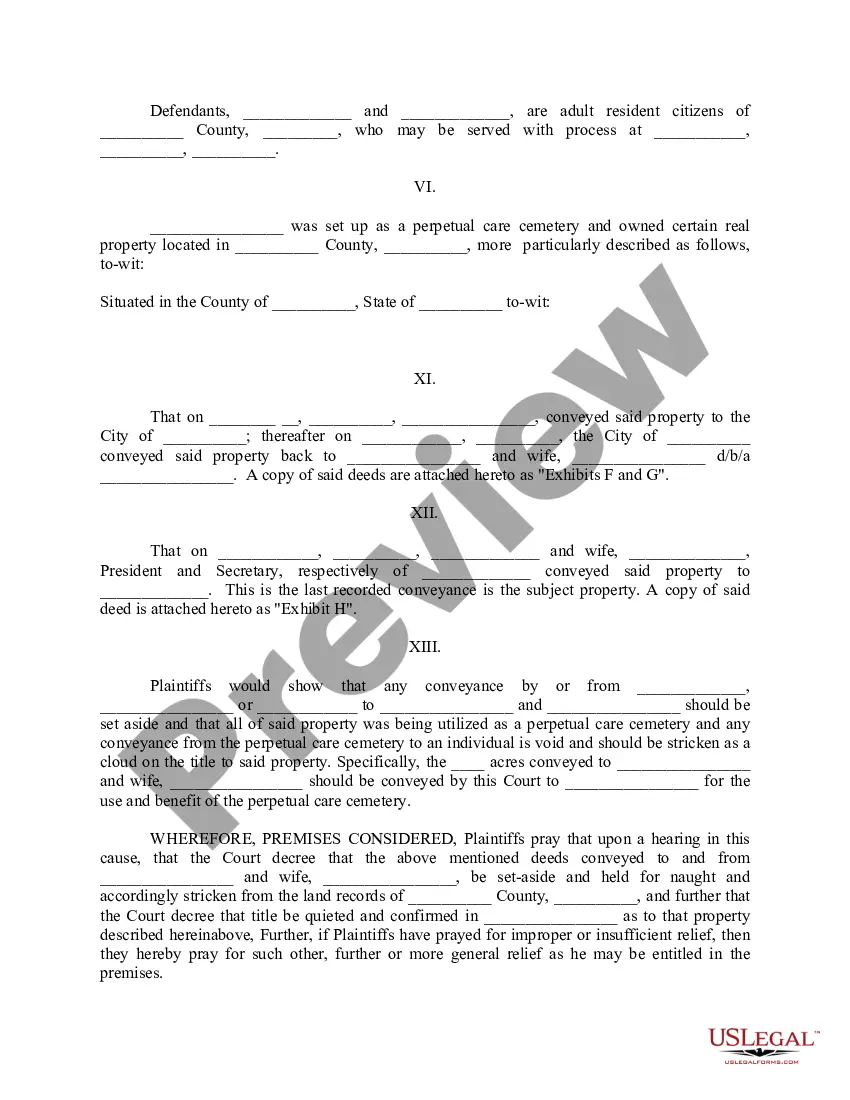

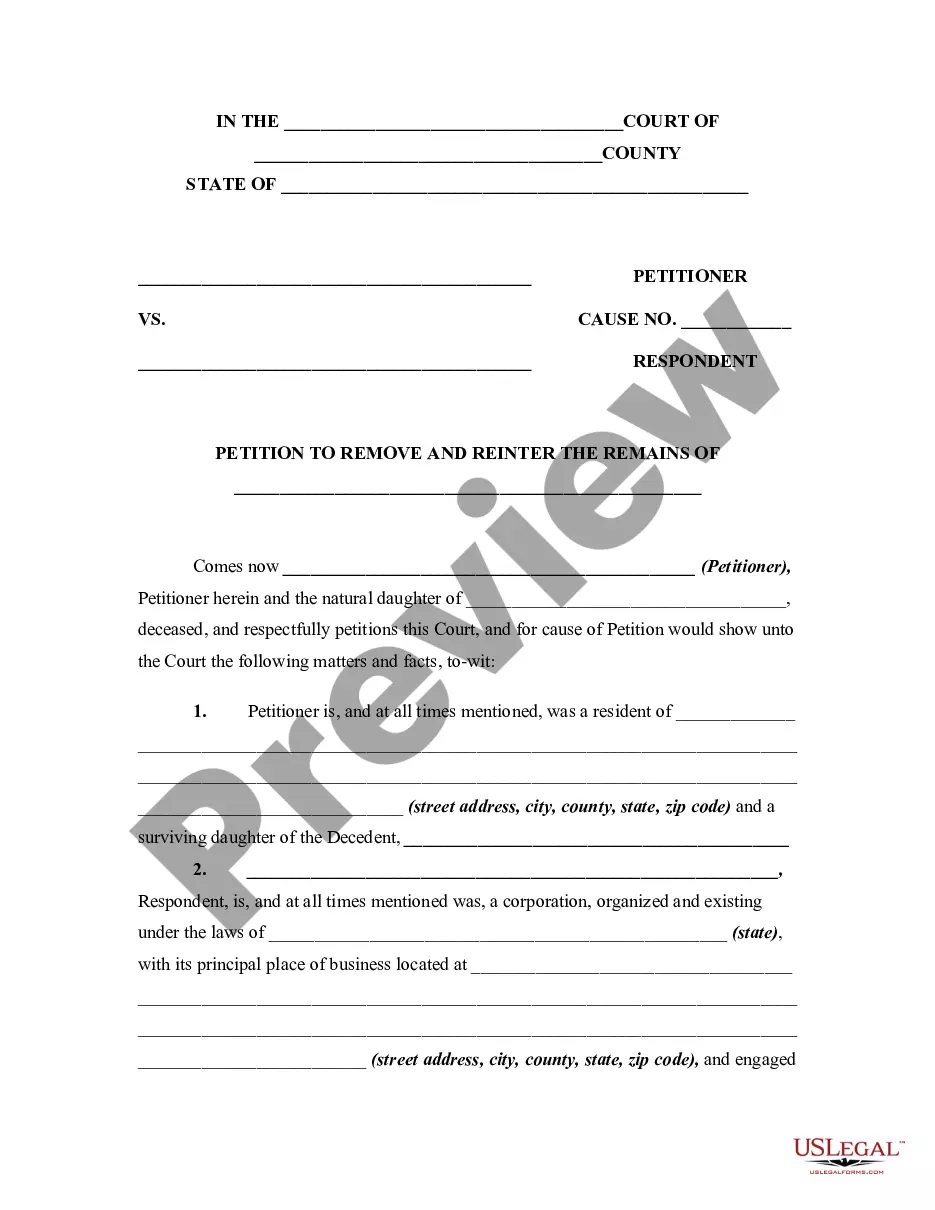
Get your form ready online
Our built-in tools help you complete, sign, share, and store your documents in one place.
Make edits, fill in missing information, and update formatting in US Legal Forms—just like you would in MS Word.
Download a copy, print it, send it by email, or mail it via USPS—whatever works best for your next step.
Sign and collect signatures with our SignNow integration. Send to multiple recipients, set reminders, and more. Go Premium to unlock E-Sign.
If this form requires notarization, complete it online through a secure video call—no need to meet a notary in person or wait for an appointment.
We protect your documents and personal data by following strict security and privacy standards.

Make edits, fill in missing information, and update formatting in US Legal Forms—just like you would in MS Word.

Download a copy, print it, send it by email, or mail it via USPS—whatever works best for your next step.

Sign and collect signatures with our SignNow integration. Send to multiple recipients, set reminders, and more. Go Premium to unlock E-Sign.

If this form requires notarization, complete it online through a secure video call—no need to meet a notary in person or wait for an appointment.

We protect your documents and personal data by following strict security and privacy standards.
Looking for another form?

Form popularity
FAQ
Frequently Asked Questions (FAQ) You must use letter-sized (8½ x 11 inches) white paper. You must write or type on only one side of the page. All handwriting must be printed, readable, and in black or dark blue ink. The 1st page must have a margin of at least 3 inches from the top and 1 inch from the other 3 sides.
A motion to vacate is the procedure used to remove the Speaker of the House. It's a rarely used procedural tool that allows any Member of Congress to introduce a resolution, declaring the speakership to be vacant.
Motion to vacate—Time limitation. The proceedings to vacate or modify a judgment or order for mistakes or omissions of the clerk, or irregularity in obtaining the judgment or order, shall be by motion served on the adverse party or on his or her attorney in the action, and within one year.
A motion to vacate (and set aside) judgment essentially asks the court to erase or correct its prior decision (judgment). Under California law, when you vacate judgment, it will be officially wiped off your record.
A motion for judgment as a matter of law asks the court to enter a judgment based on the conclusion that no reasonable jury could reach a different conclusion. The motion is made before the case is submitted to the jury but after a party has been fully heard on the issue.
Motion to vacate—Time limitation. The proceedings to vacate or modify a judgment or order for mistakes or omissions of the clerk, or irregularity in obtaining the judgment or order, shall be by motion served on the adverse party or on his or her attorney in the action, and within one year.
If you are asking to seal a court record that has already been filed and is no longer active, you file the Motion to Redact or Seal in the court where the case records are. You do this as a part of the case or cause number for the case records that you want sealed.
The use of letter-size paper (8-1/2 by 11 inches) is mandatory. The writing or printing shall appear on only one side of the page. The top margin of the first page shall be a minimum of three inches, the bottom margin shall be a minimum of one inch and the side margins shall be a minimum of one inch.
A motion to vacate (and set aside) judgment essentially asks the court to erase or correct its prior decision (judgment). Under California law, when you vacate judgment, it will be officially wiped off your record.
Denial of the ex parte motion likely meant the Court was not convinced that the immediate grant of your request was necessary to protect the individual or the individual's rights. Don't forget the ex parte motion is one of the few times when the court system does not offer both parties a level playing field.