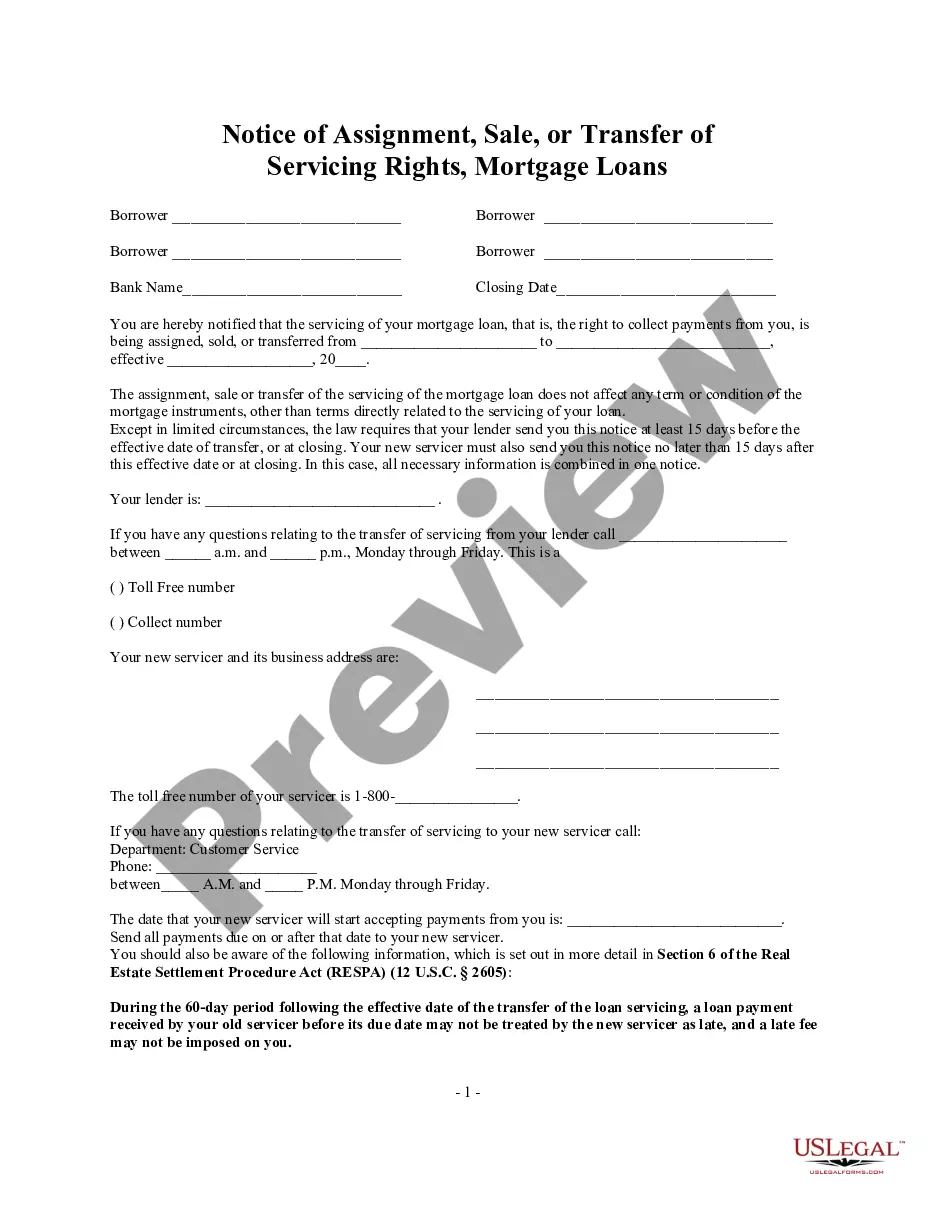
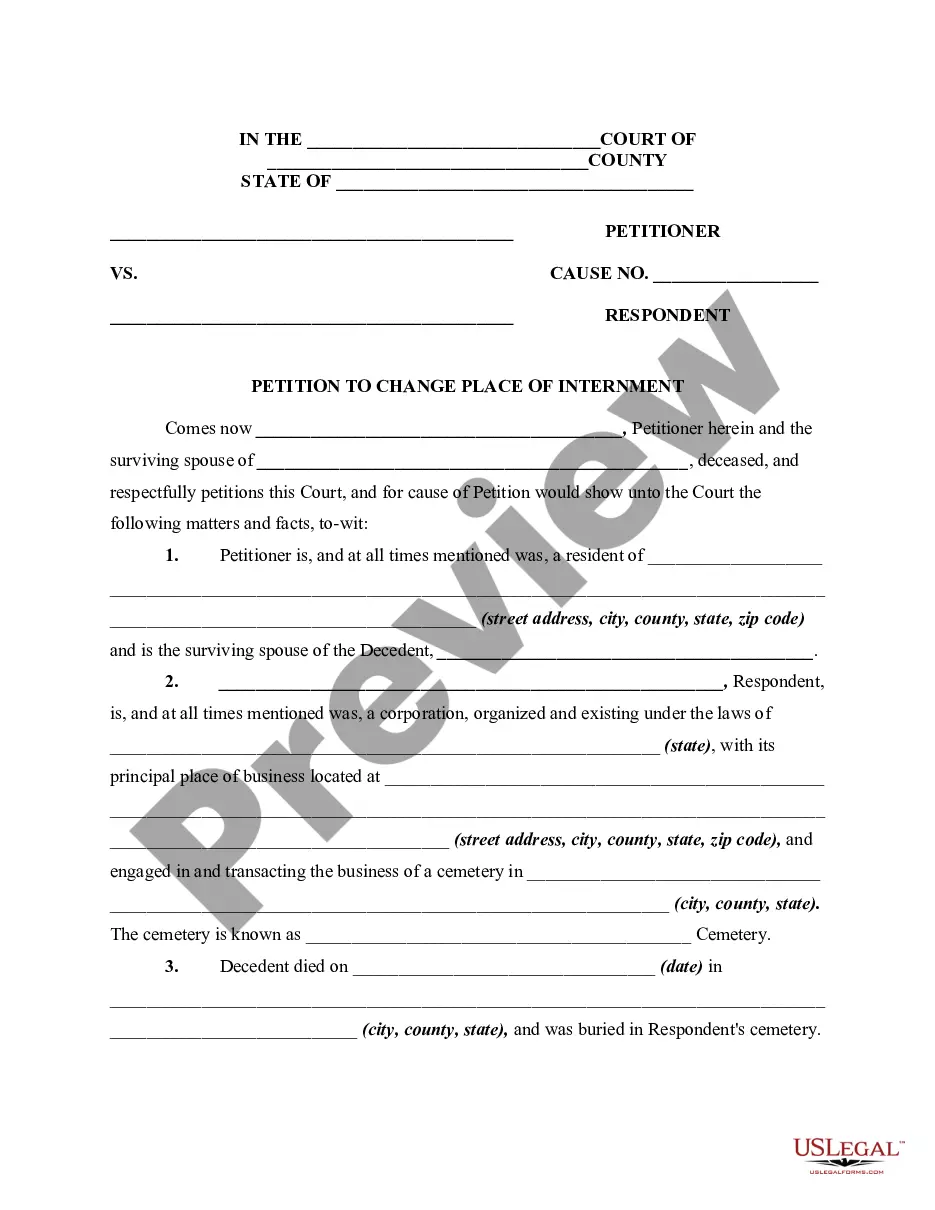
Conveyance Cemetery Without A Will In Pennsylvania
Description

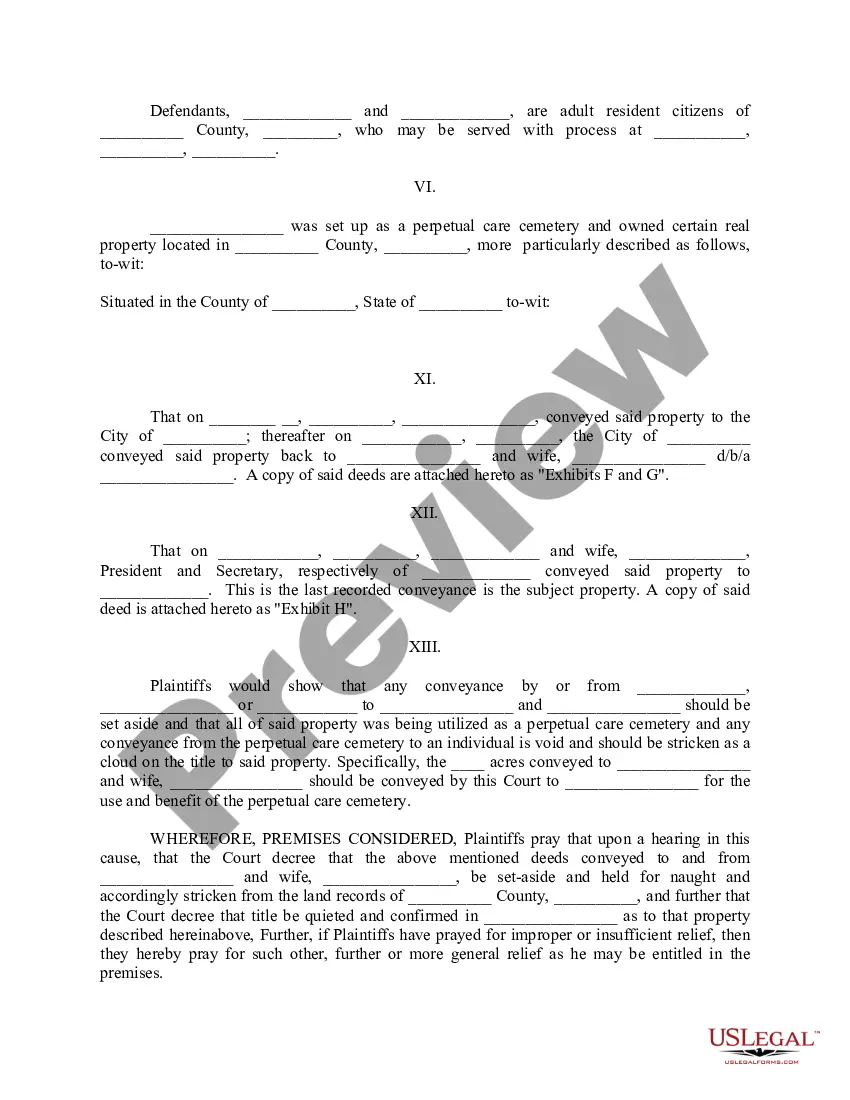
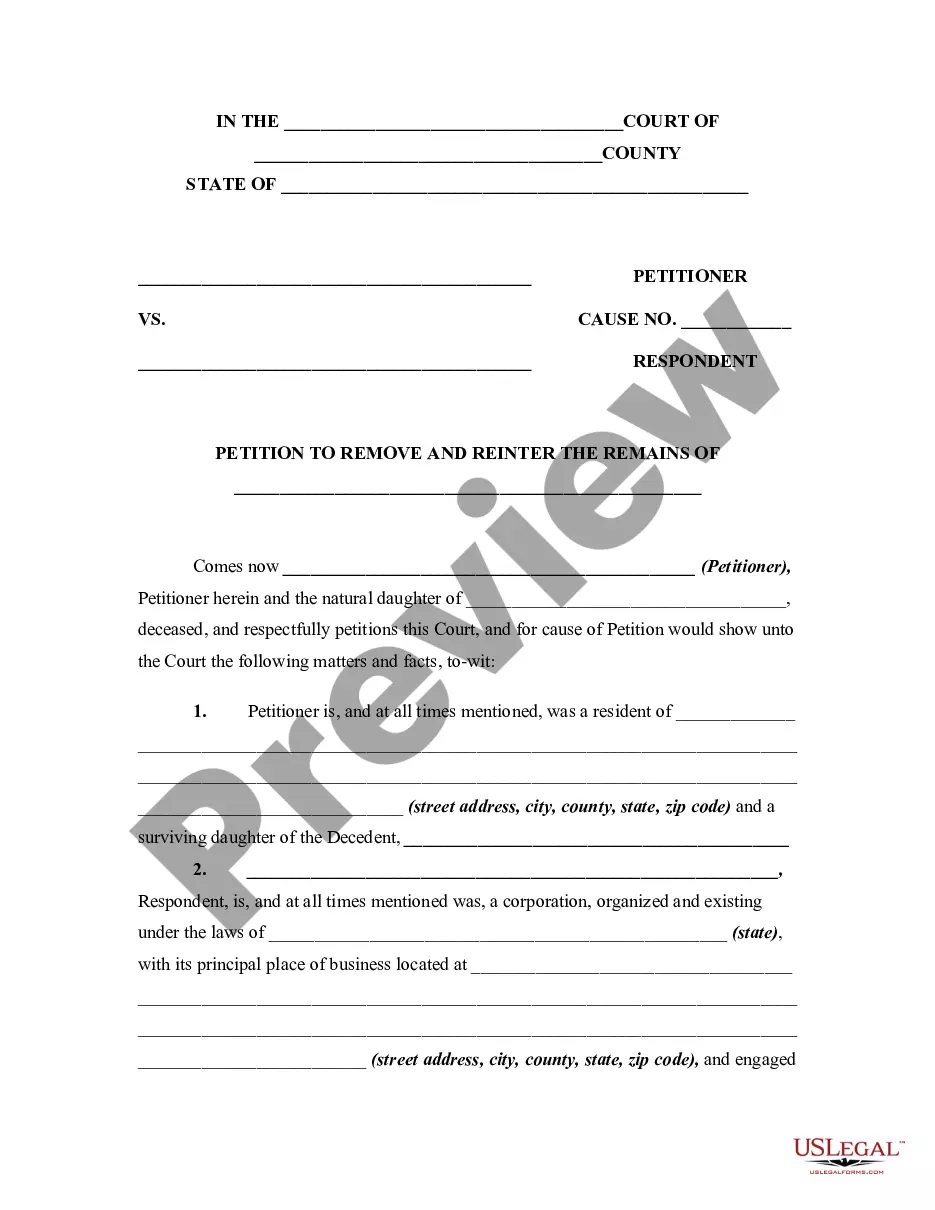
Get your form ready online
Our built-in tools help you complete, sign, share, and store your documents in one place.
Make edits, fill in missing information, and update formatting in US Legal Forms—just like you would in MS Word.
Download a copy, print it, send it by email, or mail it via USPS—whatever works best for your next step.
Sign and collect signatures with our SignNow integration. Send to multiple recipients, set reminders, and more. Go Premium to unlock E-Sign.
If this form requires notarization, complete it online through a secure video call—no need to meet a notary in person or wait for an appointment.
We protect your documents and personal data by following strict security and privacy standards.

Make edits, fill in missing information, and update formatting in US Legal Forms—just like you would in MS Word.

Download a copy, print it, send it by email, or mail it via USPS—whatever works best for your next step.

Sign and collect signatures with our SignNow integration. Send to multiple recipients, set reminders, and more. Go Premium to unlock E-Sign.

If this form requires notarization, complete it online through a secure video call—no need to meet a notary in person or wait for an appointment.

We protect your documents and personal data by following strict security and privacy standards.
Looking for another form?








Form popularity
FAQ
The average time to settle an estate in Pennsylvania can vary depending on the complexity of the estate and any potential challenges or disputes. On average, it can take anywhere from 6 months to over a year to complete the probate process and distribute assets to beneficiaries.
“Cemetery.” A place for the disposal or burial of deceased human beings, by cremation or in a grave, mausoleum, vault, columbarium or other receptacle, but the term does not include a private cemetery or a private family cemetery.
The first heirs in line to receive property are the surviving spouse and the deceased's children. If the deceased did not leave a surviving spouse or children, then the property next passes to the parents, siblings, aunts, uncles, nieces and nephews.
In Pennsylvania, if you are married and you die without a will, what your spouse gets depends on whether or not you have living parents or descendants -- children, grandchildren, or great-grandchildren. If you don't, then your spouse inherits all of your intestate property.
If the deceased did not leave a surviving spouse or children, then the property next passes to the parents, siblings, aunts, uncles, nieces and nephews.
One option is creating a revocable living trust, which allows property to transfer directly to beneficiaries without going through probate. Another approach is holding property in joint tenancy with rights of survivorship, which ensures automatic transfer to the co-owner upon death.
Can You Bury Someone on Your Private Property? There are no state laws in Pennsylvania prohibiting home burial, but local governments might have rules governing private burials.
No law requires a casket for burial. However, you should check with the cemetery; it might have rules requiring a certain type of container.
And families may be responsible for maintaining their own plots. So while both cemeteries andMoreAnd families may be responsible for maintaining their own plots. So while both cemeteries and graveyards serve the same purpose of providing a final resting place for the deceased.
: a place where dead people are buried : graveyard.