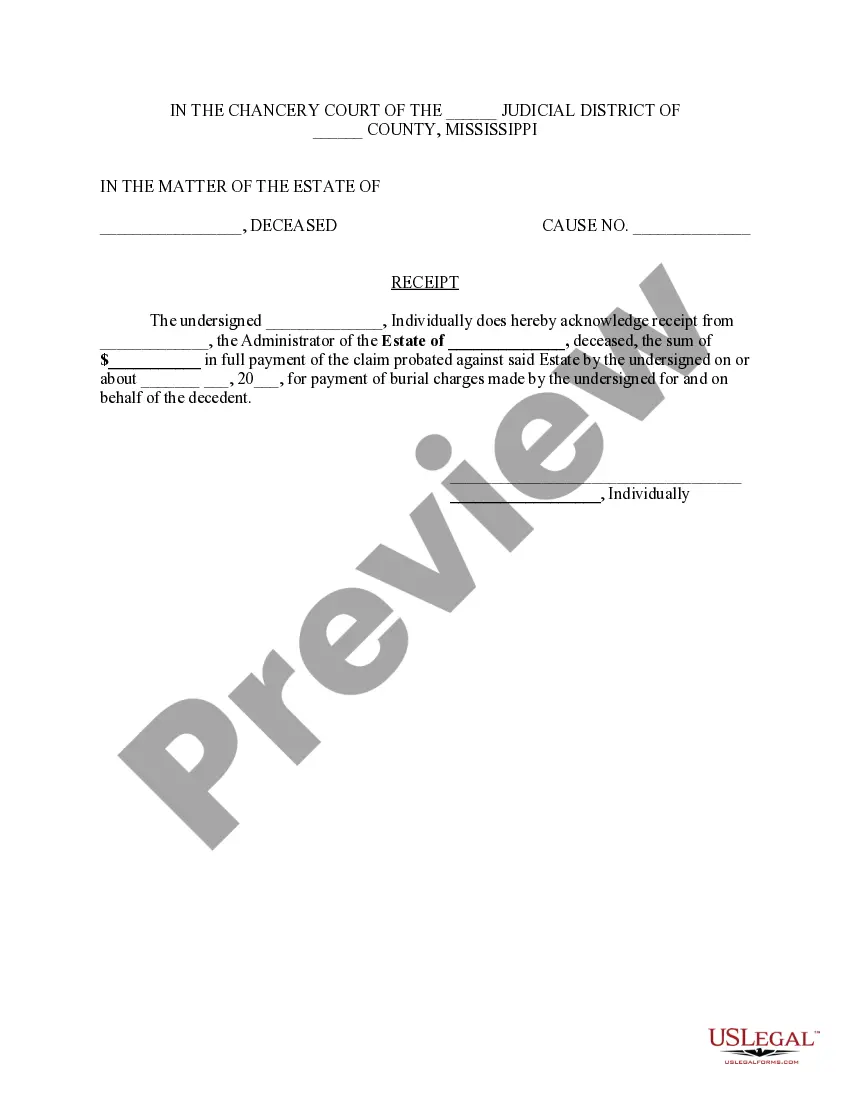
Petition To Set Aside Estate Without Administration In Hennepin
Description

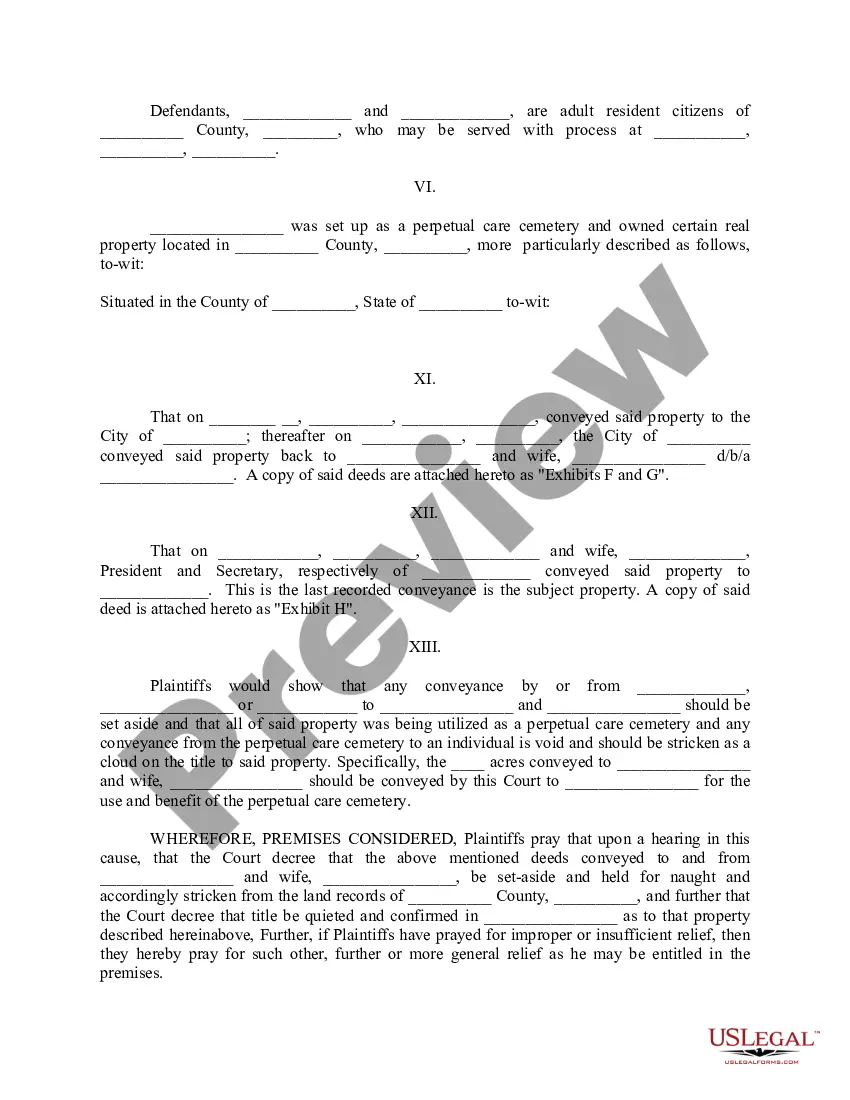
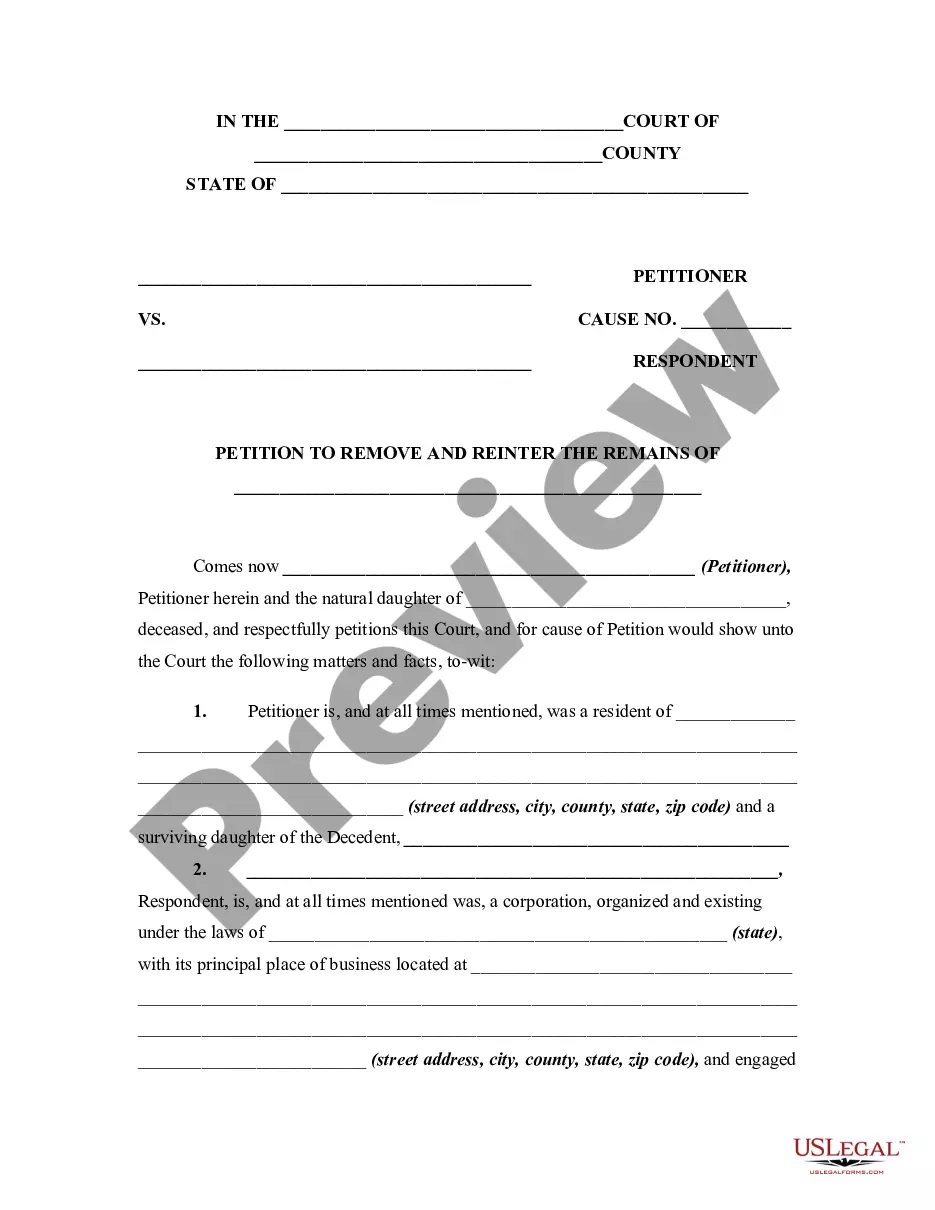
Get your form ready online
Our built-in tools help you complete, sign, share, and store your documents in one place.
Make edits, fill in missing information, and update formatting in US Legal Forms—just like you would in MS Word.
Download a copy, print it, send it by email, or mail it via USPS—whatever works best for your next step.
Sign and collect signatures with our SignNow integration. Send to multiple recipients, set reminders, and more. Go Premium to unlock E-Sign.
If this form requires notarization, complete it online through a secure video call—no need to meet a notary in person or wait for an appointment.
We protect your documents and personal data by following strict security and privacy standards.

Make edits, fill in missing information, and update formatting in US Legal Forms—just like you would in MS Word.

Download a copy, print it, send it by email, or mail it via USPS—whatever works best for your next step.

Sign and collect signatures with our SignNow integration. Send to multiple recipients, set reminders, and more. Go Premium to unlock E-Sign.

If this form requires notarization, complete it online through a secure video call—no need to meet a notary in person or wait for an appointment.

We protect your documents and personal data by following strict security and privacy standards.
Looking for another form?






Form popularity
FAQ
Non-Probate Assets bank or brokerage accounts that are held jointly or with a payable-on-death beneficiary designation to a surviving person; investment or retirement accounts or insurance policies that have a designated beneficiary other than the decedent that survives the decedent; or. property held in a trust.
First and foremost, there are a number of asset types that typically do not pass through probate. This includes life insurance policies, bank accounts, and investment or retirement accounts that require you to name a beneficiary.
Settling an estate starts with finding and collecting information about any estate planning documents the deceased persona, referred to as the decedent had. These documents appoint someone to handle the estate, care for minor or disabled dependents, identify estate assets and where they are located.
If your personal property exceeds $75,000 or you own real estate in your name alone, your estate must be probated.
Unsupervised probate, also known as independent administration, is a type of probate that does not require court supervision or approval for every action of the executor or administrator.
A Section 13650 set-aside leaves the surviving spouse open to a significant financial risk of exposure to decedent's creditors because to the extent the decedent's and surviving spouse's interests in community and/or quasi-community property, and decedent's separate property interests that pass to the surviving spouse ...
Notice of Petition to Administer Estate: This form is used for two purposes: 1) for newspaper publication, and 2) to notify the persons who are entitled to receive notice about the hearing date. Complete the front side of the form and file it with the Petition for Probate.
First publication must be at least 15 days before the hearing date. Three publications in a newspaper published once a week or more often, with at least five days intervening between the first and last publication dates, not counting the first and last publication dates as part of the five-day period, are sufficient.
To receive your letters of administration, you'll first file an application to be estate administrator with your local probate court. You'll then attend a court hearing, where a judge will evaluate your application, verify that you're able to serve as administrator, and either approve or deny your request.
Three publications in a newspaper published once a week or more often, with at least five days intervening between the first and last publication dates, not counting the publication dates, are sufficient.