Conveyance Cemetery Without A Will In Georgia
Description

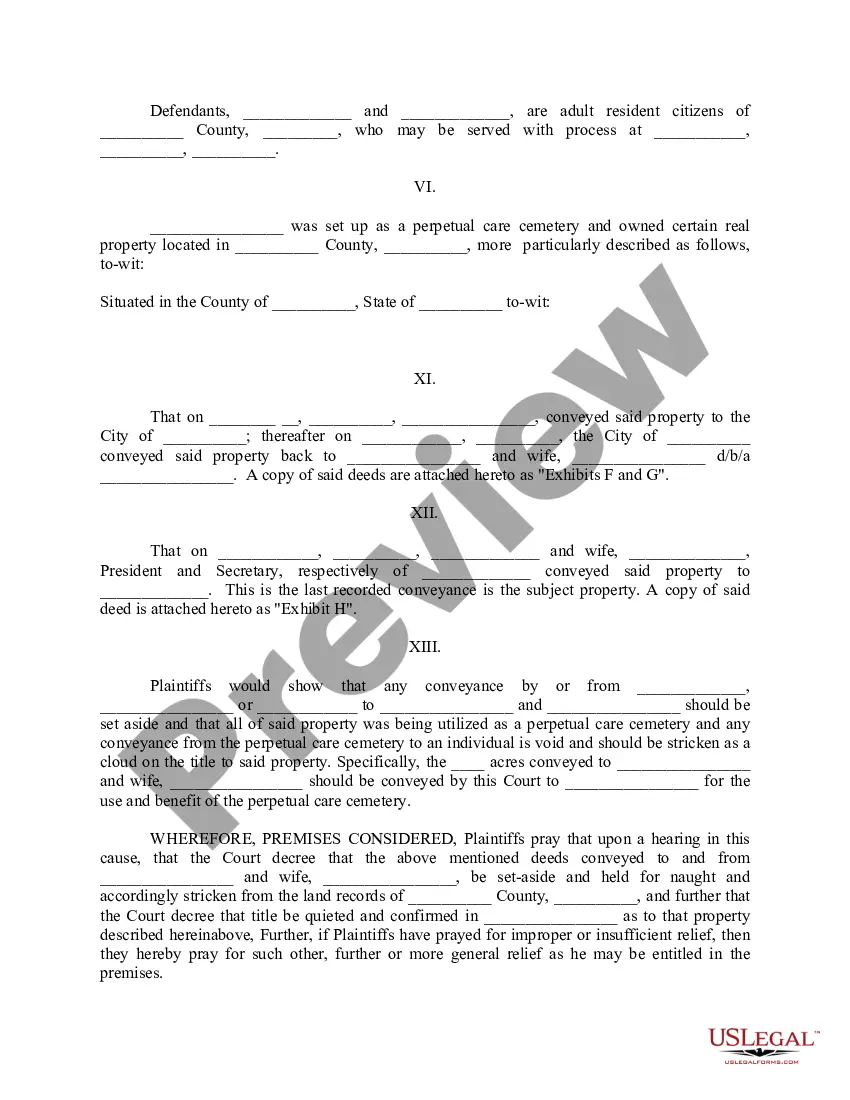

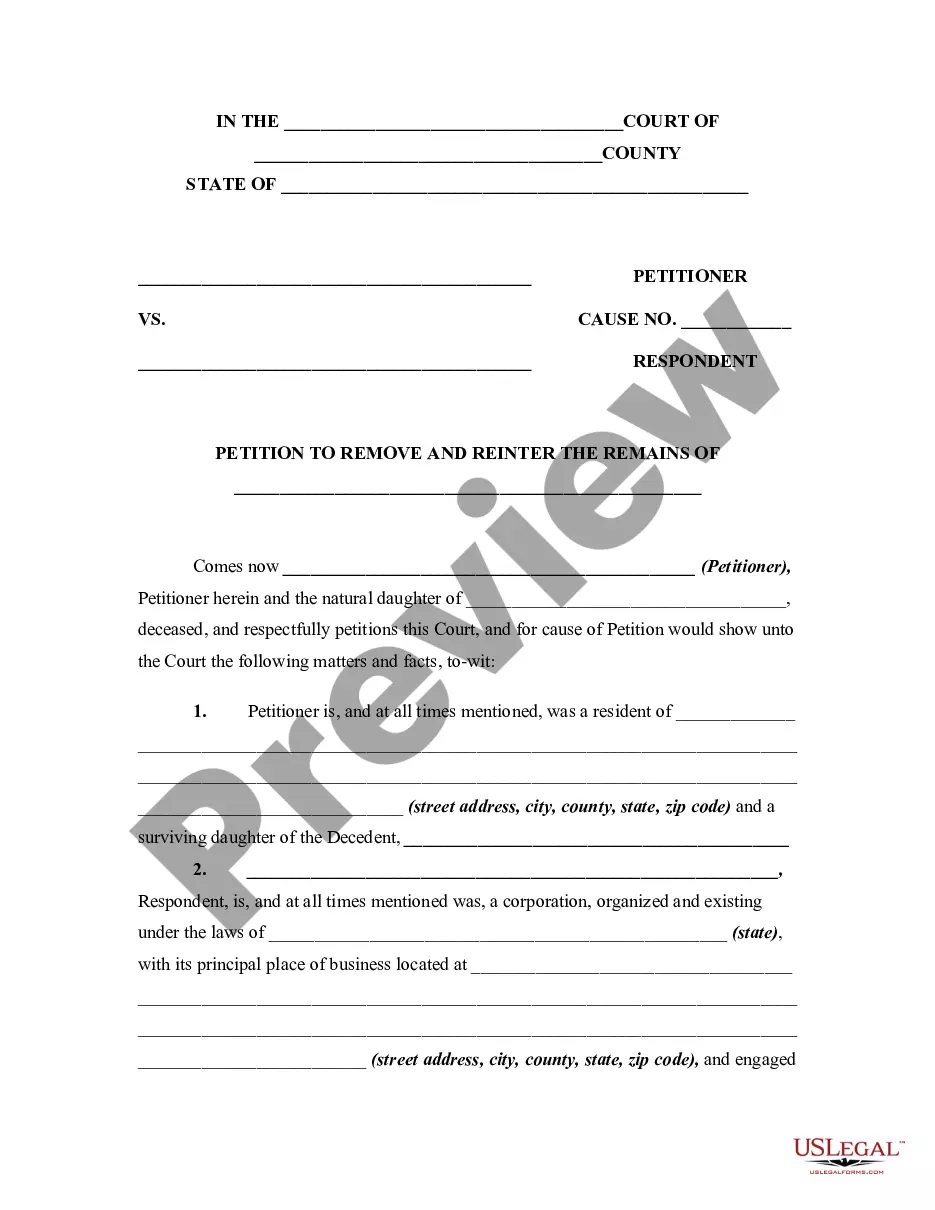
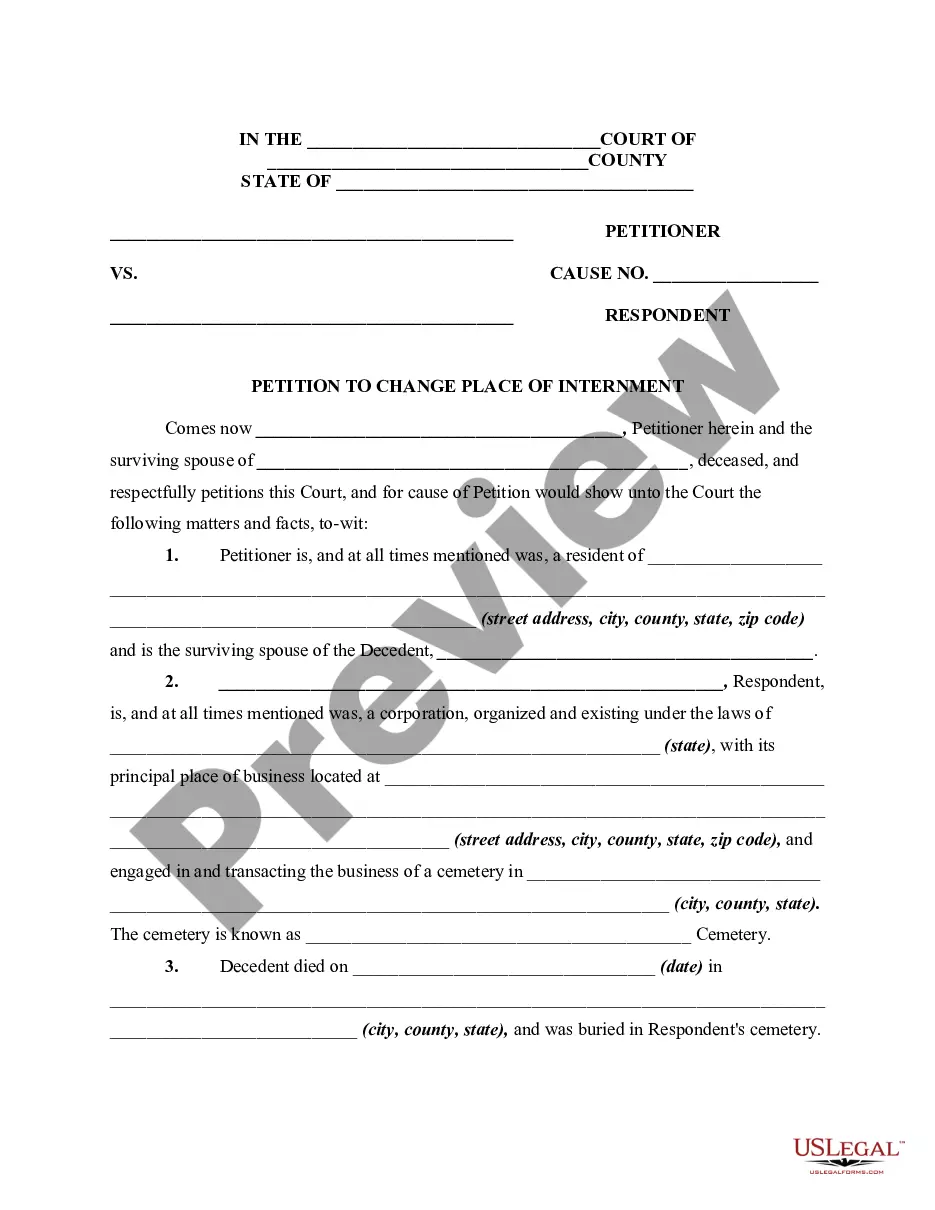
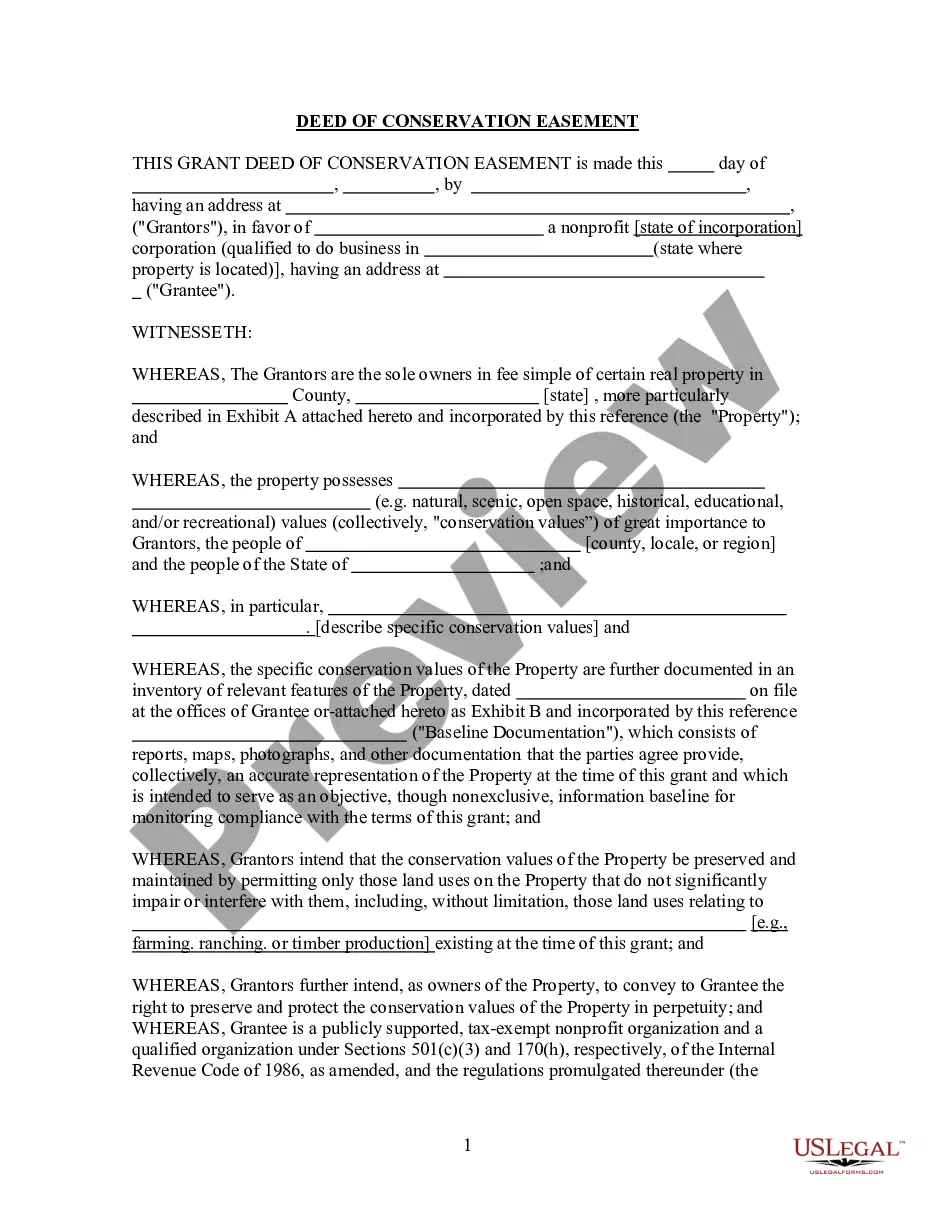
Get your form ready online
Our built-in tools help you complete, sign, share, and store your documents in one place.
Make edits, fill in missing information, and update formatting in US Legal Forms—just like you would in MS Word.
Download a copy, print it, send it by email, or mail it via USPS—whatever works best for your next step.
Sign and collect signatures with our SignNow integration. Send to multiple recipients, set reminders, and more. Go Premium to unlock E-Sign.
If this form requires notarization, complete it online through a secure video call—no need to meet a notary in person or wait for an appointment.
We protect your documents and personal data by following strict security and privacy standards.

Make edits, fill in missing information, and update formatting in US Legal Forms—just like you would in MS Word.

Download a copy, print it, send it by email, or mail it via USPS—whatever works best for your next step.

Sign and collect signatures with our SignNow integration. Send to multiple recipients, set reminders, and more. Go Premium to unlock E-Sign.

If this form requires notarization, complete it online through a secure video call—no need to meet a notary in person or wait for an appointment.

We protect your documents and personal data by following strict security and privacy standards.
Looking for another form?


Form popularity
FAQ
If someone dies without a will, their estate distributes under Georgia's intestate succession law. Here is how it works if you die with: Spouse but no descendants: Your spouse inherits all of your property. Children, but no spouse: Your children inherit everything in equal shares.
An affidavit of heirship is a document that can be used in some states to transfer ownership of property left by a deceased person to their family. This allows for property to be inherited without a will or a court proceeding.
There are no laws that prohibit home burial. You must check local zoning laws before establishing a home cemetery or burying on private land. It is legally required to hire a Funeral Director to handle certain parts of the funeral.
Transfer of Death Deeds (TODD) Transfer of death (TODD) is a legal document allowing you to transfer your real property to a named beneficiary upon death without going through probate. To use a TODD, you must execute the deed while still alive and record it with the county recorder's office.
When there is no will. As no designated estate administrator exists, an executor is chosen to manage the personal belongings after death without a will. Under Georgia law, when the person passes away, the power of attorney immediately ends, with or without a will.
Intestate laws vary by state. In Georgia, if the married couple did not have children, then the surviving spouse will usually receive the inheritance. If there are children, then the inheritance will be divided among the children and spouse.
Transfer of Death Deeds (TODD) Transfer of death (TODD) is a legal document allowing you to transfer your real property to a named beneficiary upon death without going through probate. To use a TODD, you must execute the deed while still alive and record it with the county recorder's office.
In Georgia, you can make a living trust to avoid probate for virtually any asset you own—real estate, bank accounts, vehicles, and so on. You need to create a trust document (similar to a will), naming someone to take over as trustee after your death (called a "successor trustee").
If the will exists, all the heirs agree on how to distribute estate assets, and there are no creditors, the Georgia Probate court can state that probate is not necessary.