Burial Plot Transfer Fee In Fairfax
Description
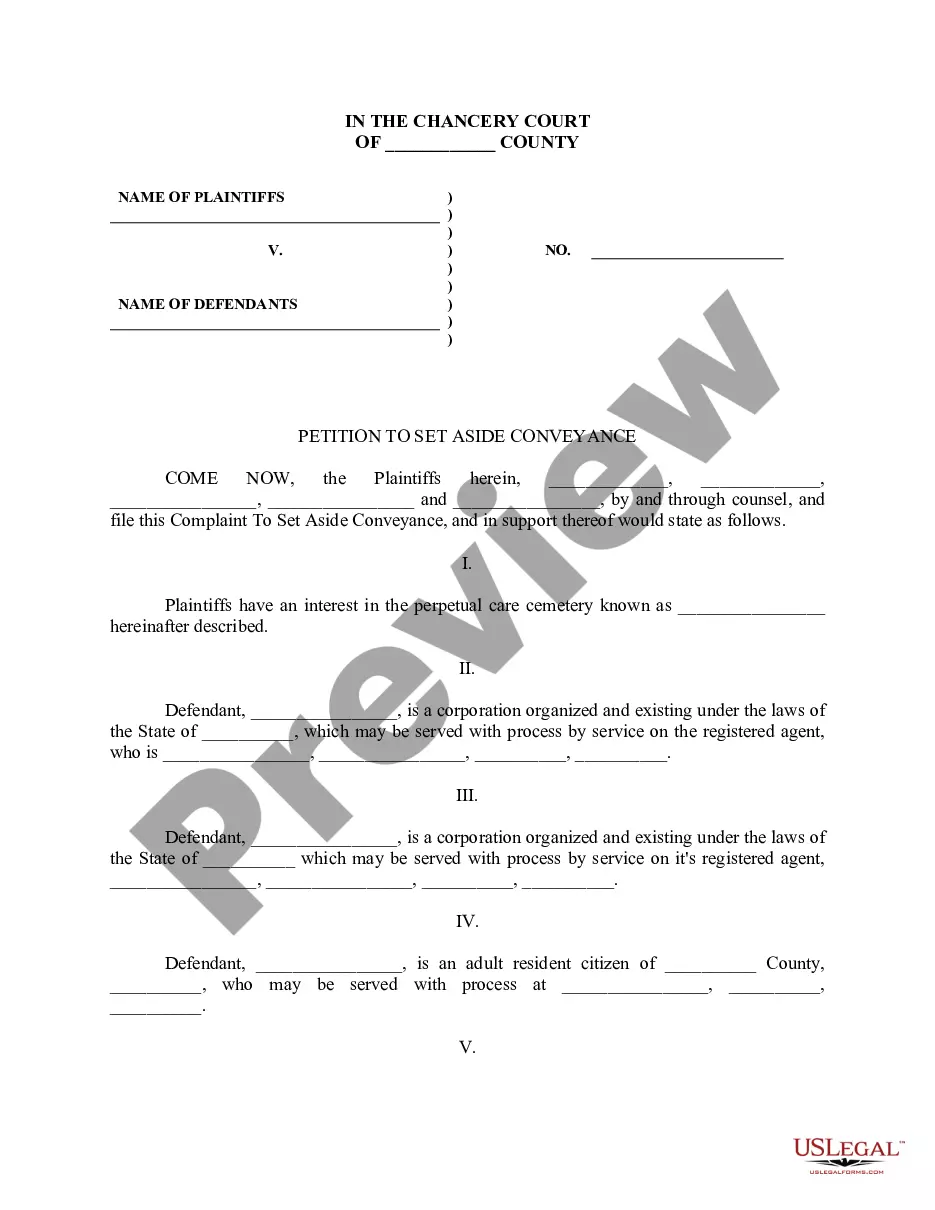
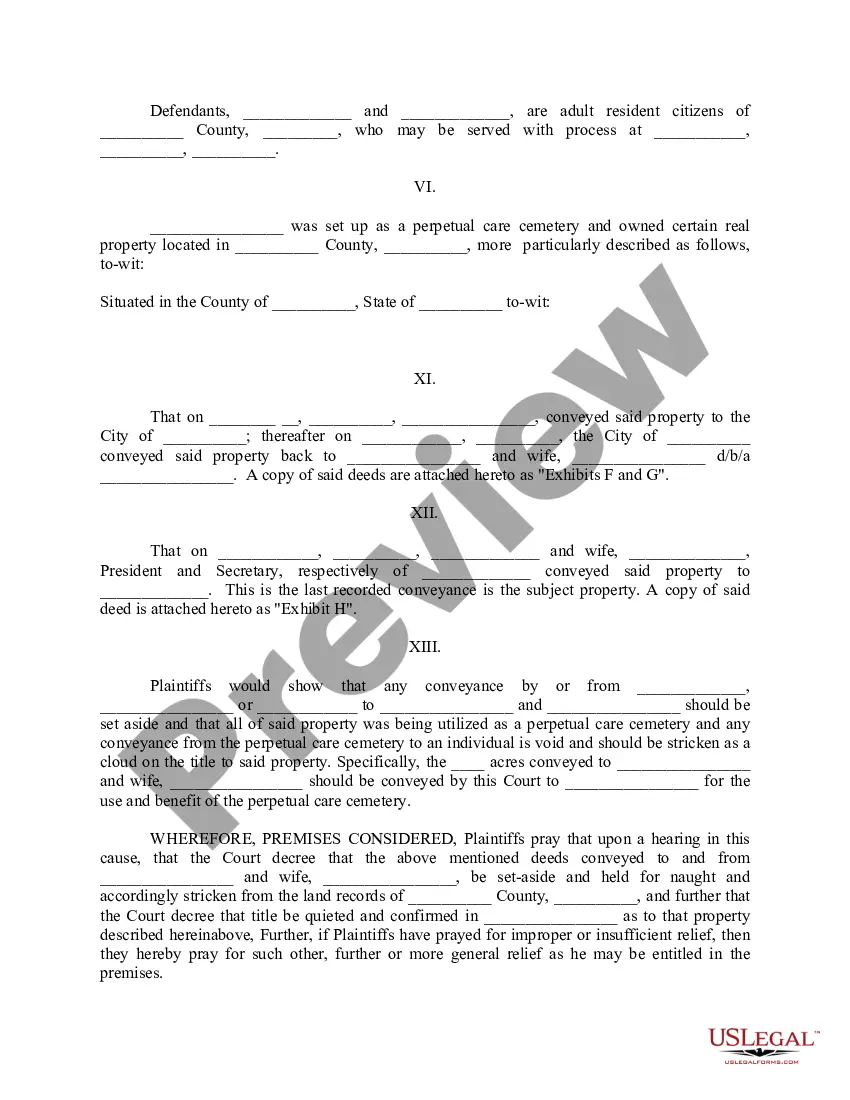

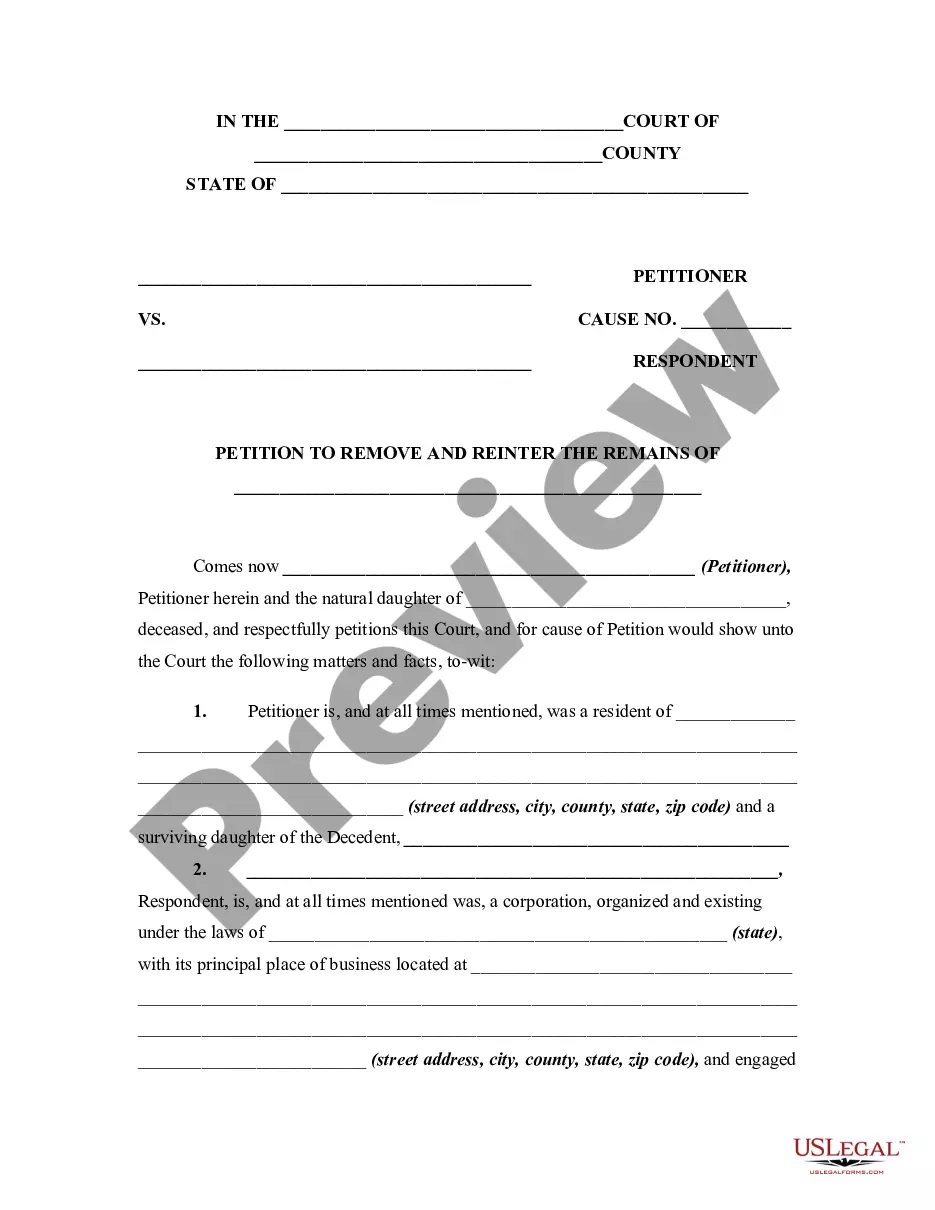
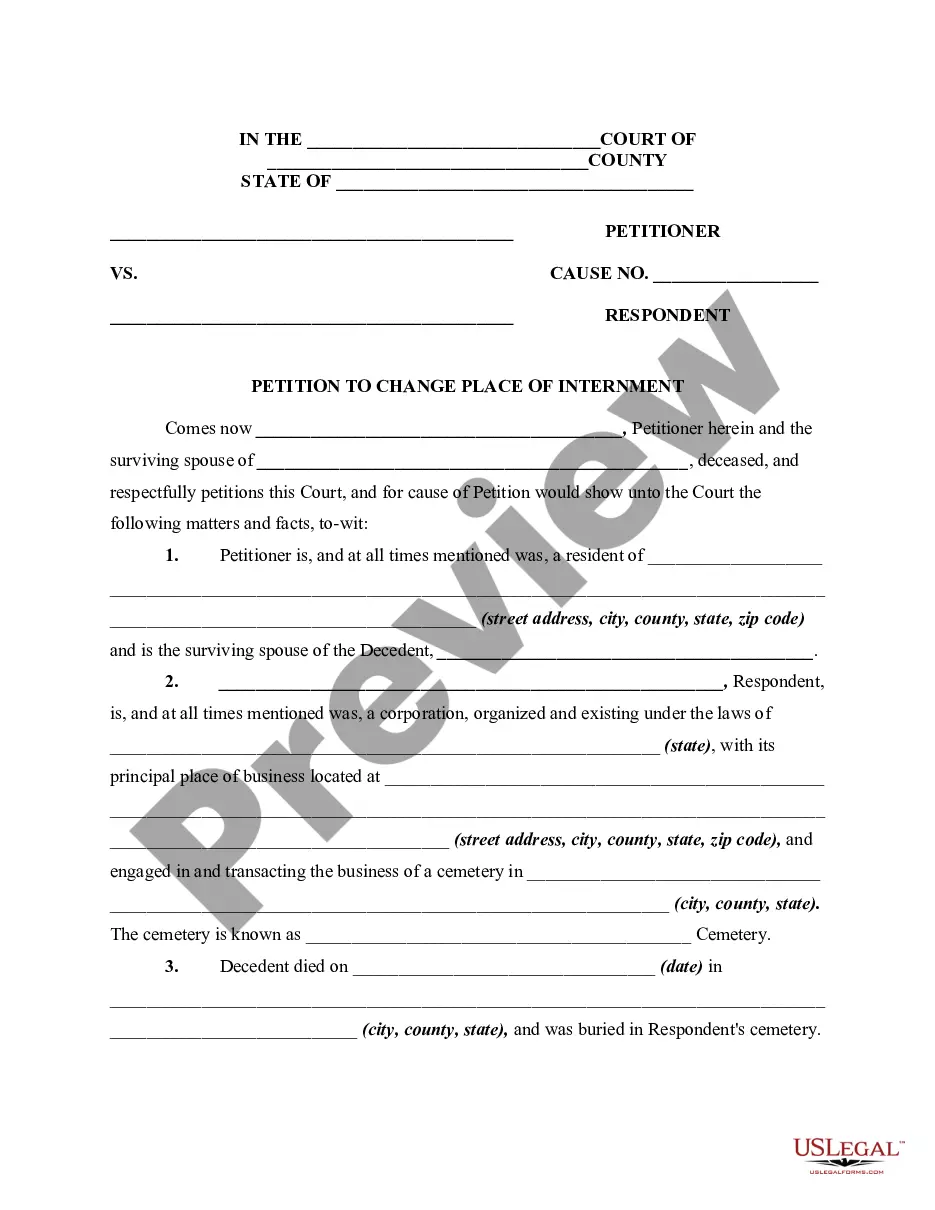
Get your form ready online
Our built-in tools help you complete, sign, share, and store your documents in one place.
Make edits, fill in missing information, and update formatting in US Legal Forms—just like you would in MS Word.
Download a copy, print it, send it by email, or mail it via USPS—whatever works best for your next step.
Sign and collect signatures with our SignNow integration. Send to multiple recipients, set reminders, and more. Go Premium to unlock E-Sign.
If this form requires notarization, complete it online through a secure video call—no need to meet a notary in person or wait for an appointment.
We protect your documents and personal data by following strict security and privacy standards.

Make edits, fill in missing information, and update formatting in US Legal Forms—just like you would in MS Word.

Download a copy, print it, send it by email, or mail it via USPS—whatever works best for your next step.

Sign and collect signatures with our SignNow integration. Send to multiple recipients, set reminders, and more. Go Premium to unlock E-Sign.

If this form requires notarization, complete it online through a secure video call—no need to meet a notary in person or wait for an appointment.

We protect your documents and personal data by following strict security and privacy standards.
Looking for another form?







Form popularity
FAQ
Fairfax County provides real estate tax relief and vehicle ("car") tax relief to citizens who are either 65 or older, or permanently and totally disabled, and meet the income and asset eligibility requirements. Qualified taxpayers may also be eligible for tax relief for renters.
(For more detail, see How to Transport the Dead.) Virginia families may bury on their own property. There are no laws in Virginia stipulating conditions for home burial.
Moving a grave requires an exhumation license, state permits, and other paperwork that could become costly. Proper authorities, under the direction of an environmental health officer, have to oversee the process of having the body exhumed, and you have to have a funeral director present.
How to Transfer Ownership of a Burial Plot Step 1 – Get the Deed From the Cemetery. Step 2 – Review the State and Local Laws. Step 3 – Prove You Are the Current Owner. Step 4 – Fill Out the Cemetery Plot Deed Transfer Form. Step 5 – Complete the Transfer and Get the New Deed.
How to Transfer Ownership of a Burial Plot Step 1 – Get the Deed From the Cemetery. Step 2 – Review the State and Local Laws. Step 3 – Prove You Are the Current Owner. Step 4 – Fill Out the Cemetery Plot Deed Transfer Form. Step 5 – Complete the Transfer and Get the New Deed.
Cemetery Relocation | Burial Relocations | Archaeology Digs | Chicora Foundation.
Cemetery relocations require notification of and the solicitation of input from the next of kin, families and stakeholders.
How to Transfer Ownership of a Burial Plot Step 1 – Get the Deed From the Cemetery. Step 2 – Review the State and Local Laws. Step 3 – Prove You Are the Current Owner. Step 4 – Fill Out the Cemetery Plot Deed Transfer Form. Step 5 – Complete the Transfer and Get the New Deed.
“Cemetery lot” or “burial plot” is a small piece of land in a cemetery used for the interment human remains. A crypt or group of crypts or burial vaults owned by one person in a public or community mausoleum is deemed a cemetery lot.