Set Aside Petition Meaning In Dallas
Description

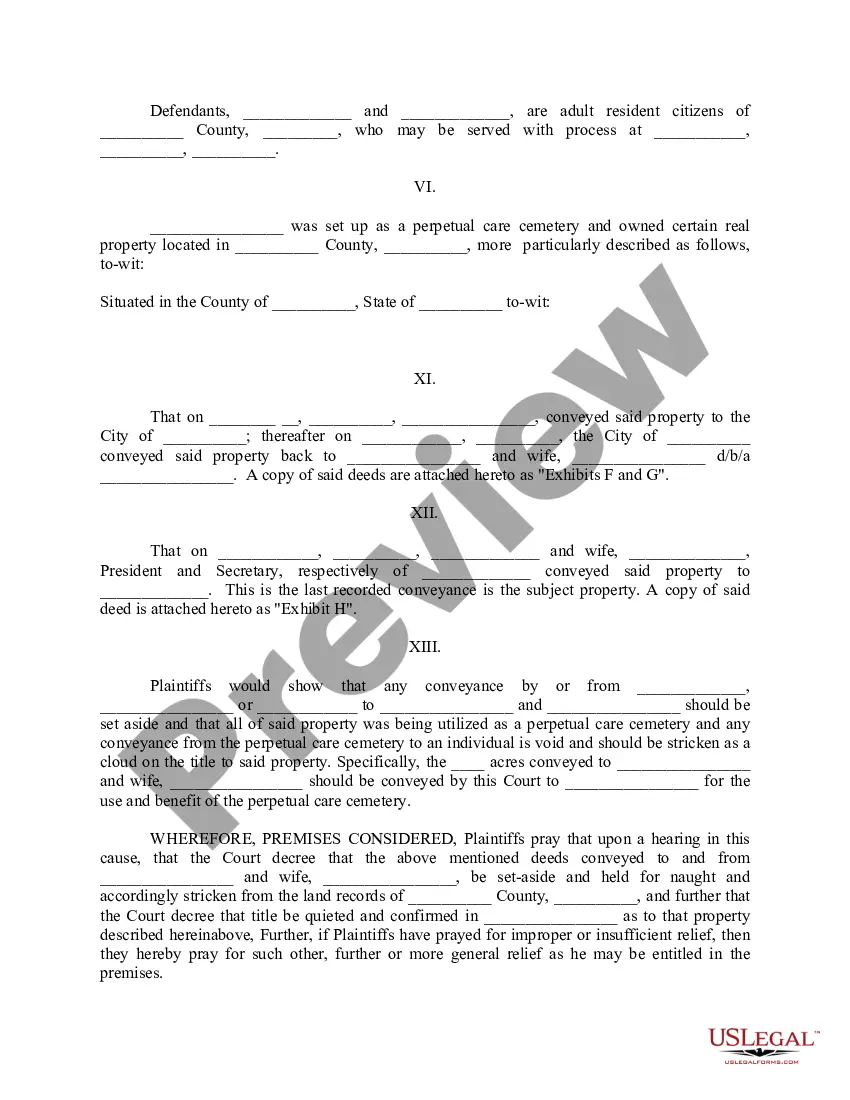

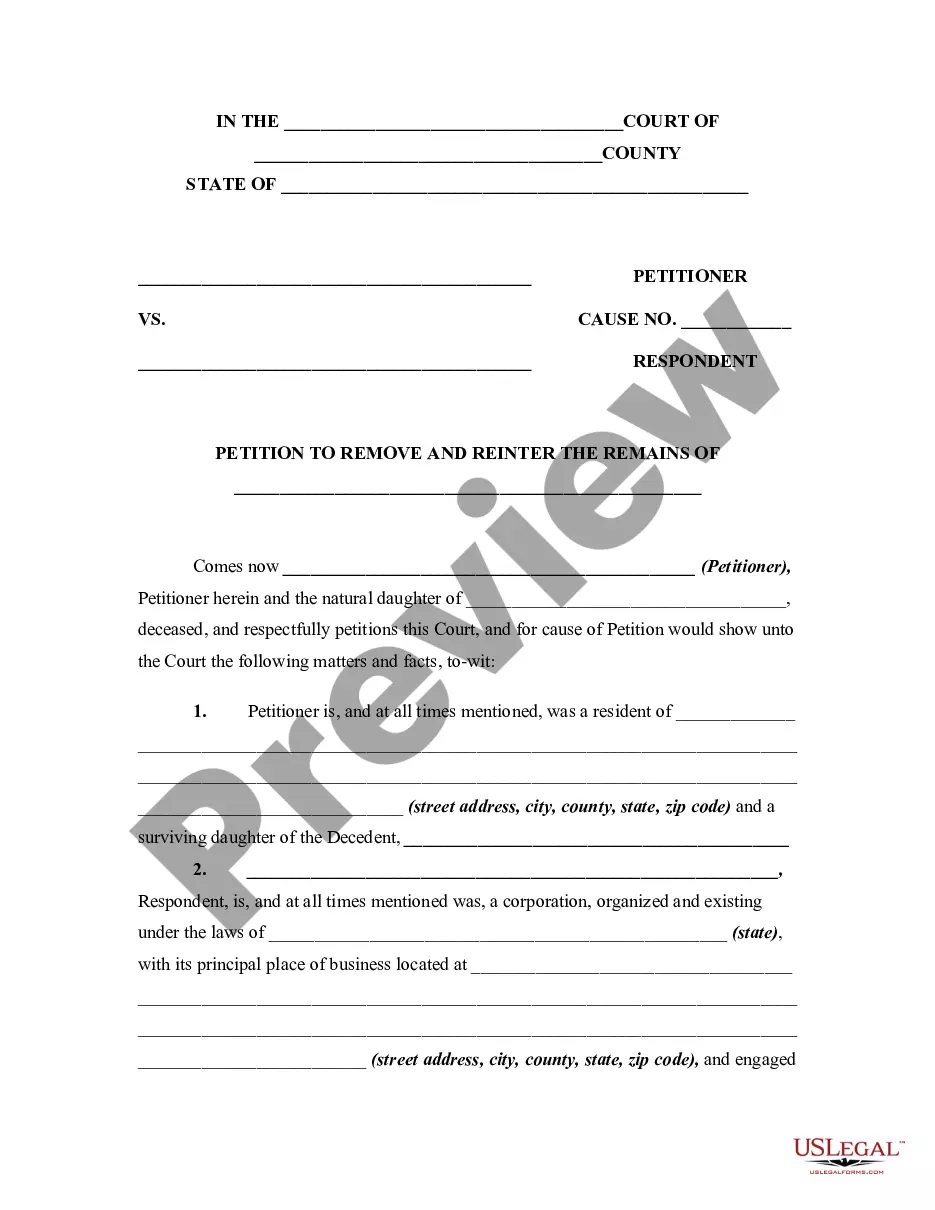
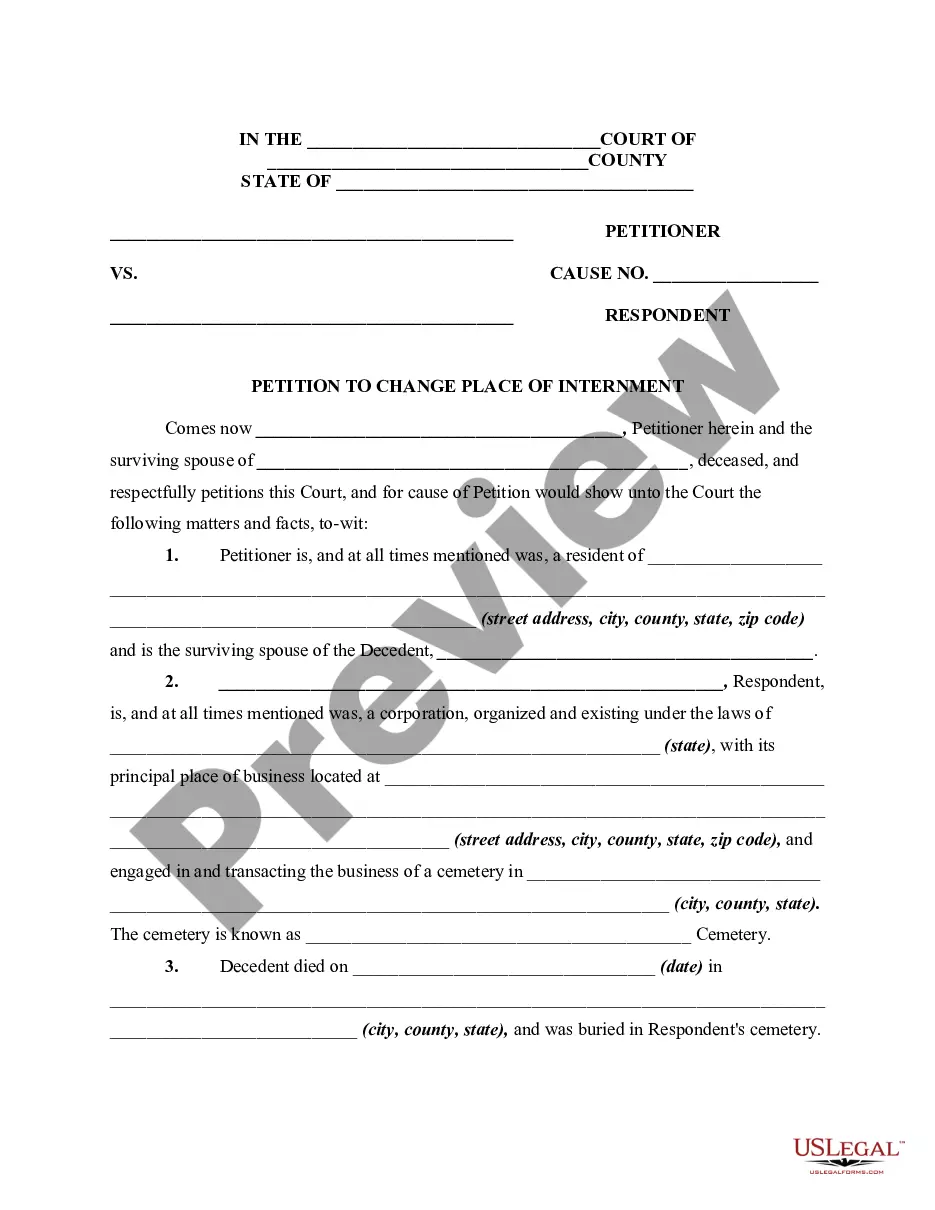
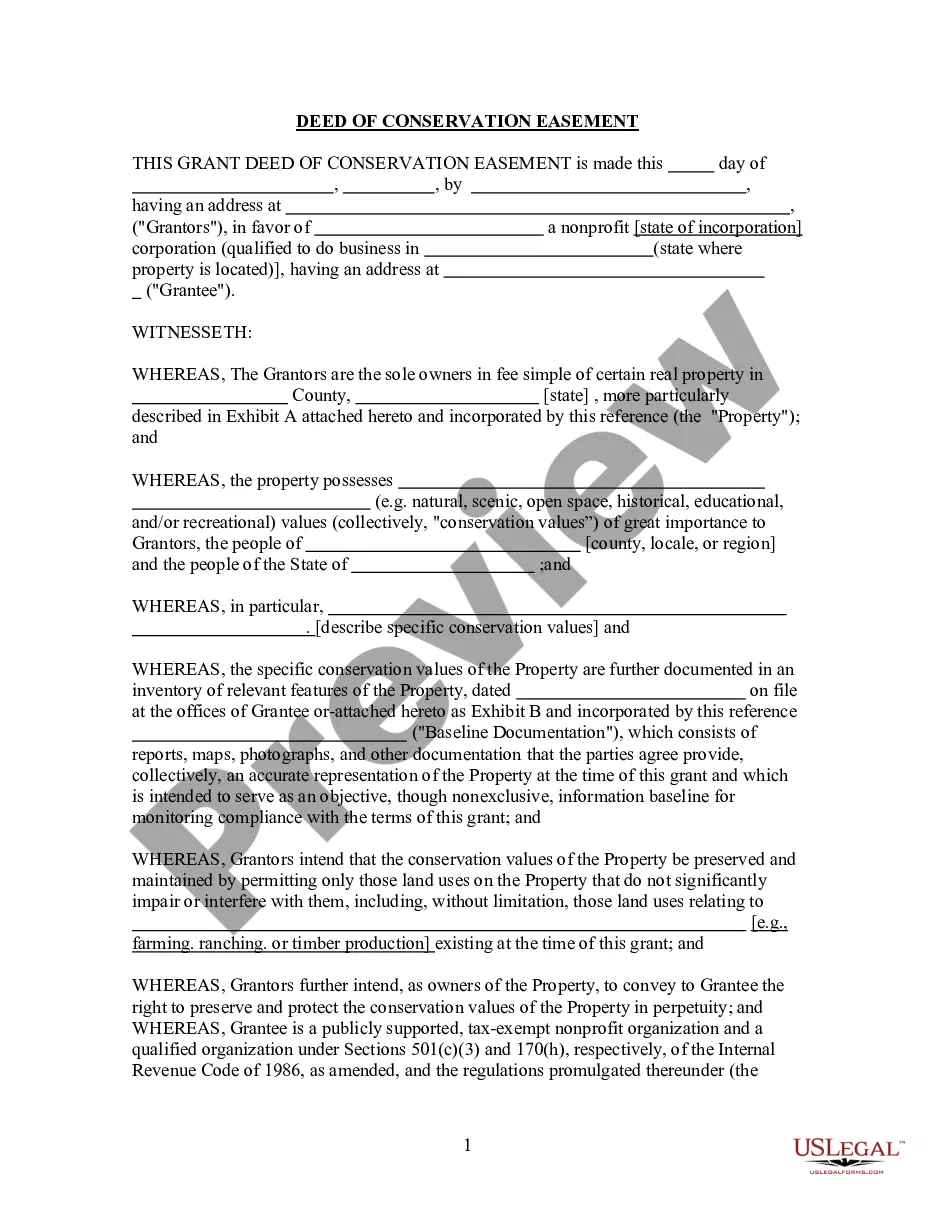
Get your form ready online
Our built-in tools help you complete, sign, share, and store your documents in one place.
Make edits, fill in missing information, and update formatting in US Legal Forms—just like you would in MS Word.
Download a copy, print it, send it by email, or mail it via USPS—whatever works best for your next step.
Sign and collect signatures with our SignNow integration. Send to multiple recipients, set reminders, and more. Go Premium to unlock E-Sign.
If this form requires notarization, complete it online through a secure video call—no need to meet a notary in person or wait for an appointment.
We protect your documents and personal data by following strict security and privacy standards.

Make edits, fill in missing information, and update formatting in US Legal Forms—just like you would in MS Word.

Download a copy, print it, send it by email, or mail it via USPS—whatever works best for your next step.

Sign and collect signatures with our SignNow integration. Send to multiple recipients, set reminders, and more. Go Premium to unlock E-Sign.

If this form requires notarization, complete it online through a secure video call—no need to meet a notary in person or wait for an appointment.

We protect your documents and personal data by following strict security and privacy standards.
Looking for another form?









Form popularity
FAQ
Once the judgment is set aside, the case starts up again. If you do not file an answer with the court to defend against plaintiff's complaint, you could again be defaulted and another default judgment could be entered against you.
A “set aside” in simple terms means that a court vacates or voids a prior order, as if the order never existed. Before a court will “set aside” a judgment or order, there must be a clear statutory basis for the set aside, and facts that warrant the order vacated.
To decide not to consider something: We need to set aside our differences and begin to cooperate. To set aside a legal decision or a judgment is to state that it is no longer in effect: The court of appeals set aside his conviction.
1. : to disagree with and overturn (a decision or act of a lower tribunal) upon review : overrule, vacate. set aside the decree. 2. : to deprive of legal effect or force : annul, void.
Generally speaking, to vacate or set aside a conviction or sentence means nullifying the court's judgment on your case. In other words, when the court grants your petition to vacate a conviction, it will look as if your case's trial and judgment never occurred, but it does not mean your case is over.
In Texas, there are three primary legal tools by which you as the defendant can overturn a default judgment: Filing a motion to set aside the default judgment. Filing a restricted appeal. Filing a bill of review.
Your lawyer must file a notice of appeal within 30 days from the date the court pronounced the verdict in open court. After 30 days pass, you lose the right to file an appeal in Texas. Your lawyer may also concurrently file a motion for the appointment of appellate counsel with the notice of appeal.
6 Expungement and sealing laws restrict access to criminal records and sometimes even provide for their destruction. 7 Set-aside laws authorize a court to “vacate” a conviction in order to signal a person's rehabilitation, relief that may or may not be followed by sealing the record.
The eligibility criteria for a pardon in Texas are meticulously outlined, ensuring that only those who have shown genuine rehabilitation and transformation can apply. Typically, individuals who have completed their sentences, including any parole or probation periods, may be eligible.
When a court renders a decision of another court to be invalid, that verdict or decision is set aside; see also annul or vacate. The phrase is often used in the context of appeals, when an appellate court invalidates the judgment of a lower court. For example, in Eckenrode v.