Discrimination Definition For A Child In Santa Clara
Description




Get your form ready online
Our built-in tools help you complete, sign, share, and store your documents in one place.
Make edits, fill in missing information, and update formatting in US Legal Forms—just like you would in MS Word.
Download a copy, print it, send it by email, or mail it via USPS—whatever works best for your next step.
Sign and collect signatures with our SignNow integration. Send to multiple recipients, set reminders, and more. Go Premium to unlock E-Sign.
If this form requires notarization, complete it online through a secure video call—no need to meet a notary in person or wait for an appointment.
We protect your documents and personal data by following strict security and privacy standards.

Make edits, fill in missing information, and update formatting in US Legal Forms—just like you would in MS Word.

Download a copy, print it, send it by email, or mail it via USPS—whatever works best for your next step.

Sign and collect signatures with our SignNow integration. Send to multiple recipients, set reminders, and more. Go Premium to unlock E-Sign.

If this form requires notarization, complete it online through a secure video call—no need to meet a notary in person or wait for an appointment.

We protect your documents and personal data by following strict security and privacy standards.
Looking for another form?
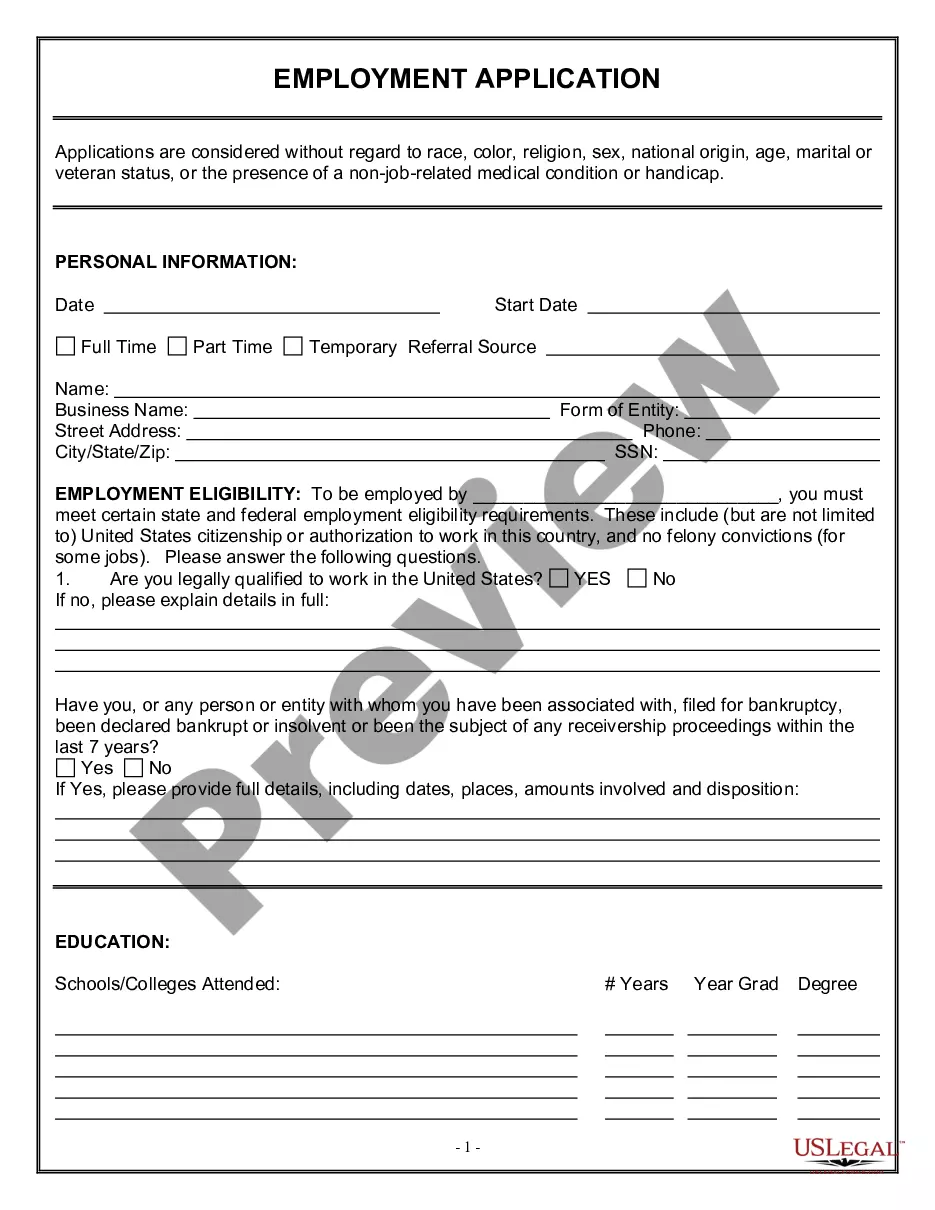

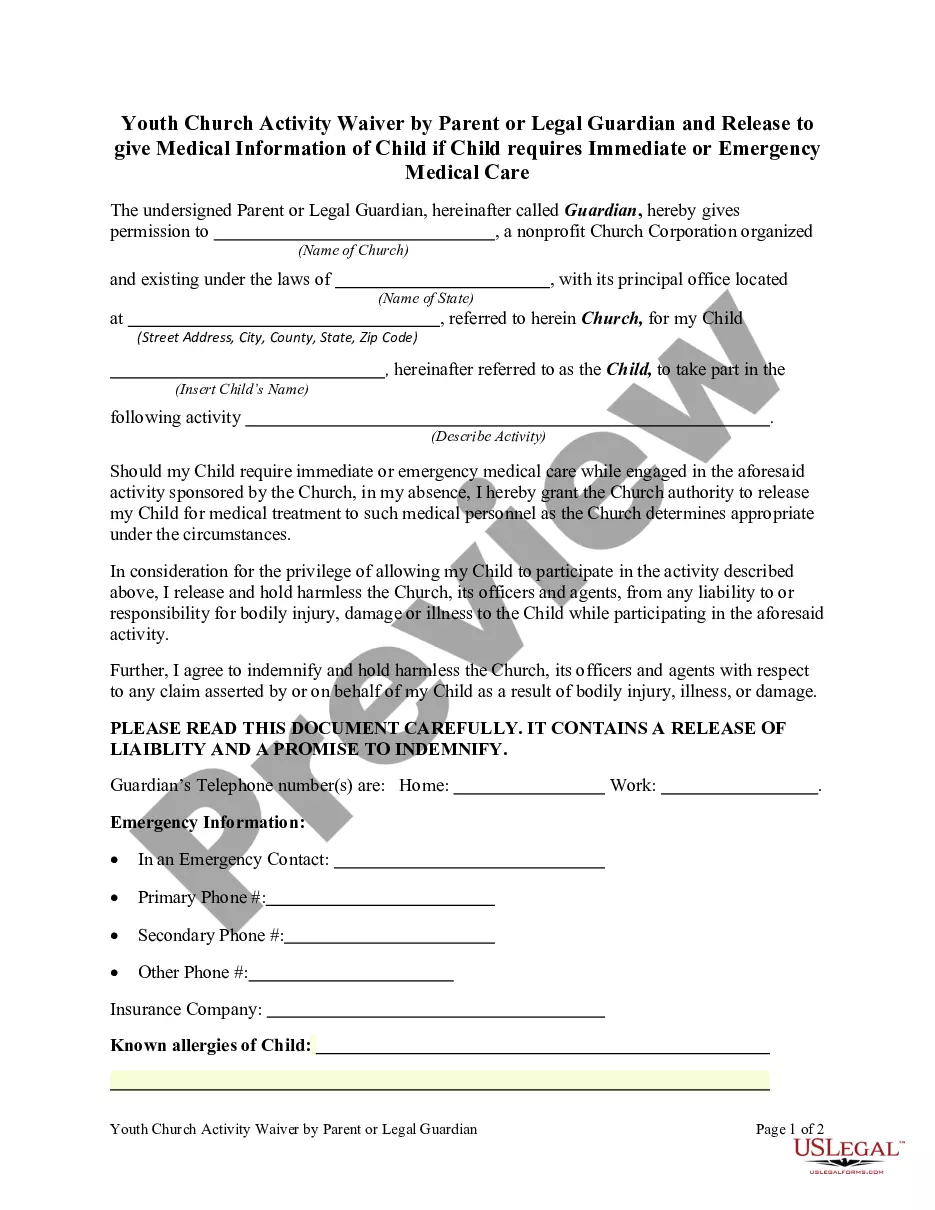





Form popularity
FAQ
Discrimination is when someone treats you differently, unfairly or worse because of your age, being disabled, your gender, gender identity, being married or in a civil partnership, being pregnant or having a child, your religion or beliefs, your race, skin colour or where you were born or your sexuality.
Discrimination—simply defined as harmful actions toward others because of their ethnicity, nationality, language ability and accent, or immigration status—may take place at an institutional or individual level, and can have considerable consequences for the developmental outcomes of young children.
This is because inequality in opportunity leads to underdevelopment in the areas that experience this discrimination. For instance, being denied citizenship due to some discriminatory reason such as religious affiliation restricts one's access to employment, education, and other opportunities 19.
No individual or group shall, through physical, written, verbal, visual, or other means, harass, sexually harass, threaten, intimidate, cyberbully, cause bodily injury to, or commit hate violence against any student or school personnel, or retaliate against them for filing a complaint or participating in the complaint ...
Thus, discrimination, whether experienced personally or vicariously through caregivers, may create a stressful environment, which in turn may play a key role in the development of children's disruptive behavior.
The law prohibits 'direct discrimination', for example if a nursery refused to offer a child a place because the child has a disability; and 'indirect discrimination' by offering protection where policies or practices within an organisation may particularly disadvantage people who share a particular protected ...
Create an account on the Cal Civil Rights System for yourself. All you need is a valid email address and a phone number. Once you have an account, call 800-884-1684. Our staff will associate your account with the complaint.
Age Discrimination Laws California workers are protected by both federal and state laws from age discrimination. These laws protect job applicants and employees who are 40 years of age or older. It is illegal for an employer to demote, deny employment, or terminate someone based on their age.
Proving age discrimination in hiring can be challenging but is possible through direct evidence, such as age-related comments during interviews, disparate treatment evidence showing a pattern of hiring younger employees despite older candidates being more qualified, and disparate impact evidence where policies ...
If you've experienced unlawful discrimination, you can complain to the person or organisation who's discriminated against you. You can also make a discrimination claim in the civil courts. Read this page to find out what you should do before you take action about unlawful discrimination.