Discrimination Title Vii Rights Within The Workplace In Collin
Description




Get your form ready online
Our built-in tools help you complete, sign, share, and store your documents in one place.
Make edits, fill in missing information, and update formatting in US Legal Forms—just like you would in MS Word.
Download a copy, print it, send it by email, or mail it via USPS—whatever works best for your next step.
Sign and collect signatures with our SignNow integration. Send to multiple recipients, set reminders, and more. Go Premium to unlock E-Sign.
If this form requires notarization, complete it online through a secure video call—no need to meet a notary in person or wait for an appointment.
We protect your documents and personal data by following strict security and privacy standards.

Make edits, fill in missing information, and update formatting in US Legal Forms—just like you would in MS Word.

Download a copy, print it, send it by email, or mail it via USPS—whatever works best for your next step.

Sign and collect signatures with our SignNow integration. Send to multiple recipients, set reminders, and more. Go Premium to unlock E-Sign.

If this form requires notarization, complete it online through a secure video call—no need to meet a notary in person or wait for an appointment.

We protect your documents and personal data by following strict security and privacy standards.
Looking for another form?


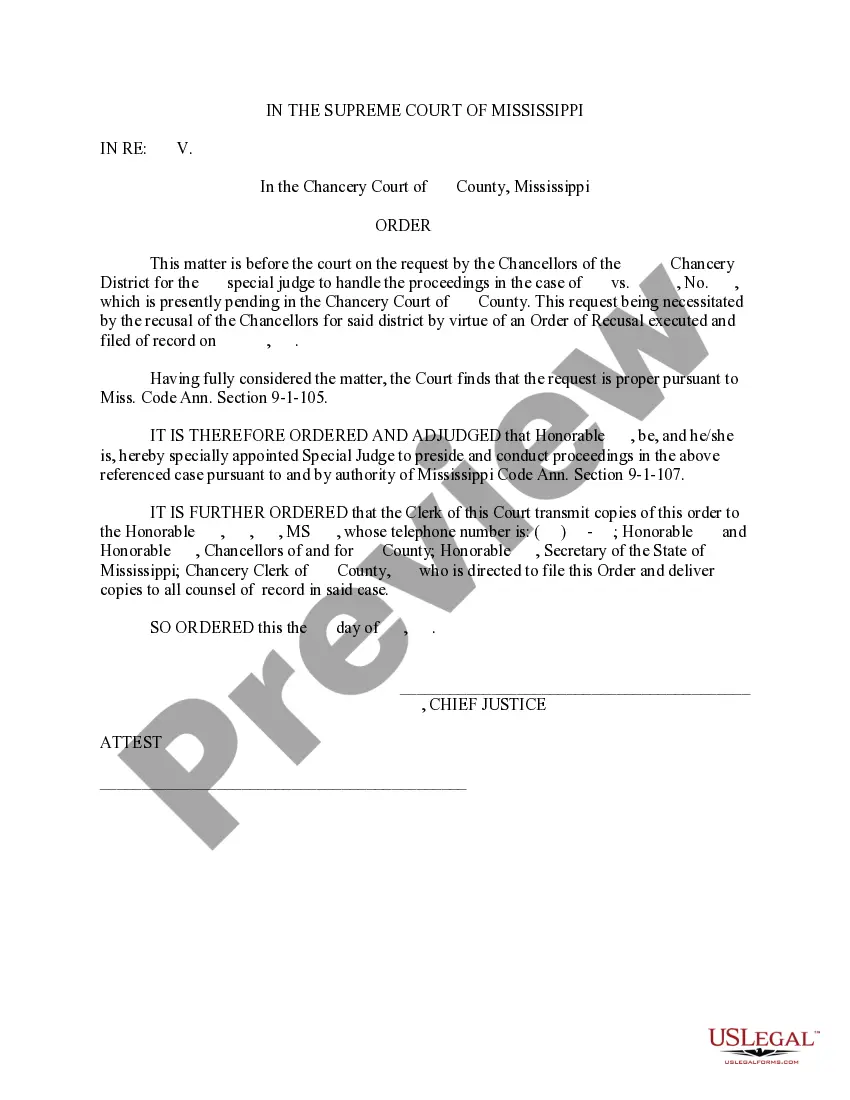
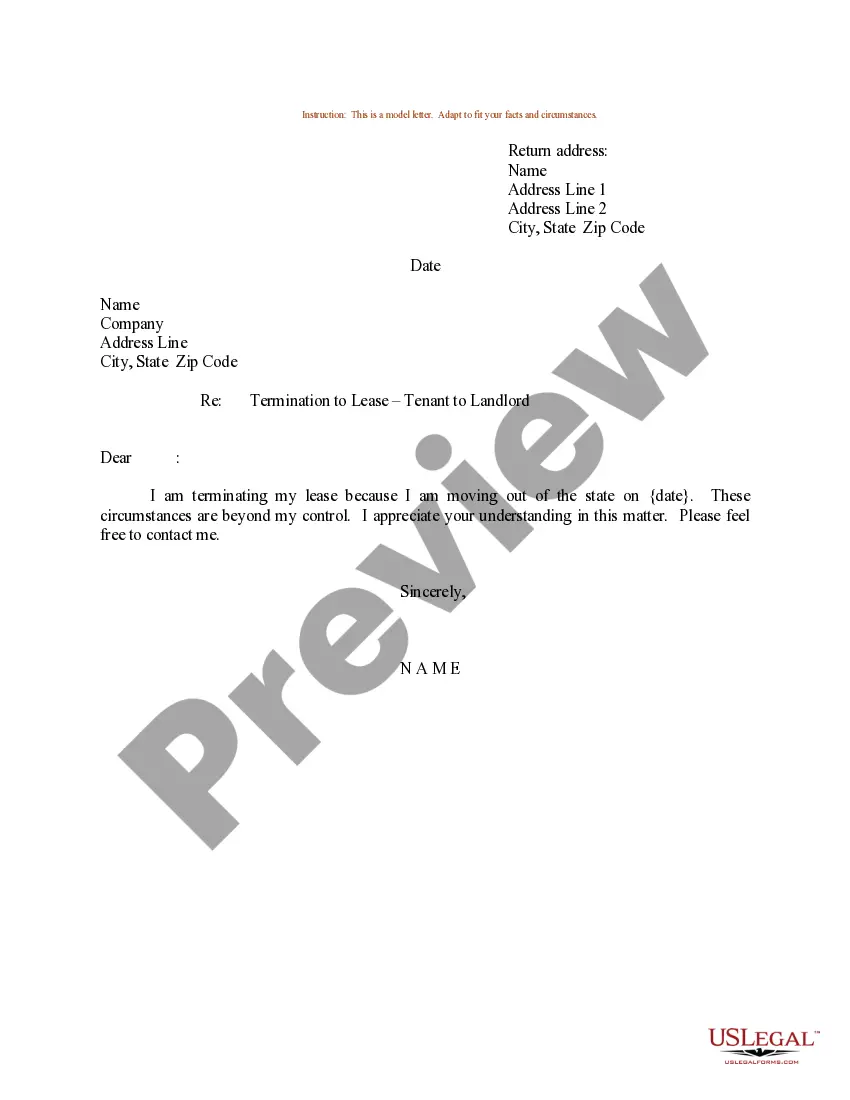


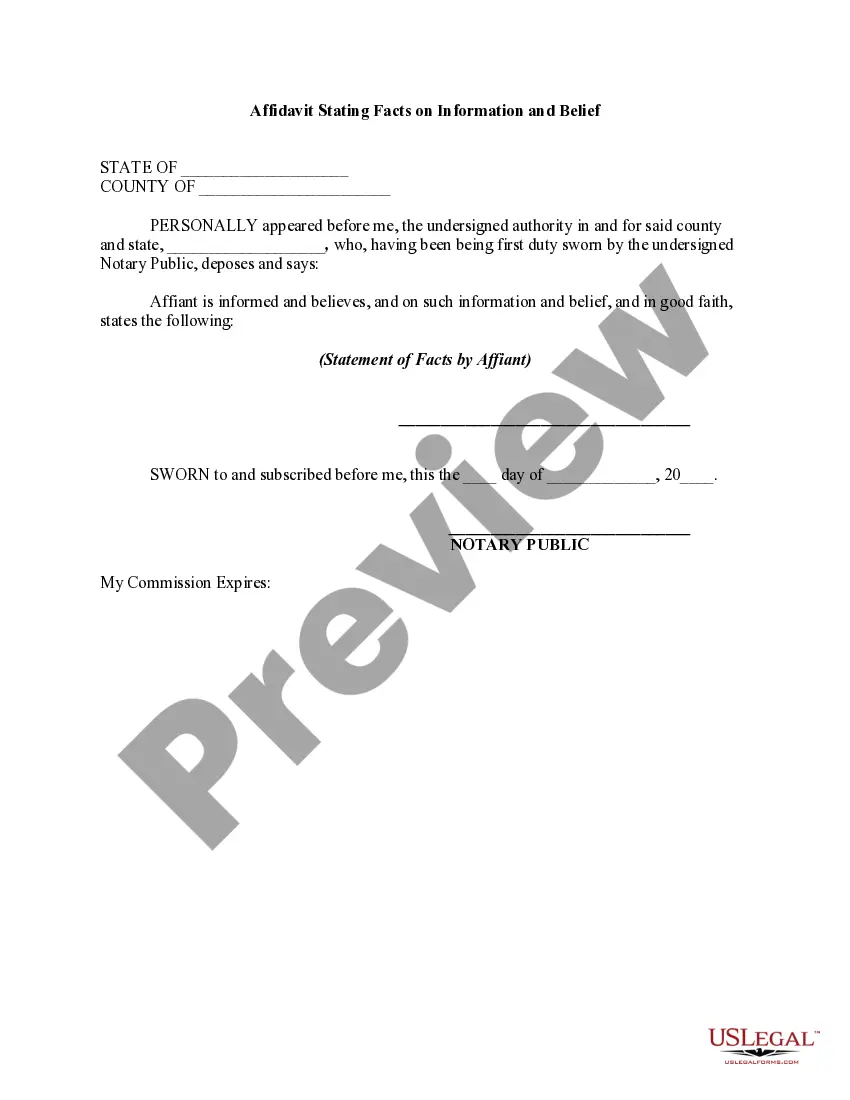



Form popularity
FAQ
The answer depends on your claims and willingness to pursue litigation. If your claims are strong and you are invested in the litigation process, it can be very “worth it” to feel you are standing up for accountability, getting compensation for your injuries, and incentivizing the company to change its ways.
Filing a Complaint The Texas Workforce Commission Civil Rights Division (TWCCRD) Employment Discrimination Inquiry Submission System (EDISS) is the method to submit your employment discrimination complaint. It provides an ample amount of space to describe how you have been discriminated against.
The employee must first present evidence that he is a member of a protected class, he was qualified for the position he held, he suffered an adverse employment action such as being fired, and that he was replaced with another worker who is not a member of that protected class.
You can submit your complaint online with the Employment Discrimination Complaint Form. You can also submit your complaint by email, by postal mail or in person. Submit a complaint via email at EEOintake@twc.texas. If you have questions, call: 512-463-2642 or 888-452-4778.
You can also file a complaint with the Department of Labor The DOL Wage & Hour Division can provide you with information as to what sorts of claims or complaints they accept and how their process works. They can be contacted at 866-487-9243. They also have a webpage with information that might be helpful.
Direct evidence of discrimination is usually found where an employer admits to the employee or someone else, verbally or in writing, that their intent or motive is to take an Adverse Employment Action (described above) against an employee because the employee is a member of a Protected Class.
A written complaint to OSPI must include the following information: A description the conduct or incident—use facts (what, who and when) An explanation of why you believe unlawful discrimination has taken place. Your name and contact information, including a mailing address.
Keep a Written Record: The first step in documenting employment discrimination is to keep a written record of every incident that occurs. Your records should include dates, times, locations, who was involved, who witnessed it, and details of what exactly happened.
To prove discrimination, plaintiffs must provide evidence that they: (a) are a member of a protected class, (b) are qualified for the position at issue, (c) suffered an adverse employment action, and (d) the employer treated similarly situated employees outside of the protected class more favorably (or some other ...