Job Discrimination Format In Bronx
Description




Get your form ready online
Our built-in tools help you complete, sign, share, and store your documents in one place.
Make edits, fill in missing information, and update formatting in US Legal Forms—just like you would in MS Word.
Download a copy, print it, send it by email, or mail it via USPS—whatever works best for your next step.
Sign and collect signatures with our SignNow integration. Send to multiple recipients, set reminders, and more. Go Premium to unlock E-Sign.
If this form requires notarization, complete it online through a secure video call—no need to meet a notary in person or wait for an appointment.
We protect your documents and personal data by following strict security and privacy standards.

Make edits, fill in missing information, and update formatting in US Legal Forms—just like you would in MS Word.

Download a copy, print it, send it by email, or mail it via USPS—whatever works best for your next step.

Sign and collect signatures with our SignNow integration. Send to multiple recipients, set reminders, and more. Go Premium to unlock E-Sign.

If this form requires notarization, complete it online through a secure video call—no need to meet a notary in person or wait for an appointment.

We protect your documents and personal data by following strict security and privacy standards.
Looking for another form?








Form popularity
FAQ
Keep a Written Record: The first step in documenting employment discrimination is to keep a written record of every incident that occurs. Your records should include dates, times, locations, who was involved, who witnessed it, and details of what exactly happened.
Contact the NYC Commission on Human Rights at (212) 416-0197 or use this online form to report your case. Whether in employment, housing, or places of public accommodation, if you have faced discrimination because of who you are, let us know about it. You can even do it anonymously!
Unfair hiring practices are aspects of the recruitment process that are unfair or unjust towards specific groups or individuals, often a result of hidden biases common during hiring, such as confirmation bias or affinity bias.
Examples of Potentially Discriminatory Hiring Practices Expressing Racial Preferences: One clear sign of a discriminatory hiring process is when employers express a preference for candidates of a particular race or color. This can occur overtly through job postings or subtly through biased interview questions.
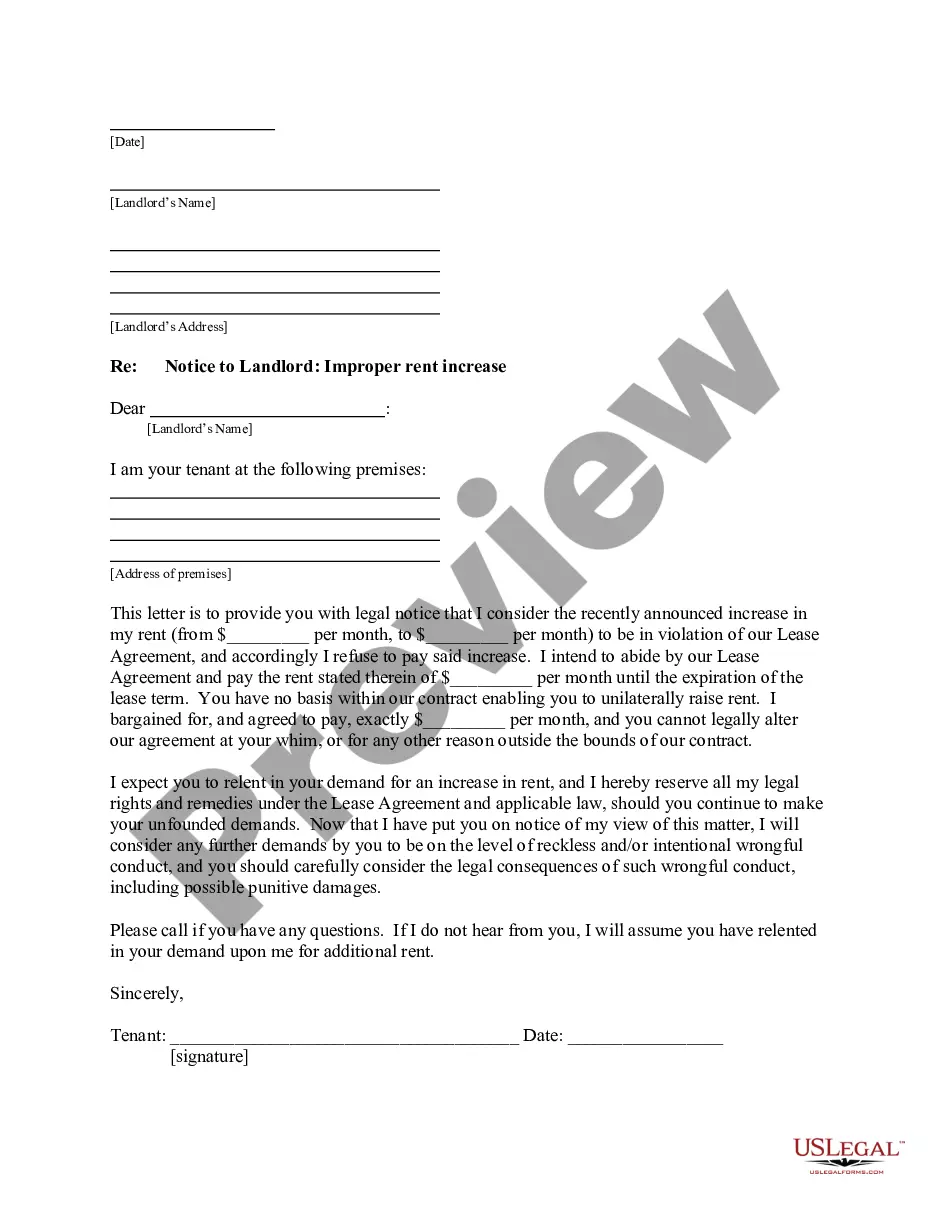
Include the following in your complaint letter: Your name, address and telephone number. The name, address, and telephone number of your attorney or authorized representative, if you are represented. The basis of your complaint. The date(s) that the incident(s) you are reporting as discrimination occurred.
Proving discrimination in the workplace is all about documentation, and there are multiple types of documentation that may be used to prove your case. Company Policies & Employee Handbooks. Personnel Files. Personal Journals or Diaries. Medical and Mental Health Records. Witness Information.
Discrimination at work is more than just an annoyance. It can disrupt your entire life. In New York, employees who face ongoing workplace harassment often wonder if they can sue their employers for the emotional distress and anxiety it causes. The good news is that you can, in most cases.
The following would be considered illegal discrimination if there is evidence that the decision was made based on a protected characteristic: Sexual Harassment. Refusal to Provide Services. Unfair Lending Practices. Misrepresenting the Availability of Housing. Refusal to Allow “Reasonable Modifications” Refusing Rental.
The answer depends on your claims and willingness to pursue litigation. If your claims are strong and you are invested in the litigation process, it can be very “worth it” to feel you are standing up for accountability, getting compensation for your injuries, and incentivizing the company to change its ways.
Typical outcomes if discrimination is found An employer may be required to hire, reinstate, or promote an applicant/employee. In addition, an applicant or employee may obtain an award of monetary damages.