Advocate For Client Rights And Needs In Pima
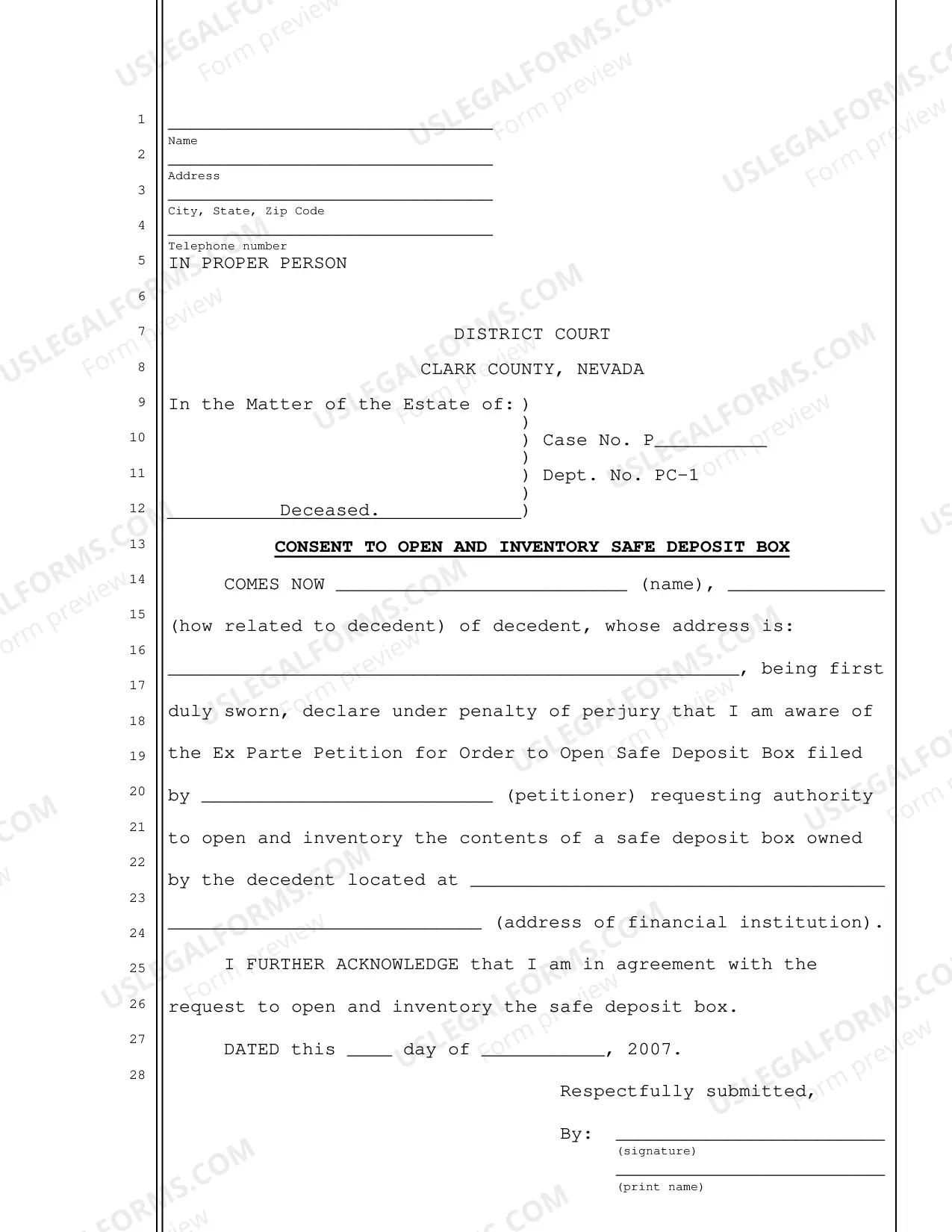
Description


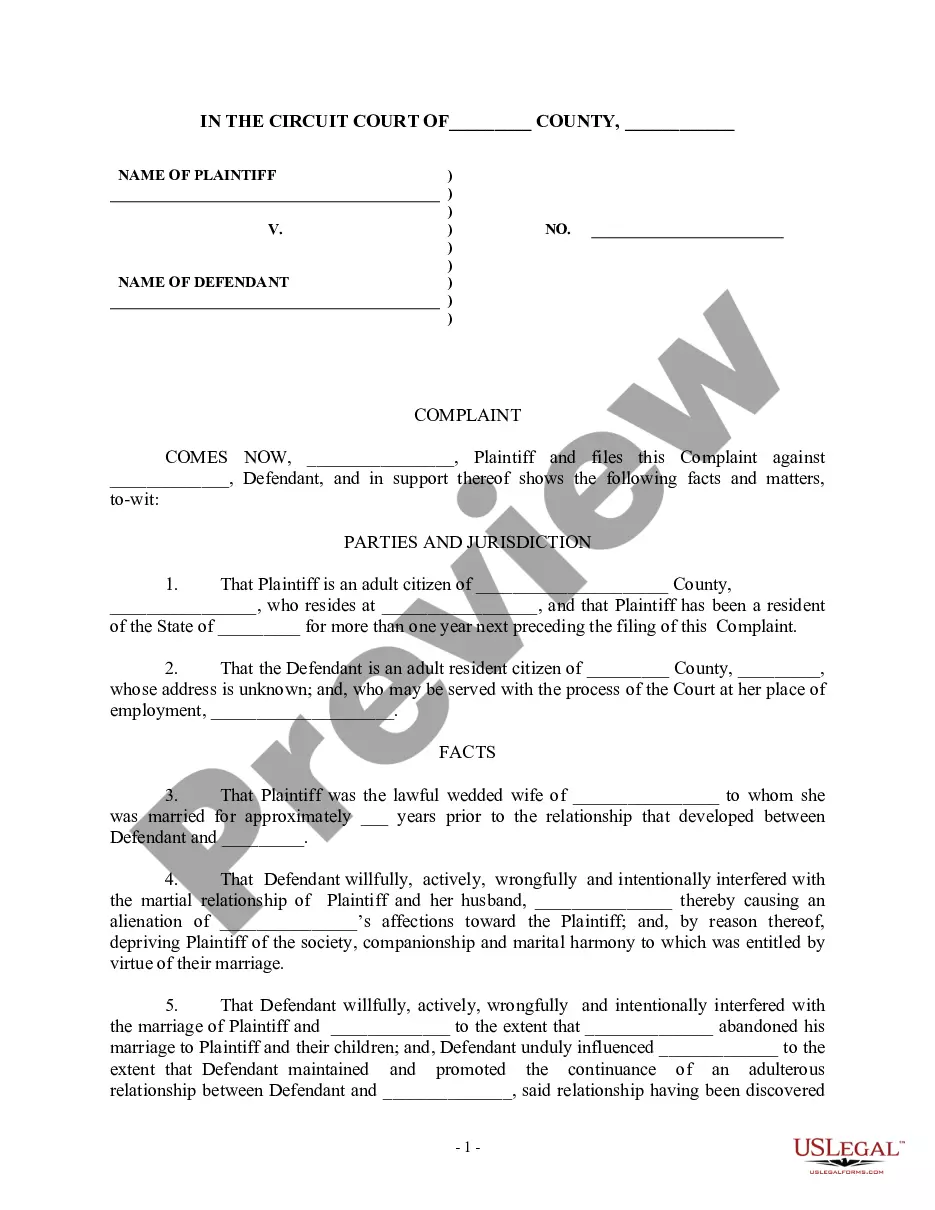

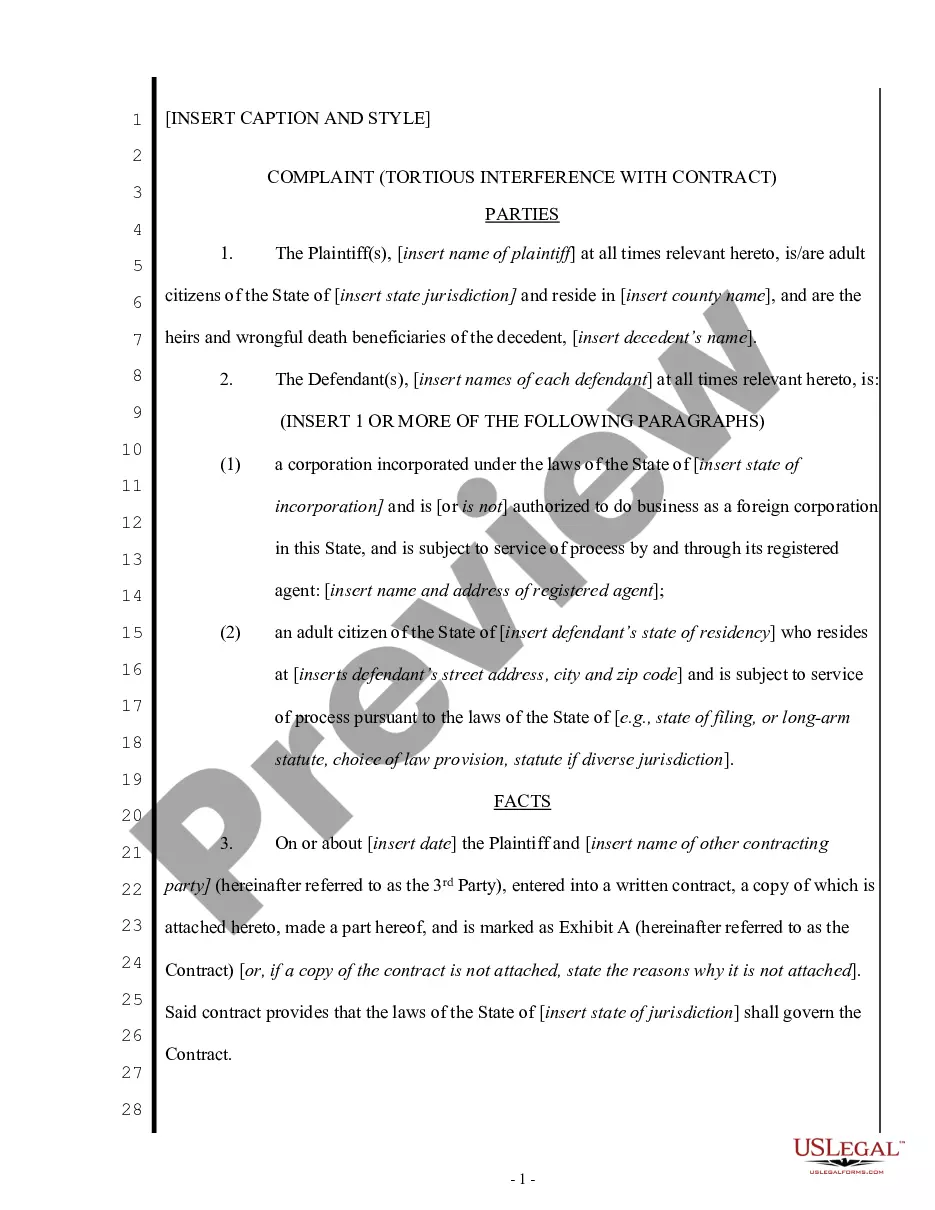
Get your form ready online
Our built-in tools help you complete, sign, share, and store your documents in one place.
Make edits, fill in missing information, and update formatting in US Legal Forms—just like you would in MS Word.
Download a copy, print it, send it by email, or mail it via USPS—whatever works best for your next step.
Sign and collect signatures with our SignNow integration. Send to multiple recipients, set reminders, and more. Go Premium to unlock E-Sign.
If this form requires notarization, complete it online through a secure video call—no need to meet a notary in person or wait for an appointment.
We protect your documents and personal data by following strict security and privacy standards.

Make edits, fill in missing information, and update formatting in US Legal Forms—just like you would in MS Word.

Download a copy, print it, send it by email, or mail it via USPS—whatever works best for your next step.

Sign and collect signatures with our SignNow integration. Send to multiple recipients, set reminders, and more. Go Premium to unlock E-Sign.

If this form requires notarization, complete it online through a secure video call—no need to meet a notary in person or wait for an appointment.

We protect your documents and personal data by following strict security and privacy standards.
Looking for another form?







Form popularity
FAQ
“Legal advocacy” includes: Educating and assisting victims in navigating the justice systems. Assisting victims in evaluating advantages and disadvantages of participating in the legal processes. Facilitating victims' access and participation in the legal systems.
Advocacy is any action that speaks in favor of, recommends, argues for a cause, supports or defends, or pleads on behalf of others. It includes public education, regulatory work, litigation, and work before administrative bodies, lobbying, voter registration, voter education, and more.
The primary difference between the responsibilities and duties of a lawyer vs. advocate is that a lawyer has less experience and might not represent clients in courts. Comparatively, advocates are more qualified in legal matters and can represent their clients.
• Policy-makers. In the anti-violence field, the term “legal advocate” usually refers to a person who works at a community-based program or nonprofit. This person is usually not an attorney, but rather a lay advocate with in-depth knowledge of and experience with the legal system.
As advisor, a lawyer provides a client with an informed understanding of the client's legal rights and obligations and explains their practical implications. As advocate, a lawyer zealously asserts the client's position under the rules of the adversary system.
While most legal advocacy jobs demand at least some legal experience or education along with a willingness to learn, some require a law degree.
You are entitled to an attorney who will be capable of handling your case; show you courtesy and consideration at all times; represent you zealously; and preserve your confidences and secrets that you reveal in the course of the relationship, to the extent permitted by law.
How do I get a Public Defender? A Public Defender must be appointed by the Court to represent you. If a court determines you are not financially able to retain private counsel, the court will appoint the Public Defender's office to represent you.
An advocate for human rights is a person or group that actively promotes and defends the fundamental rights and freedoms of individuals, ensuring that everyone is treated with dignity and equality.
The attorney-client privilege preserves the confidentiality of communications between lawyers and their clients. The privilege protects individuals and institutions.