Attorney Client Privilege With In House Counsel In Ohio
Description

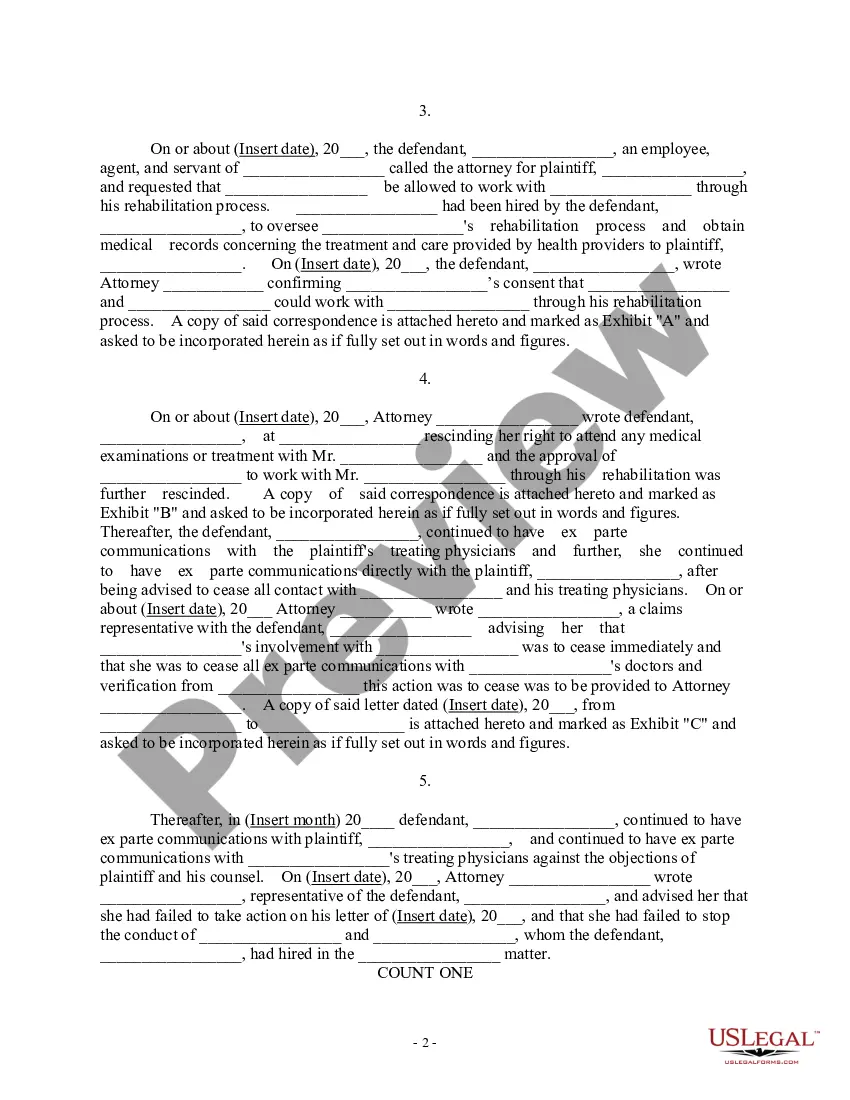
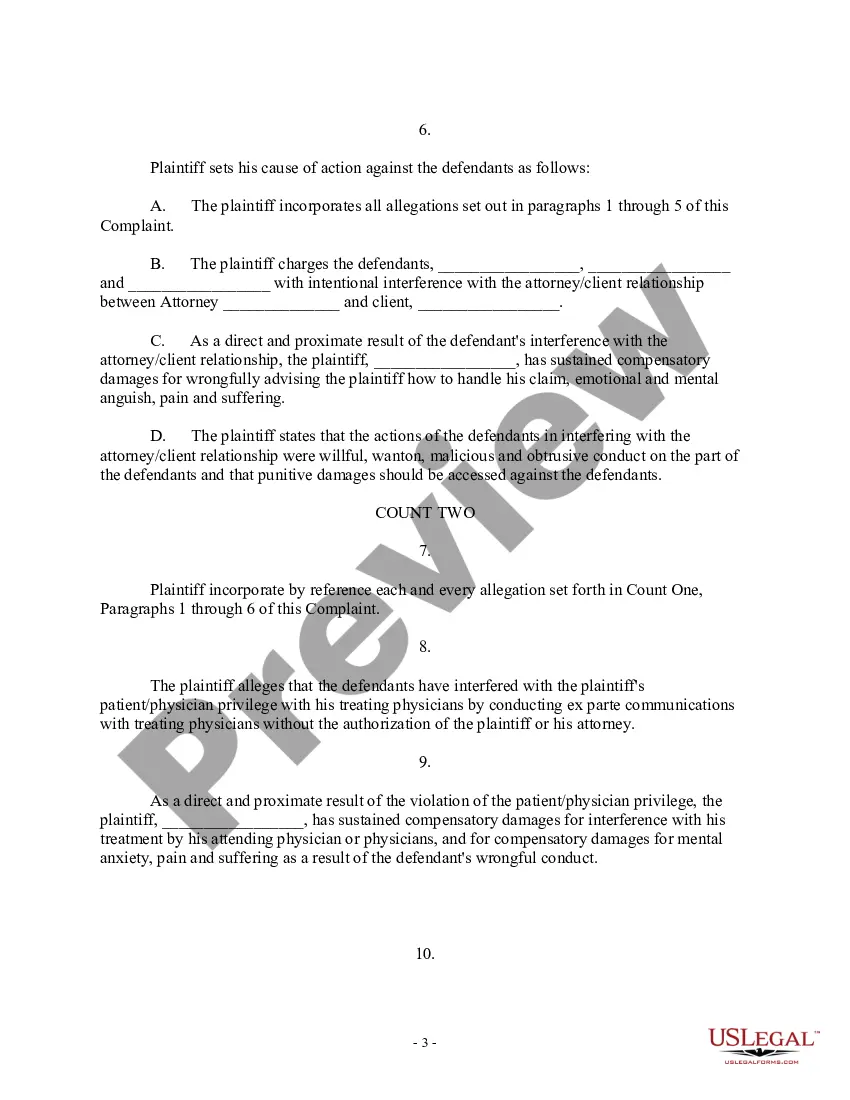
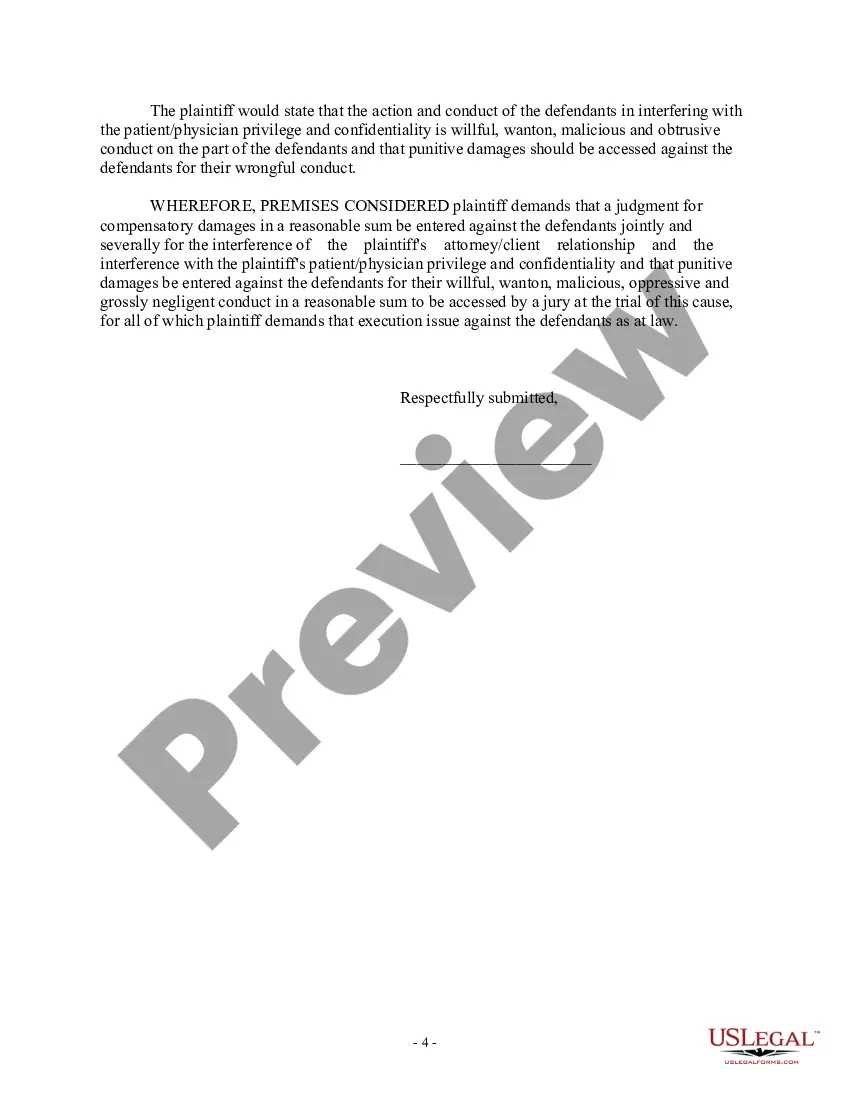

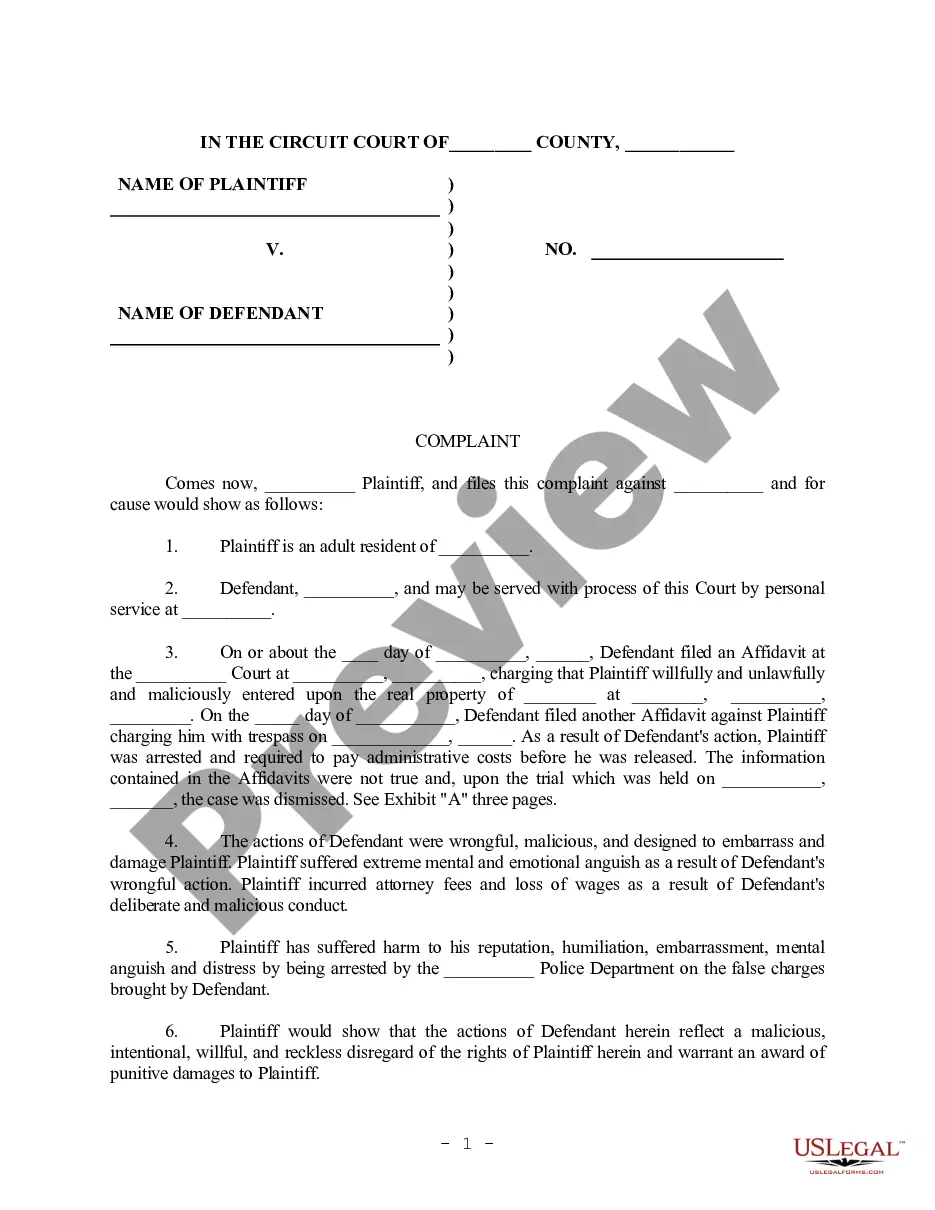
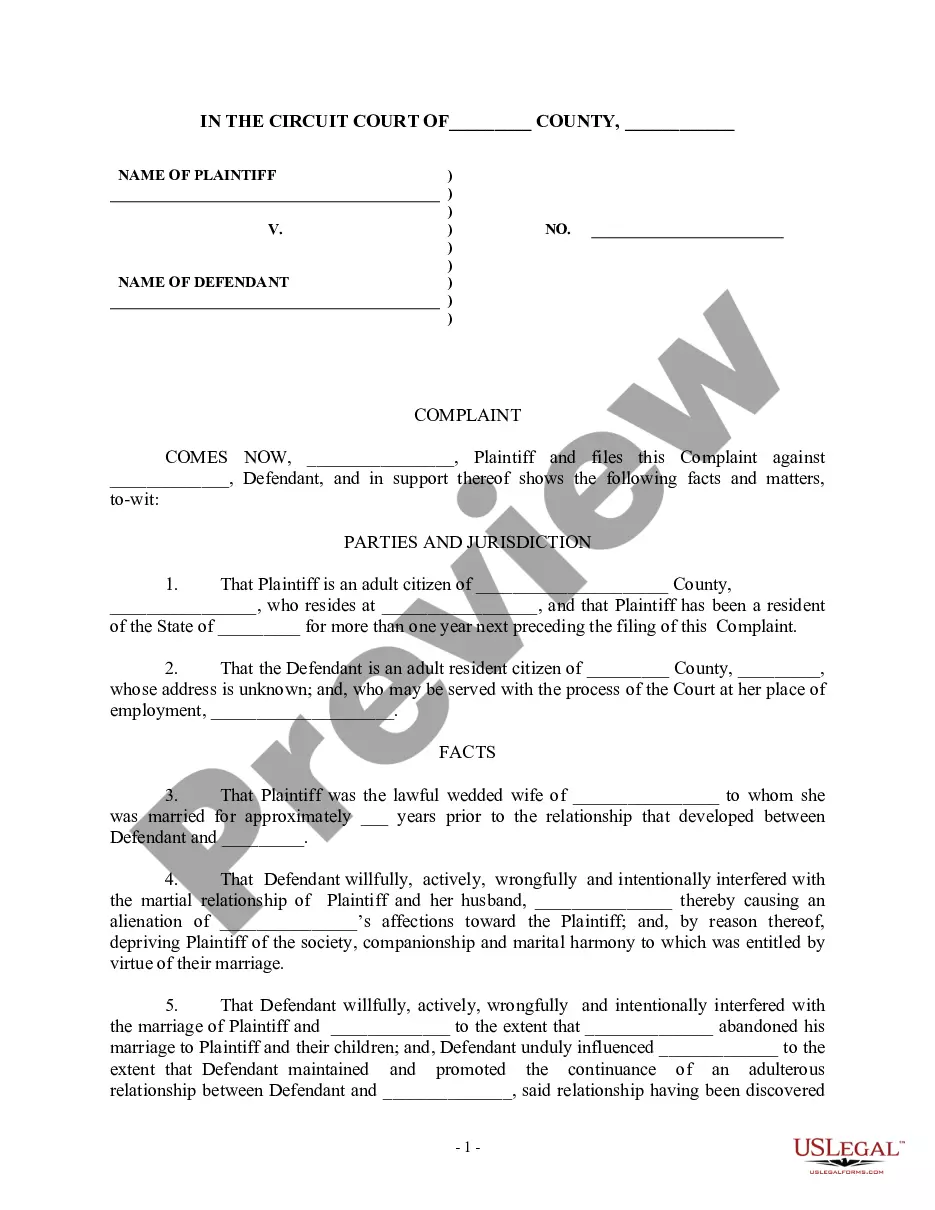

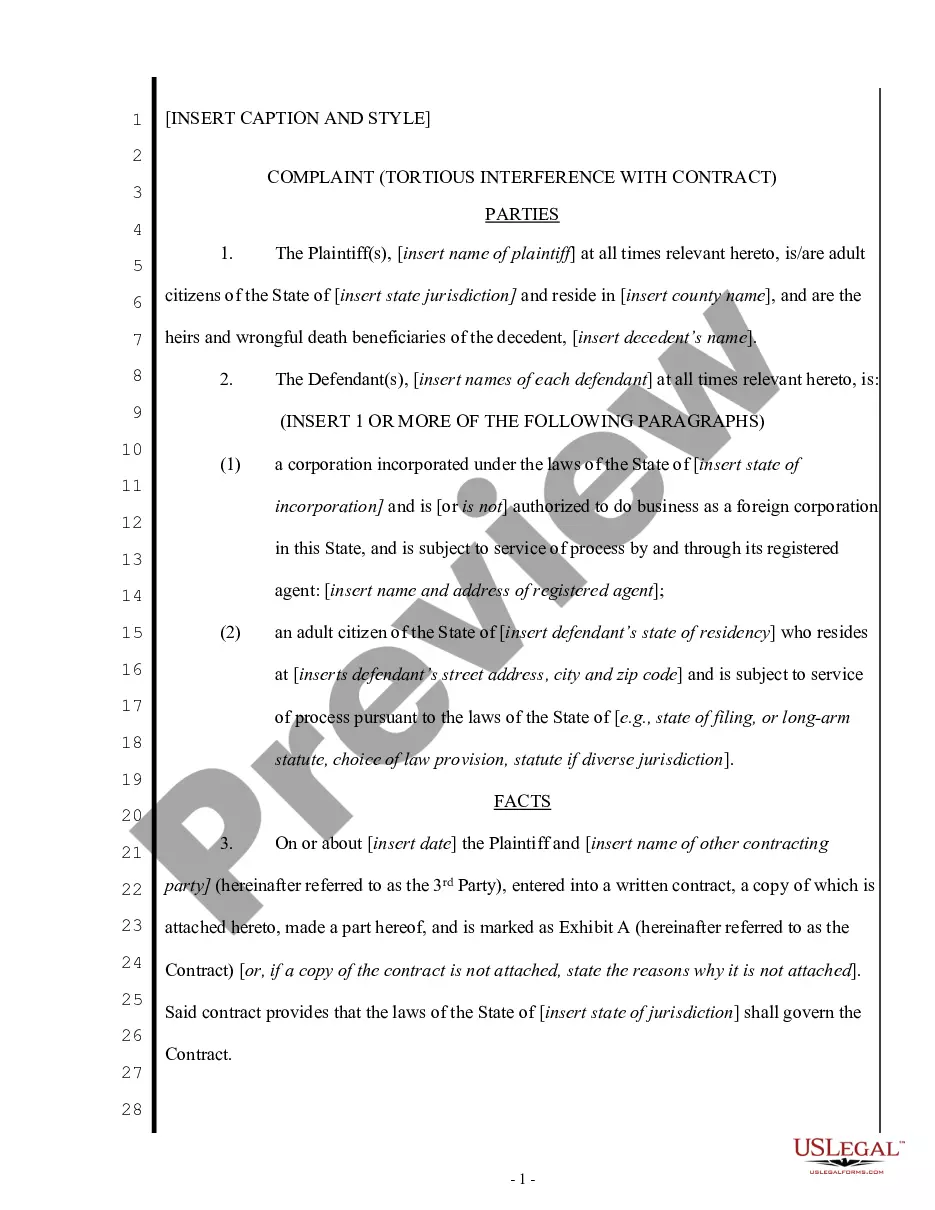
Get your form ready online
Our built-in tools help you complete, sign, share, and store your documents in one place.
Make edits, fill in missing information, and update formatting in US Legal Forms—just like you would in MS Word.
Download a copy, print it, send it by email, or mail it via USPS—whatever works best for your next step.
Sign and collect signatures with our SignNow integration. Send to multiple recipients, set reminders, and more. Go Premium to unlock E-Sign.
If this form requires notarization, complete it online through a secure video call—no need to meet a notary in person or wait for an appointment.
We protect your documents and personal data by following strict security and privacy standards.

Make edits, fill in missing information, and update formatting in US Legal Forms—just like you would in MS Word.

Download a copy, print it, send it by email, or mail it via USPS—whatever works best for your next step.

Sign and collect signatures with our SignNow integration. Send to multiple recipients, set reminders, and more. Go Premium to unlock E-Sign.

If this form requires notarization, complete it online through a secure video call—no need to meet a notary in person or wait for an appointment.

We protect your documents and personal data by following strict security and privacy standards.
Looking for another form?





Form popularity
FAQ
Rule 8.3 requires a lawyer to report "unprivileged knowledge of a violation of the Ohio Rules of Professional Conduct that raises a question as to any lawyer's honesty, trustworthiness, or fitness as a lawyer in other respects." Thus, there are two triggers to a lawyer's reporting duty under Rule 8.3.
Rule 1.7 - Conflict of Interest: Current Clients (a) A lawyer's acceptance or continuation of representation of a client creates a conflict of interest if either of the following applies: (1) the representation of that client will be directly adverse to another current client; (2) there is a substantial risk that the ...
Ohio Revised Code § 2317.02 states that an attorney may not testify concerning communications made to the attorney by the client, except under specific circumstances. The statute covers mostly testimonial disclosures and anything not covered by the statute is governed by the common-law privilege.
In large measure, Rule 1.9 is intended to protect a former client's reasonable expectation that confidential information acquired by a lawyer or law firm during the course of a representation will not be used to the former client's detriment when the lawyer or law firm is subsequently asked to accept a new ...
This situation would breach Rule 1.9, which prohibits a lawyer from representing a client in a matter substantially related to one in which they had previously represented another client. In this case, the attorney would possess confidential information from the prior representation that could harm the current client.
RULE 7.1: COMMUNICATIONS CONCERNING A LAWYER'S SERVICES A lawyer shall not make or use a false, misleading, or nonverifiable communication about the lawyer or the lawyer's services.
Under Ohio law, a privilege log must at least "state that communications were made between attorney and client for the purpose of procuring legal advice or representation." Cargotec, Inc. v. Westchester Fire Ins. Co., 155 Ohio App.
The traditional privilege log is the most detailed and burdensome form. It requires a line-by-line description of each document, including the author, recipients, date, and a description of the subject matter sufficient to explain the claim of privilege.