Formation Of Attorney Client Relationship California In Minnesota
Description




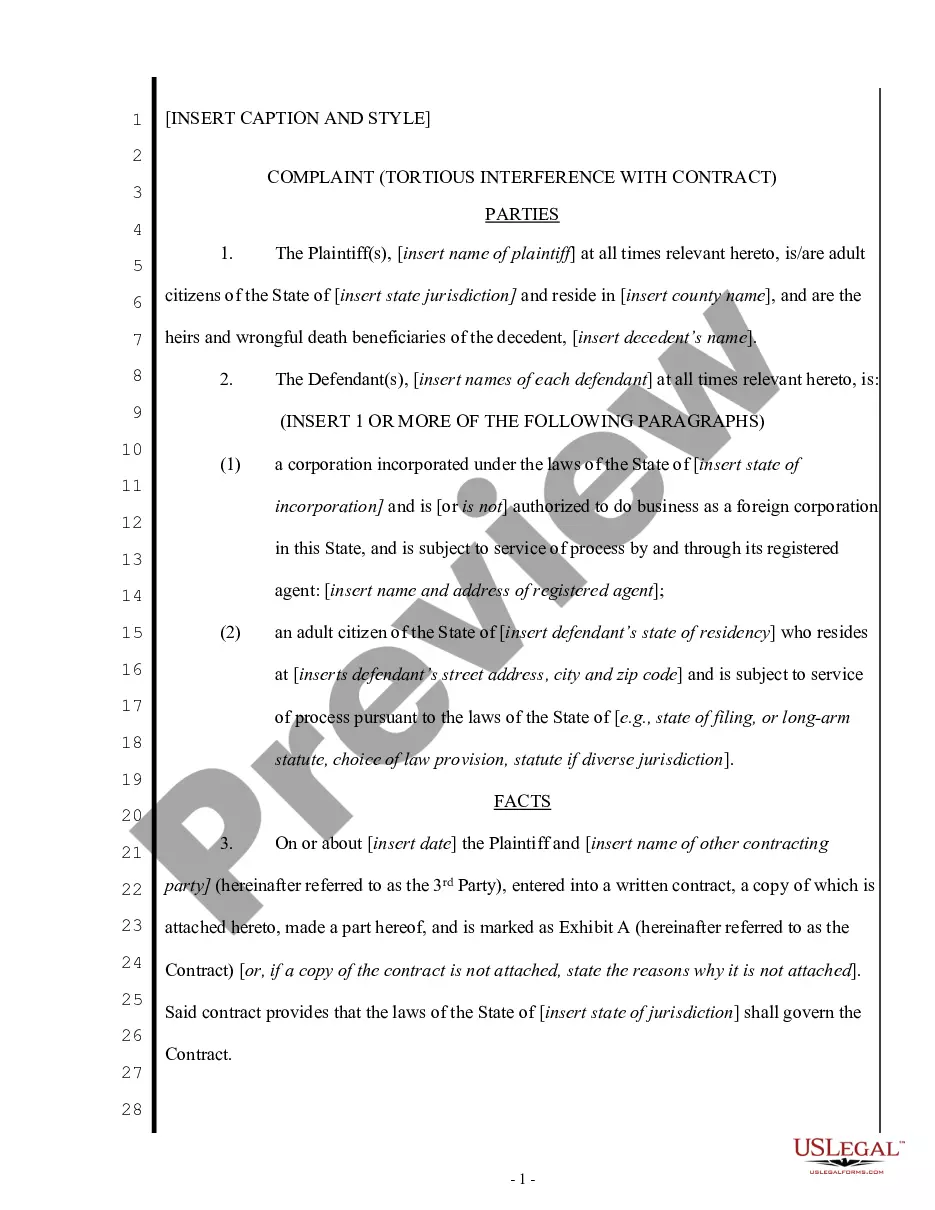
Get your form ready online
Our built-in tools help you complete, sign, share, and store your documents in one place.
Make edits, fill in missing information, and update formatting in US Legal Forms—just like you would in MS Word.
Download a copy, print it, send it by email, or mail it via USPS—whatever works best for your next step.
Sign and collect signatures with our SignNow integration. Send to multiple recipients, set reminders, and more. Go Premium to unlock E-Sign.
If this form requires notarization, complete it online through a secure video call—no need to meet a notary in person or wait for an appointment.
We protect your documents and personal data by following strict security and privacy standards.

Make edits, fill in missing information, and update formatting in US Legal Forms—just like you would in MS Word.

Download a copy, print it, send it by email, or mail it via USPS—whatever works best for your next step.

Sign and collect signatures with our SignNow integration. Send to multiple recipients, set reminders, and more. Go Premium to unlock E-Sign.

If this form requires notarization, complete it online through a secure video call—no need to meet a notary in person or wait for an appointment.

We protect your documents and personal data by following strict security and privacy standards.
Looking for another form?
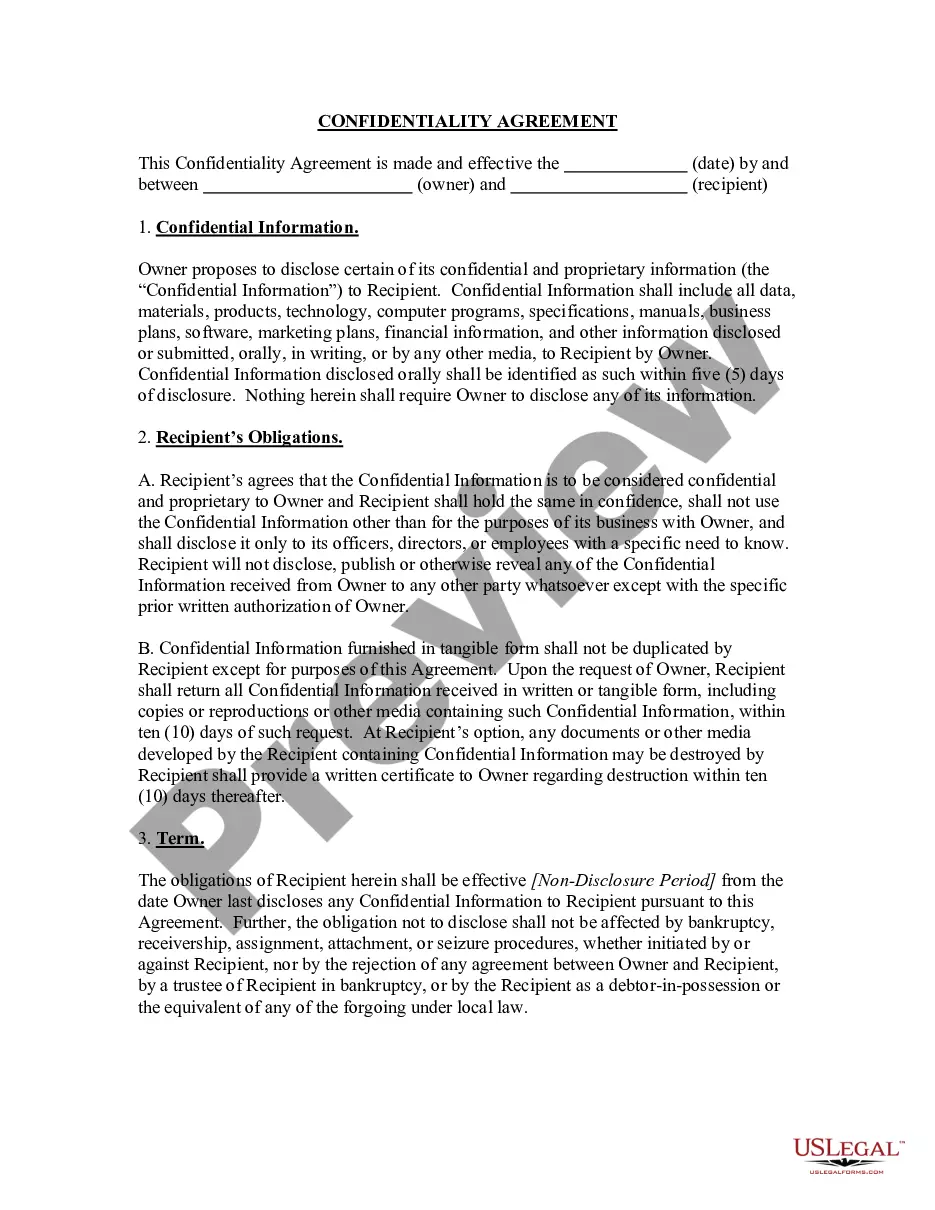
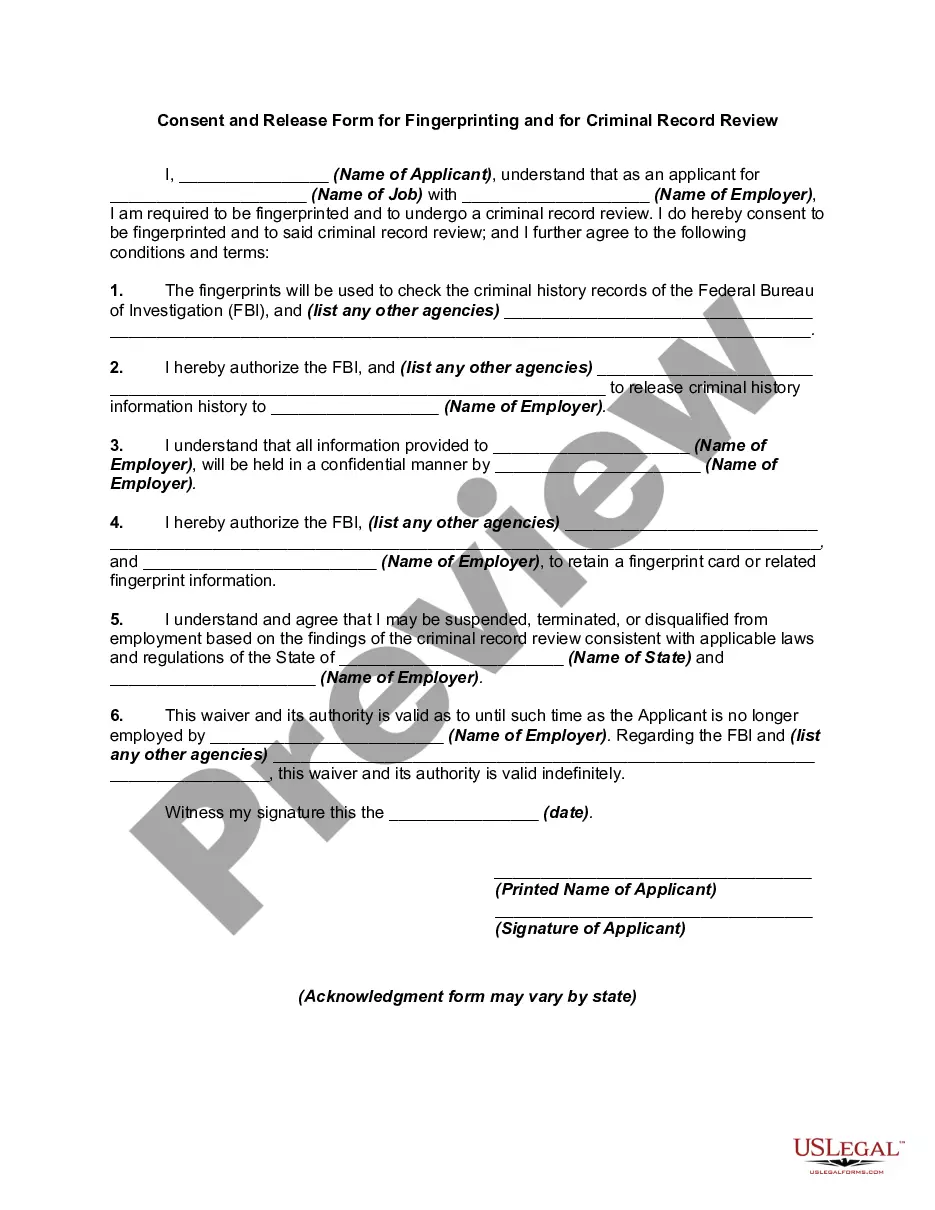

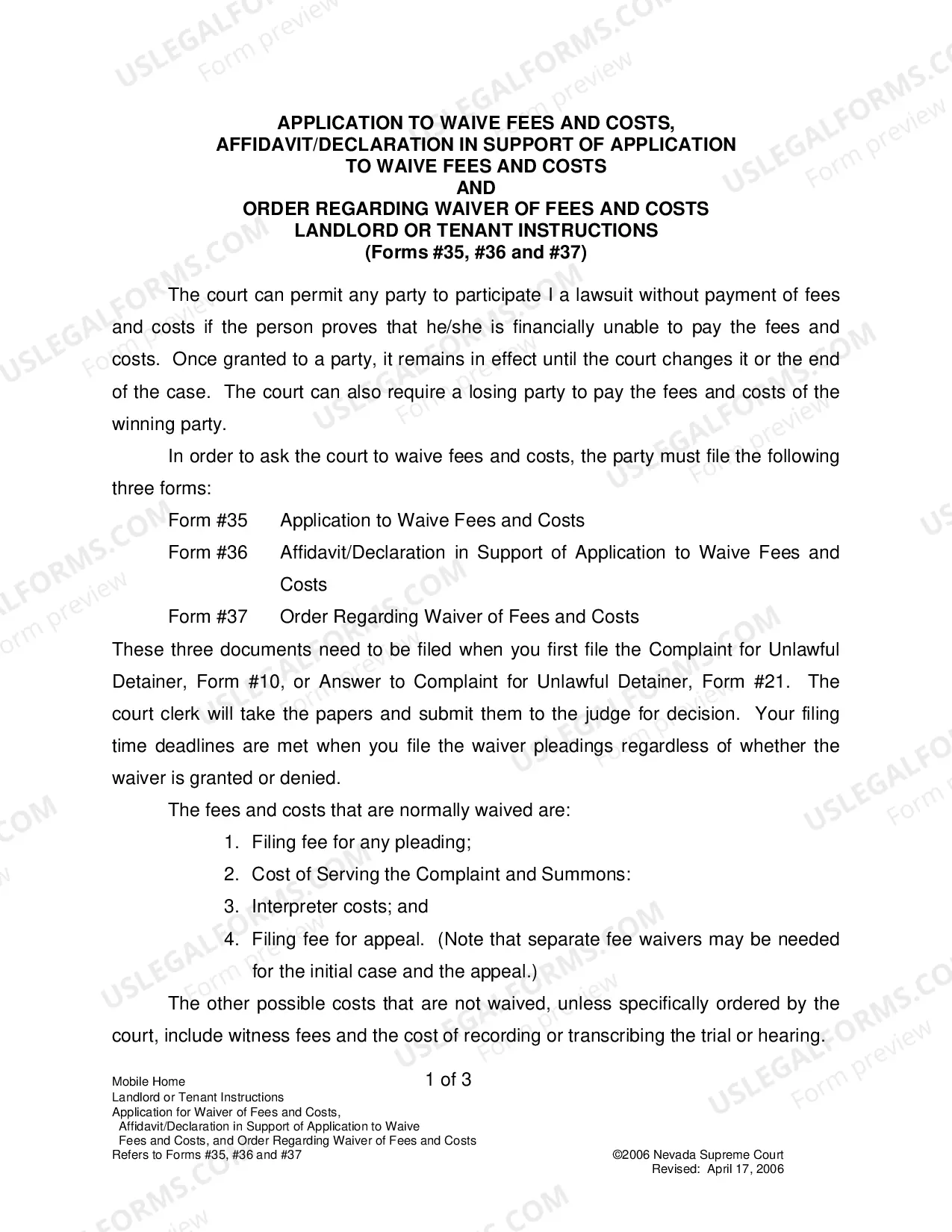
Form popularity
FAQ
Except when created by court appointment, the attorney-client relationship may be found to exist based on the intent and conduct of the parties and the reasonable expectations of the potential client.
While an attorney licensed to practice law in one state can potentially represent clients in another state on a temporary or limited basis, there are clear benefits to working with an attorney licensed to practice in the state where you're filing your lawsuit.
Most states have some form of reciprocity where they will allow lawyers admitted in a reciprocal state to gain admission on application—no exam required. The states offering reciprocity typically have some experience requirements.
In most cases, your attorney must be admitted to the bar in the state with jurisdiction. Most states have a process for an out of state attorney to be admitted to represent a client for one case only. The Latin phrase “pro hac vice” or “for this occasion only” describes this process.
Not really. A California-licensed attorney may be granted temporary permission to practice law in another state for a specific case through pro hac vice admission. Be careful, however, pro hac vice practice has its limitations.
The establishment of the attorney-client relationship involves two elements: a person seeks advice or assistance from an attorney; and the attorney appears to give, agrees to give or gives the advice or assistance.
Yes you can hire a lawyer in any state even if you don't reside there. However, the lawyer where the case is filed has to be licensed in that same state.
Not really. A California-licensed attorney may be granted temporary permission to practice law in another state for a specific case through pro hac vice admission. Be careful, however, pro hac vice practice has its limitations.
(b) Notwithstanding subdivision (a), a paralegal shall not do the following: (1) Provide legal advice. (2) Represent a client in court. (3) Select, explain, draft, or recommend the use of any legal document to or for any person other than the attorney who directs and supervises the paralegal.
They may conduct research, liaise with clients, and perform interviews, among other roles, but they cannot represent clients or offer them legal advice.