Attorney Client Privilege For A Corporation In Michigan
Description


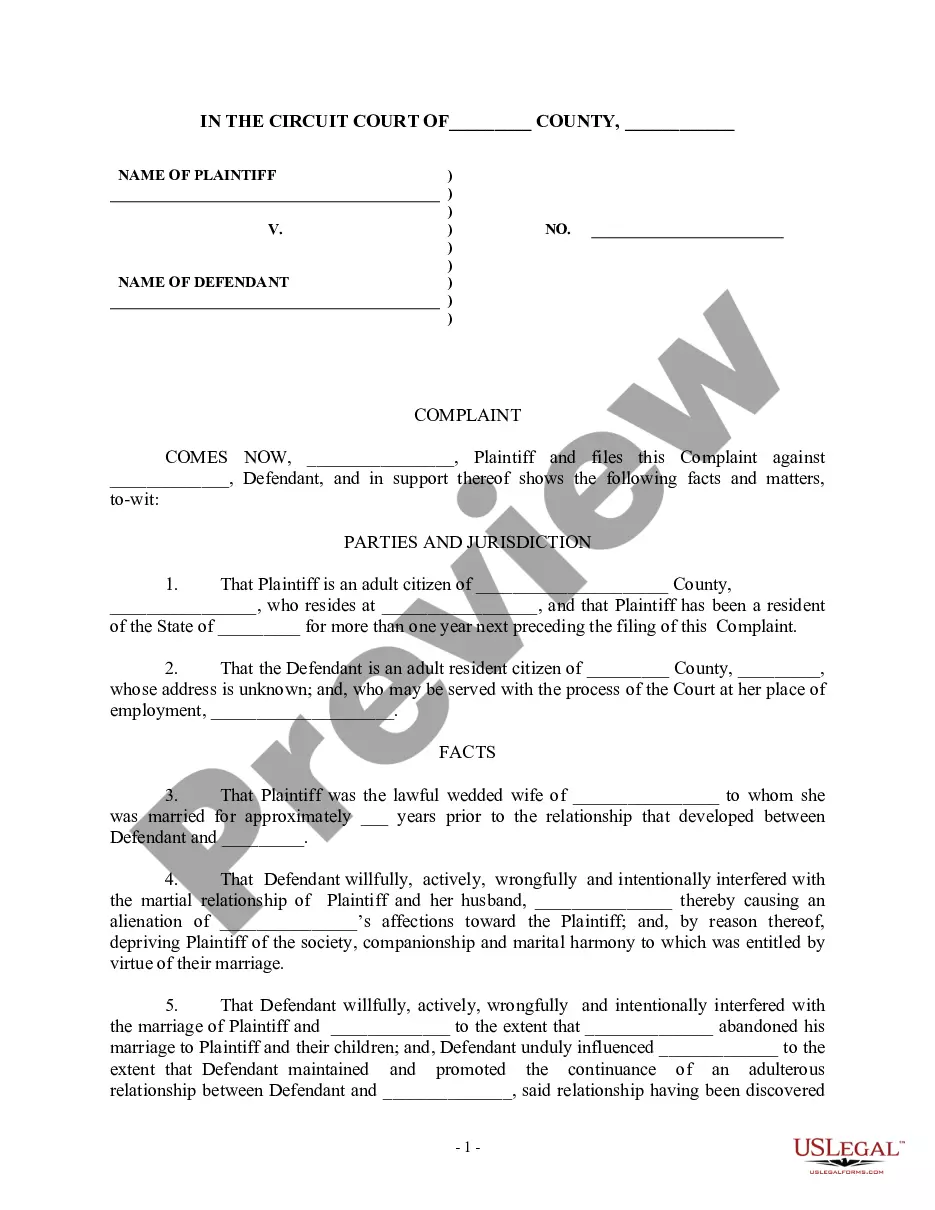

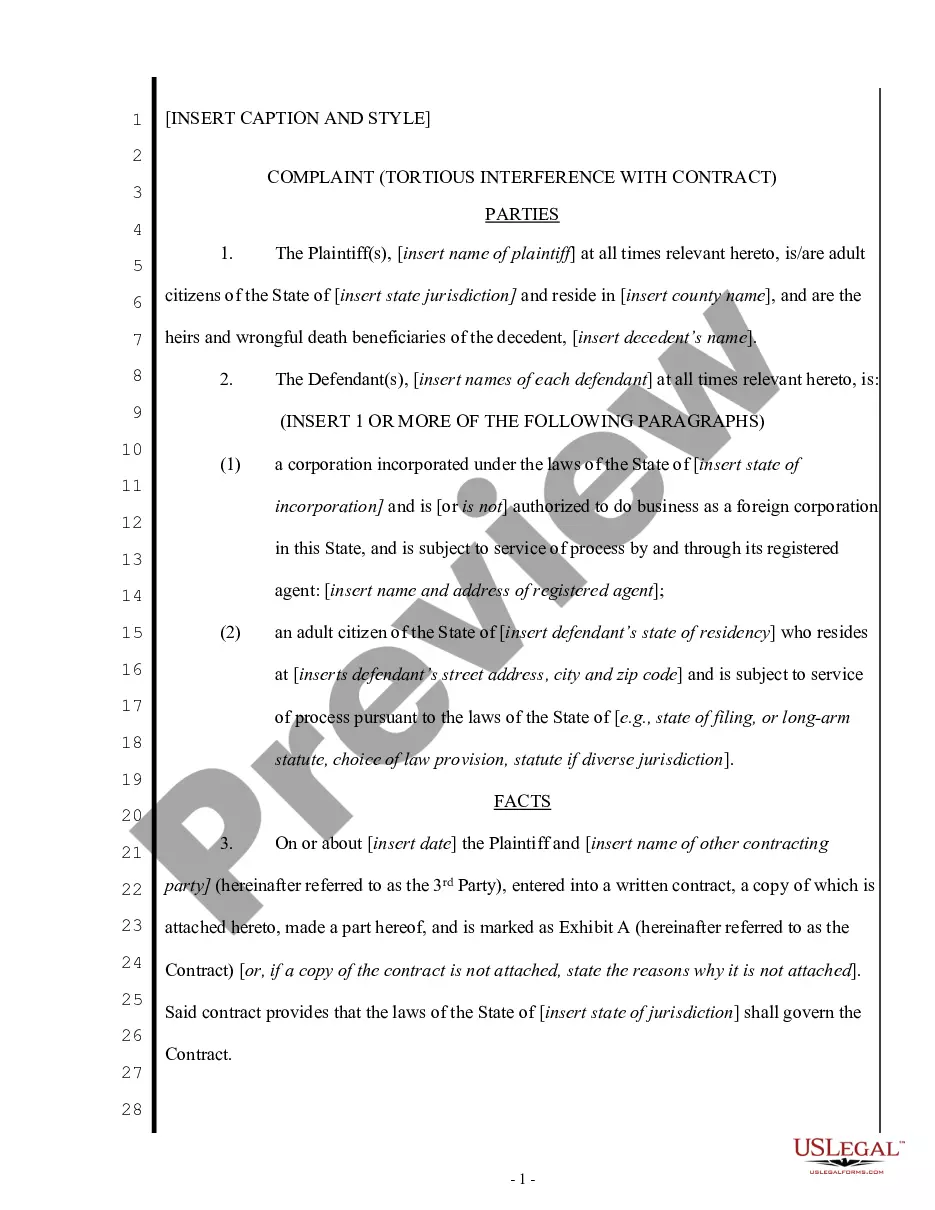
Get your form ready online
Our built-in tools help you complete, sign, share, and store your documents in one place.
Make edits, fill in missing information, and update formatting in US Legal Forms—just like you would in MS Word.
Download a copy, print it, send it by email, or mail it via USPS—whatever works best for your next step.
Sign and collect signatures with our SignNow integration. Send to multiple recipients, set reminders, and more. Go Premium to unlock E-Sign.
If this form requires notarization, complete it online through a secure video call—no need to meet a notary in person or wait for an appointment.
We protect your documents and personal data by following strict security and privacy standards.

Make edits, fill in missing information, and update formatting in US Legal Forms—just like you would in MS Word.

Download a copy, print it, send it by email, or mail it via USPS—whatever works best for your next step.

Sign and collect signatures with our SignNow integration. Send to multiple recipients, set reminders, and more. Go Premium to unlock E-Sign.

If this form requires notarization, complete it online through a secure video call—no need to meet a notary in person or wait for an appointment.

We protect your documents and personal data by following strict security and privacy standards.
Looking for another form?







Form popularity
FAQ
Crime or Fraud Exception. If a client seeks advice from an attorney to assist with the furtherance of a crime or fraud or the post-commission concealment of the crime or fraud, then the communication is not privileged.
To be safe put "Attorney-Client Communication", "Privileged and Confidential" or "Attorney Work Product" in the subject of the e-mail, or on privileged documents.
The federal attorney-client privilege in a corporate setting protects communications among employees and corporate counsel in order to obtain information not otherwise available to upper management, where the employee is communicating with an attorney at the direction of a superior in order to secure legal advice for ...
The term "privilege" includes any work-product privilege, attorney-client privilege, governmental privilege, or other privilege recognized under Federal, State, or foreign law.
"The power to waive the corporate attorney-client privilege rests with the corporation's management and is normally exercised by its officers and directors." Weintraub, 471 U.S. at 348; see also, ABA/BNA Lawyer's Manual, at 05; United States v.
Privilege is a fundamental legal right. It allows individuals and corporate entities to resist disclosure of confidential and sensitive material.
The elements required to establish the attorney-client privilege are as follows: a communication; made between privileged persons; in confidence; and. for the purpose of seeking, obtaining, or providing legal assistance to the client.
As to protection of client interests, Rule 3.7 is essentially an application of the conflict of interest principle. If the lawyer (or a member of the lawyer's firm) must give testimony that is either adverse or ambivalent with respect to the client's cause, the case may be damaged.