Lawyer With Client In Massachusetts
Description





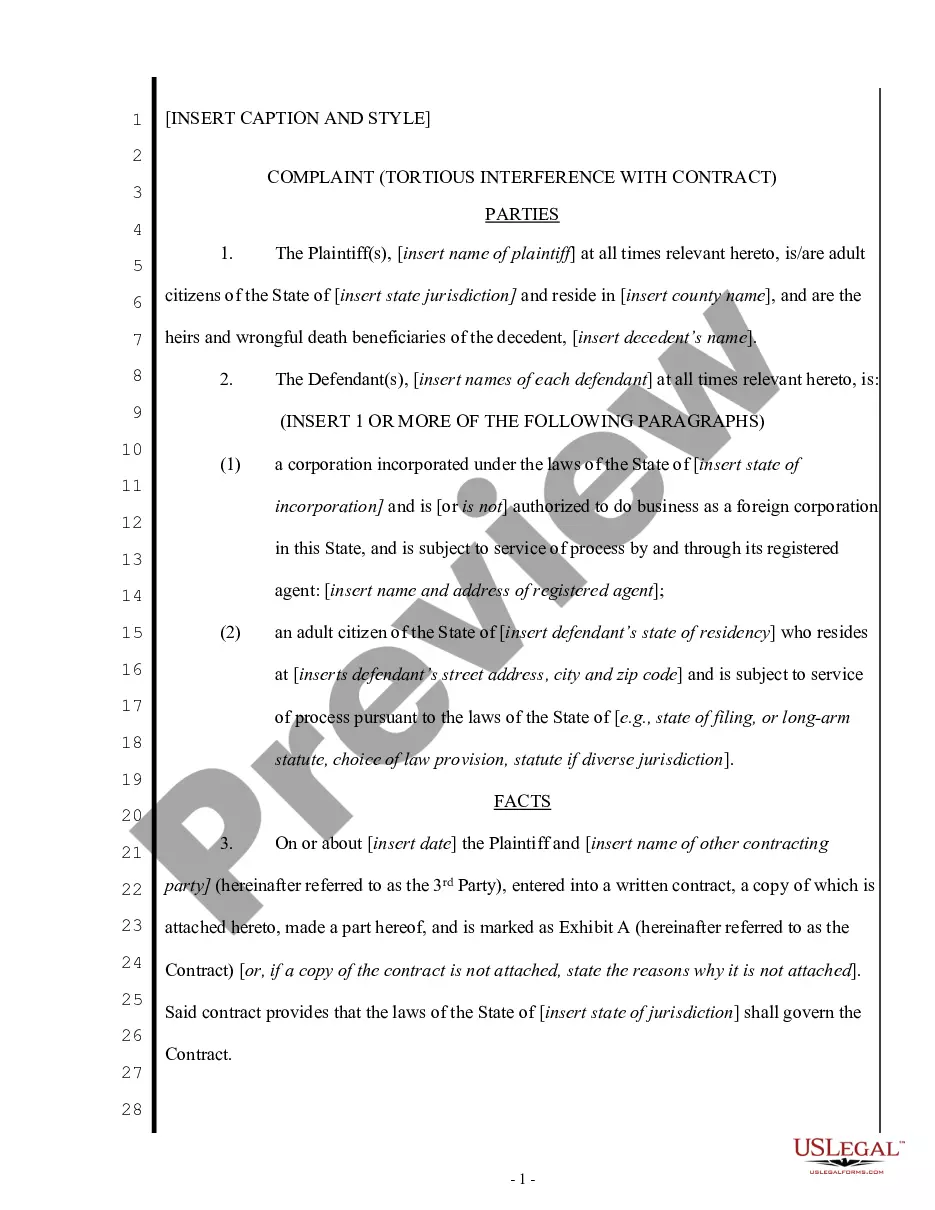
Get your form ready online
Our built-in tools help you complete, sign, share, and store your documents in one place.
Make edits, fill in missing information, and update formatting in US Legal Forms—just like you would in MS Word.
Download a copy, print it, send it by email, or mail it via USPS—whatever works best for your next step.
Sign and collect signatures with our SignNow integration. Send to multiple recipients, set reminders, and more. Go Premium to unlock E-Sign.
If this form requires notarization, complete it online through a secure video call—no need to meet a notary in person or wait for an appointment.
We protect your documents and personal data by following strict security and privacy standards.

Make edits, fill in missing information, and update formatting in US Legal Forms—just like you would in MS Word.

Download a copy, print it, send it by email, or mail it via USPS—whatever works best for your next step.

Sign and collect signatures with our SignNow integration. Send to multiple recipients, set reminders, and more. Go Premium to unlock E-Sign.

If this form requires notarization, complete it online through a secure video call—no need to meet a notary in person or wait for an appointment.

We protect your documents and personal data by following strict security and privacy standards.
Looking for another form?









Form popularity
FAQ
Client may request the file at any time during, upon conclusion of, or after conclusion of, this matter. Six years after the conclusion of this matter, the file may be destroyed without further notice to Client. Massachusetts lawyers in most circumstances are already required by Mass. R.
Some attorneys and law practices are willing to file lawsuits to recover unpaid attorney fees and unreimbursed out-of-pocket expenses. Others, however, may have adopted a “never sue a client” policy.
Typically, the file is expected to contain copies of correspondence or pleadings. It can become complicated, though, when deciding what to do with attorney-generated documents like memos, internal correspondence or notes.
For how long must records be kept Broadly, records of a particular transaction, either as an occasional transaction or within a business relationship, must be kept for five years after the date the transaction is completed.
In most jurisdictions, ethical rules explicitly prohibit lawyers from engaging in sexual relationships with clients. This prohibition is based on several key reasons: Conflict of Interest: A romantic or sexual relationship can create a significant conflict of interest.
If a document is created for the client's benefit, it likely belongs to the client; and if the document is created for the lawyer's benefit, it likely belongs to the lawyer.
This is consistent with a California Rule of Professional Conduct which requires an attorney to maintain all records of client funds and other properties that the client provided to the attorney for at least five years.
(c) Except for materials governed by paragraphs (d), (e) and (f), a lawyer shall take reasonable measures to retain a client's file in a matter until at least six years have elapsed after completion of the matter or termination of the representation in the matter unless (i) the lawyer has transferred the file or items ...
Professional Ethics: Most legal ethical codes strongly discourage or outright prohibit lawyers from engaging in romantic relationships with clients during representation. This is to maintain professional boundaries and ensure that the lawyer-client relationship is based solely on the client's legal needs.
This contract is essential to ensure a clear and fair professional relationship between both parties. Its main purpose is to define the services that the lawyer will provide, as well as the client's rights and responsibilities.