Attorney Letter To Client Withdrawal In Houston
Description

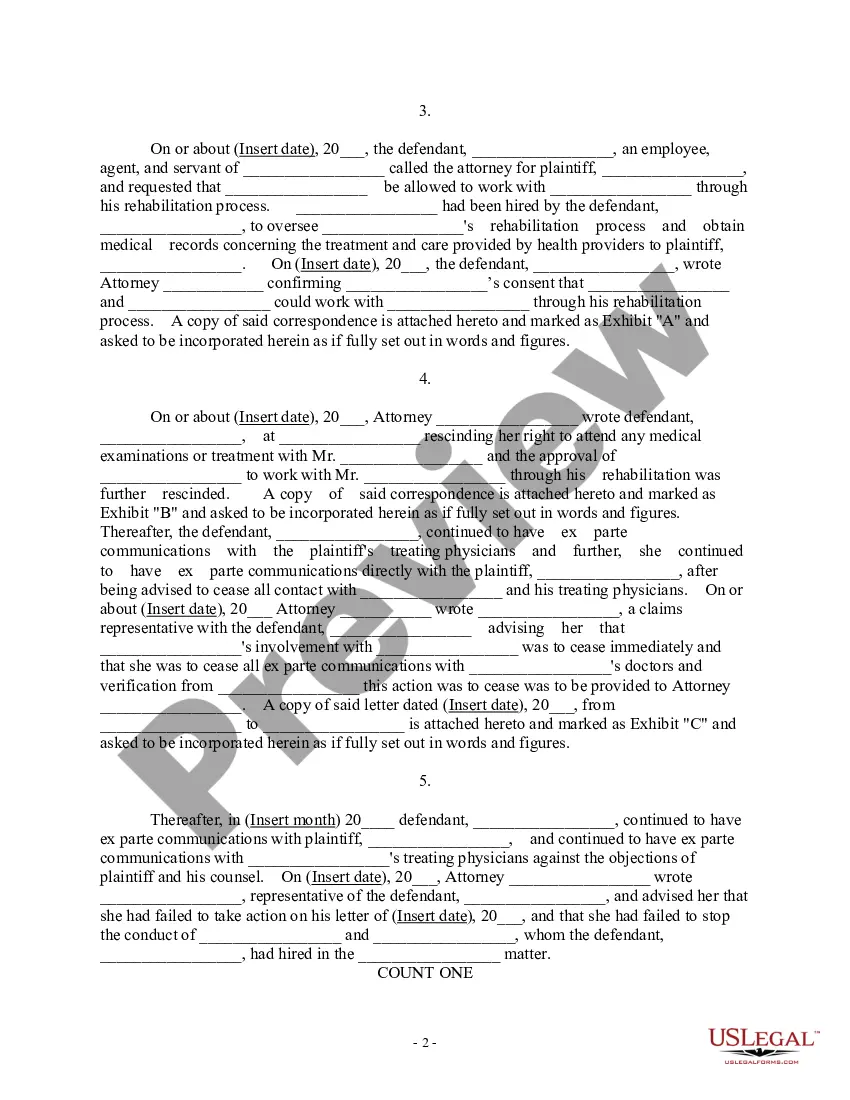
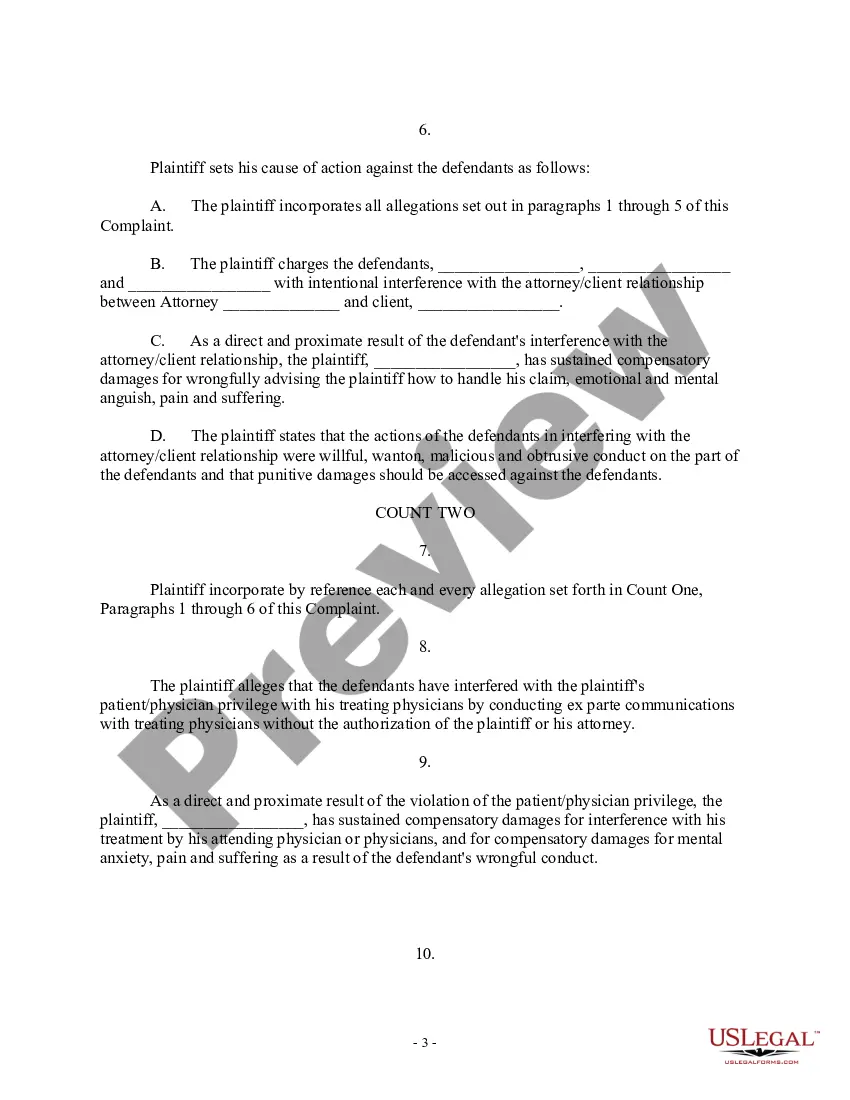
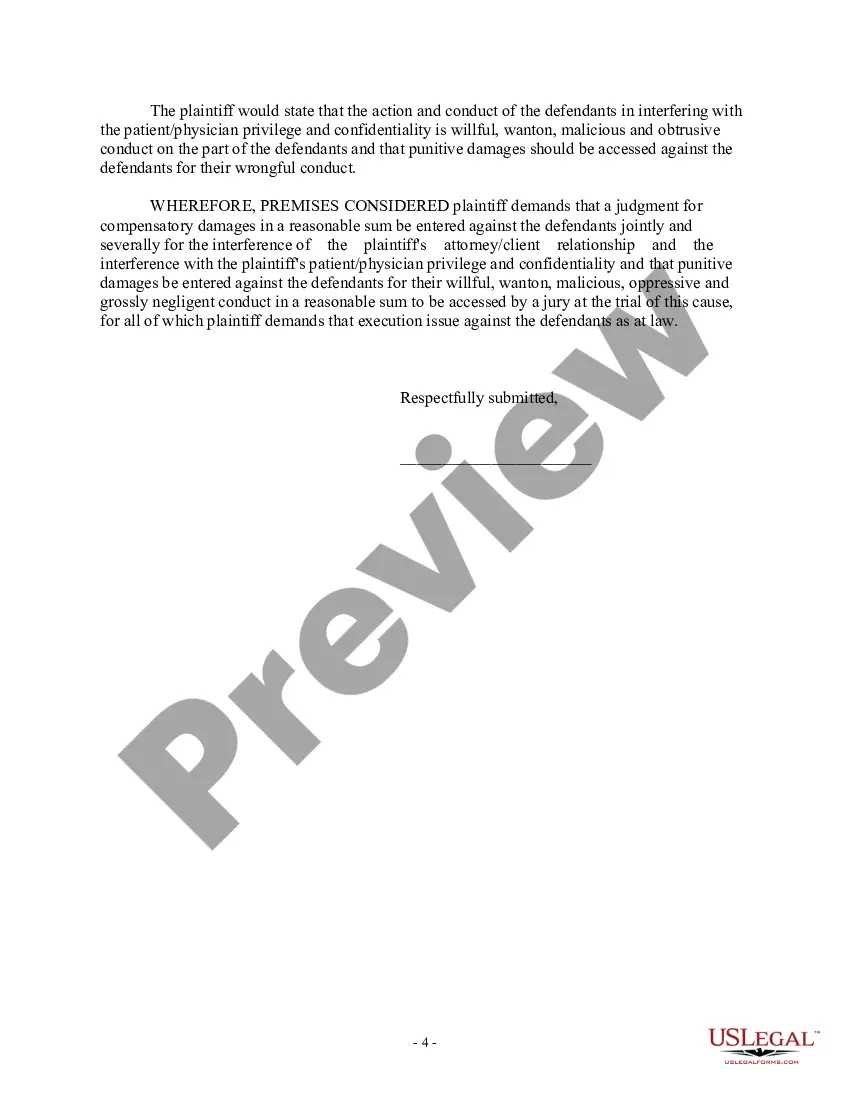




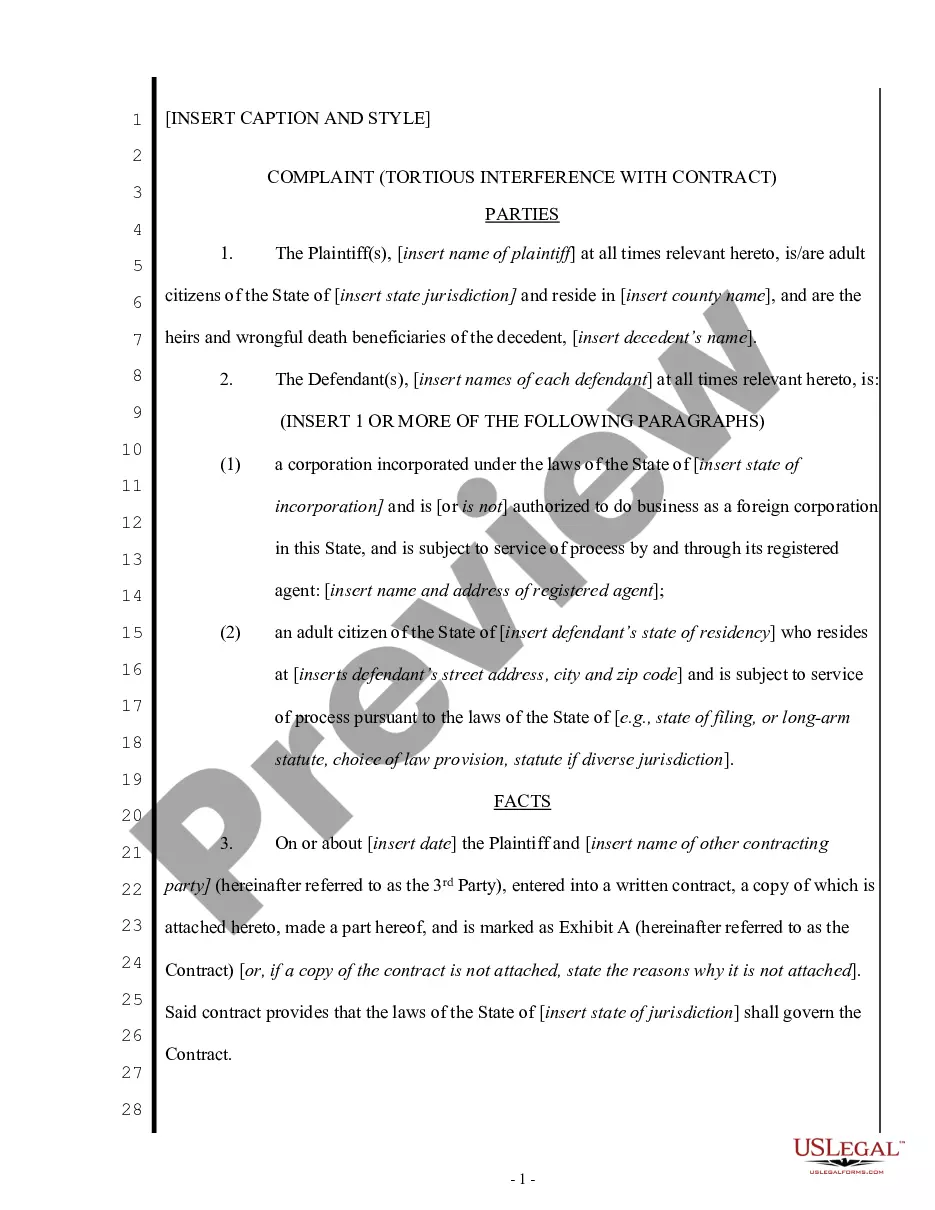
Get your form ready online
Our built-in tools help you complete, sign, share, and store your documents in one place.
Make edits, fill in missing information, and update formatting in US Legal Forms—just like you would in MS Word.
Download a copy, print it, send it by email, or mail it via USPS—whatever works best for your next step.
Sign and collect signatures with our SignNow integration. Send to multiple recipients, set reminders, and more. Go Premium to unlock E-Sign.
If this form requires notarization, complete it online through a secure video call—no need to meet a notary in person or wait for an appointment.
We protect your documents and personal data by following strict security and privacy standards.

Make edits, fill in missing information, and update formatting in US Legal Forms—just like you would in MS Word.

Download a copy, print it, send it by email, or mail it via USPS—whatever works best for your next step.

Sign and collect signatures with our SignNow integration. Send to multiple recipients, set reminders, and more. Go Premium to unlock E-Sign.

If this form requires notarization, complete it online through a secure video call—no need to meet a notary in person or wait for an appointment.

We protect your documents and personal data by following strict security and privacy standards.
Looking for another form?




Form popularity
FAQ
A lawyer is not required to discontinue the representation until the lawyer knows the conduct will be illegal or in violation of these rules, at which point the lawyer's withdrawal is mandated by paragraph (a)(1). Withdrawal is also permitted if the lawyer's services were misused in the past.
Even if the matter is not pending before a tribunal, the ethics rules of most states provide that a lawyer cannot withdraw until he or she has taken reasonable steps to avoid foreseeable prejudice to the rights of his client, such as giving notice to the client, allowing time for employment of other counsel, delivering ...
Rule 10. Withdrawal of Attorney (2025) An attorney may withdraw from representing a party only upon written motion for good cause shown.
The privilege belongs to the client. Unless an exception applies, the client may refuse to disclose the information in a court proceeding and may prevent the lawyer from doing so. Exceptions include communications relating to the death of a client or disputes between the lawyer and client, among others.
A lawyer may withdraw if the client refuses, after being duly warned, to abide by the terms of an agreement relating to the representation, such as an agreement concerning fees or court costs or an agreement limiting the objectives of the representation.
Firing Your Lawyer You can fire your attorney at any time. No specific reason has to be given. ing to Rule 1.15 of the Texas Disciplinary Rules of Professional Conduct, an attorney who was discharged must withdraw from the case. The withdrawal process is governed by Rule 10 of the Texas Rules of Civil Procedure.
The lawyer should send a disengagement letter to establish that the relationship is no longer continuing, and to refer the client to another lawyer. In the disengagement letter, the lawyer should warn the client of applicable time limitations, deadlines, and uncompleted investigation or casework.
Rule 11 agreements in Texas are legally binding contracts used to formalize agreements in family law cases. Governed by Rule 11 of the Texas Rules of Civil Procedure, these agreements must be in writing, signed by all parties, and filed with the court.