Complaint Injunction Form With Court
Description

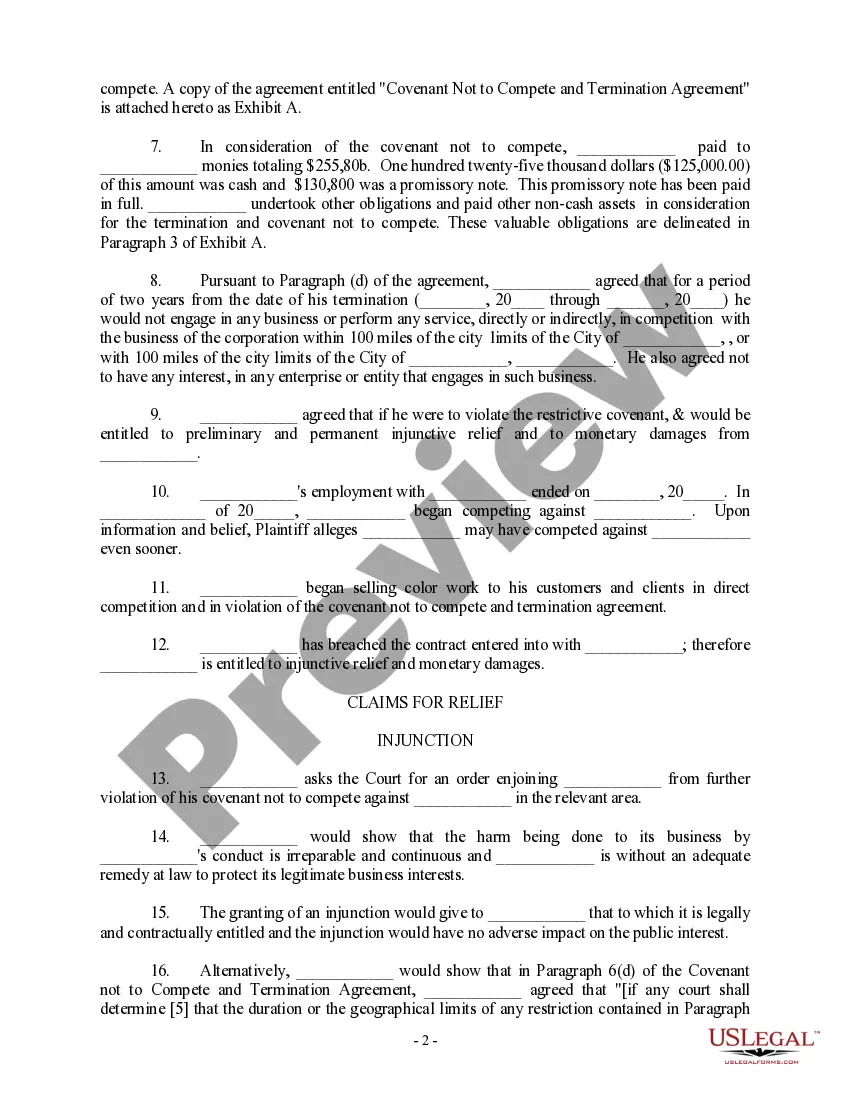
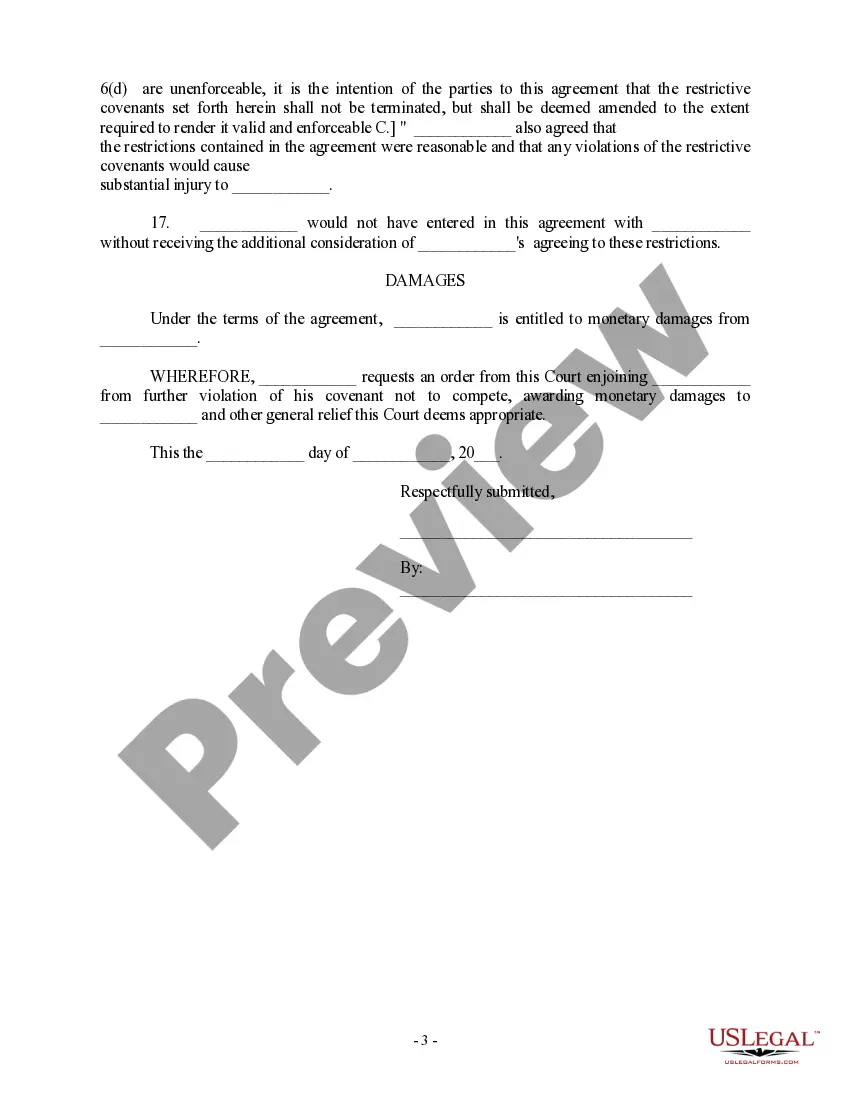
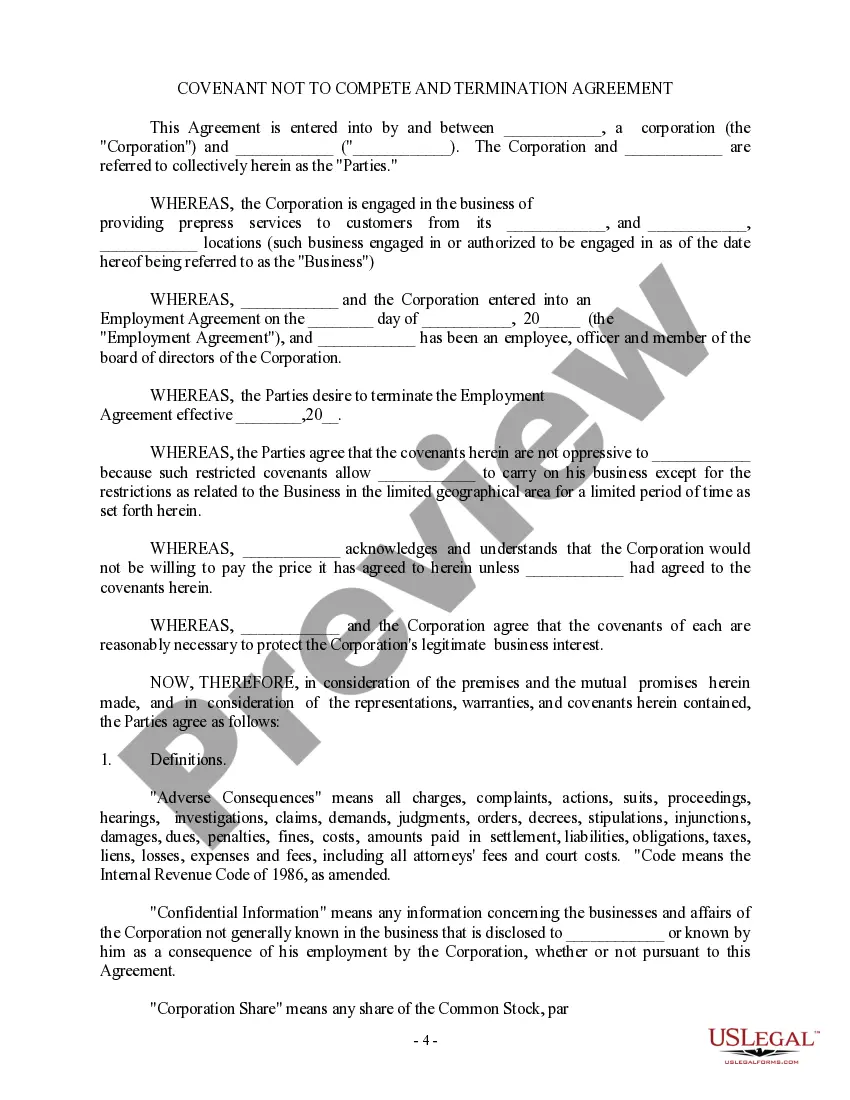
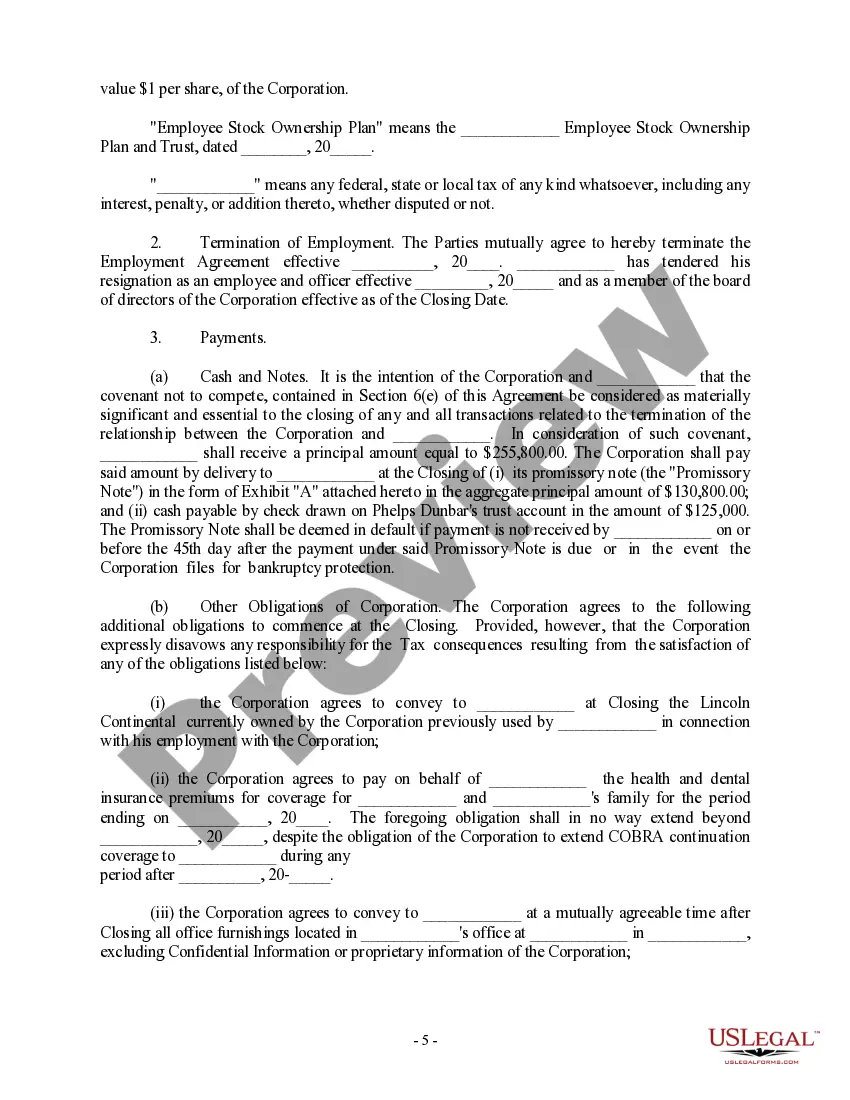
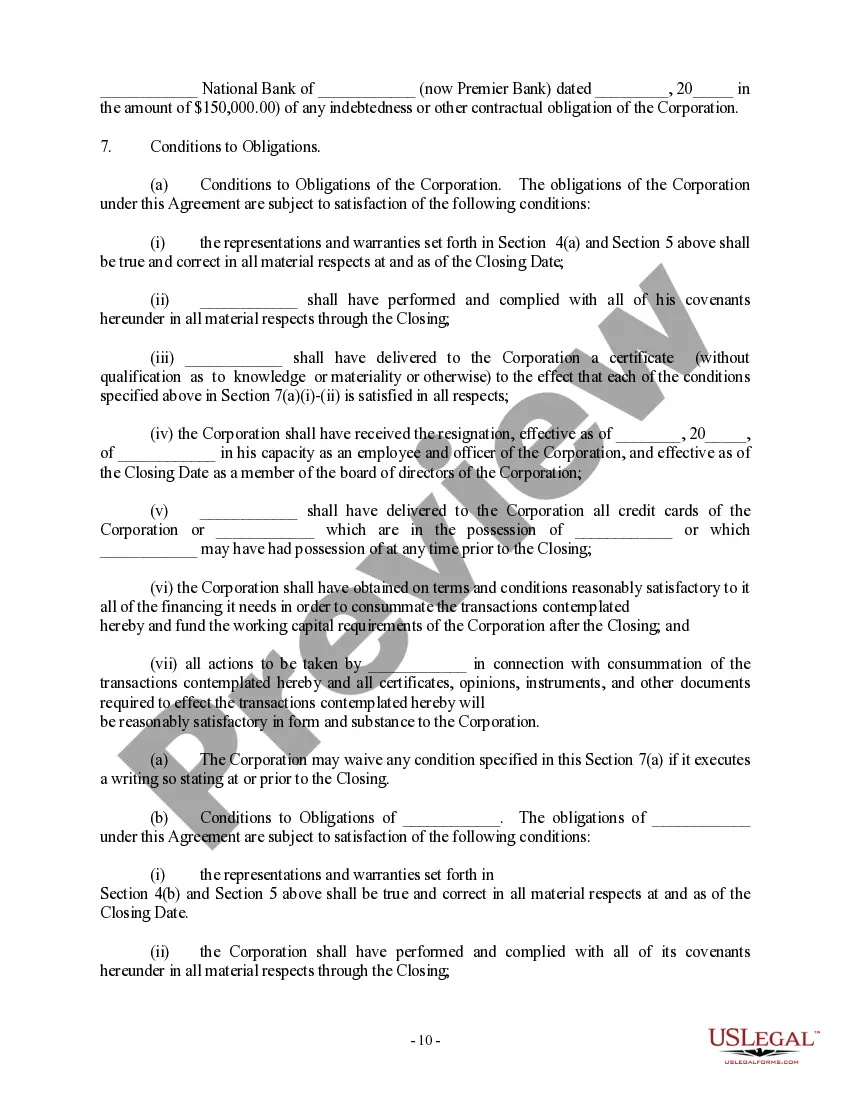



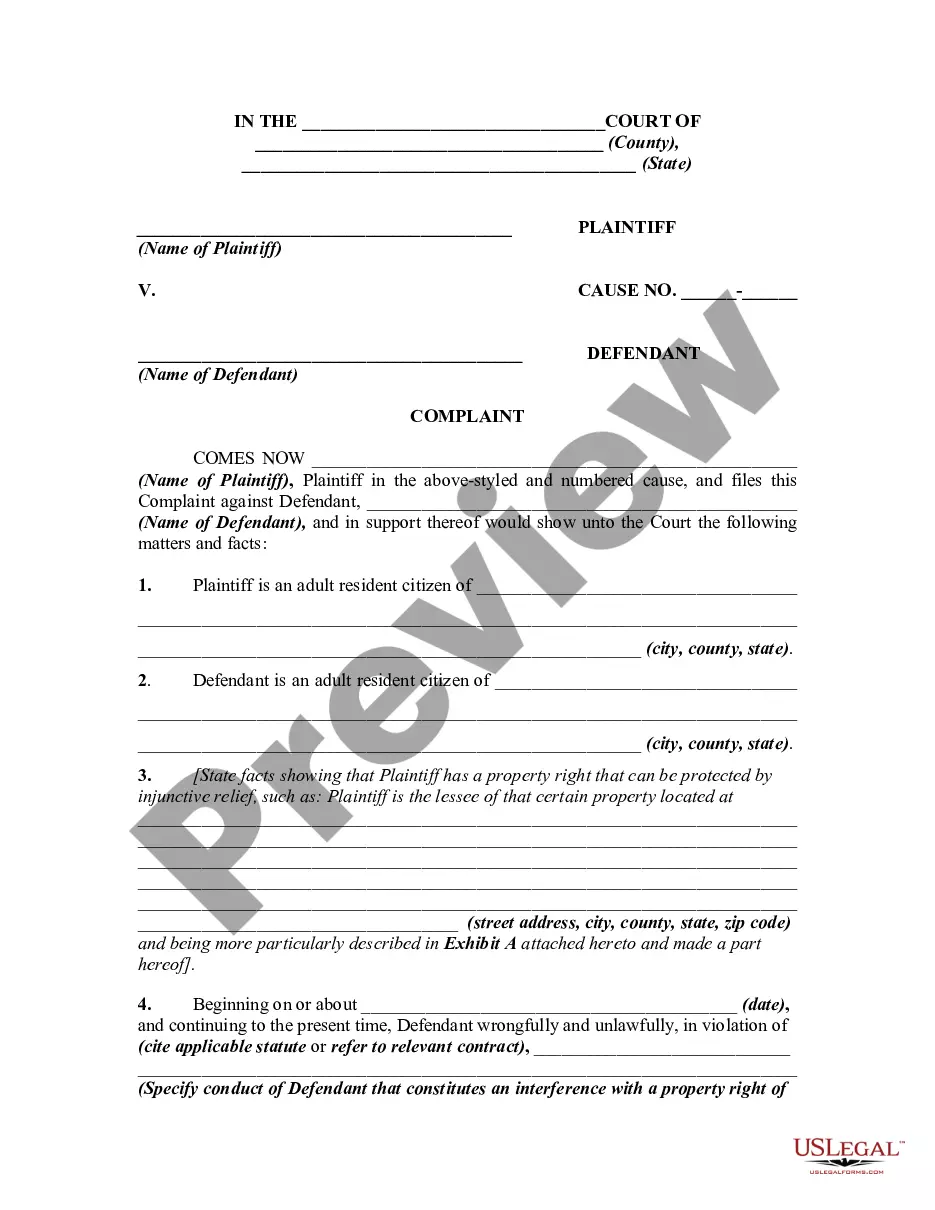
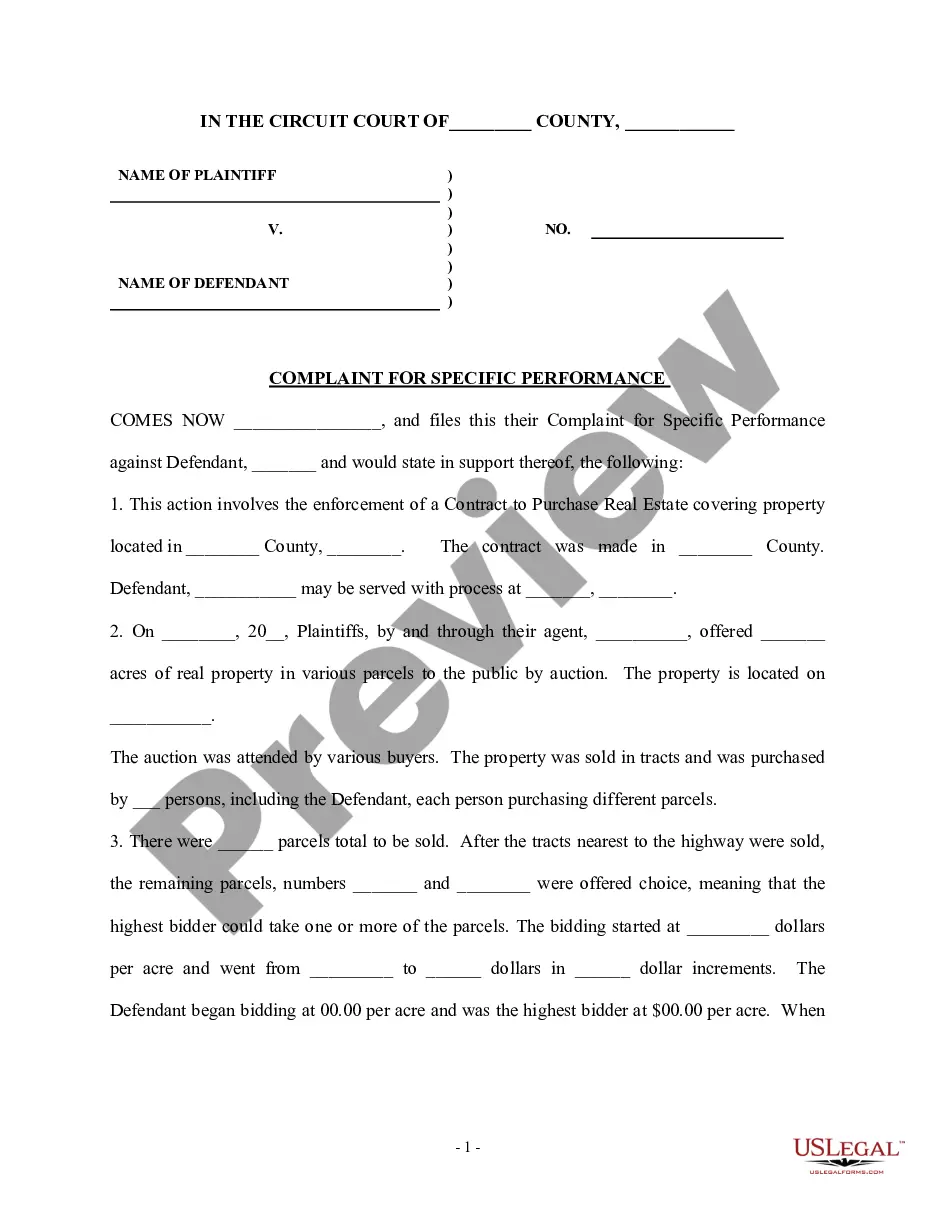
Get your form ready online
Our built-in tools help you complete, sign, share, and store your documents in one place.
Make edits, fill in missing information, and update formatting in US Legal Forms—just like you would in MS Word.
Download a copy, print it, send it by email, or mail it via USPS—whatever works best for your next step.
Sign and collect signatures with our SignNow integration. Send to multiple recipients, set reminders, and more. Go Premium to unlock E-Sign.
If this form requires notarization, complete it online through a secure video call—no need to meet a notary in person or wait for an appointment.
We protect your documents and personal data by following strict security and privacy standards.

Make edits, fill in missing information, and update formatting in US Legal Forms—just like you would in MS Word.

Download a copy, print it, send it by email, or mail it via USPS—whatever works best for your next step.

Sign and collect signatures with our SignNow integration. Send to multiple recipients, set reminders, and more. Go Premium to unlock E-Sign.

If this form requires notarization, complete it online through a secure video call—no need to meet a notary in person or wait for an appointment.

We protect your documents and personal data by following strict security and privacy standards.
Looking for another form?

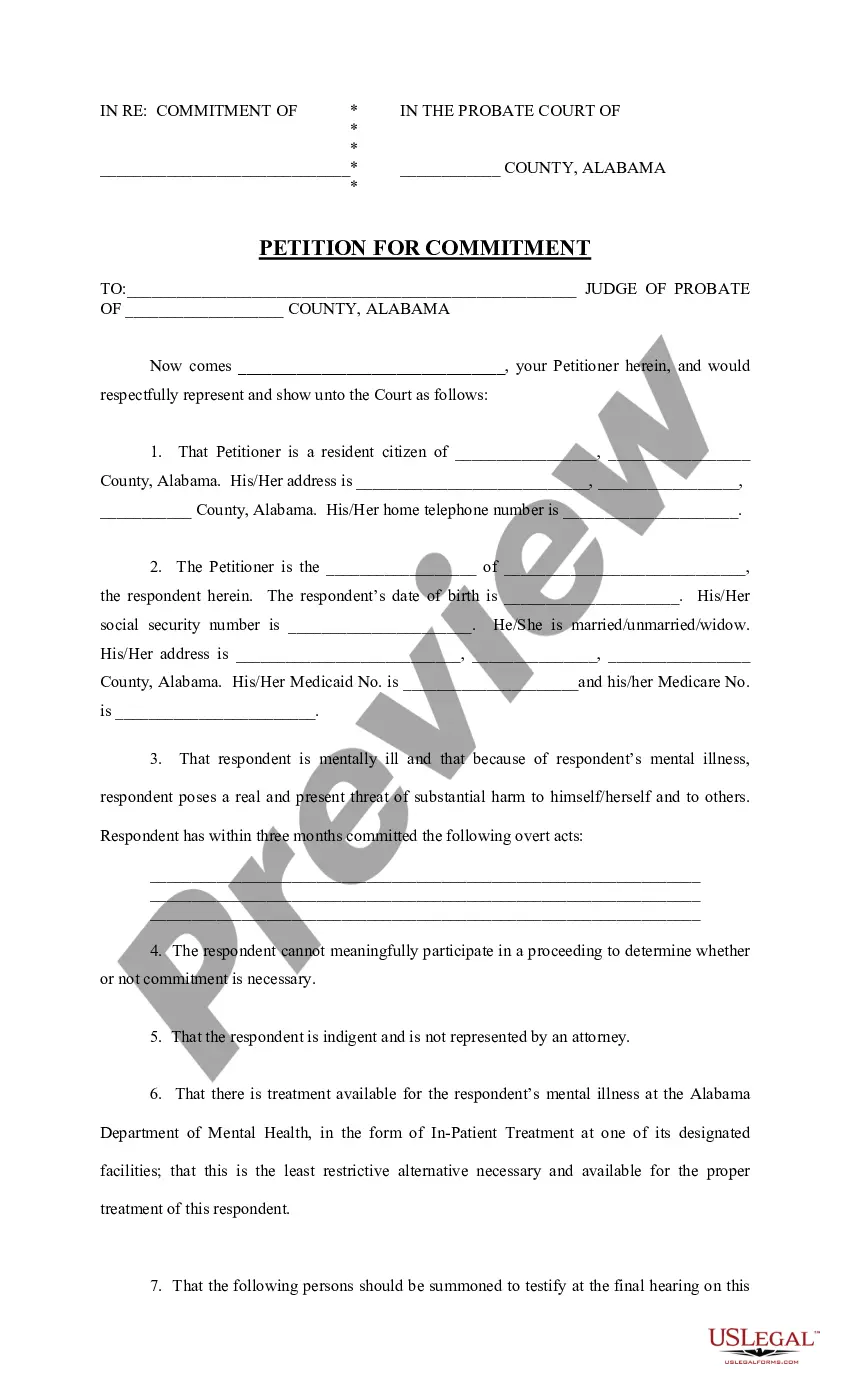
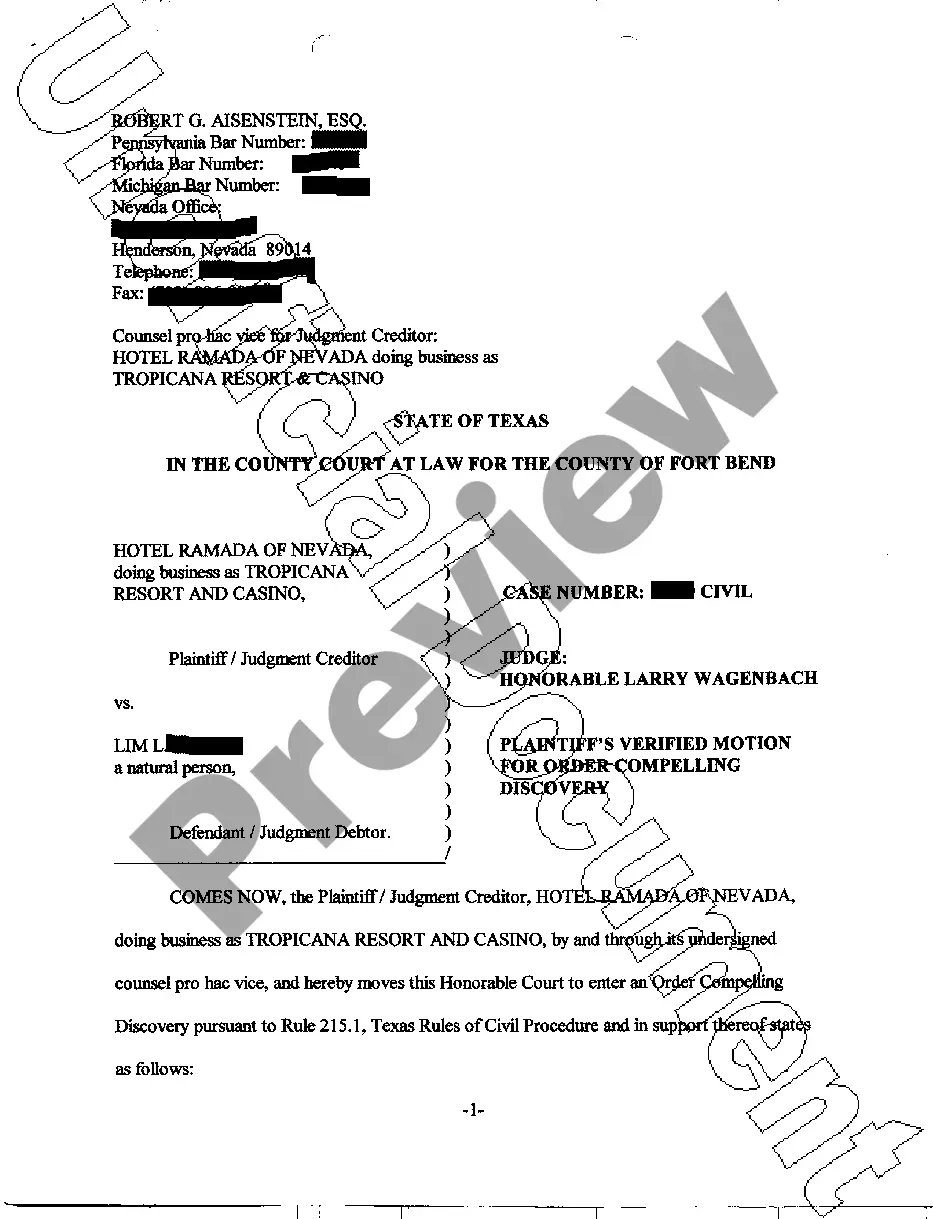
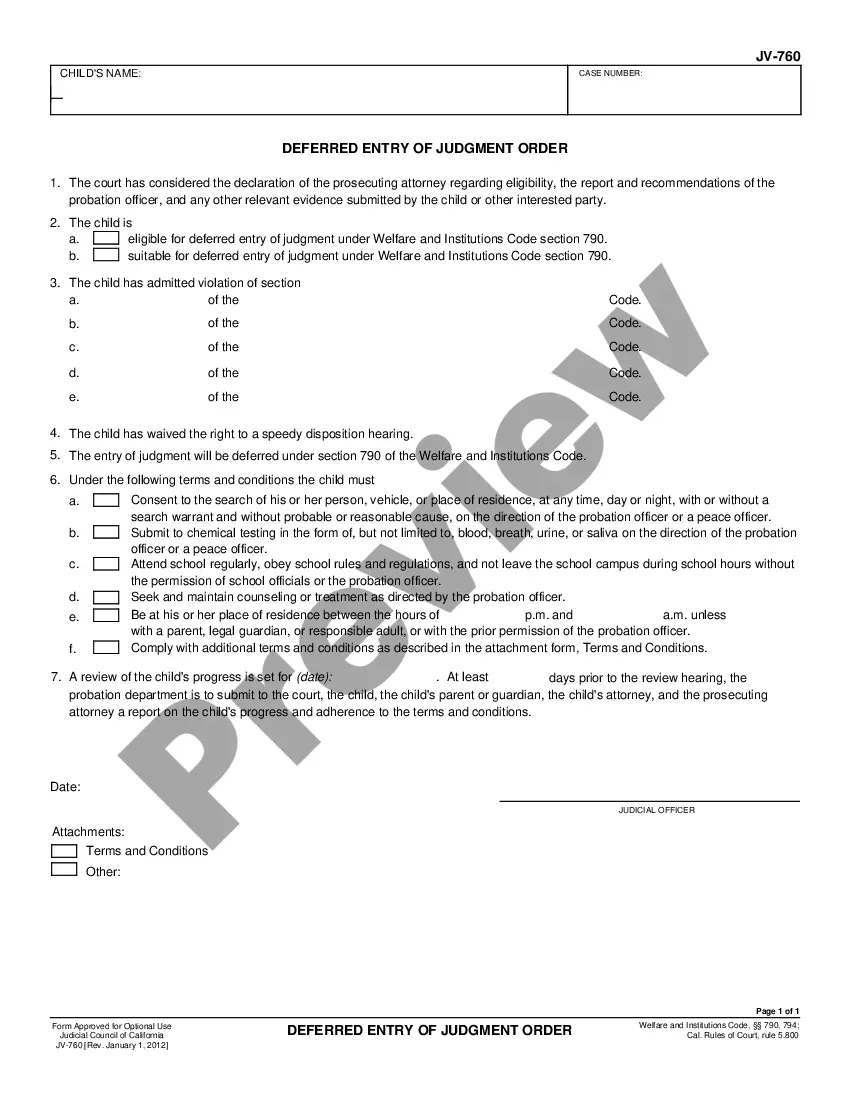

How to fill out Complaint For Injunction - Covenant Not To Compete?
Legal paperwork organization can be daunting, even for skilled professionals.
When you are looking for a Complaint Injunction Form With Court and do not possess the time to dedicate to finding the correct and up-to-date version, the procedures can be challenging.
US Legal Forms meets any requirements you might encounter, ranging from personal to business paperwork, all in one location.
Utilize advanced tools to fill out and manage your Complaint Injunction Form With Court.
Here are the steps to follow once you've accessed the form you require: Validate that this is the correct document by previewing it and reviewing its details.
- Gain entry to a valuable resource library of articles, guides, and materials relevant to your situation and requirements.
- Save time and effort searching for the documents you need, and use US Legal Forms’ sophisticated search and Preview feature to find the Complaint Injunction Form With Court and download it.
- If you have a subscription, Log In to your US Legal Forms account, locate the form, and download it.
- Check the My documents tab to view the documents you've previously saved and to organize your folders as necessary.
- If you're using US Legal Forms for the first time, create an account and receive unlimited access to all the benefits of the platform.
- A comprehensive online form directory could be transformative for anyone who wishes to handle these matters effectively.
- US Legal Forms is a frontrunner in web-based legal documentation, featuring over 85,000 state-specific legal forms accessible to you at any time.
- With US Legal Forms, you have the ability to access state- or county-specific legal and business documents.
Form popularity
FAQ
When completing a Complaint injunction form with court, you must satisfy four key components to justify a preliminary injunction. First, you need to demonstrate a likelihood of success in your underlying case. Secondly, you have to show that you will suffer irreparable harm without the injunction. Third, your request must serve the public interest, and finally, you should prove that the balance of hardships tips in your favor. Utilizing US Legal Forms can help streamline your efforts in ensuring that all necessary components are addressed effectively.
To successfully file a Complaint injunction form with court, you need to present clear evidence demonstrating the necessity for the injunction. This evidence often includes documentation that shows immediate harm or threat, such as photographs, witness statements, or expert testimony. Furthermore, you should establish a strong connection between your request for an injunction and the potential harm you face. Using US Legal Forms can simplify this process by providing templates that guide you in gathering the appropriate evidence.
An injunction is a legal order that requires a person to do or refrain from doing specific actions. For instance, a court may issue a temporary injunction to prevent a company from using a trademark while a dispute is resolved. You can use a Complaint injunction form with court to initiate this process effectively. This form helps you describe the situation clearly, ensuring you communicate your needs to the court.
Writing a statement for a complaint injunction form with court requires clarity in explaining your request and the basis for it. Start by outlining the specific harm you are facing and backing it up with factual evidence or examples. Using a structured approach and possibly accessing UsLegalForms can provide you with templates and examples to create a compelling statement that adheres to legal standards.
To do an injunction, begin by preparing a complaint injunction form with court detailing your situation and reasons for seeking the injunction. Next, gather any evidence or witness statements that support your claims. Following this, you will file the form with the appropriate court and await a decision, making it beneficial to utilize resources like UsLegalForms for guidance.
Imposing an injunction involves filing a complaint injunction form with court and obtaining a court order that legally binds the opposing party. Once the form is properly filed, the court will review your case and may schedule a hearing to assess the merits of your request. Working with a knowledgeable service like UsLegalForms can assist you in preparing your documents and understanding court procedures.
Guidelines for a complaint injunction form with court usually involve understanding the elements needed to justify the injunction, such as the existence of a legal right being violated or threatened. You must also show why monetary damages would be insufficient as a remedy. Consulting resources like UsLegalForms can streamline the process and ensure compliance with legal requirements.
The burden of proof in a complaint injunction form with court typically falls on the party requesting the injunction. You must demonstrate that there is a likelihood of irreparable harm if the injunction is not granted. This could include showing that the opposing party may cause ongoing damage, making it crucial to substantiate your claims with solid evidence.
To file a complaint injunction form with court, you must provide essential information about the parties involved and the specific harm you seek to prevent. You should also present evidence illustrating why the injunction is necessary, including any relevant documentation. Using a platform like UsLegalForms can guide you through the steps and ensure you have all the necessary components.
An example of an injunction in real estate is when a court issues an order to stop a property owner from constructing a new building that violates zoning laws. This injunction prevents the owner from continuing construction until the legal issues are resolved. If you face real estate disputes, filling out a complaint injunction form with court can initiate the process for seeking such legal protection effectively.