Attorney Fund For Client Protection In Cuyahoga
Description

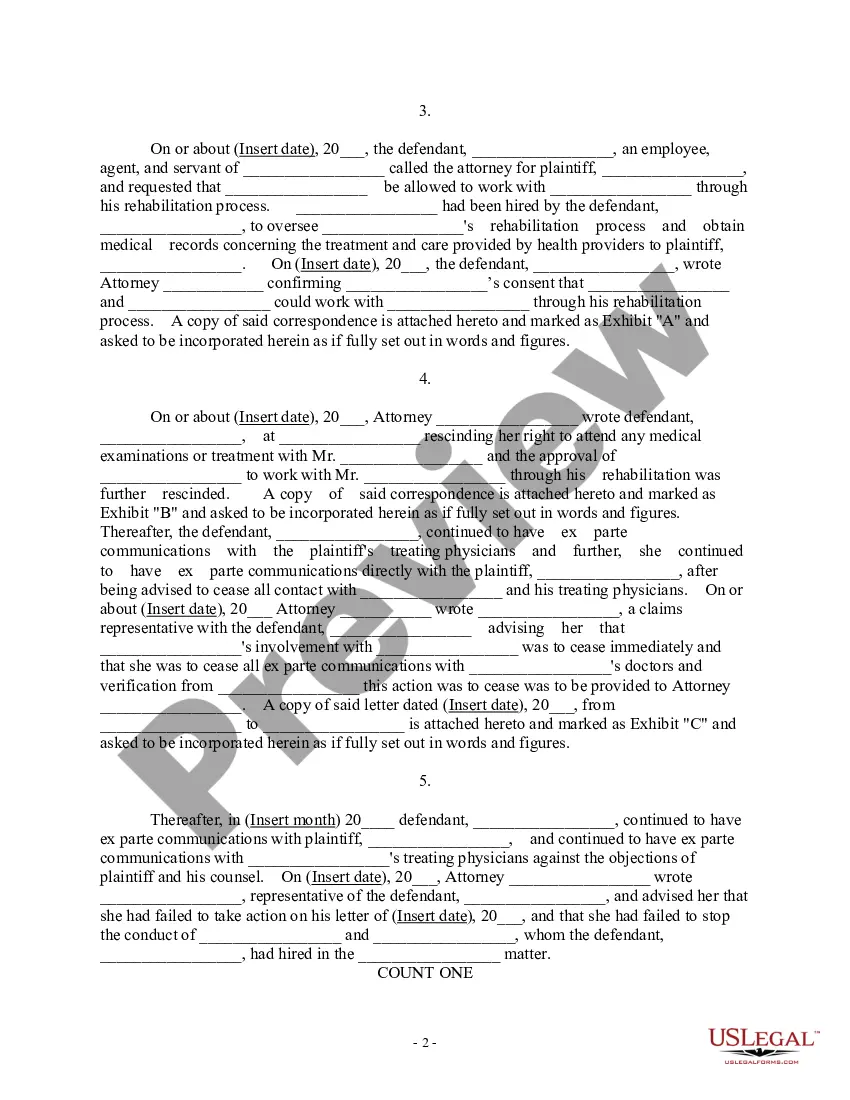
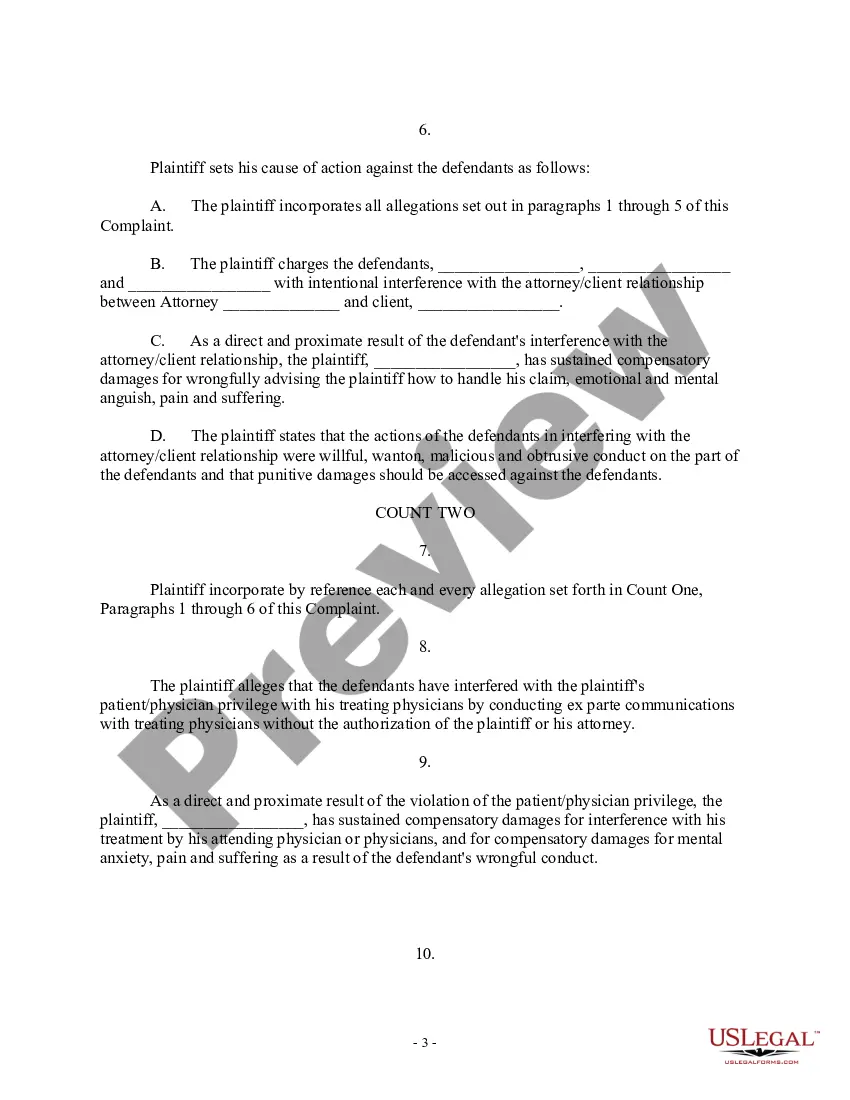
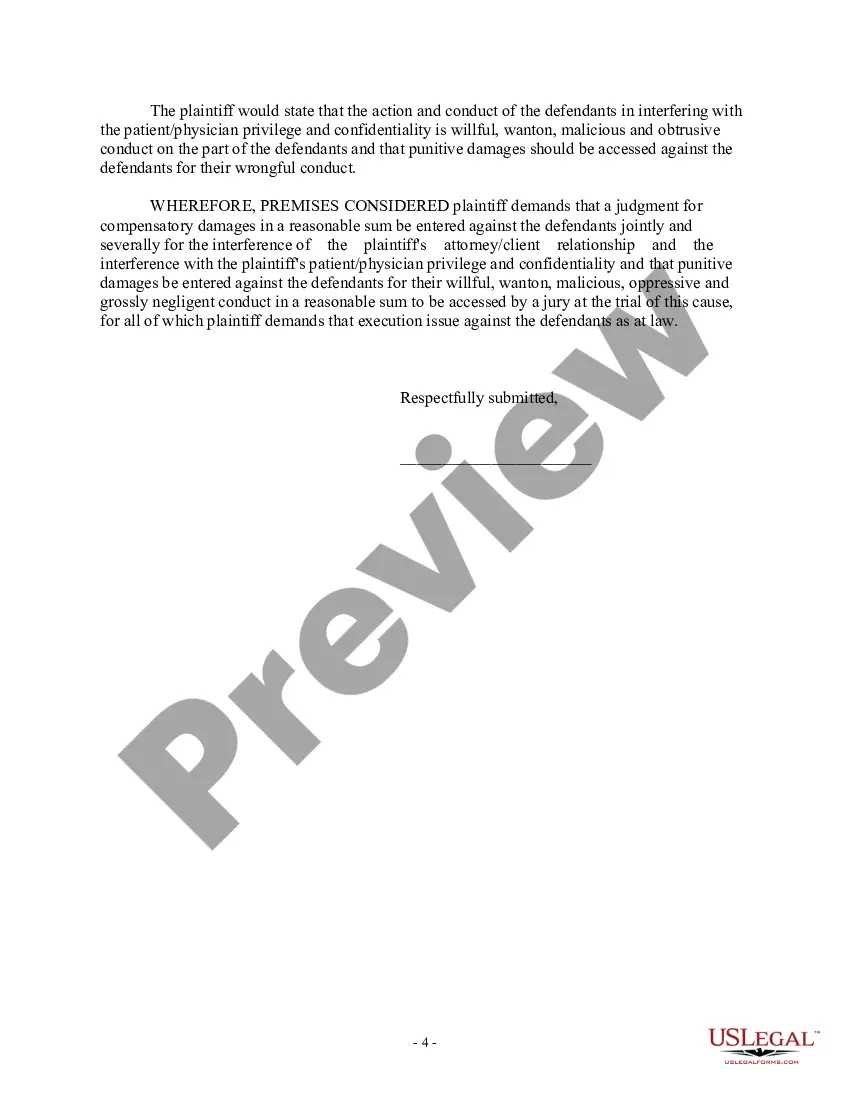

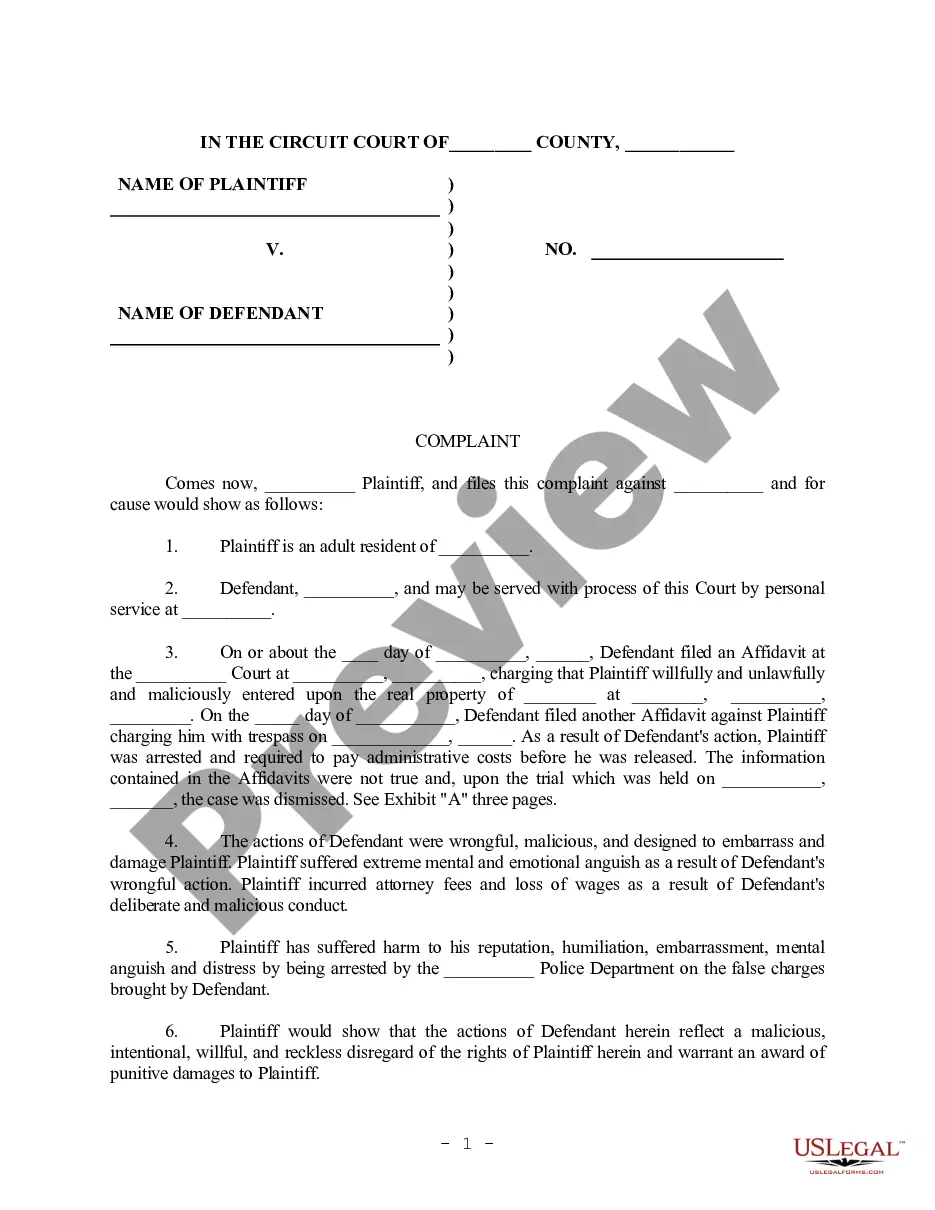

Get your form ready online
Our built-in tools help you complete, sign, share, and store your documents in one place.
Make edits, fill in missing information, and update formatting in US Legal Forms—just like you would in MS Word.
Download a copy, print it, send it by email, or mail it via USPS—whatever works best for your next step.
Sign and collect signatures with our SignNow integration. Send to multiple recipients, set reminders, and more. Go Premium to unlock E-Sign.
If this form requires notarization, complete it online through a secure video call—no need to meet a notary in person or wait for an appointment.
We protect your documents and personal data by following strict security and privacy standards.

Make edits, fill in missing information, and update formatting in US Legal Forms—just like you would in MS Word.

Download a copy, print it, send it by email, or mail it via USPS—whatever works best for your next step.

Sign and collect signatures with our SignNow integration. Send to multiple recipients, set reminders, and more. Go Premium to unlock E-Sign.

If this form requires notarization, complete it online through a secure video call—no need to meet a notary in person or wait for an appointment.

We protect your documents and personal data by following strict security and privacy standards.
Looking for another form?







Form popularity
FAQ
The Lawyers' Fund for Client Protection was created in 1985 by Rule VIII of the Supreme Court Rules for the Government of the Bar. Its purpose is to reimburse losses to legal clients as a result of the dishonest conduct of a licensed Ohio attorney.
The State Bar's Lawyer Assistance Program (LAP) helps attorneys (active, inactive, or disbarred), State Bar applicants, and law students who are struggling with stress, anxiety, depression, substance use issues, or personal and career concerns.
Under California Evidence Code 954, the California attorney-client privilege makes any private communication between you and your lawyer confidential and protected from disclosure.
The Ohio Rules of Professional Conduct prohibit lawyers from engaging in conduct involving moral turpitude, fraud, deceit, dishonesty or misrepresentation and from engaging in other action that could improperly prejudice the outcome of a case or legal matter. Some other specific provisions cover: Fees and employment.
Under California law, attorneys who handle client funds must hold them in an interest-bearing bank account. With non-IOLTA accounts, the interest earned will go to the client. For each account, the name of the account must clearly identify it as a client trust account.
This privilege is described in New Jersey Rule of Evidence 504 formerly Rule 26. The rule provides that “communications between a lawyer and his client in the course of that relationship and in professional confidence, are privileged.” Evid. R. 504.
Lawyers often hold settlement checks for several important reasons. These include: Legal and ethical obligations: They must ensure all parties have fulfilled the settlement agreement terms. Financial obligations: They must ensure that all financial obligations are met before disbursing the funds.
As advisor, a lawyer provides a client with an informed understanding of the client's legal rights and obligations and explains their practical implications. As advocate, a lawyer zealously asserts the client's position under the rules of the adversary system.