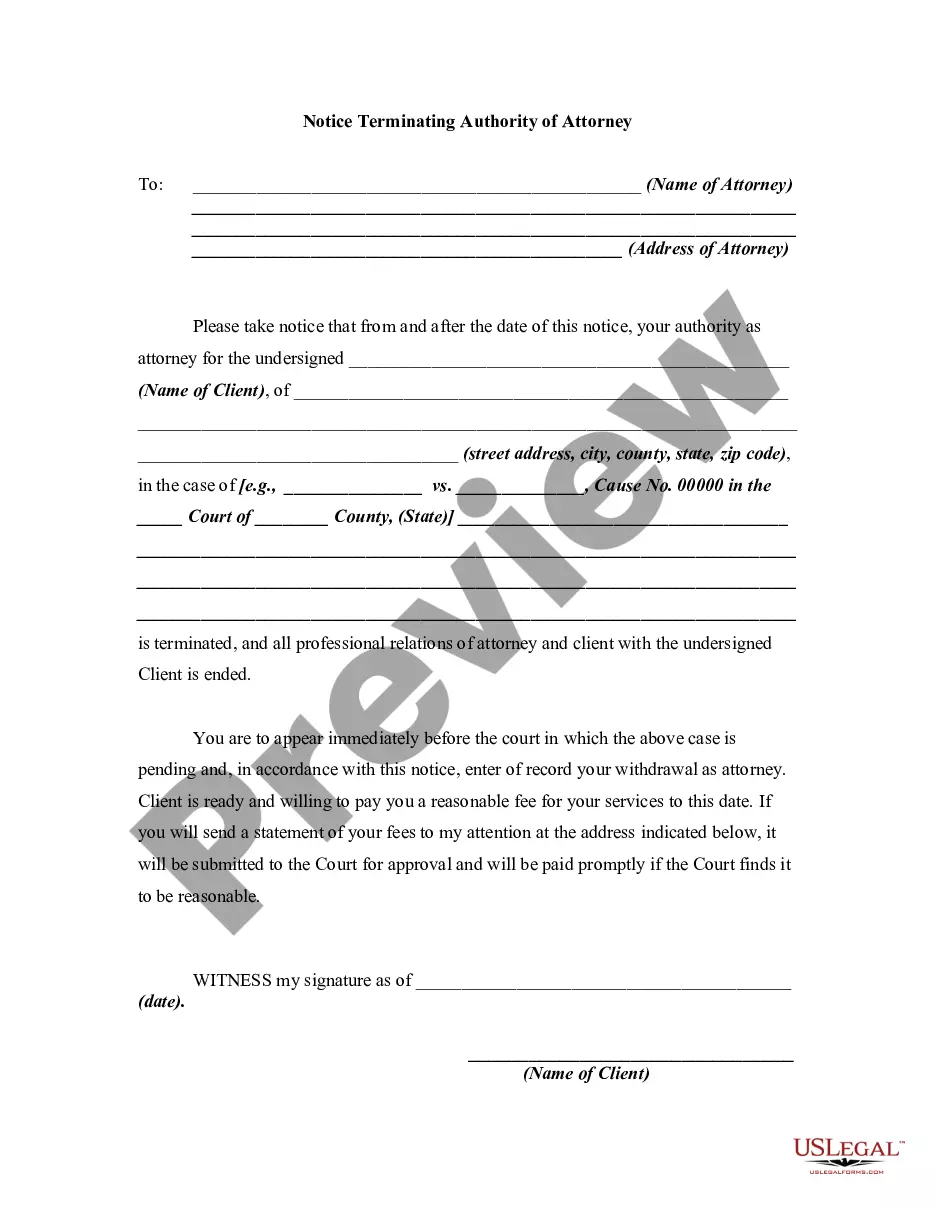
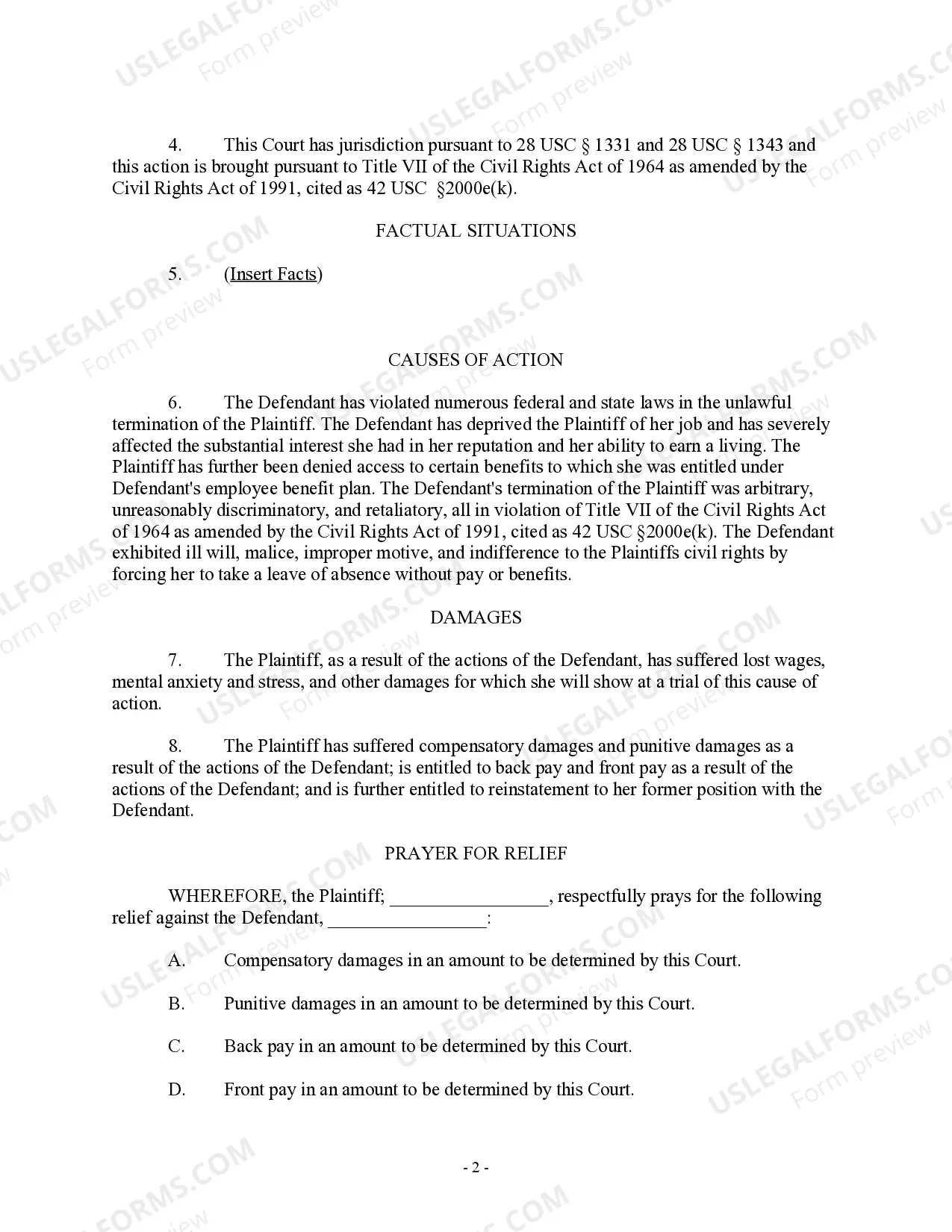
This is a multi-state form covering the subject matter of the title.
Wrongful Termination Court Within 90 Days In Wayne
State:
Multi-State
Category:
County:
Wayne
Control #:
US-000291
Format:
Word;
Rich Text
99 downloads
Description
Free preview





Get your form ready online
Our built-in tools help you complete, sign, share, and store your documents in one place.
Built-in online Word editor
Make edits, fill in missing information, and update formatting in US Legal Forms—just like you would in MS Word.
Export easily
Download a copy, print it, send it by email, or mail it via USPS—whatever works best for your next step.
E-sign your document
Sign and collect signatures with our SignNow integration. Send to multiple recipients, set reminders, and more. Go Premium to unlock E-Sign.
Notarize online 24/7
If this form requires notarization, complete it online through a secure video call—no need to meet a notary in person or wait for an appointment.
Store your document securely
We protect your documents and personal data by following strict security and privacy standards.

Make edits, fill in missing information, and update formatting in US Legal Forms—just like you would in MS Word.

Download a copy, print it, send it by email, or mail it via USPS—whatever works best for your next step.

Sign and collect signatures with our SignNow integration. Send to multiple recipients, set reminders, and more. Go Premium to unlock E-Sign.

If this form requires notarization, complete it online through a secure video call—no need to meet a notary in person or wait for an appointment.

We protect your documents and personal data by following strict security and privacy standards.
Looking for another form?








Form popularity
FAQ
In civil cases, statutes of limitations usually range between one and ten years. Sometimes this time period is counted from the date of the event itself – as in the date of a personal injury.
Depending on the type of case or procedure, New York's statutes of limitations generally range from one (1) year to six (6) years. The point at which the clock starts ticking is typically the date of the incident or discovery of a wrong.
For example, if one state's statute of limitations for medical malpractice is 2 years, and you file a lawsuit 2 years and 1 day after an alleged incident has occurred, you are out of luck.
The general statute of limitations is three years. This applies to many claims, including trespass, fraud, wrongful death, actions on contracts, or claims against insurance. Other causes of action are limited to two years, such as libel, slander, and false imprisonment.
Depending on the type of case or procedure, New York's statutes of limitations generally range from one (1) year to six (6) years. The point at which the clock starts ticking is typically the date of the incident or discovery of a wrong.
Exceptions to the New York statute of limitations exist in cases involving minors, insanity, undiscoverable injuries, and out-of-state defendants.
The time periods depend entirely on the nature of the case and the state laws where your case is heard. The limitations periods in federal court may differ from state court. Some claims can expire as quickly as a year after the event. Other claims can be filed decades later.
Many wrongful termination cases result in favorable outcomes for the employee, either through settlements or court verdicts. Successful cases can result in compensation for lost wages, damages for emotional distress, and even punitive damages in some instances.
Precise statistics showing the win rates on wrongful termination cases each year compared to the overall number of wrongful termination lawsuits are hard to come by. Nevertheless, estimates range from as low as 30% of wrongful termination cases being successful to as high as 90% of cases succeeding.
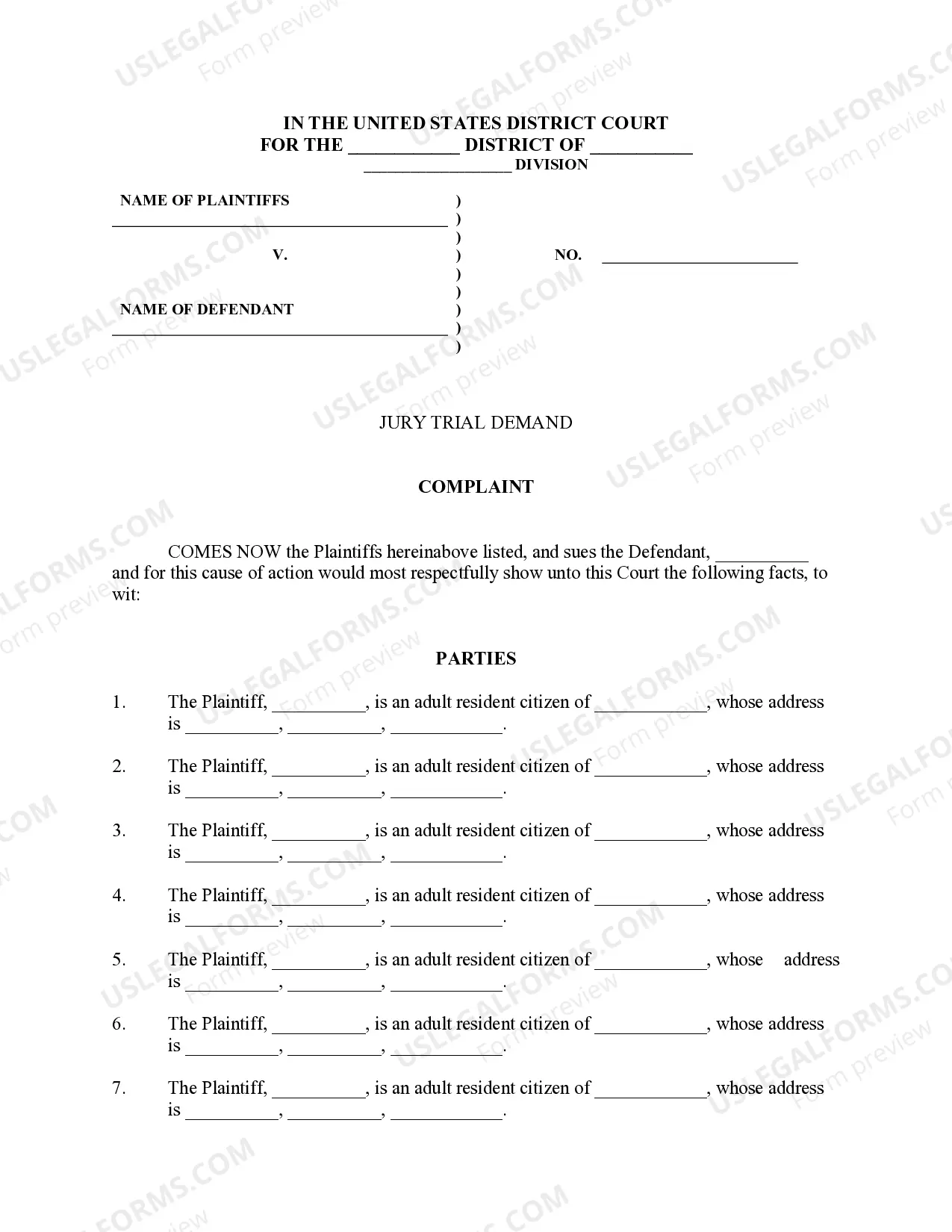
Filing a Lawsuit Moves the Case to Court The court complaint has to lay out all the factual evidence showing the firing was illegal. Your employment law attorney will handle drafting the lawsuit and navigate whether state or federal court is best. This process takes two to six months to complete.