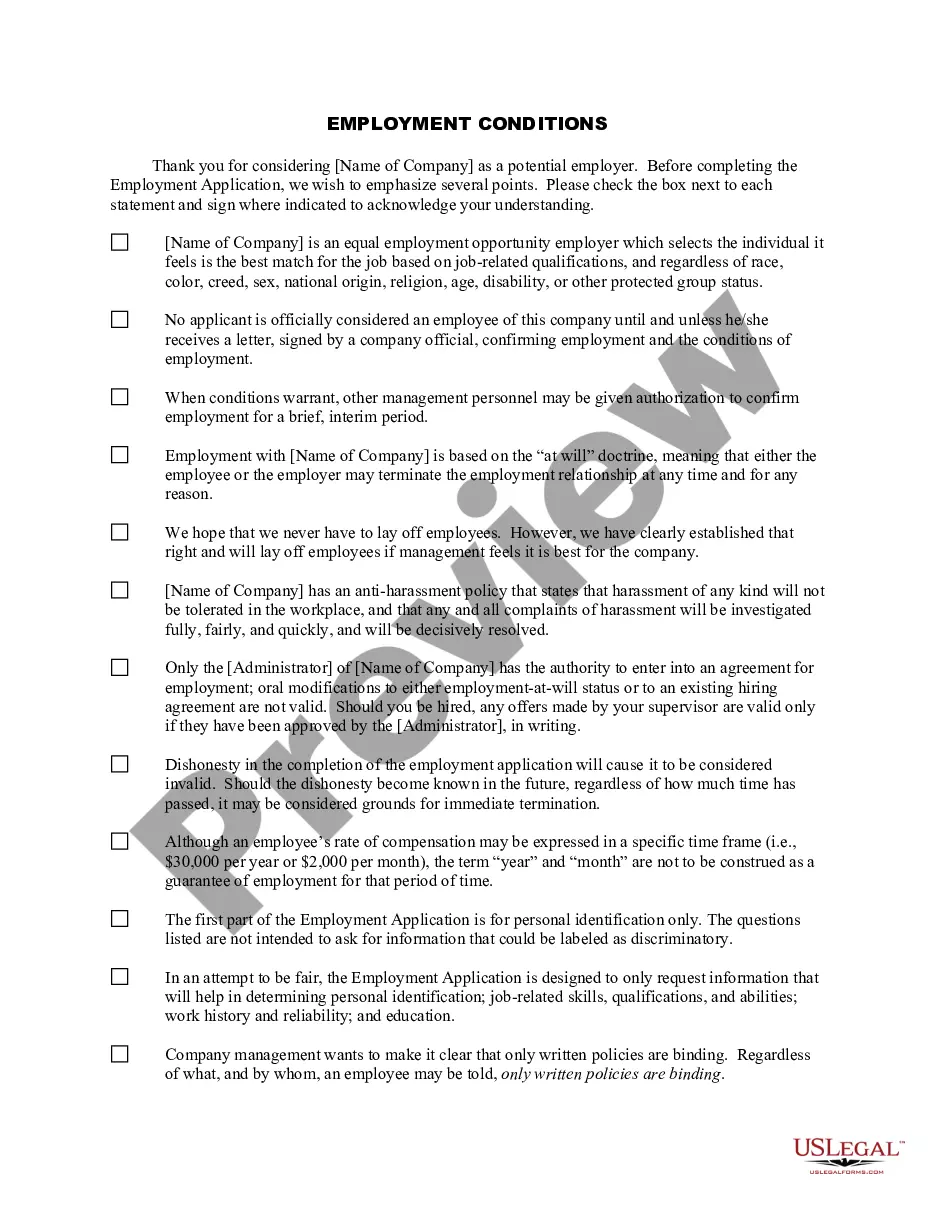
This is a multi-state form covering the subject matter of the title.
Civil Rights In Court In King
State:
Multi-State
Category:
County:
King
Control #:
US-000291
Format:
Word;
Rich Text
99 downloads
Description
Free preview
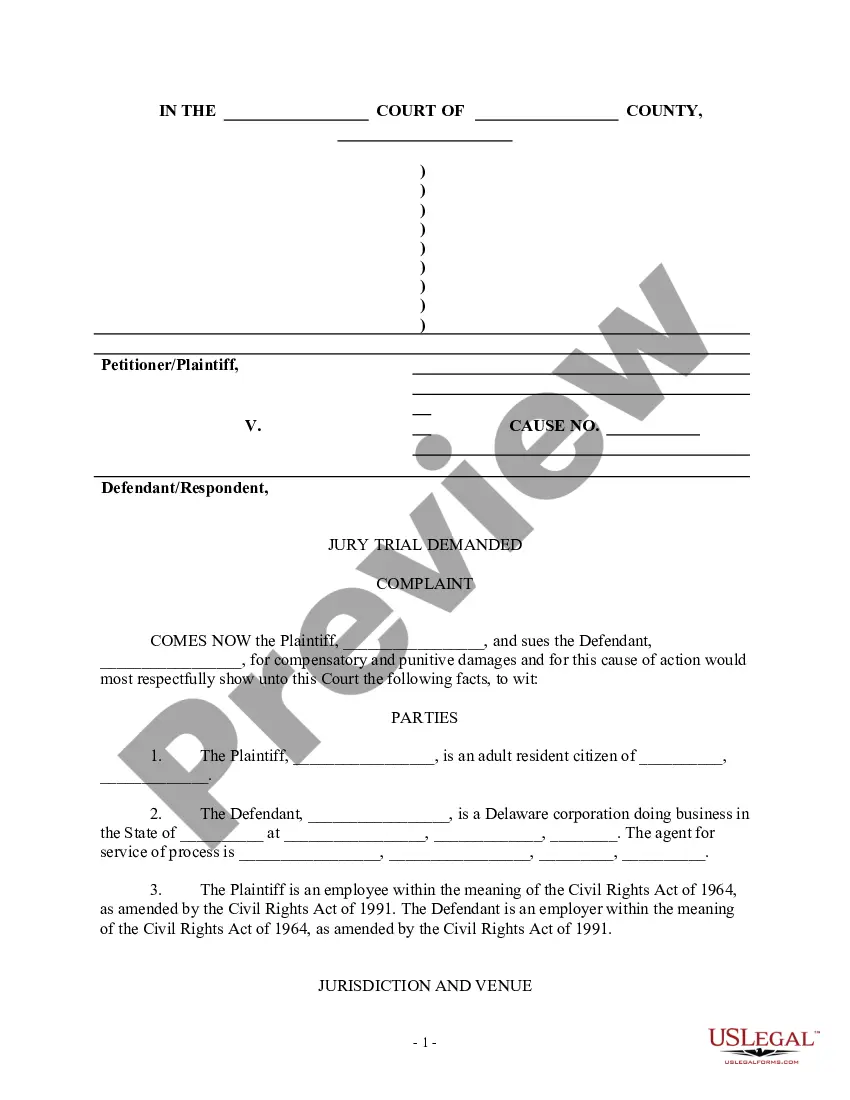
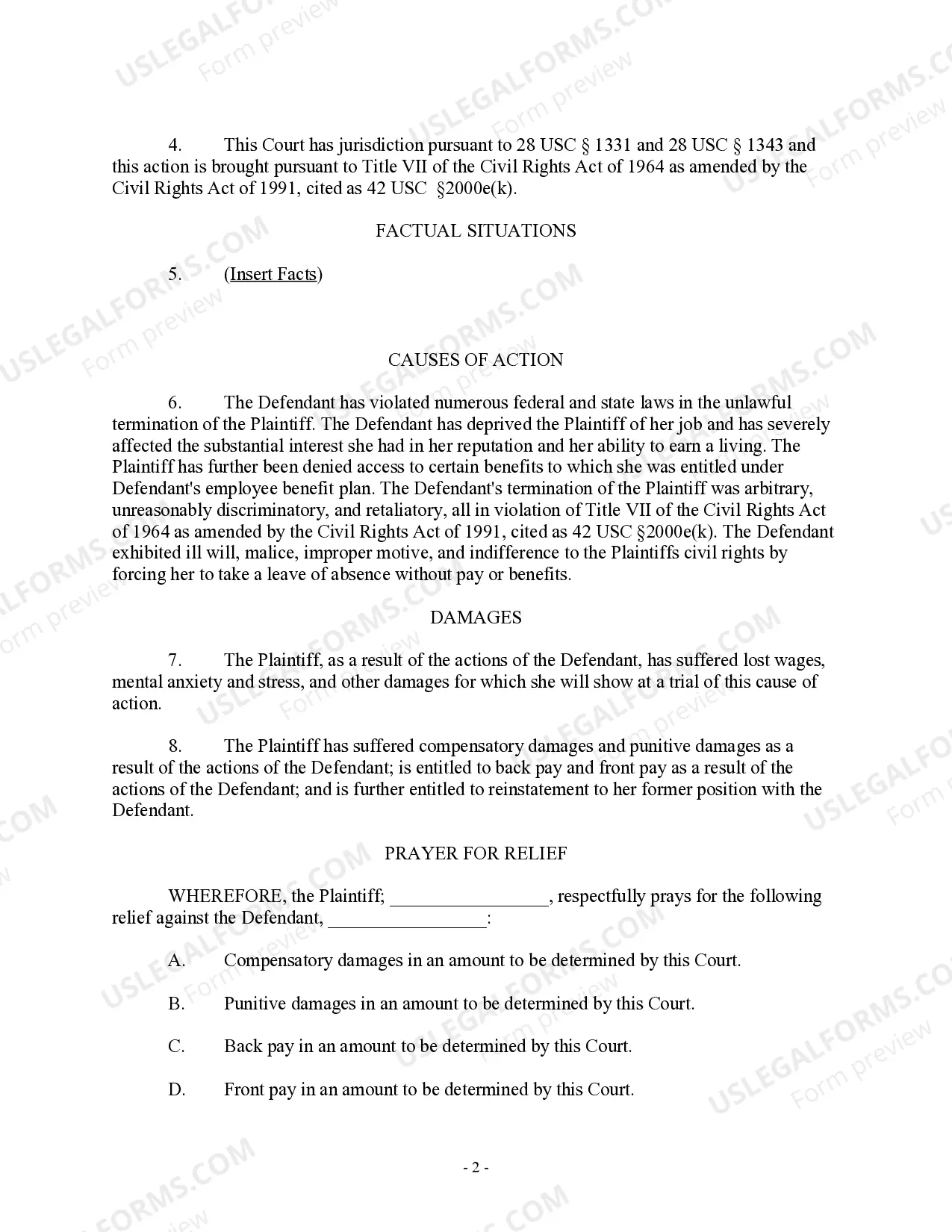
Get your form ready online
Our built-in tools help you complete, sign, share, and store your documents in one place.
Built-in online Word editor
Make edits, fill in missing information, and update formatting in US Legal Forms—just like you would in MS Word.
Export easily
Download a copy, print it, send it by email, or mail it via USPS—whatever works best for your next step.
E-sign your document
Sign and collect signatures with our SignNow integration. Send to multiple recipients, set reminders, and more. Go Premium to unlock E-Sign.
Notarize online 24/7
If this form requires notarization, complete it online through a secure video call—no need to meet a notary in person or wait for an appointment.
Store your document securely
We protect your documents and personal data by following strict security and privacy standards.

Make edits, fill in missing information, and update formatting in US Legal Forms—just like you would in MS Word.

Download a copy, print it, send it by email, or mail it via USPS—whatever works best for your next step.

Sign and collect signatures with our SignNow integration. Send to multiple recipients, set reminders, and more. Go Premium to unlock E-Sign.

If this form requires notarization, complete it online through a secure video call—no need to meet a notary in person or wait for an appointment.

We protect your documents and personal data by following strict security and privacy standards.
Looking for another form?


Form popularity
FAQ
"Injustice anywhere is a threat to justice everywhere.… We know through painful experience that freedom is never voluntarily given by the oppressor; it must be demanded by the oppressed." — Martin Luther King, Jr.
Despite Kennedy's assassination in November of 1963, his proposal culminated in the Civil Rights Act of 1964. President Lyndon Johnson signed it into law just a few hours after it was passed by Congress on July 2, 1964. The act outlawed segregation in businesses such as theaters, restaurants, and hotels.
After Kennedy's assassination in November, President Lyndon Johnson pressed hard, with the support of Roy Wilkins and Clarence Mitchell, to secure the bill's passage the following year. In 1964, Congress passed Public Law 88-352 (78 Stat. 241).
Civil Rights Act of 1968 Long title An Act to prescribe penalties for certain acts of violence or intimidation, and for other purposes. Citations14 more rows
The civil rights measure that was passed by Congress shortly after King's assassination was the Fair Housing Act. This act was signed into law on April 11, 1968, just seven days after Martin Luther King Jr.'s assassination.
Explanation: The civil rights measure that was passed by Congress shortly after King's assassination was the Fair Housing Act. This act was signed into law on April 11, 1968, just seven days after Martin Luther King Jr.'s assassination.
Ultimately, King was arrested 30 times for his participation in civil rights activities. In 1963, he was one of the organizers for the March on Washington and the following year he received the Nobel Peace Prize. In 1965, King helped to organize the Selma to Montgomery marches.
The ruling in the Civil Rights Cases not only barred Congress from taking affirmative steps against racial discrimination but permitted states to legally allow private discrimination simply by looking the other way, which they did.
Motion papers must be filed with the E-file/Motion Support Office located in Room 227, Ex Parte Office located on the 10th Floor, Foreclosure Part Office located Room 295, OR in the Guardianship/Mental Hygiene Office located in Room 285 (see Note #2), at 360 Adams Street at least five (5) business days before the ...
Be as persuasive as possible as you write your motion in a sequential, logical format. Express your ideas clearly, and make sure you outline what steps are necessary and how they will help your case. Use facts of the case whenever you can to avoid baseless emotional appeals.