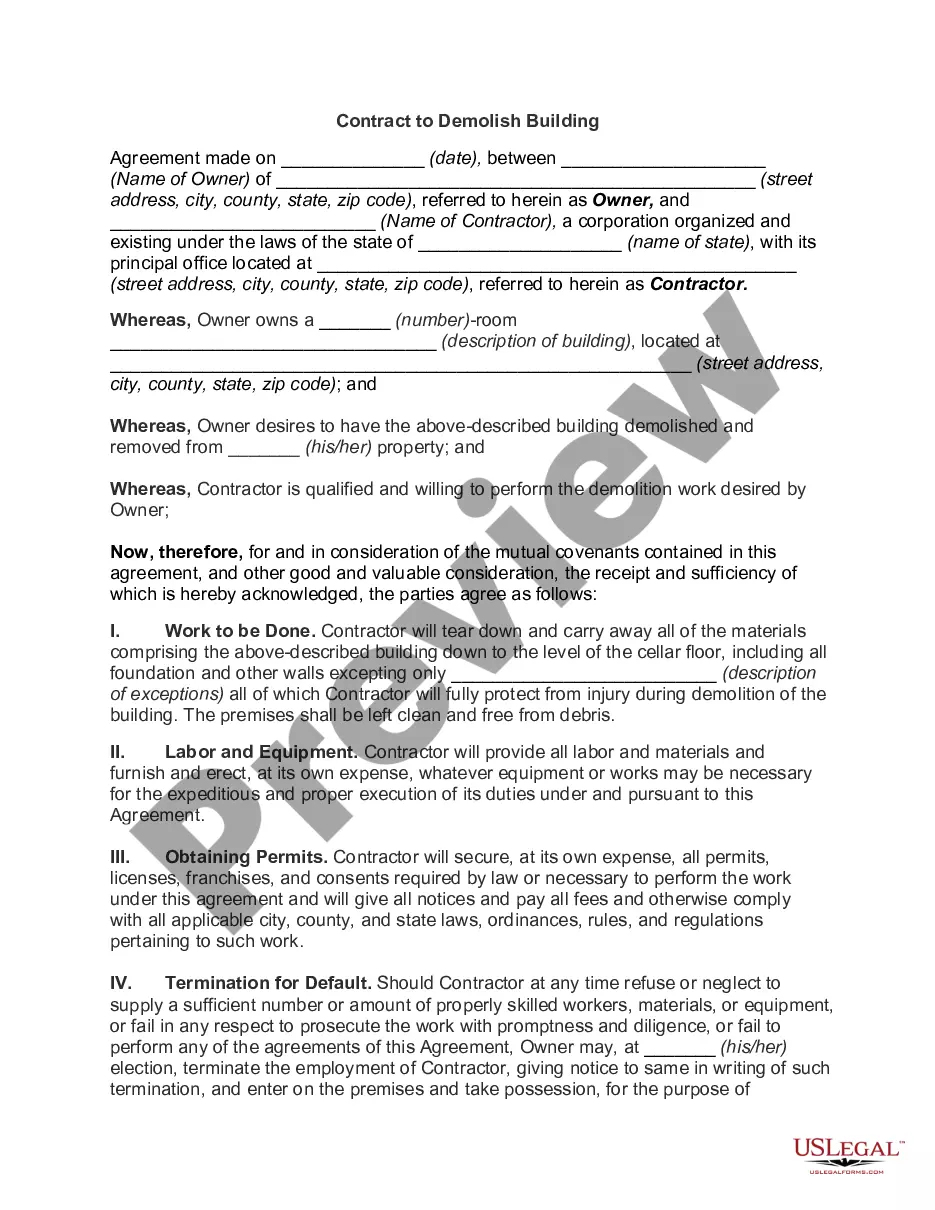
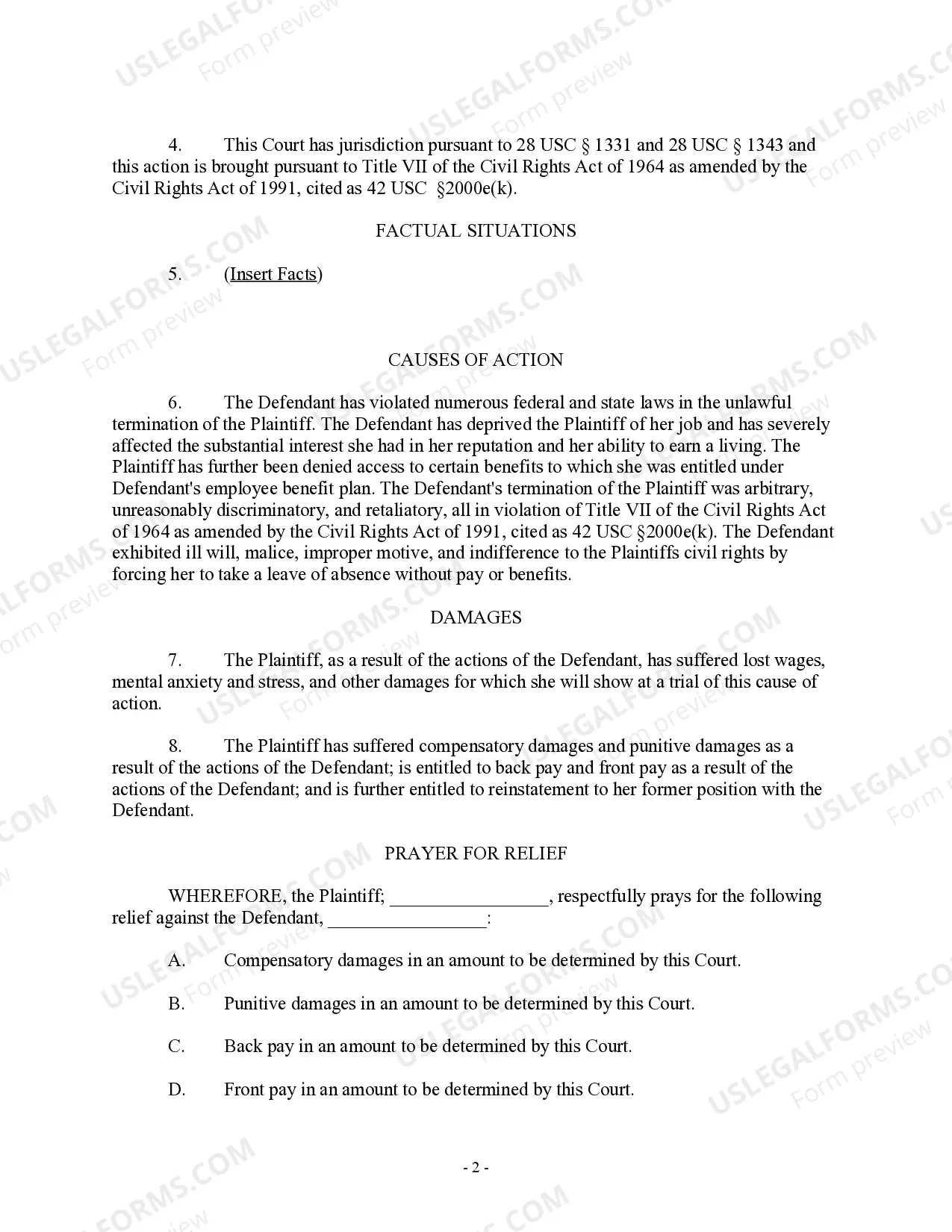
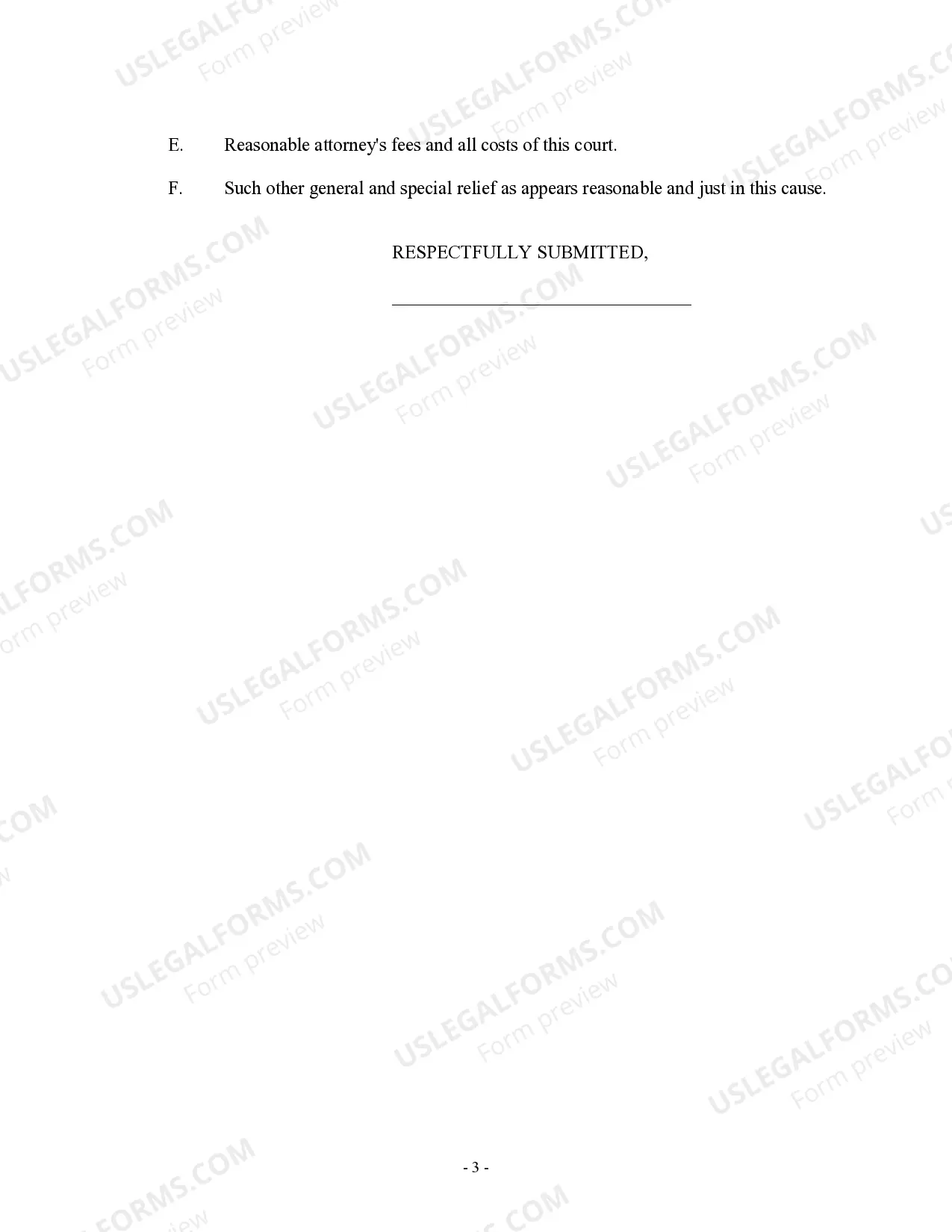
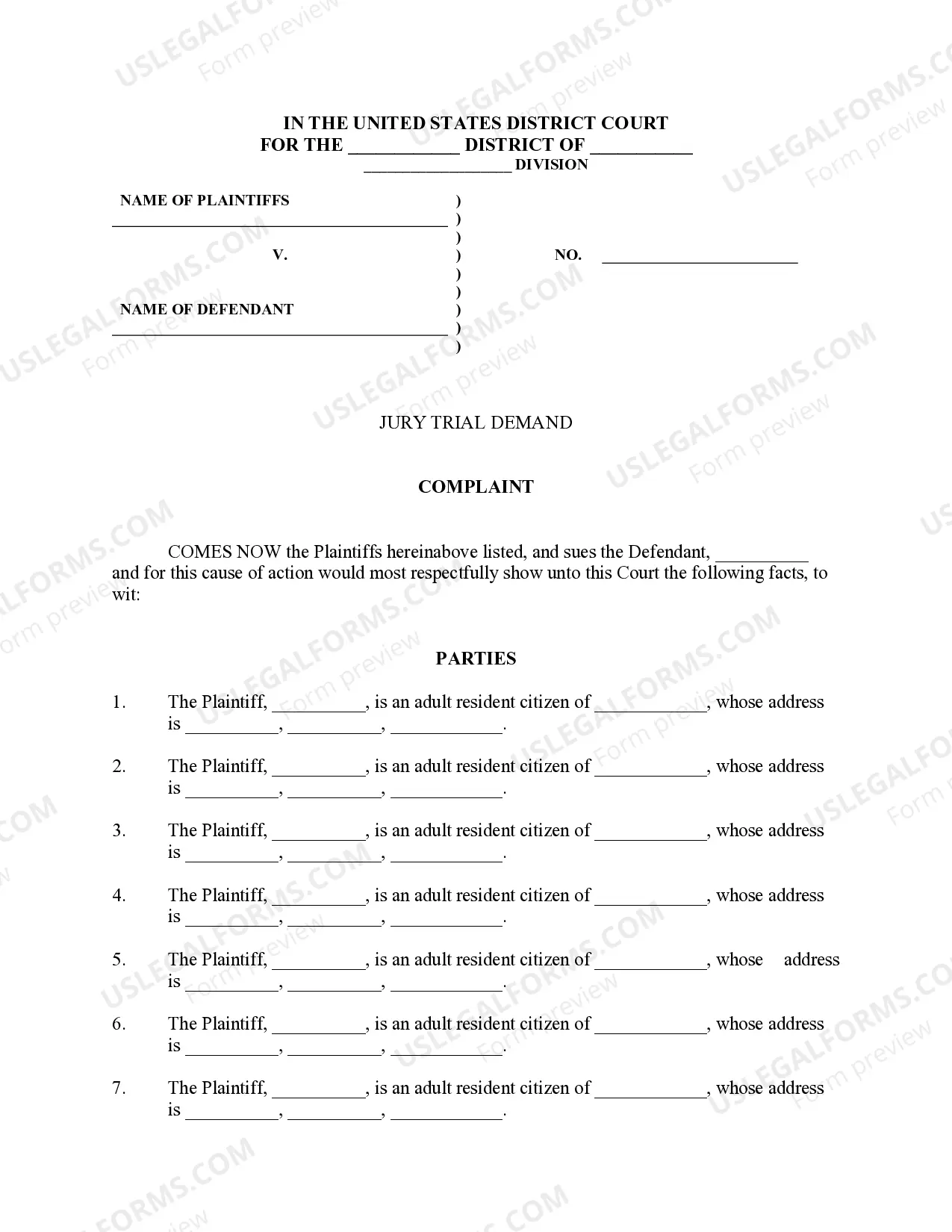
This is a multi-state form covering the subject matter of the title.
Wrongful Termination Court Form California In Contra Costa
State:
Multi-State
Category:
County:
Contra Costa
Control #:
US-000291
Format:
Word;
Rich Text
99 downloads
Description
Free preview




Get your form ready online
Our built-in tools help you complete, sign, share, and store your documents in one place.
Built-in online Word editor
Make edits, fill in missing information, and update formatting in US Legal Forms—just like you would in MS Word.
Export easily
Download a copy, print it, send it by email, or mail it via USPS—whatever works best for your next step.
E-sign your document
Sign and collect signatures with our SignNow integration. Send to multiple recipients, set reminders, and more. Go Premium to unlock E-Sign.
Notarize online 24/7
If this form requires notarization, complete it online through a secure video call—no need to meet a notary in person or wait for an appointment.
Store your document securely
We protect your documents and personal data by following strict security and privacy standards.

Make edits, fill in missing information, and update formatting in US Legal Forms—just like you would in MS Word.

Download a copy, print it, send it by email, or mail it via USPS—whatever works best for your next step.

Sign and collect signatures with our SignNow integration. Send to multiple recipients, set reminders, and more. Go Premium to unlock E-Sign.

If this form requires notarization, complete it online through a secure video call—no need to meet a notary in person or wait for an appointment.

We protect your documents and personal data by following strict security and privacy standards.
Looking for another form?






Form popularity
FAQ
How do you Request Divorce Records in Contra Costa County? Divorce case file: Request from the Costa County Superior Court. Divorce certificate: Request from the California Department of Public Health (CDPH) or Contra Costa County Recorder's office.
Records such as court orders, divorce decrees, and wills are only available from the Sacramento Superior Court: For court orders or divorce records contact the Civil Division at (916) 874-5522. For wills and other probate records contact the Probate Unit at (916) 875-3400.
Use the Contra Costa County Superior Court Website or CDPH's Vital Records platform for online requests. Visit the court or county clerk's office for in-person visits. Submit a written request with required details and payment via mail.
You must visit or call the clerk's office of the superior court where the case is filed, to get copies of these records. There is one superior court in each California county. You can find a list of all 58 superior courts with links to their websites at courts.ca/find-my-court that show court contact information.
Family Law records are public records subject to public view and copying, unless they are confidential by operation of law or sealed by the court.
Parties to a case may use motions to ask the judge for specific relief, such as case dismissal. Motions usually contain a written brief which explains the legal argument for case dismissal. The opposing party will usually have the chance to write an opposition to the motion.