This is a multi-state form covering the subject matter of the title.
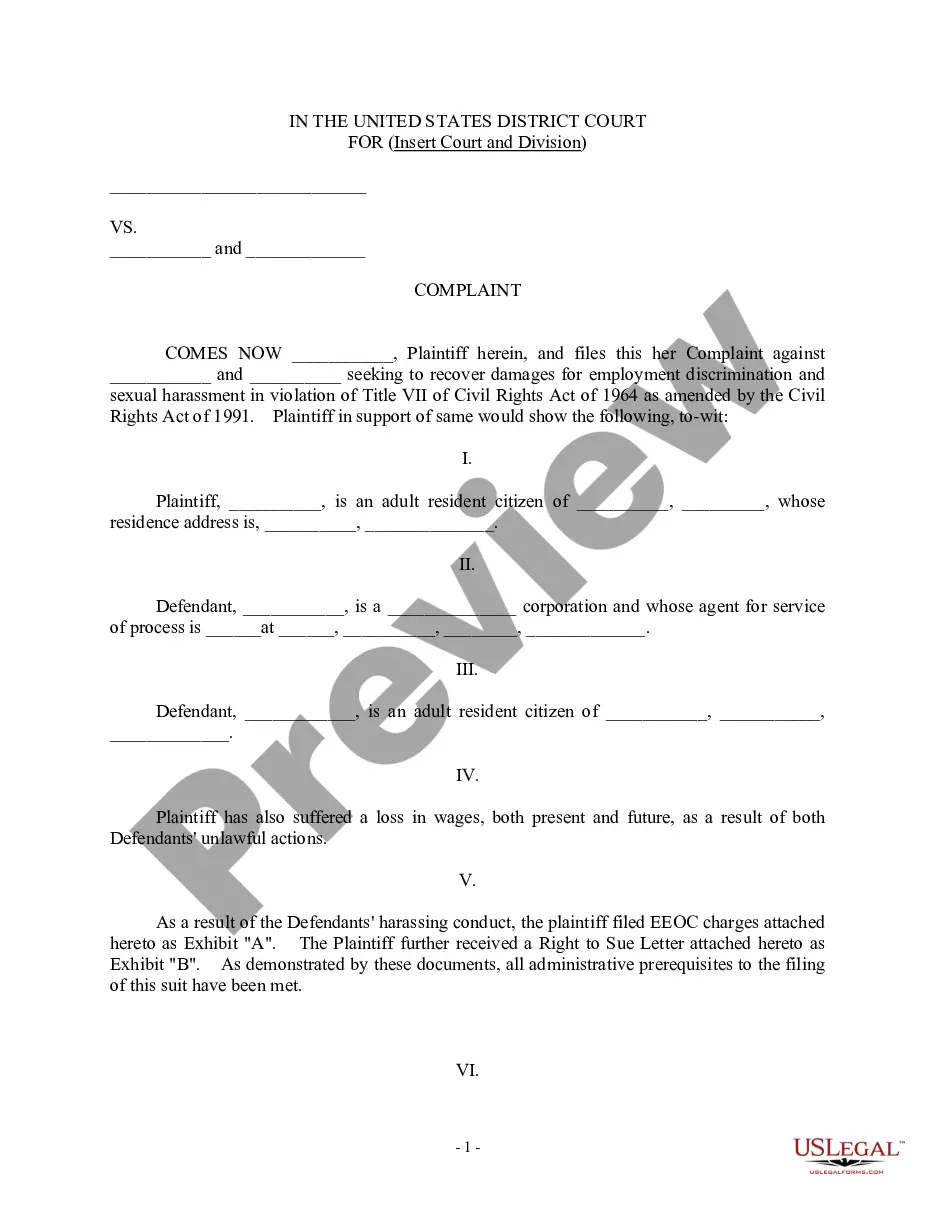
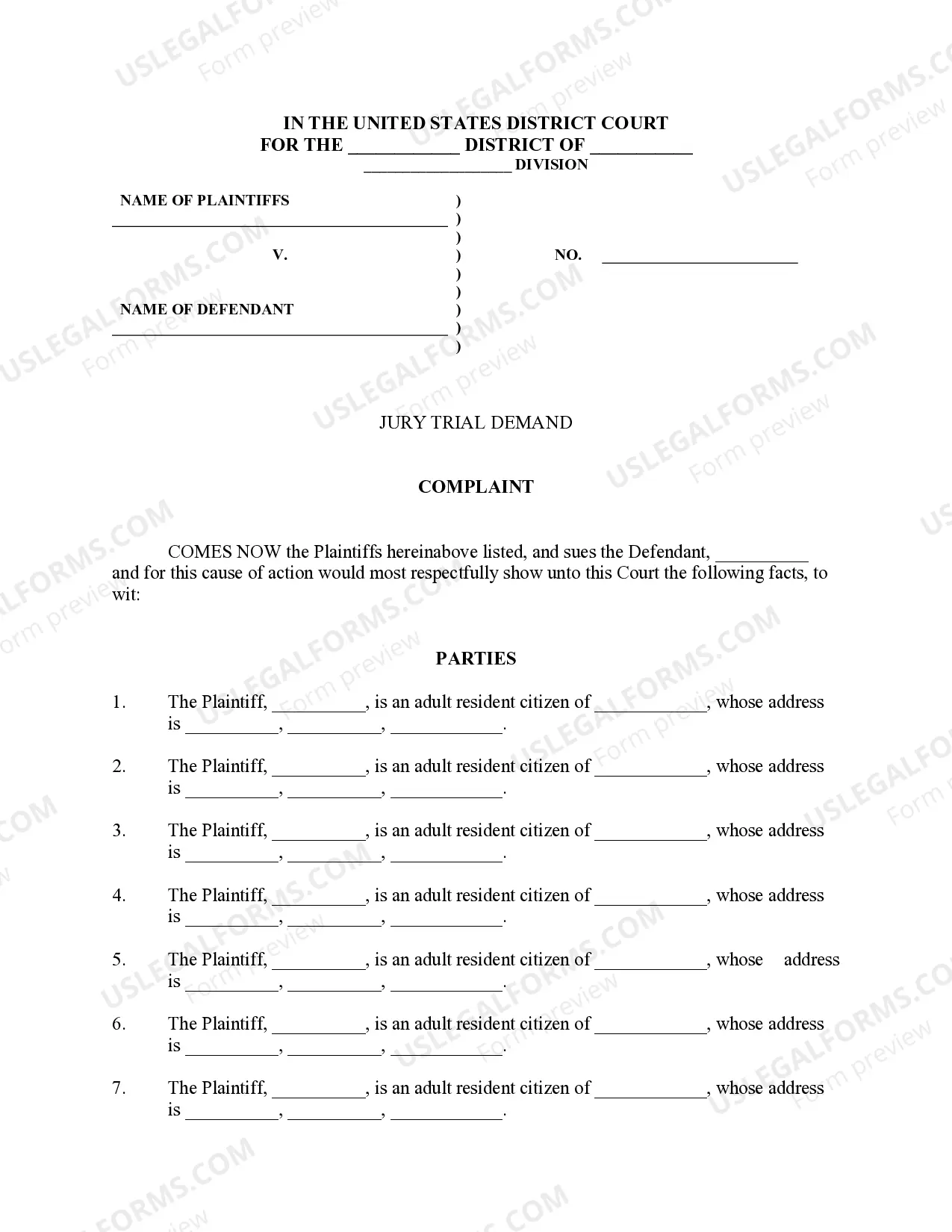
Right To A Jury Trial For Civil Cases In Bronx
State:
Multi-State
Category:
County:
Bronx
Control #:
US-000291
Format:
Word;
Rich Text
99 downloads
Description
Free preview

Get your form ready online
Our built-in tools help you complete, sign, share, and store your documents in one place.
Built-in online Word editor
Make edits, fill in missing information, and update formatting in US Legal Forms—just like you would in MS Word.
Export easily
Download a copy, print it, send it by email, or mail it via USPS—whatever works best for your next step.
E-sign your document
Sign and collect signatures with our SignNow integration. Send to multiple recipients, set reminders, and more. Go Premium to unlock E-Sign.
Notarize online 24/7
If this form requires notarization, complete it online through a secure video call—no need to meet a notary in person or wait for an appointment.
Store your document securely
We protect your documents and personal data by following strict security and privacy standards.

Make edits, fill in missing information, and update formatting in US Legal Forms—just like you would in MS Word.

Download a copy, print it, send it by email, or mail it via USPS—whatever works best for your next step.

Sign and collect signatures with our SignNow integration. Send to multiple recipients, set reminders, and more. Go Premium to unlock E-Sign.

If this form requires notarization, complete it online through a secure video call—no need to meet a notary in person or wait for an appointment.

We protect your documents and personal data by following strict security and privacy standards.
Looking for another form?

Form popularity
FAQ
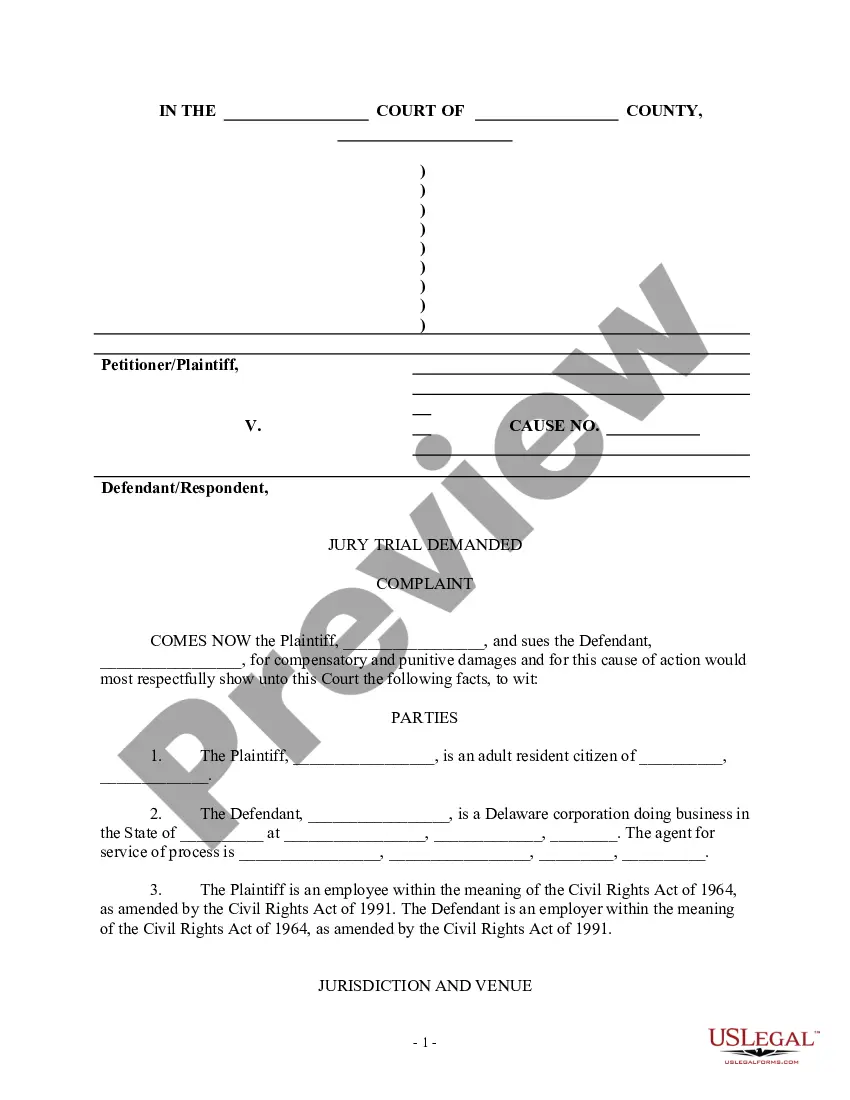
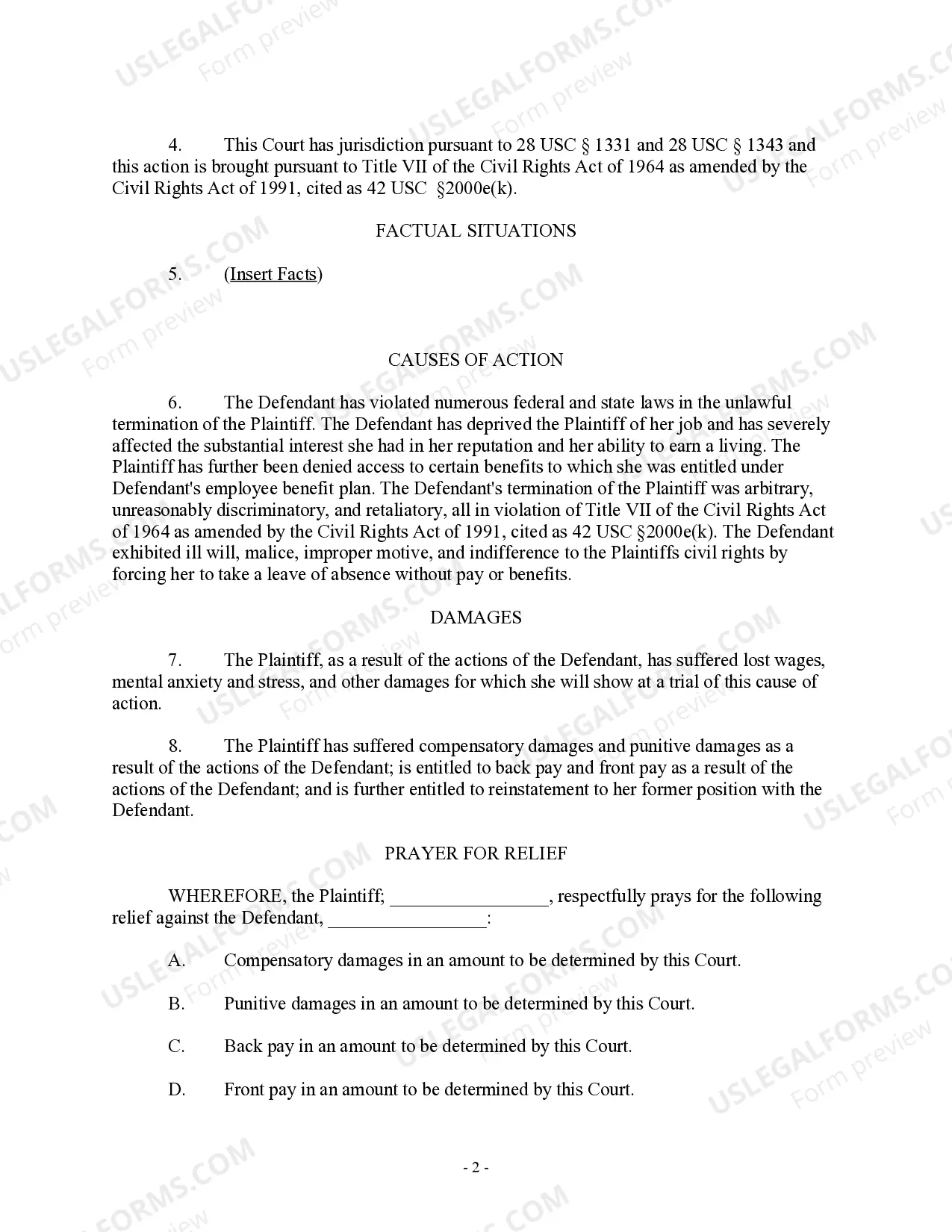
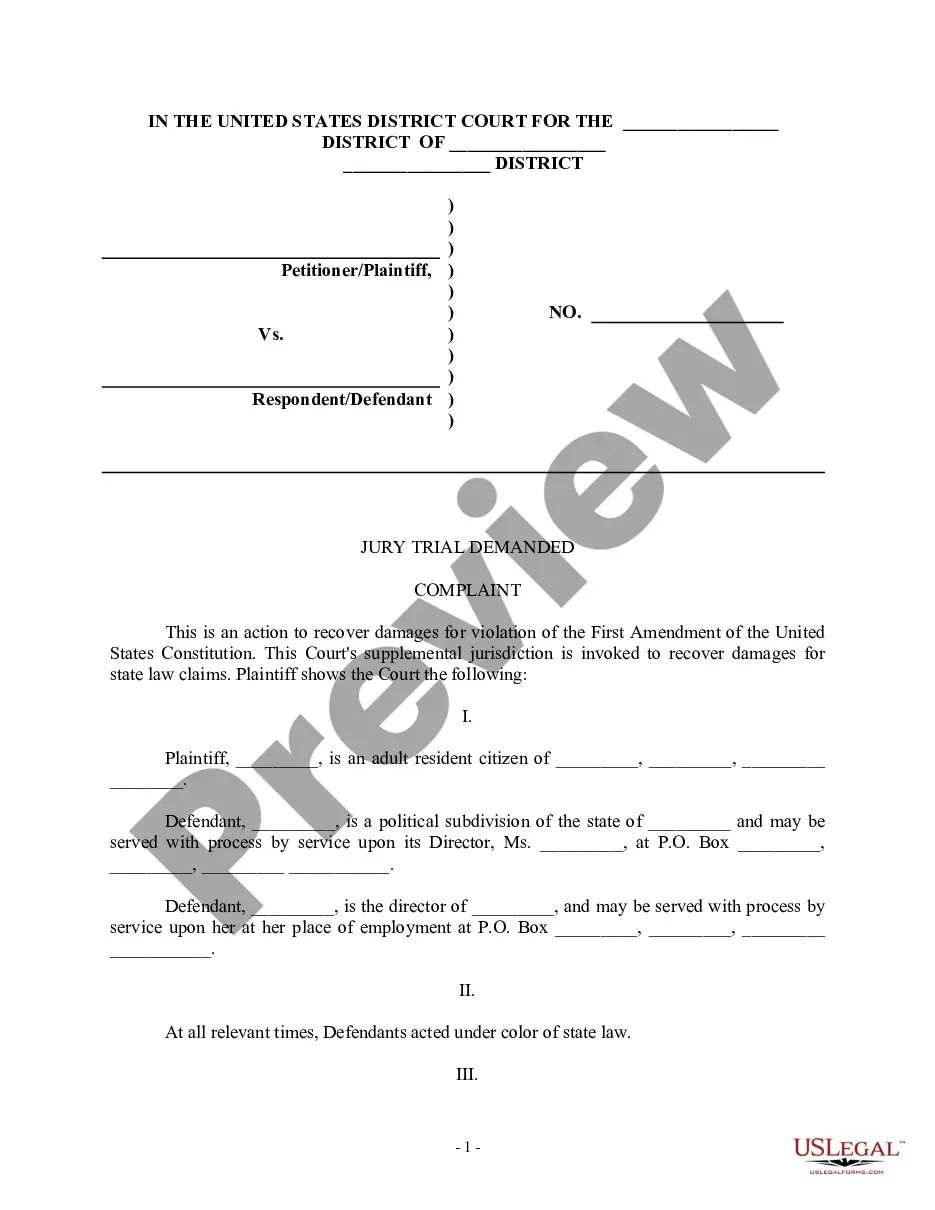
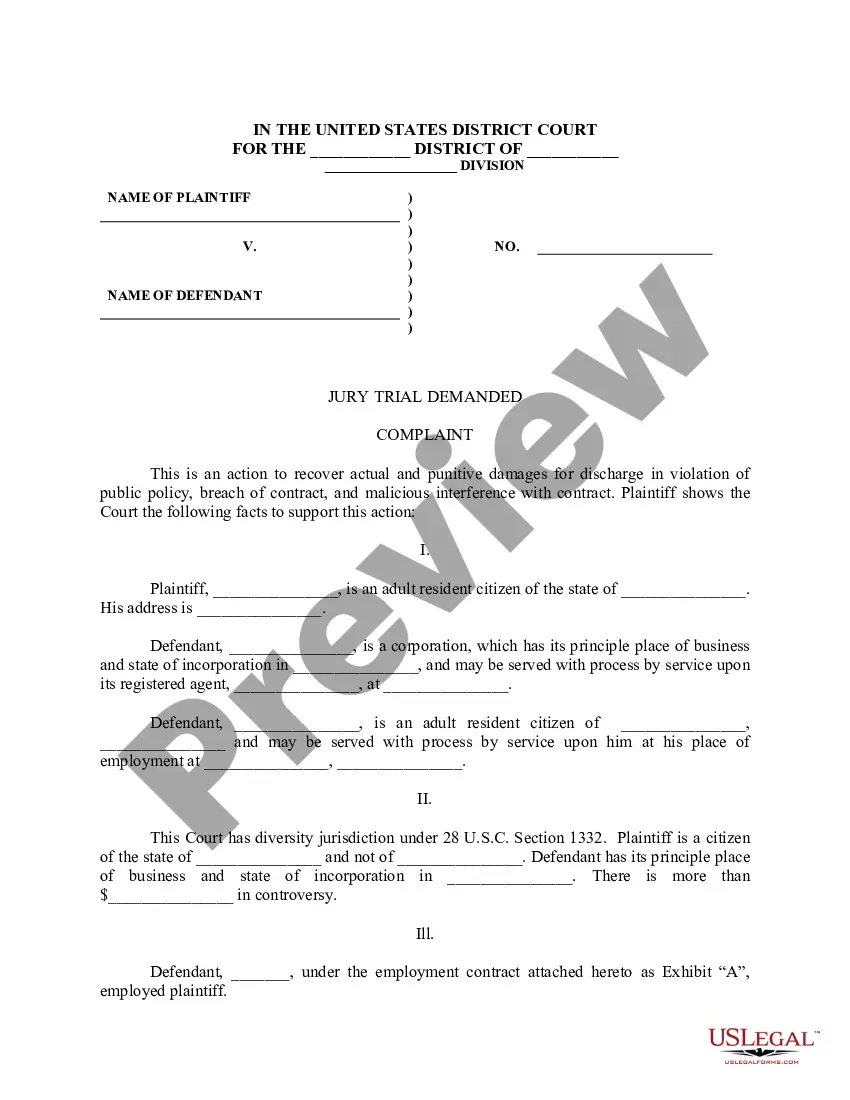
In a wide variety of civil cases, either side is entitled under the Constitution to request a jury trial. If the parties waive their right to a jury, then a judge without a jury will hear the case.
Constitutional Amendments – Amendment 7 – “The Right to Jury Trial in Civil Affairs” Amendment Seven to the Constitution was ratified on December 15, 1791. It protects the right for citizens to have a jury trial in federal courts with civil cases where the claim exceeds a certain dollar value.
Constitutional Amendments – Amendment 7 – “The Right to Jury Trial in Civil Affairs” Amendment Seven to the Constitution was ratified on December 15, 1791. It protects the right for citizens to have a jury trial in federal courts with civil cases where the claim exceeds a certain dollar value.
Amend. VII ( In Suits at common law, where the value in controversy shall exceed twenty dollars, the right of trial by jury shall be preserved, and no fact tried by a jury, shall be otherwise re-examined in any Court of the United States, than ing to the rules of the common law. ).
The right to a jury trial is a way to prevent government oppression by having impartial “peers” decide the fate of an accused. It safeguards against heavy-handed and unfair prosecution as well as judges that may have bias. It prevents unchecked power and helps ensure an accused receives justice.
New York State Constitution Article 1 §2 Right to trial by jury; waiver thereof. Trial by jury in all cases in which it has heretofore been guaranteed by constitutional provision shall remain inviolate forever; but a jury trial may be waived by the parties in all civil cases in the manner to be prescribed by law.
A civil case for which a jury is involved is generally a dispute between two or more parties that does not involve a criminal matter and is not a dispute between family members regarding divorce or child custody. In family matters, a judge handles the case without a jury.
Constitutional Amendments – Amendment 7 – “The Right to Jury Trial in Civil Affairs” Amendment Seven to the Constitution was ratified on December 15, 1791. It protects the right for citizens to have a jury trial in federal courts with civil cases where the claim exceeds a certain dollar value.
The right to a jury trial refers to the right provided by the Sixth and Seventh Amendments. The Sixth Amendment states that in all criminal prosecutions, the accused criminal has the right to a trial by an impartial jury of the state and district in which the individual allegedly committed a crime.