Sample Restraining Order Form With Attorney In Palm Beach
Description





Form popularity
FAQ
An injunction can never be sealed or expunged. It is not a criminal court record subject to the sealing and expungement laws. Thus, it remains permanently. A restraining order is public record and can be accessed by employers, and those conducting background searches.
The term "public record" is not limited to traditional written documents. "Tapes, photographs, films, sound recordings, data processing software, or other material, regardless of the physical form, characteristics, or means of transmission" can all constitute public records.
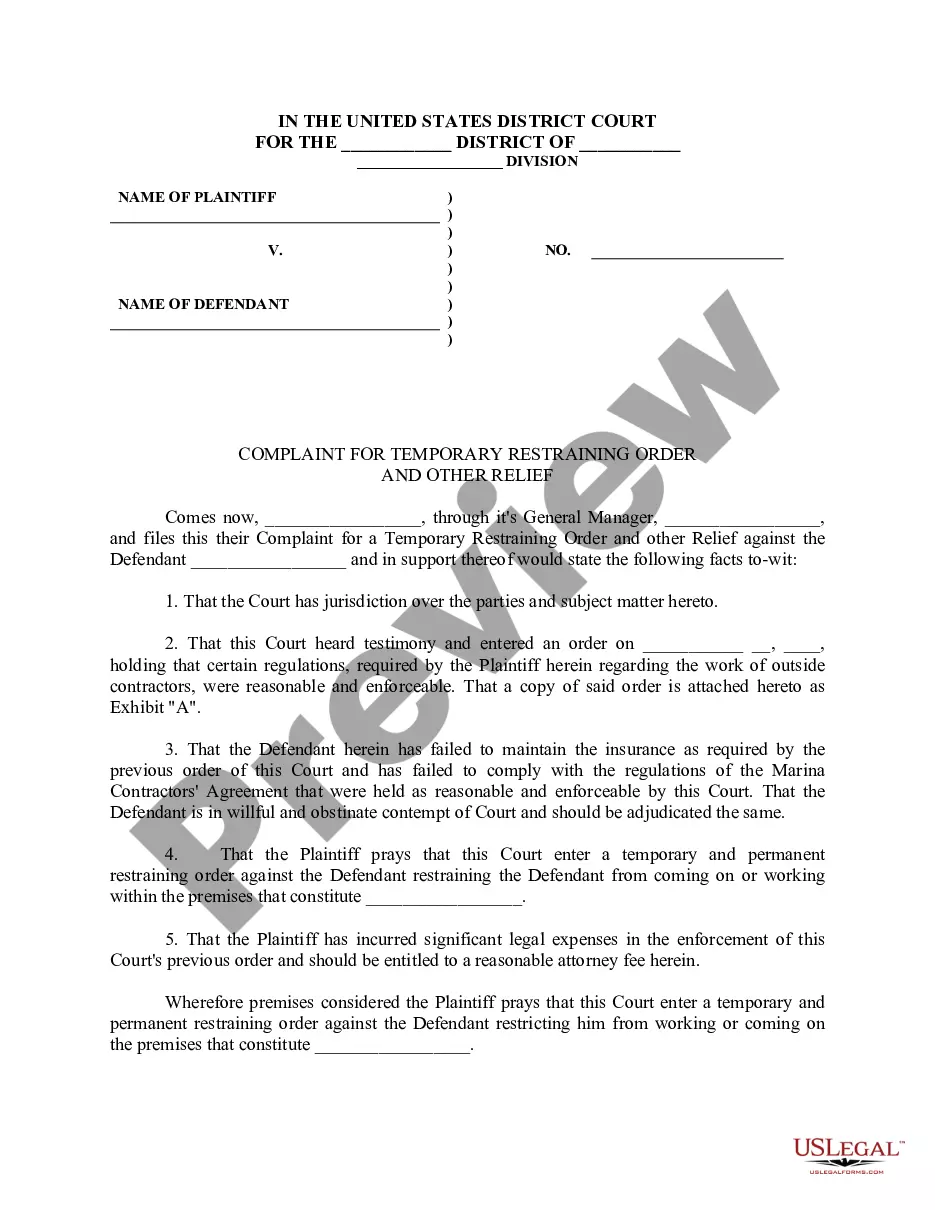
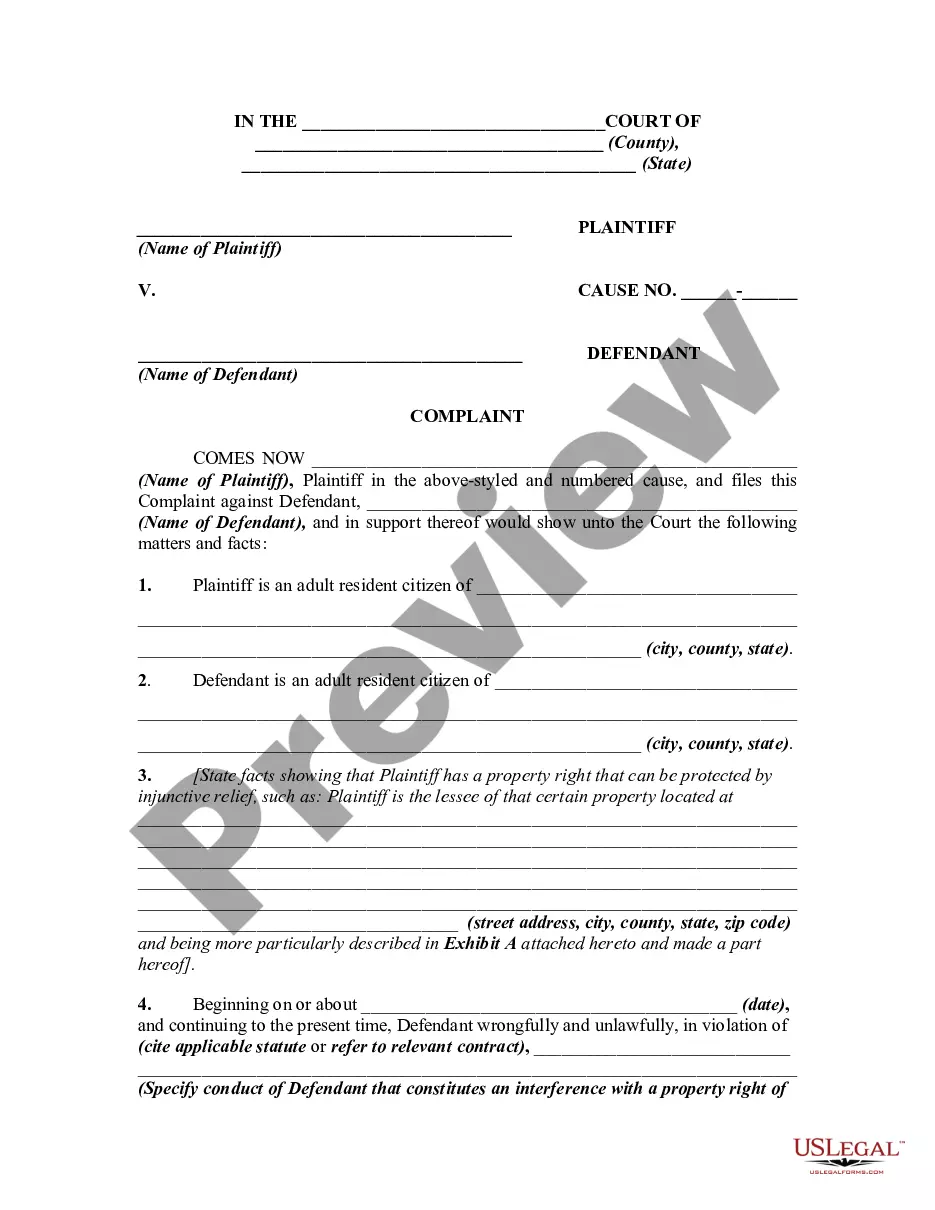
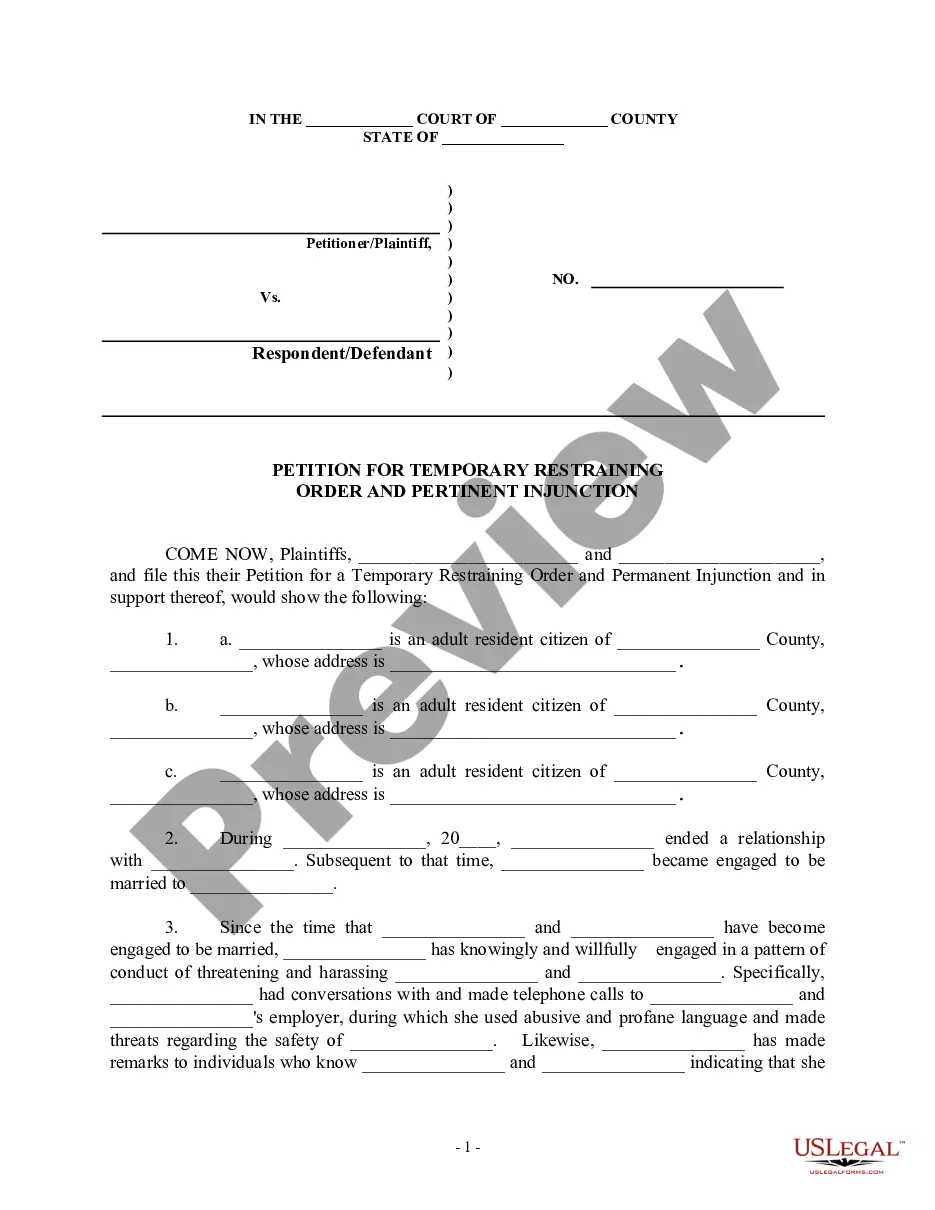
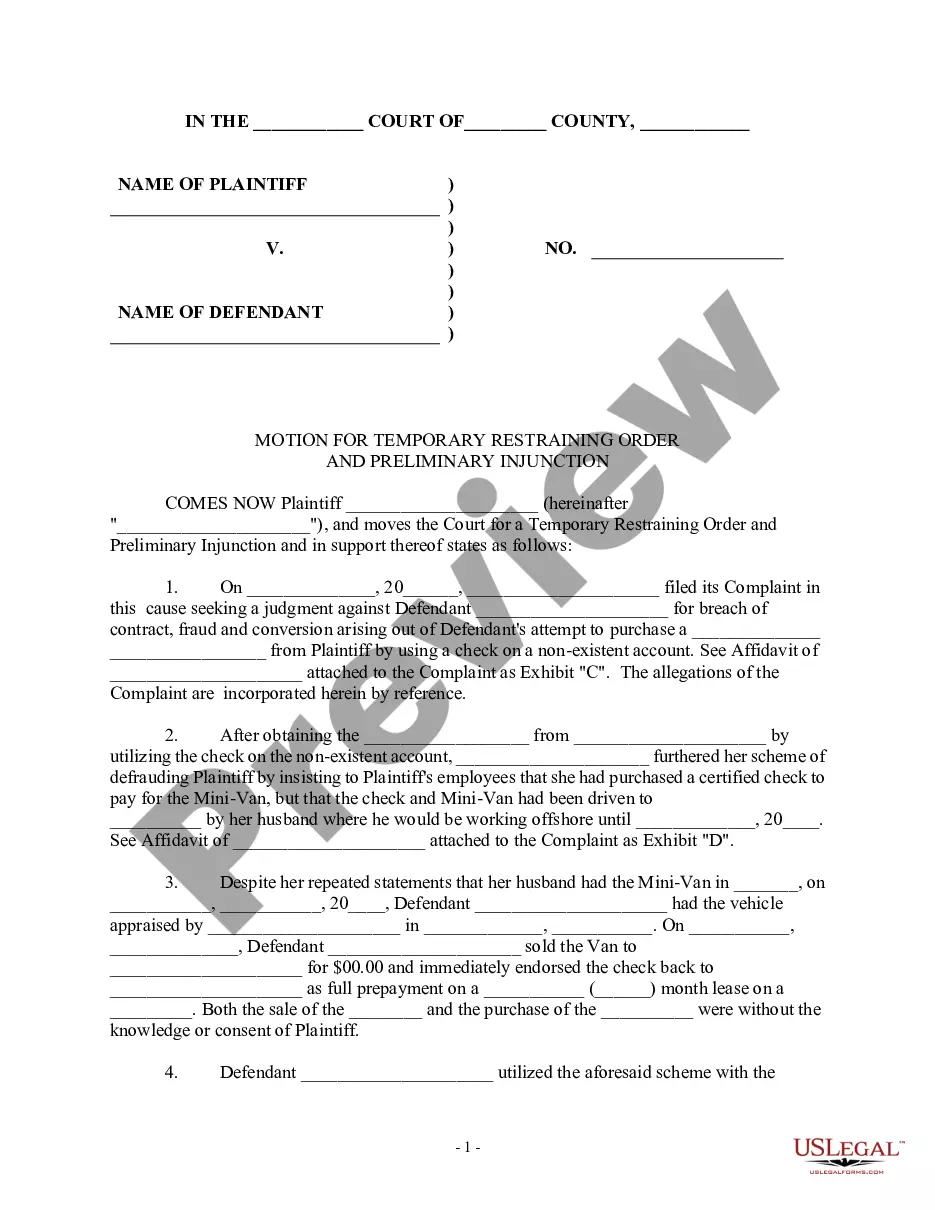
Florida Injunctions for Protection. An injunction (sometimes referred to as a restraining order) is a court order that tells one person to stay away from and not contact another person. Unless the court order says otherwise, this means no contact by phone, email, text messages, letter, in person, or other method.
The restraining order itself has an expiration date. So if you have a copy of the order you would know. If you do not have a copy then you can go to the courthouse where the case is being handled and ask to look at the court file or ask to get a copy of the order.
Once a restraining order is issued, it becomes a matter of public record, accessible to potential employers, landlords, and others conducting background checks. A restraining order may appear on a person's record even if they were never charged with or convicted of a criminal offense.