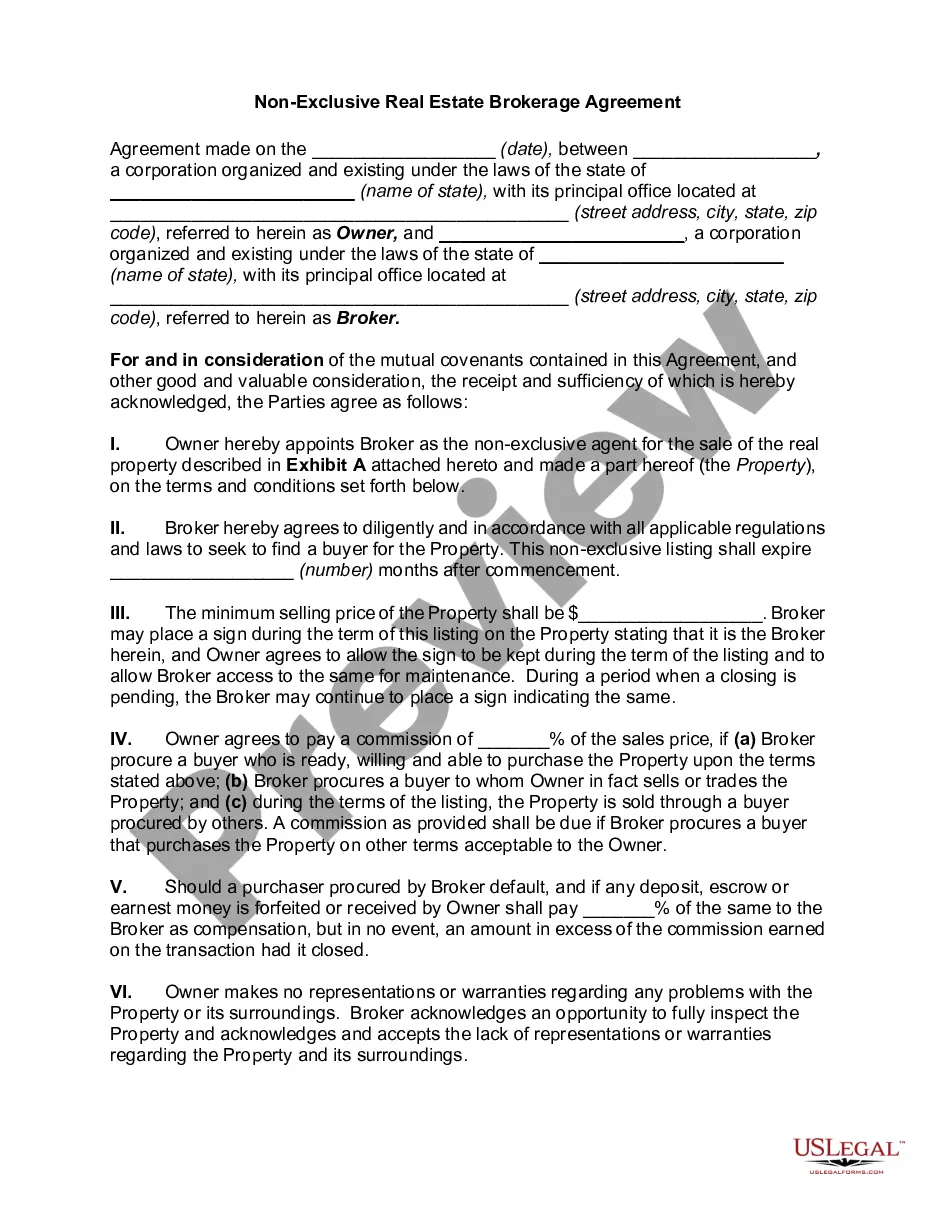
Texas Deceptive Trade Practices Act Breach Of Warranty In Wake
Description



Get your form ready online
Our built-in tools help you complete, sign, share, and store your documents in one place.
Make edits, fill in missing information, and update formatting in US Legal Forms—just like you would in MS Word.
Download a copy, print it, send it by email, or mail it via USPS—whatever works best for your next step.
Sign and collect signatures with our SignNow integration. Send to multiple recipients, set reminders, and more. Go Premium to unlock E-Sign.
If this form requires notarization, complete it online through a secure video call—no need to meet a notary in person or wait for an appointment.
We protect your documents and personal data by following strict security and privacy standards.

Make edits, fill in missing information, and update formatting in US Legal Forms—just like you would in MS Word.

Download a copy, print it, send it by email, or mail it via USPS—whatever works best for your next step.

Sign and collect signatures with our SignNow integration. Send to multiple recipients, set reminders, and more. Go Premium to unlock E-Sign.

If this form requires notarization, complete it online through a secure video call—no need to meet a notary in person or wait for an appointment.

We protect your documents and personal data by following strict security and privacy standards.
Looking for another form?





Form popularity
FAQ
Sec. 17.46. DECEPTIVE TRADE PRACTICES UNLAWFUL. (a) False, misleading, or deceptive acts or practices in the conduct of any trade or commerce are hereby declared unlawful and are subject to action by the consumer protection division under Sections 17.47, 17.58, 17.60, and 17.61 of this code.
Exemptions to The Texas Deceptive Trade Practices Act (the “DTPA”) Attorneys (or other similar professionals), Real Estate brokers & Realtors are oftentimes exempt from DTPA claims. This exemption, however, will not apply in cases of fraud or misrepresentation.
The Deceptive Trade Practices Act (sec. 17.46) protects consumers from unlawful business practices. In particular, this section of the DTPA lists what is considered an unlawful business practice in Texas. Also see section 17.50 for the legal remedies available when a warranty is breached.
One year of coverage on all workmanship and exterior materials, for example, such as siding, stucco, doors, trim, drywall, paint. Two years of coverage on windows, heating, ventilation, air conditioning, plumbing, and electrical systems. Six years is the standard of coverage in Texas for major structural defects.
The DTPA provides that "false, misleading, or deceptive acts or practices in the conduct of any trade or commerce are hereby declared unlawful." The DTPA prohibits certain acts or practices "in the conduct of any trade or commerce." This is a very broad provision.
The DTPA is often used in real estate disputes involving: Sellers who fail to disclose foundation, flooding, or structural issues. Real estate agents making false promises or material omissions. Contractors providing substandard construction or repair work.
To establish a breach of express warranty for services in Texas, a plaintiff must demonstrate that the seller sold services, made a representation about the services that became part of the contract, breached this warranty, and that the plaintiff notified the seller of the breach and suffered an injury as a result.
In order to sue under the DTPA, several elements must be met. The elements of a DTPA action include that the plaintiff must be a consumer, the defendant must have committed one of the proscribed acts under the DTPA, and the defendant's actions must have been the producing cause of the plaintiff's harm.
Elements of a DTPA Claim Generally, to prevail on a DTPA claim, plaintiffs must establish three elements: The plaintiff is a consumer; The defendant engaged in false, misleading, or deceptive acts; and. The acts were a producing cause of the consumer's damages.