Deceptive Trade With In Utah
Description

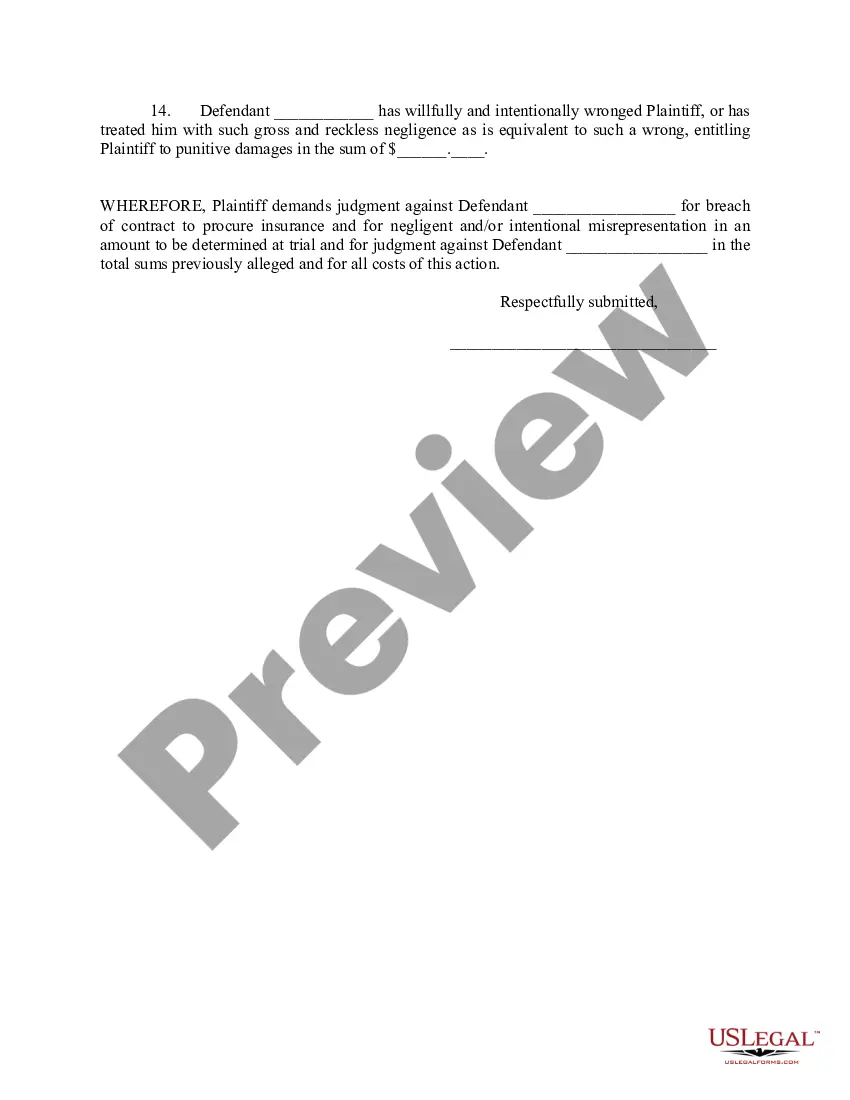

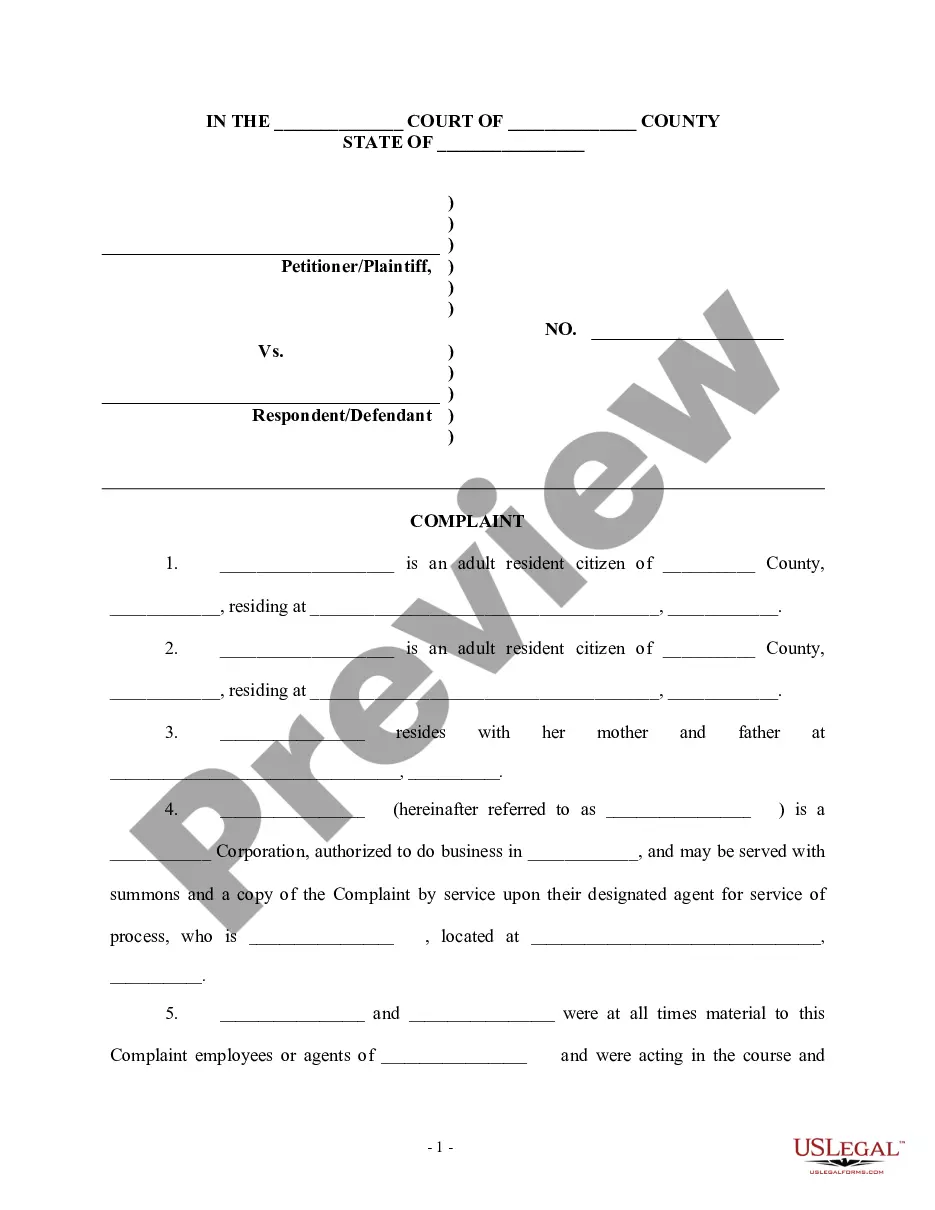

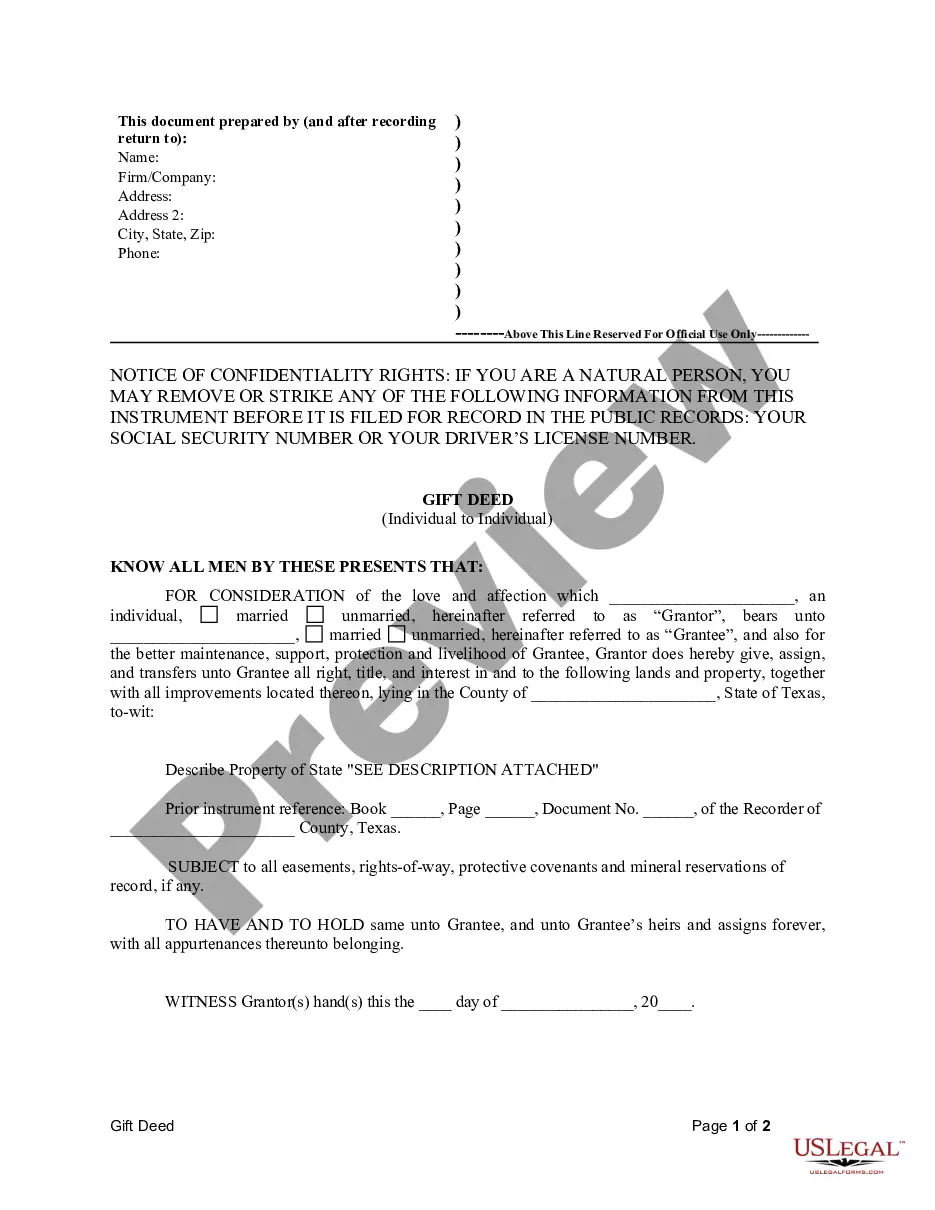
Get your form ready online
Our built-in tools help you complete, sign, share, and store your documents in one place.
Make edits, fill in missing information, and update formatting in US Legal Forms—just like you would in MS Word.
Download a copy, print it, send it by email, or mail it via USPS—whatever works best for your next step.
Sign and collect signatures with our SignNow integration. Send to multiple recipients, set reminders, and more. Go Premium to unlock E-Sign.
If this form requires notarization, complete it online through a secure video call—no need to meet a notary in person or wait for an appointment.
We protect your documents and personal data by following strict security and privacy standards.

Make edits, fill in missing information, and update formatting in US Legal Forms—just like you would in MS Word.

Download a copy, print it, send it by email, or mail it via USPS—whatever works best for your next step.

Sign and collect signatures with our SignNow integration. Send to multiple recipients, set reminders, and more. Go Premium to unlock E-Sign.

If this form requires notarization, complete it online through a secure video call—no need to meet a notary in person or wait for an appointment.

We protect your documents and personal data by following strict security and privacy standards.
Looking for another form?









Form popularity
FAQ
Fraud hotline number: 1-855-403-7283 If you wish to remain anonymous, you do not need to provide your personal information.
Duties of enforcing authority -- Confidentiality of identity of persons investigated -- Civil penalty for violation of restraining or injunctive orders.
Deceptive Trade Practices: Examples False representation of the source, sponsorship, approval, certification, accessories, characteristics, benefits, or quantities of a good or service. Representing goods as original or new when, in fact, they are deteriorated, altered, reconditioned, reclaimed, or used.
The purpose of this Chapter is to prevent deceptive, misleading, and false advertising practices and forms in Utah. Section 13-11a-3 prohibits any person from advertising goods or services without the intention to sell them as advertised and such acts or practices are held unlawful.
Deceptive act or practice by supplier. A deceptive act or practice by a supplier in connection with a consumer transaction violates this chapter whether it occurs before, during, or after the transaction.
Actions by consumer. Whether a consumer seeks or is entitled to recover damages or has an adequate remedy at law, he may bring a class action for declaratory judgment, an injunction, and appropriate ancillary relief against an act or practice that violates this chapter.
Unconscionable act or practice by supplier. An unconscionable act or practice by a supplier in connection with a consumer transaction violates this act whether it occurs before, during, or after the transaction. The unconscionability of an act or practice is a question of law for the court.
Utah's Unfair Practices Act was enacted to “safeguard the public against the creation or per- petuation of monopolies and to foster and encourage competition, by prohibiting unfair and discrimi- natory practices by which fair and honest competition is destroyed or prevented.”
76-6-405 Theft by deception. (a) An actor commits theft by deception if the actor obtains or exercises control over property of another person: (i) by deception; and (ii) with a purpose to deprive the other person of property.
Statutes of limitation apply in both civil and criminal cases. The statute of limitations for some cases is as short as six months, while some serious criminal offenses have no limit and can be filed at any time, even decades after the crime occurred. Most statutes of limitation range from one to eight years.