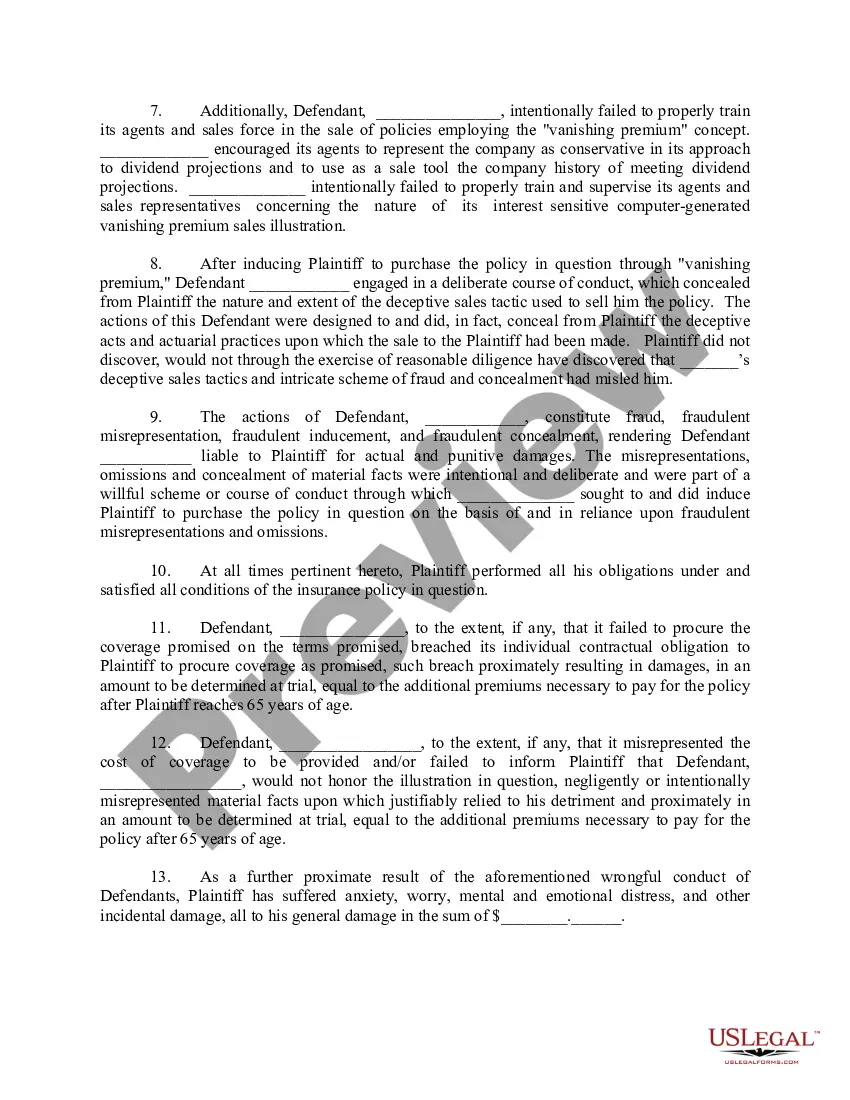
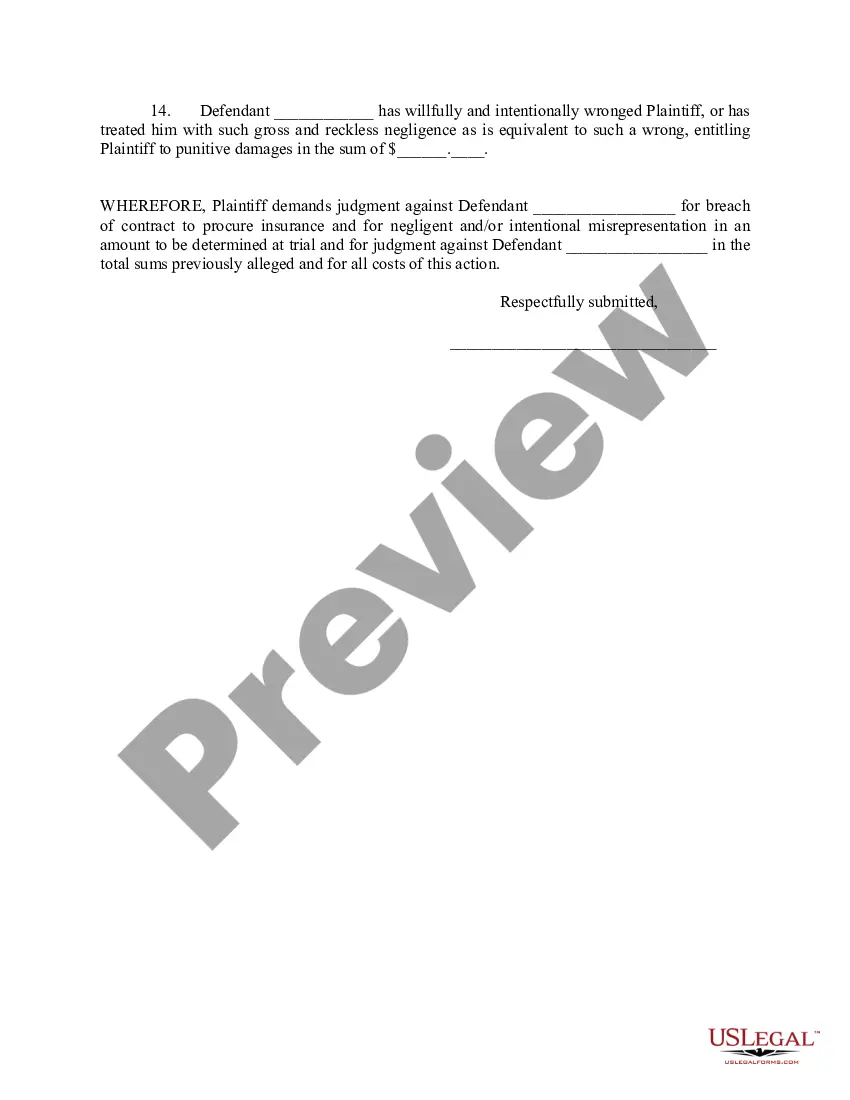
Deceptive Trade Forum In Tarrant
Description




Get your form ready online
Our built-in tools help you complete, sign, share, and store your documents in one place.
Make edits, fill in missing information, and update formatting in US Legal Forms—just like you would in MS Word.
Download a copy, print it, send it by email, or mail it via USPS—whatever works best for your next step.
Sign and collect signatures with our SignNow integration. Send to multiple recipients, set reminders, and more. Go Premium to unlock E-Sign.
If this form requires notarization, complete it online through a secure video call—no need to meet a notary in person or wait for an appointment.
We protect your documents and personal data by following strict security and privacy standards.

Make edits, fill in missing information, and update formatting in US Legal Forms—just like you would in MS Word.

Download a copy, print it, send it by email, or mail it via USPS—whatever works best for your next step.

Sign and collect signatures with our SignNow integration. Send to multiple recipients, set reminders, and more. Go Premium to unlock E-Sign.

If this form requires notarization, complete it online through a secure video call—no need to meet a notary in person or wait for an appointment.

We protect your documents and personal data by following strict security and privacy standards.
Looking for another form?








Form popularity
FAQ
10 Effective Ways to Complain About a Company Online Go to the company website. Contact the Better Business Bureau. Contact the Federal Trade Commission (FTC). Check out the Ripoff Report. Email spam@uce. Try Yelp. Post on Planet Feedback. Google your attorney general.
If your complaint meets our complaint acceptance criteria, your complaint will be sent to the business within approximately two business days. The business will be asked to respond within 14 calendar days. You will be notified of the business's response when we receive it (or notified that we received no response).
To file a complaint, just go to ftc/complaint, and answer the questions. Or call That's all there is to it. If you've been ripped off or scammed, complain to the Federal Trade Commission. It can help put the bad guys out of business.
The DTPA provides that "false, misleading, or deceptive acts or practices in the conduct of any trade or commerce are hereby declared unlawful." The DTPA prohibits certain acts or practices "in the conduct of any trade or commerce." This is a very broad provision.
The FTC's Bureau of Consumer Protection stops unfair, deceptive and fraudulent business practices by collecting reports from consumers and conducting investigations, suing companies and people that break the law, developing rules to maintain a fair marketplace, and educating consumers and businesses about their rights ...
When you are ready to file a DTPA lawsuit in Texas, you can't go straight to the courthouse to file your claim. The Deceptive Trade Practices Act requires that you give written notice of your problem to the business at least 60 days before you can file the suit in court.
File a complaint with government or consumer programs File a complaint with your local consumer protection office. Notify the Better Business Bureau (BBB) in your area about your problem. Report scams and suspicious communications to the Federal Trade Commission.
Register your complaint online with the Ministry of Corporate Affairs. You need to fill up this form with information such as your name, city, country, nature of complaint, complaint category, company name etc.
One of the best ways to avoid giving misinformation and violating the Texas Deceptive Trade Practices-Consumer Protection Act is to ensure that the information you provide is accurate and factually supported. Always double-check your facts and sources before sharing information.
Steps to Filing a DTPA Claim The process begins with providing a written notice to the offending business at least 60 days before filing a lawsuit, detailing the complaint and specifying the alleged violations of 17.46(b) of the Texas Business and Commerce Act.