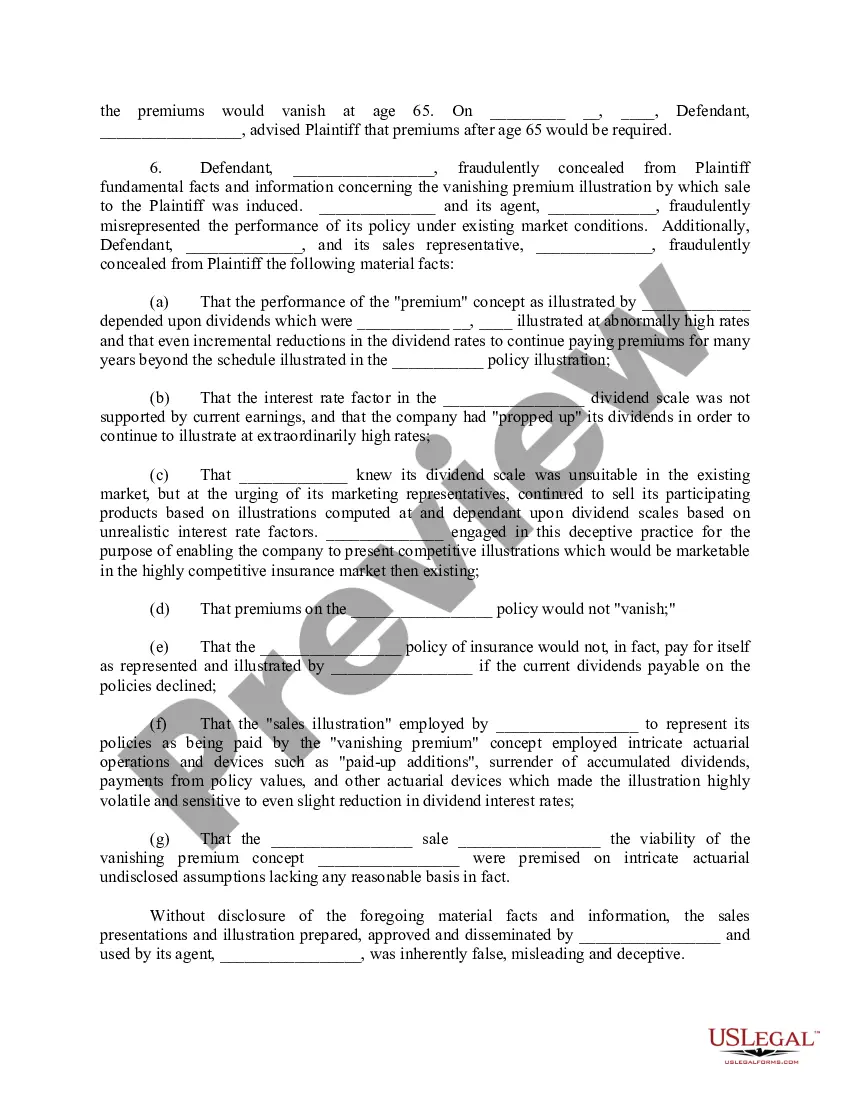
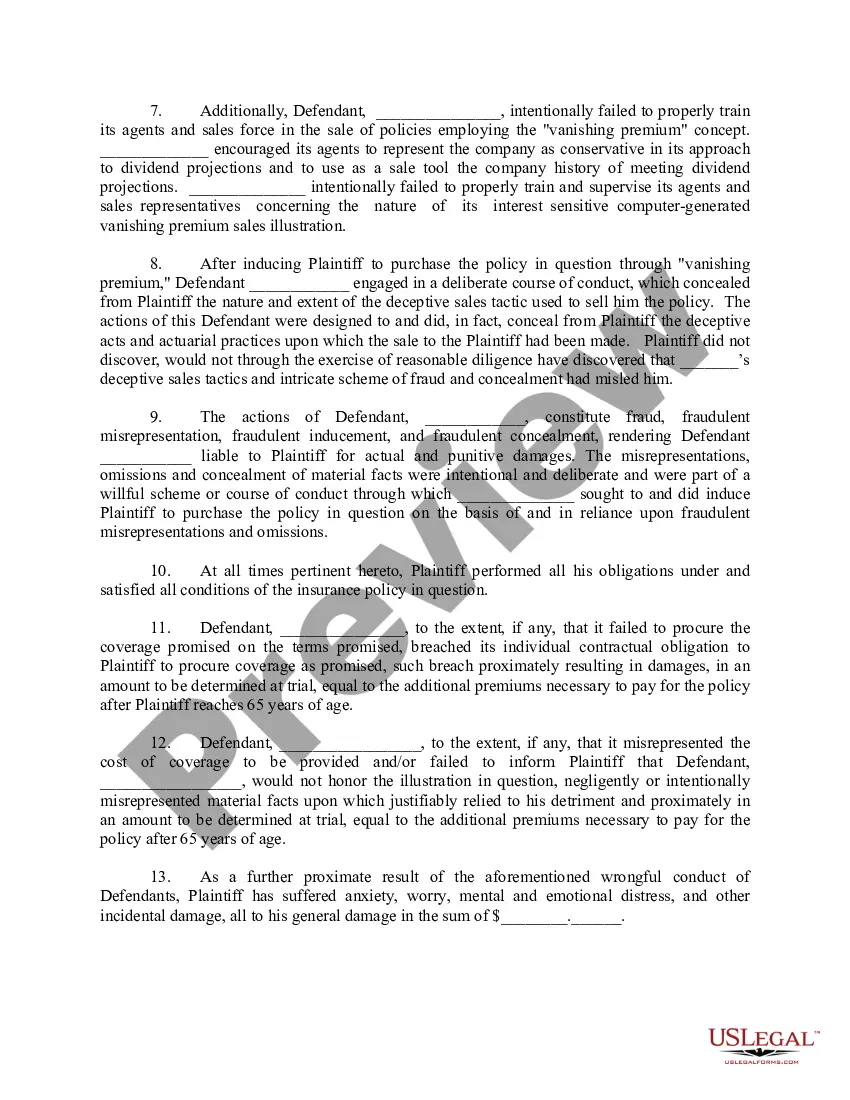
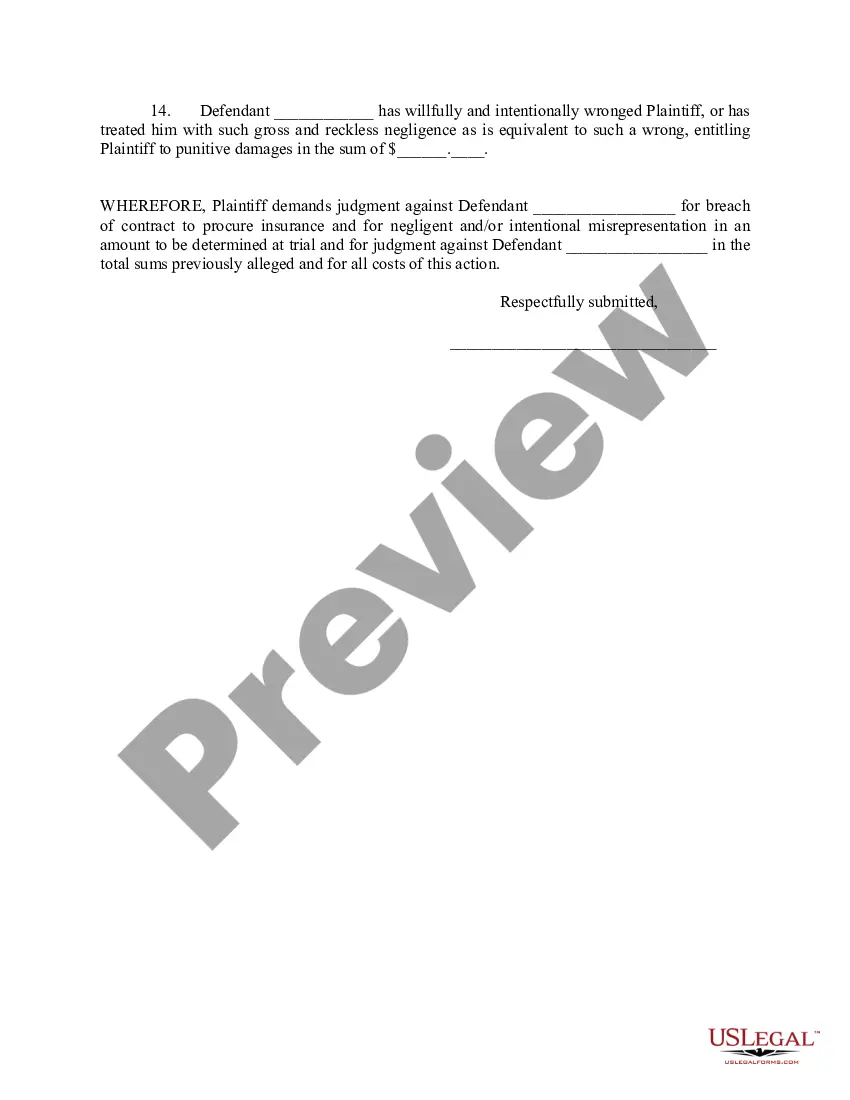
Deceptive Practices In Marketing In Tarrant
Description




Get your form ready online
Our built-in tools help you complete, sign, share, and store your documents in one place.
Make edits, fill in missing information, and update formatting in US Legal Forms—just like you would in MS Word.
Download a copy, print it, send it by email, or mail it via USPS—whatever works best for your next step.
Sign and collect signatures with our SignNow integration. Send to multiple recipients, set reminders, and more. Go Premium to unlock E-Sign.
If this form requires notarization, complete it online through a secure video call—no need to meet a notary in person or wait for an appointment.
We protect your documents and personal data by following strict security and privacy standards.

Make edits, fill in missing information, and update formatting in US Legal Forms—just like you would in MS Word.

Download a copy, print it, send it by email, or mail it via USPS—whatever works best for your next step.

Sign and collect signatures with our SignNow integration. Send to multiple recipients, set reminders, and more. Go Premium to unlock E-Sign.

If this form requires notarization, complete it online through a secure video call—no need to meet a notary in person or wait for an appointment.

We protect your documents and personal data by following strict security and privacy standards.
Looking for another form?





Form popularity
FAQ
The DTPA provides that "false, misleading, or deceptive acts or practices in the conduct of any trade or commerce are hereby declared unlawful." The DTPA prohibits certain acts or practices "in the conduct of any trade or commerce." This is a very broad provision.
Elements of a DTPA Claim Generally, to prevail on a DTPA claim, plaintiffs must establish three elements: The plaintiff is a consumer; The defendant engaged in false, misleading, or deceptive acts; and. The acts were a producing cause of the consumer's damages.
Section 17.50 - Relief for Consumers (a) A consumer may maintain an action where any of the following constitute a producing cause of economic damages or damages for mental anguish: (1) the use or employment by any person of a false, misleading, or deceptive act or practice that is: (A) specifically enumerated in a ...
False advertising is illegal in Texas. It generally includes making false statements about the advertiser's product, or a competitor's product. Normally, only objective claims may violate false advertising laws. Stating that a car gets better gas mileage than it actually does is one example.
The primary tool the Office of the Attorney General uses to protect Texas consumers is the Deceptive Trade Practices Act (DTPA). This law lists many practices that are false, deceptive, or misleading. When you fall victim to illegal practices covered by the DTPA, you may have the right to sue for damages under the act.
Explanation: The most likely action to be a violation of the Texas Deceptive Trade Practices-Consumer Protection Act would be misleading advertising. This act prohibits false, misleading, or deceptive acts or practices in connection with the sale of goods or services.
One of the best ways to avoid giving misinformation and violating the Texas Deceptive Trade Practices-Consumer Protection Act is to ensure that the information you provide is accurate and factually supported. Always double-check your facts and sources before sharing information.
Texas Deceptive Trade Practices Act Generally speaking, it prohibits people and businesses from using misleading or dishonest actions or statements in the course of doing business or making a sale.
(a) This subchapter shall be liberally construed and applied to promote its underlying purposes, which are to protect consumers against false, misleading, and deceptive business practices, unconscionable actions, and breaches of warranty and to provide efficient and economical procedures to secure such protection.
When you are ready to file a DTPA lawsuit in Texas, you can't go straight to the courthouse to file your claim. The Deceptive Trade Practices Act requires that you give written notice of your problem to the business at least 60 days before you can file the suit in court.