Unfair Trade Practices For False Advertising In Santa Clara
Description

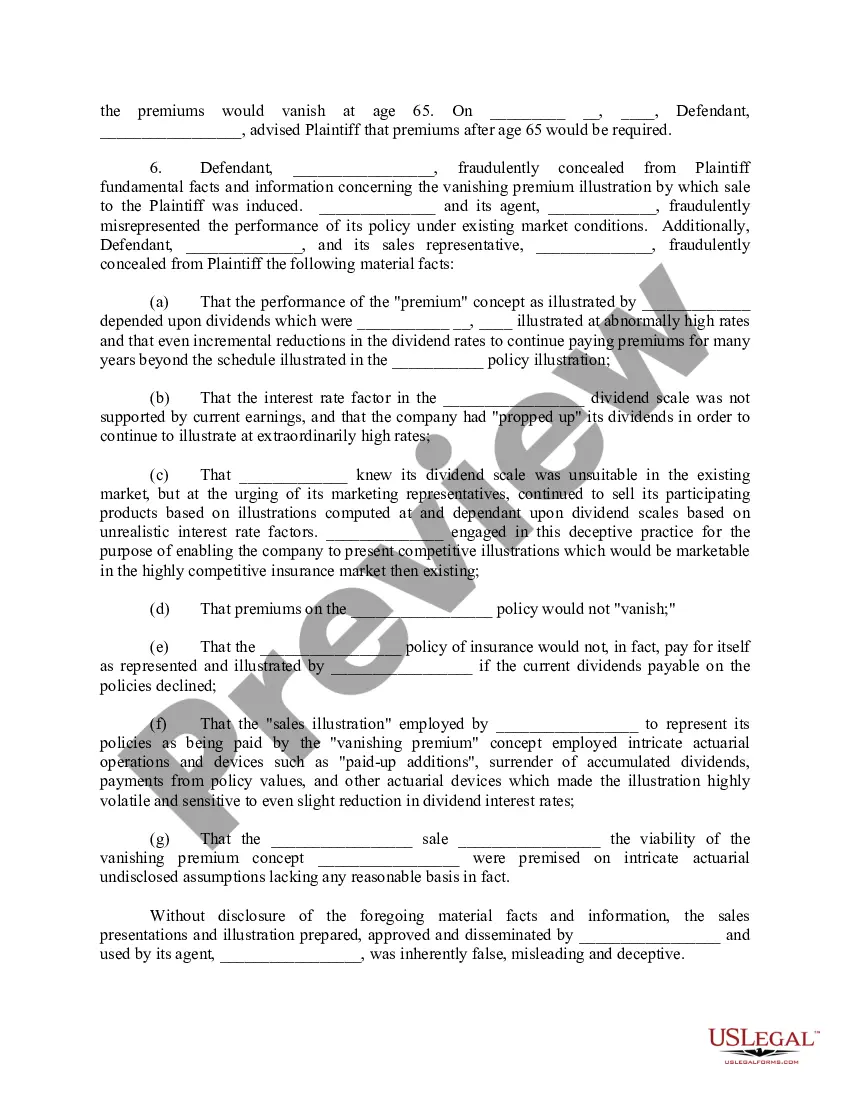
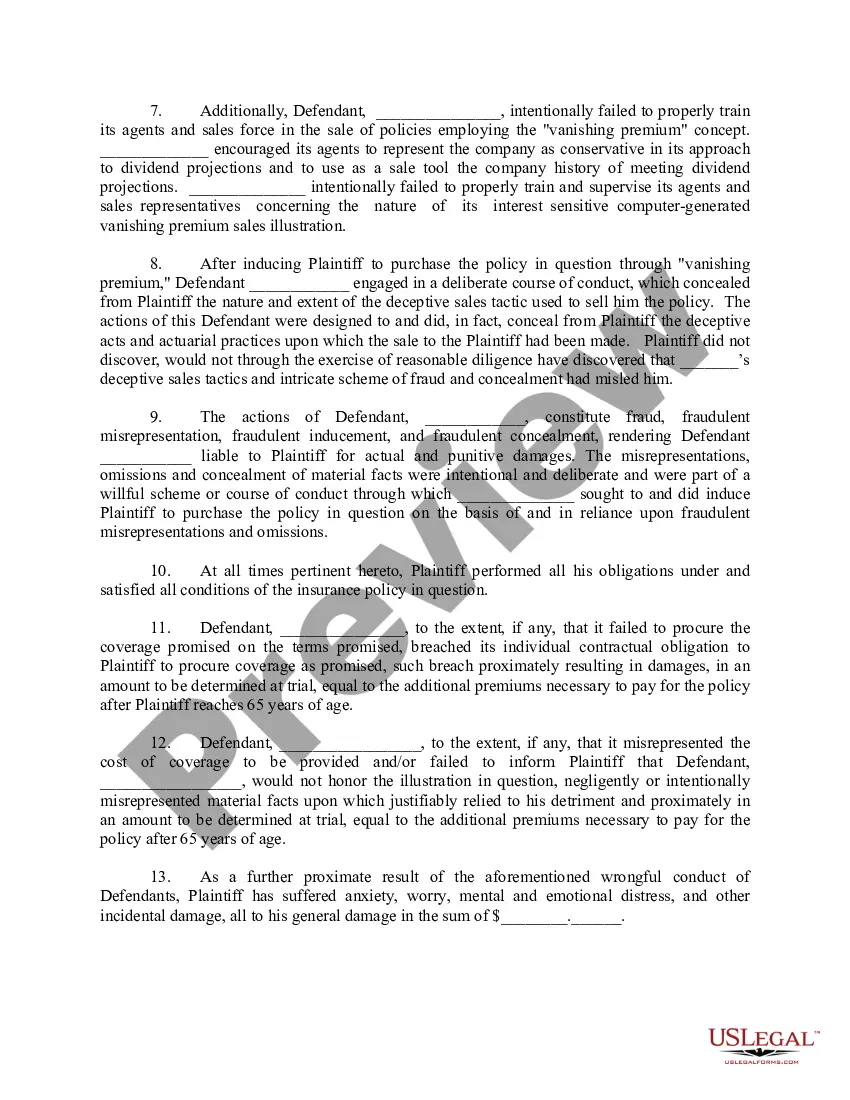
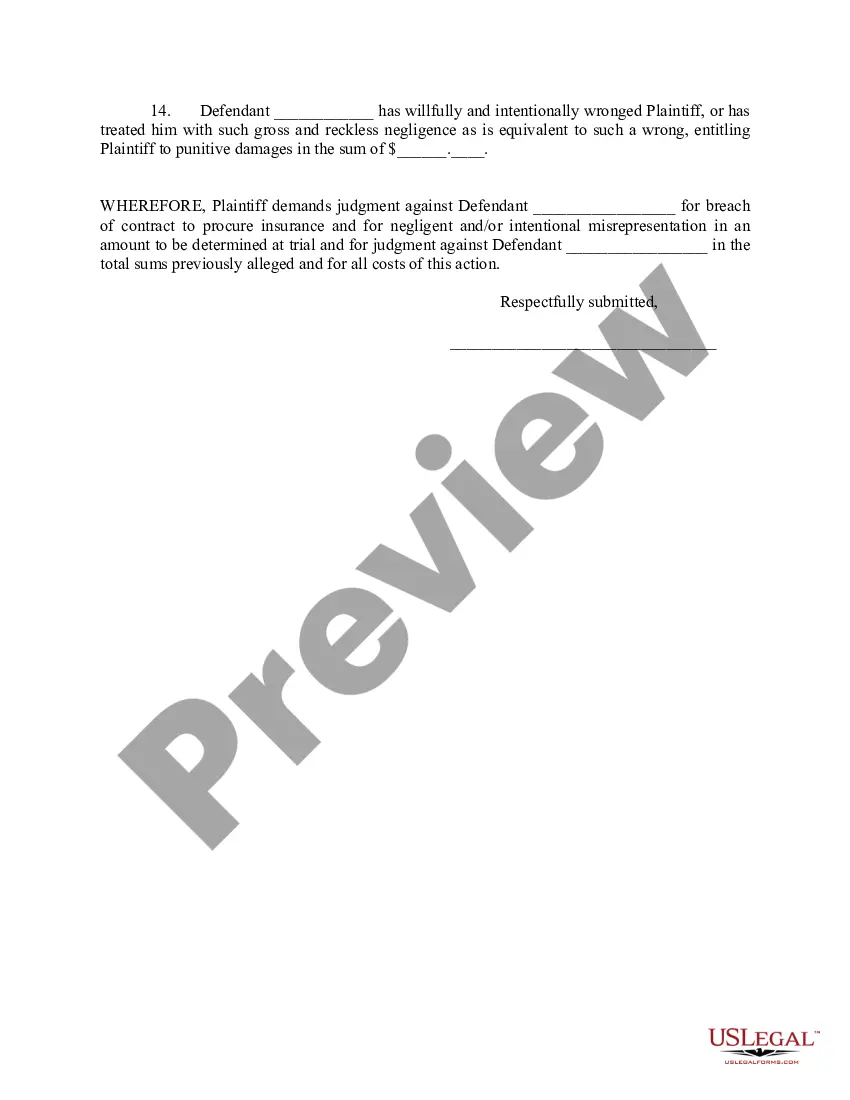



Get your form ready online
Our built-in tools help you complete, sign, share, and store your documents in one place.
Make edits, fill in missing information, and update formatting in US Legal Forms—just like you would in MS Word.
Download a copy, print it, send it by email, or mail it via USPS—whatever works best for your next step.
Sign and collect signatures with our SignNow integration. Send to multiple recipients, set reminders, and more. Go Premium to unlock E-Sign.
If this form requires notarization, complete it online through a secure video call—no need to meet a notary in person or wait for an appointment.
We protect your documents and personal data by following strict security and privacy standards.

Make edits, fill in missing information, and update formatting in US Legal Forms—just like you would in MS Word.

Download a copy, print it, send it by email, or mail it via USPS—whatever works best for your next step.

Sign and collect signatures with our SignNow integration. Send to multiple recipients, set reminders, and more. Go Premium to unlock E-Sign.

If this form requires notarization, complete it online through a secure video call—no need to meet a notary in person or wait for an appointment.

We protect your documents and personal data by following strict security and privacy standards.
Looking for another form?









Form popularity
FAQ
Code § 17500. A violation of the law is a misdemeanor, punishable by up to six months in jail or by a fine of up to $2,500.00. Also, violations may expose the company to private claims for restitution or injunctive relief under the False Advertising Law.
Companies that receive this Notice and nevertheless engage in prohibited practices can face civil penalties of up to $50,120 per violation.
In order to prevail in a false advertising lawsuit in California, the plaintiff would need to prove: The defendant lied about a material fact; The plaintiff purchased the product or services based on this lie; and. The plaintiff suffered financial harm as a result.
Department of Consumer Affairs. File a complaint online at .dca.ca or call 800.952. 5210 to have a complaint form mailed to you. California Attorney General's Office.
To establish that an advertisement is false, a plaintiff must prove five things: (1) a false statement of fact has been made about the advertiser's own or another person's goods, services, or commercial activity; (2) the statement either deceives or has the potential to deceive a substantial portion of its targeted ...
The Consumers Legal Remedies Act (CLRA) is a California law that protects consumers against a wide range of deceptive business practices, including false advertising and misrepresentation, and allows them to seek legal remedies such as damages and injunctive relief.
Section 17508 - False or misleading advertising claim (a) It shall be unlawful for any person doing business in California and advertising to consumers in California to make any false or misleading advertising claim, including claims that (1) purport to be based on factual, objective, or clinical evidence, (2) compare ...
A Consumer Protection Attorney Can Manage a Class Actions for False Advertising. Class actions are an effective option for people who have been harmed by false advertising and do not want to go it alone. They allow a number of people to sue false advertisers collectively, in a single lawsuit.
The Federal Trade Commission (FTC) works to prevent fraudulent, deceptive, and unfair business practices. They also provide information to help consumers spot, stop, and avoid scams and fraud.
To report misleading advertising at the local level, contact the Better Business Bureau.