Deceptive Trade For Nevada In Salt Lake
Description

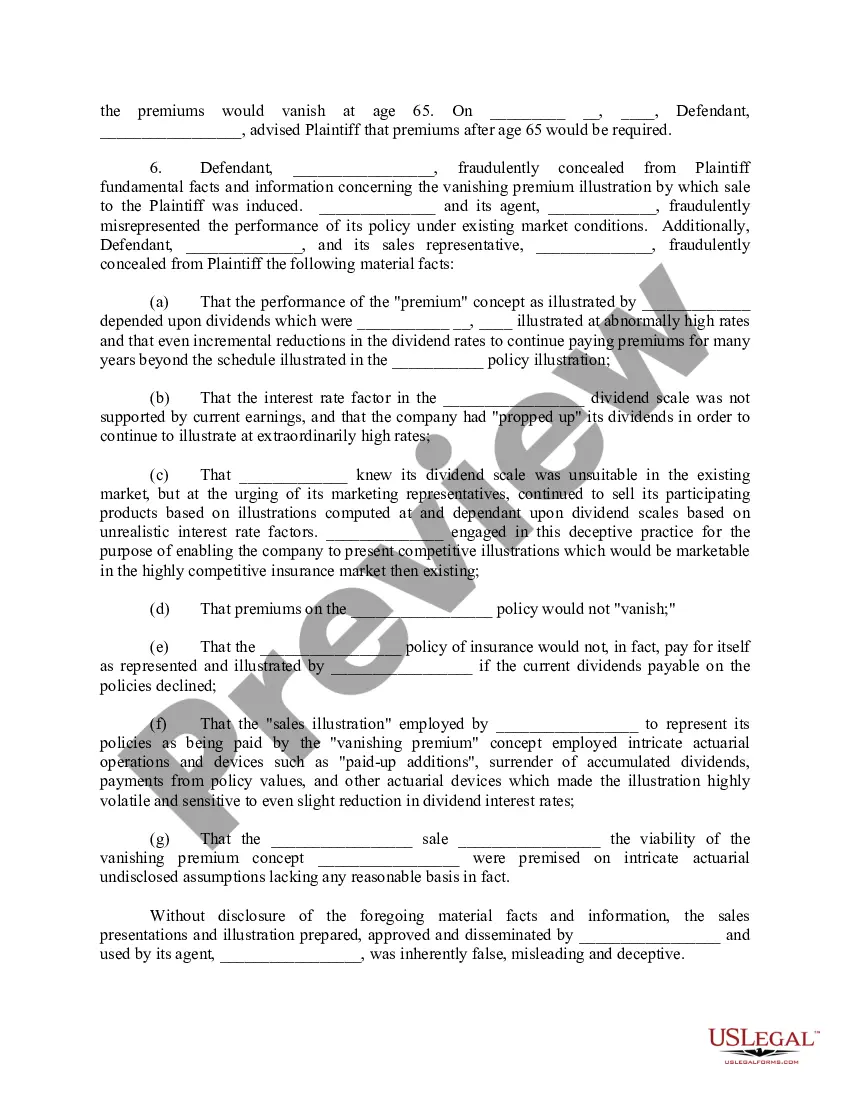
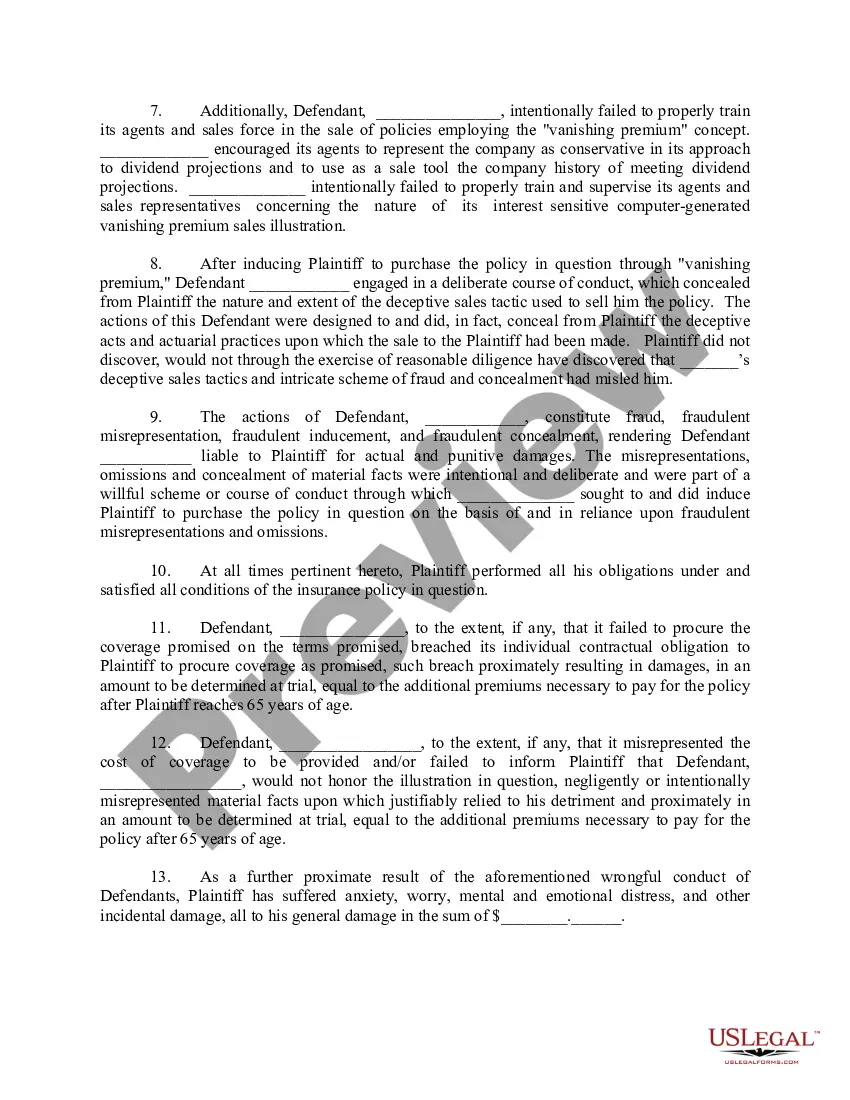
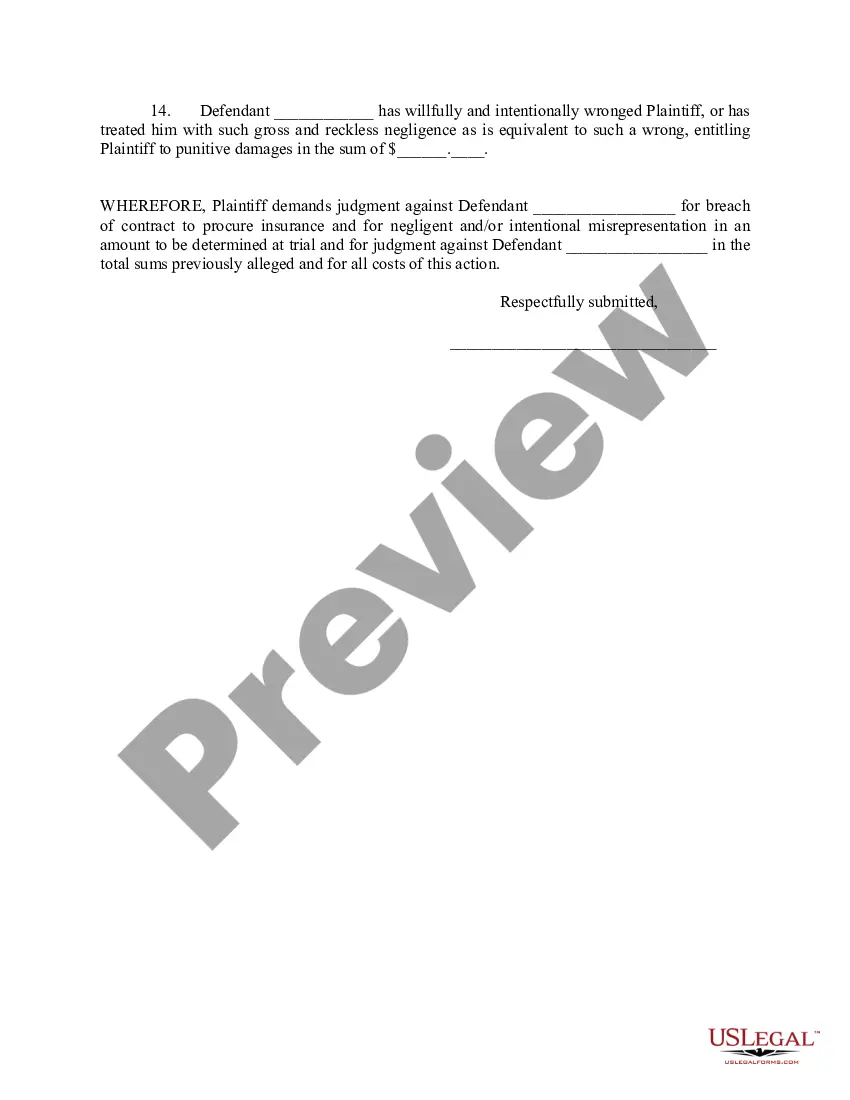

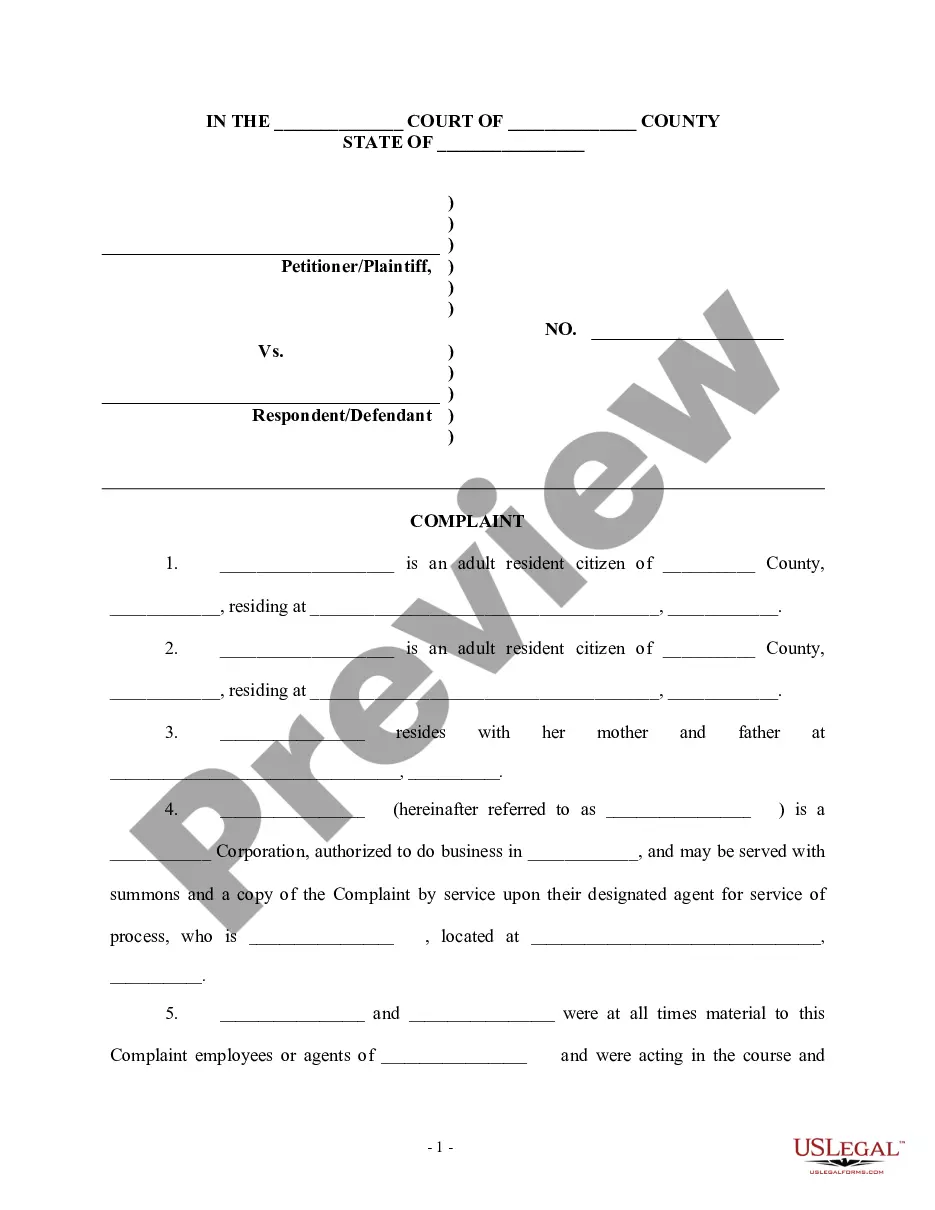

Get your form ready online
Our built-in tools help you complete, sign, share, and store your documents in one place.
Make edits, fill in missing information, and update formatting in US Legal Forms—just like you would in MS Word.
Download a copy, print it, send it by email, or mail it via USPS—whatever works best for your next step.
Sign and collect signatures with our SignNow integration. Send to multiple recipients, set reminders, and more. Go Premium to unlock E-Sign.
If this form requires notarization, complete it online through a secure video call—no need to meet a notary in person or wait for an appointment.
We protect your documents and personal data by following strict security and privacy standards.

Make edits, fill in missing information, and update formatting in US Legal Forms—just like you would in MS Word.

Download a copy, print it, send it by email, or mail it via USPS—whatever works best for your next step.

Sign and collect signatures with our SignNow integration. Send to multiple recipients, set reminders, and more. Go Premium to unlock E-Sign.

If this form requires notarization, complete it online through a secure video call—no need to meet a notary in person or wait for an appointment.

We protect your documents and personal data by following strict security and privacy standards.
Looking for another form?



Form popularity
FAQ
NRS 207.171 is the Nevada statute that prohibits using false or misleading advertisements. False ads are a crime even if no one is deceived or sustains losses. NRS 207.175 makes deceptive advertising a misdemeanor for a first- or second offense, carrying up to six months in jail and/or $1,000.
Code § 17535. In addition, the Attorney General “or any district attorney, county counsel, city attorney, or city prosecutor in California” may bring a claim under the False Advertising Law for not only restitution and an injunction but civil penalties of up to $2,500.00 per violation.
It is illegal in Nevada to disseminate or distribute false or misleading advertising under NRS 207.171. Being sued and/or convicted of false or misleading advertising have both civil and criminal consequences.
1. No vehicle dealer or rebuilder may employ "bait and switch" advertising or otherwise intentionally publish, display or circulate any advertising which is misleading or inaccurate in any material particular or which misrepresents any of the products sold, leased, manufactured, handled or furnished to the public.
The California Unfair Practices Act, beginning at Section 17000 of the California Business & Professions Code, prohibits unfair competition and “any unlawful, unfair or fraudulent business act or practice and unfair, deceptive, untrue or misleading advertising.” A merchant who violates the Unfair Practices Act can be ...
A person engages in a “deceptive trade practice” when in the course of his or her business or occupation he or she knowingly: (a) Conducts the business or occupation without all required state, county or city licenses. (b) Fails to disclose a material fact in connection with the sale or lease of goods or services.
To establish that an advertisement is false, a plaintiff must prove five things: (1) a false statement of fact has been made about the advertiser's own or another person's goods, services, or commercial activity; (2) the statement either deceives or has the potential to deceive a substantial portion of its targeted ...
The FTC's Bureau of Consumer Protection stops unfair, deceptive and fraudulent business practices by: collecting complaints and conducting investigations. suing companies and people that break the law. developing rules to maintain a fair marketplace.
Staff investigates and mediates complaints of unethical and deceptive business practices between consumers and merchants. The department also conducts special investigations that are presented to prosecuting agencies for civil and criminal prosecution.
NRS 207.171 is the Nevada statute that prohibits using false or misleading advertisements. False ads are a crime even if no one is deceived or sustains losses. NRS 207.175 makes deceptive advertising a misdemeanor for a first- or second offense, carrying up to six months in jail and/or $1,000.