Unfair Trade Practices In India In Maricopa
Description



Get your form ready online
Our built-in tools help you complete, sign, share, and store your documents in one place.
Make edits, fill in missing information, and update formatting in US Legal Forms—just like you would in MS Word.
Download a copy, print it, send it by email, or mail it via USPS—whatever works best for your next step.
Sign and collect signatures with our SignNow integration. Send to multiple recipients, set reminders, and more. Go Premium to unlock E-Sign.
If this form requires notarization, complete it online through a secure video call—no need to meet a notary in person or wait for an appointment.
We protect your documents and personal data by following strict security and privacy standards.

Make edits, fill in missing information, and update formatting in US Legal Forms—just like you would in MS Word.

Download a copy, print it, send it by email, or mail it via USPS—whatever works best for your next step.

Sign and collect signatures with our SignNow integration. Send to multiple recipients, set reminders, and more. Go Premium to unlock E-Sign.

If this form requires notarization, complete it online through a secure video call—no need to meet a notary in person or wait for an appointment.

We protect your documents and personal data by following strict security and privacy standards.
Looking for another form?





Form popularity
FAQ
The law broadly prohibits businesses from using deceptive or unfair practices, fraud, misrepresentation, and omission of material fact during the sale or advertisement of goods and services.
--If any person indulges in fraudulent and unfair trade practices relating to securities, he shall be liable to a penalty 2which shall not be less than five lakh rupees but which may extend to twenty-five crore rupees or three times the amount of profits made out of such practices, whichever is higher.
The term “unfair trade practice” describes the use of deceptive, fraudulent, or unethical methods to gain business advantage or to cause injury to a consumer. Unfair trade practices are considered unlawful under the Consumer Protection Act.
The Act prohibits anti-competitive agreements, abuse of dominant position by enterprises, and regulates combinations (mergers, amalgamations and acquisitions) with a view to ensure that there is no adverse effect on competition in India.
Types of Unfair Trade Practices ① Refusal to Deal. ② Discriminatory Treatment. ③ Exclusion of a Competitor. ④ Unfair Solicitation of Customers. ⑤ Coercion of Transaction. ⑥ Abuse of Superior Bargaining Position. ⑦ Imposing Binding Conditional Trade. ⑧ Obstruction of Business Activities.
The phrase unfair trade practices can be defined as any business practice or act that is deceptive, fraudulent, or causes injury to a consumer. These practices can include acts that are deemed unlawful, such as those that violate a consumer protection law.
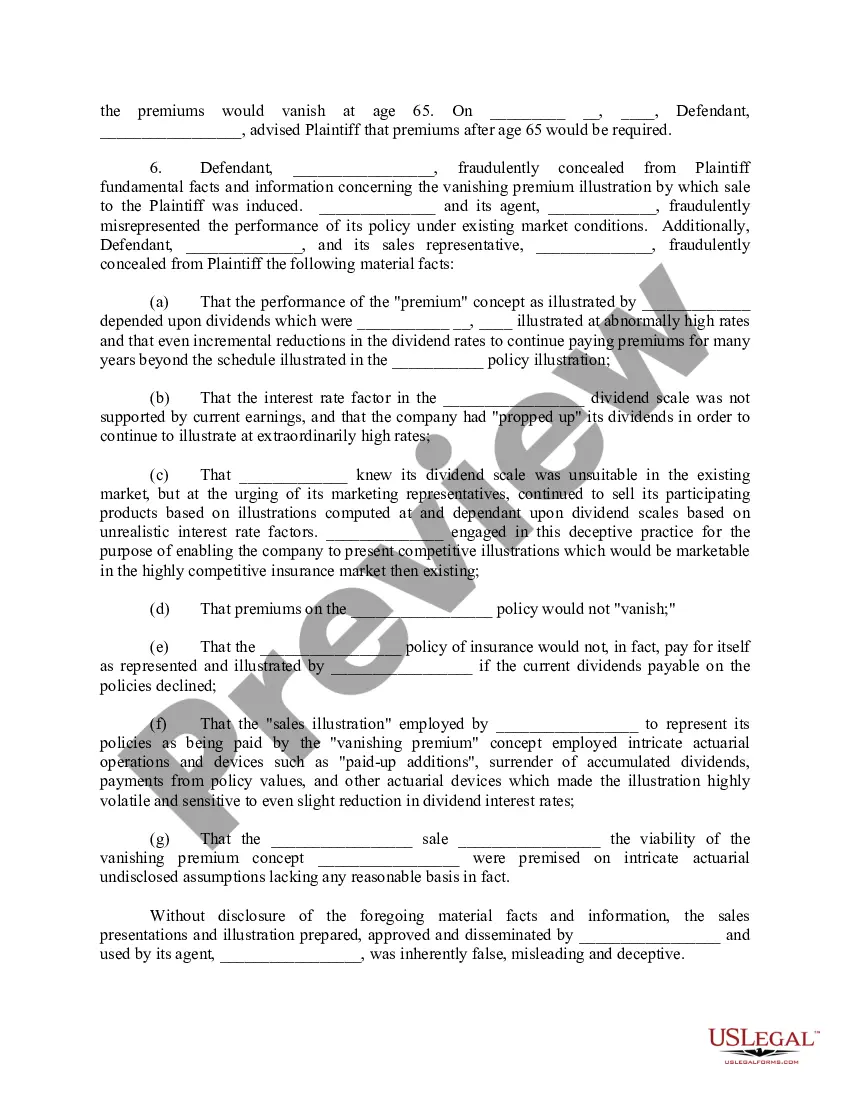
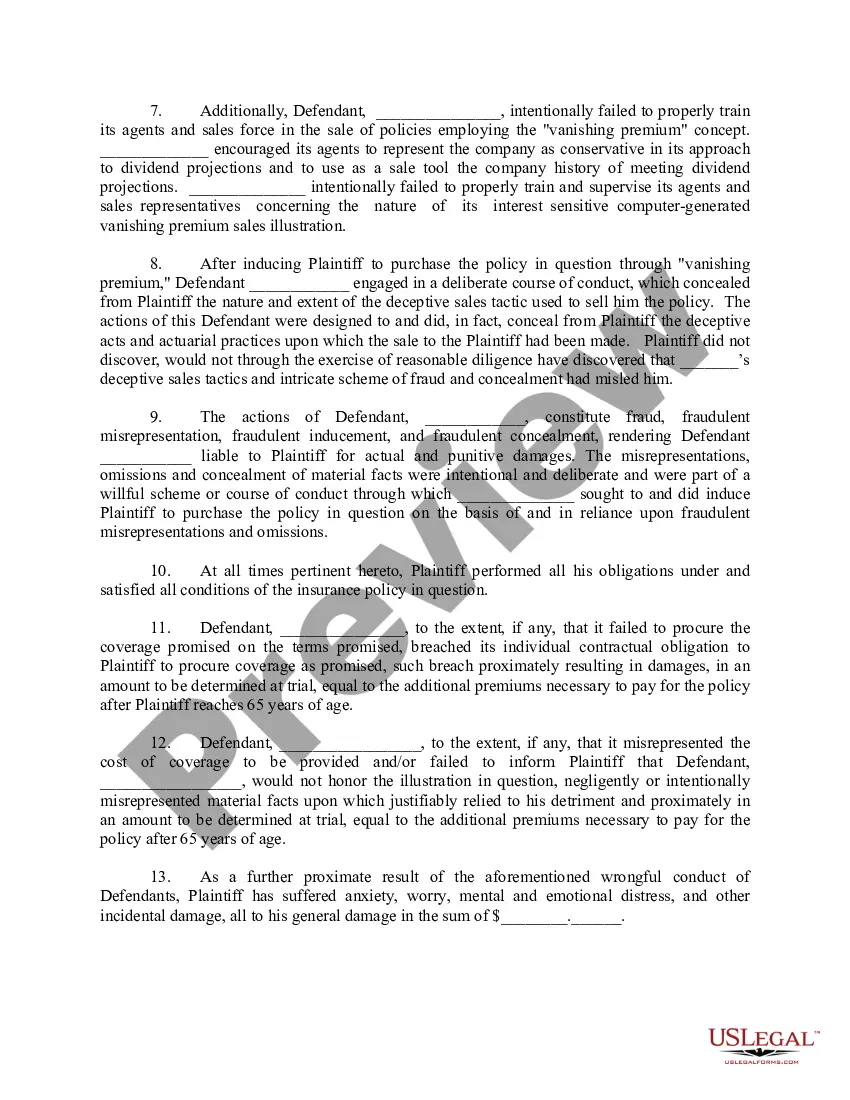
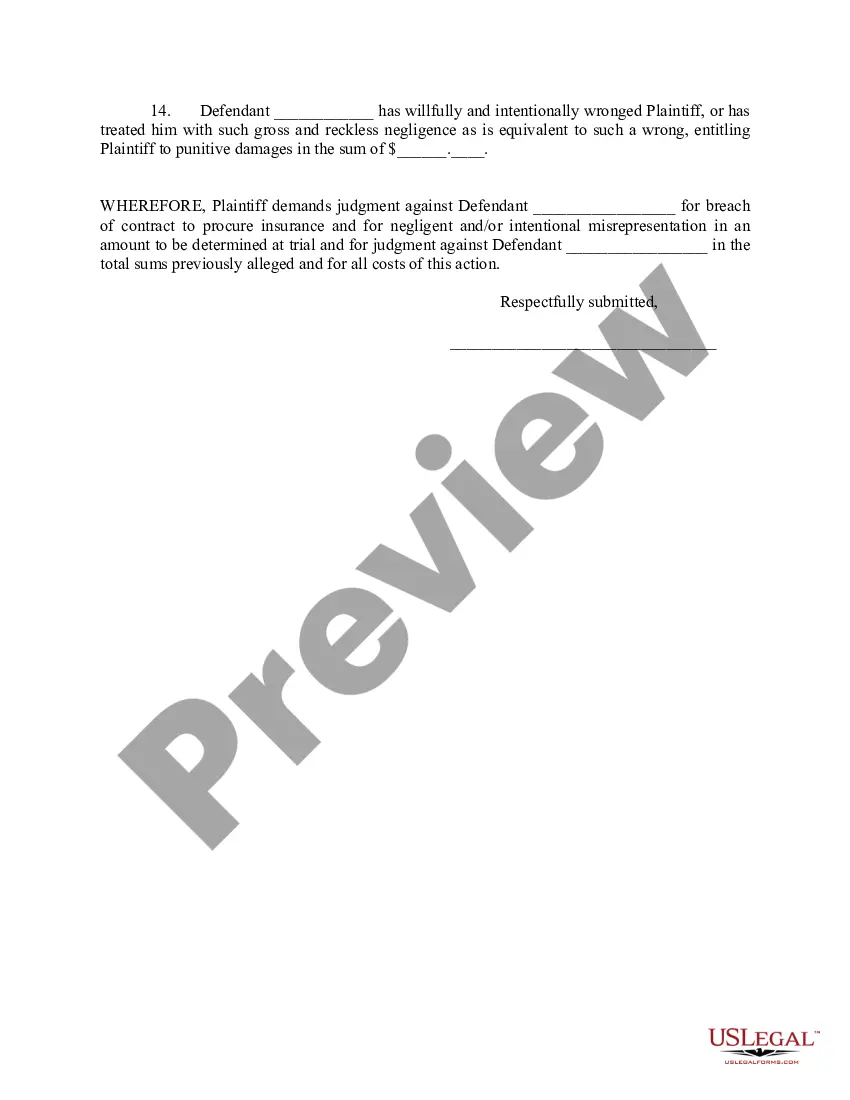
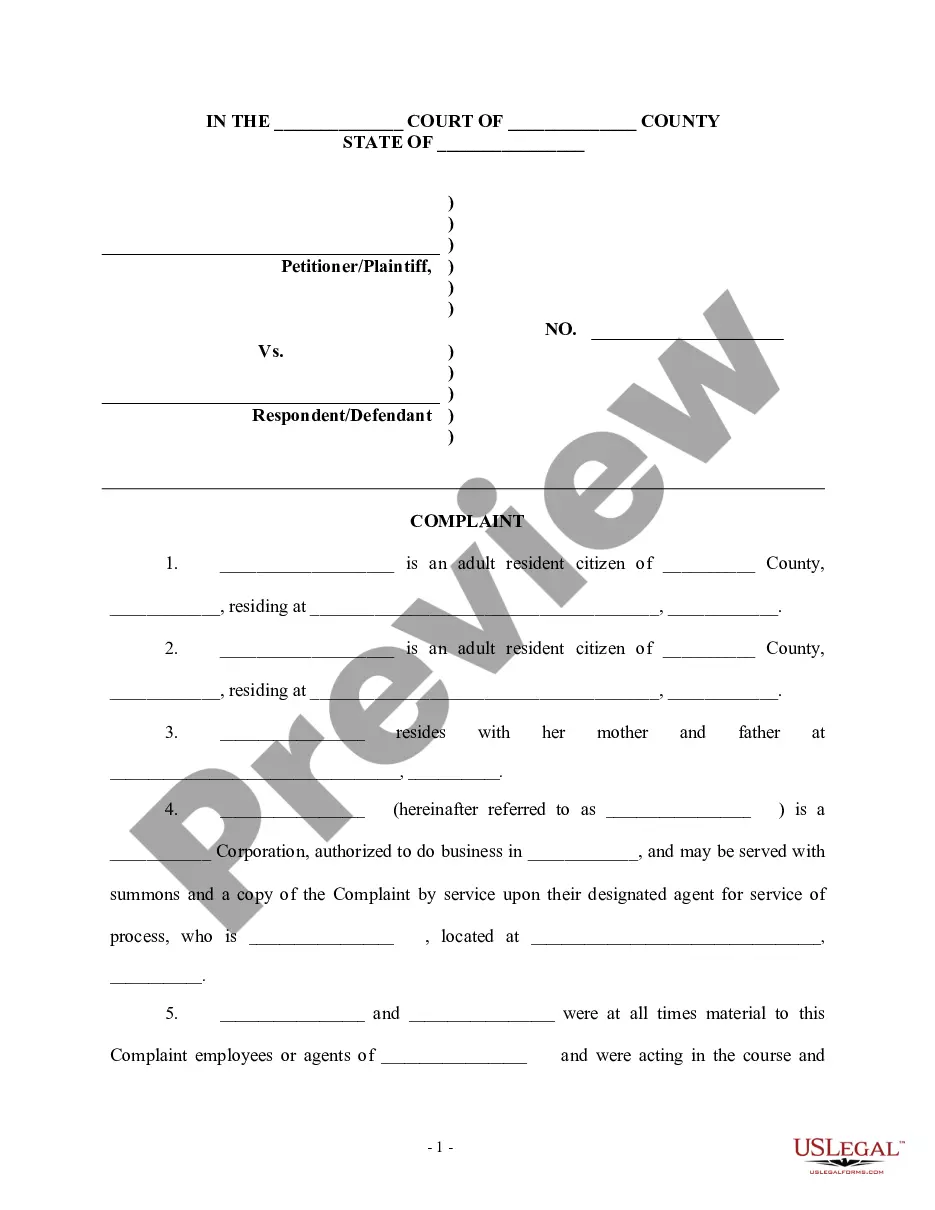
The plaintiff files a document (complaint) with the clerk of the court stating the reasons why the plaintiff is suing the defendant, and what action the plaintiff wants the court to take. A copy of the complaint and a summons are delivered to (served on) the defendant.
Common bases for suing a company include breach of contract, negligence, product liability, employment discrimination, and fraud. Be sure to have all relevant documents and evidence to support your claim. Jurisdiction and Venue: Ensure that you file your lawsuit in the correct jurisdiction and venue.