Deceptive Trade Practices By In Maricopa
Description


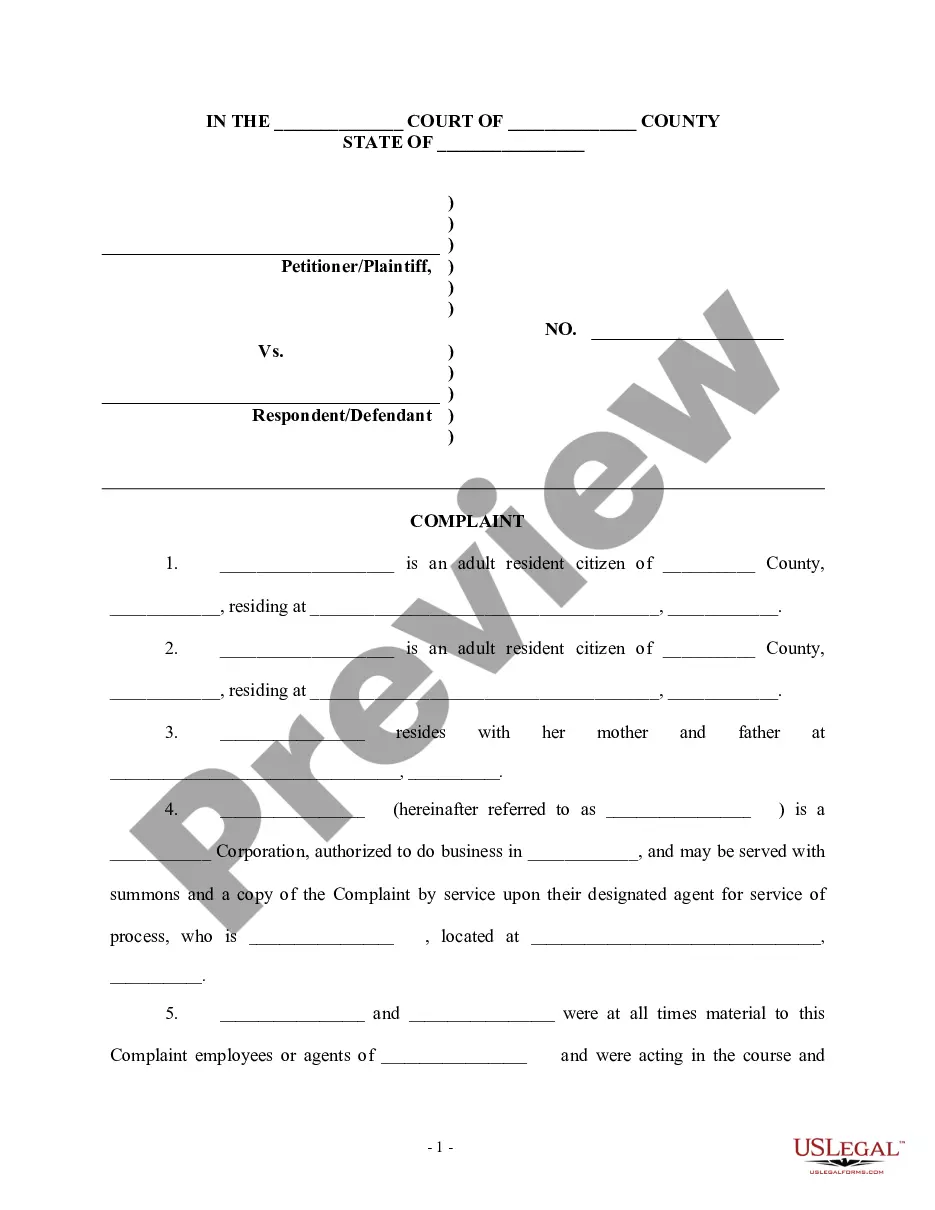
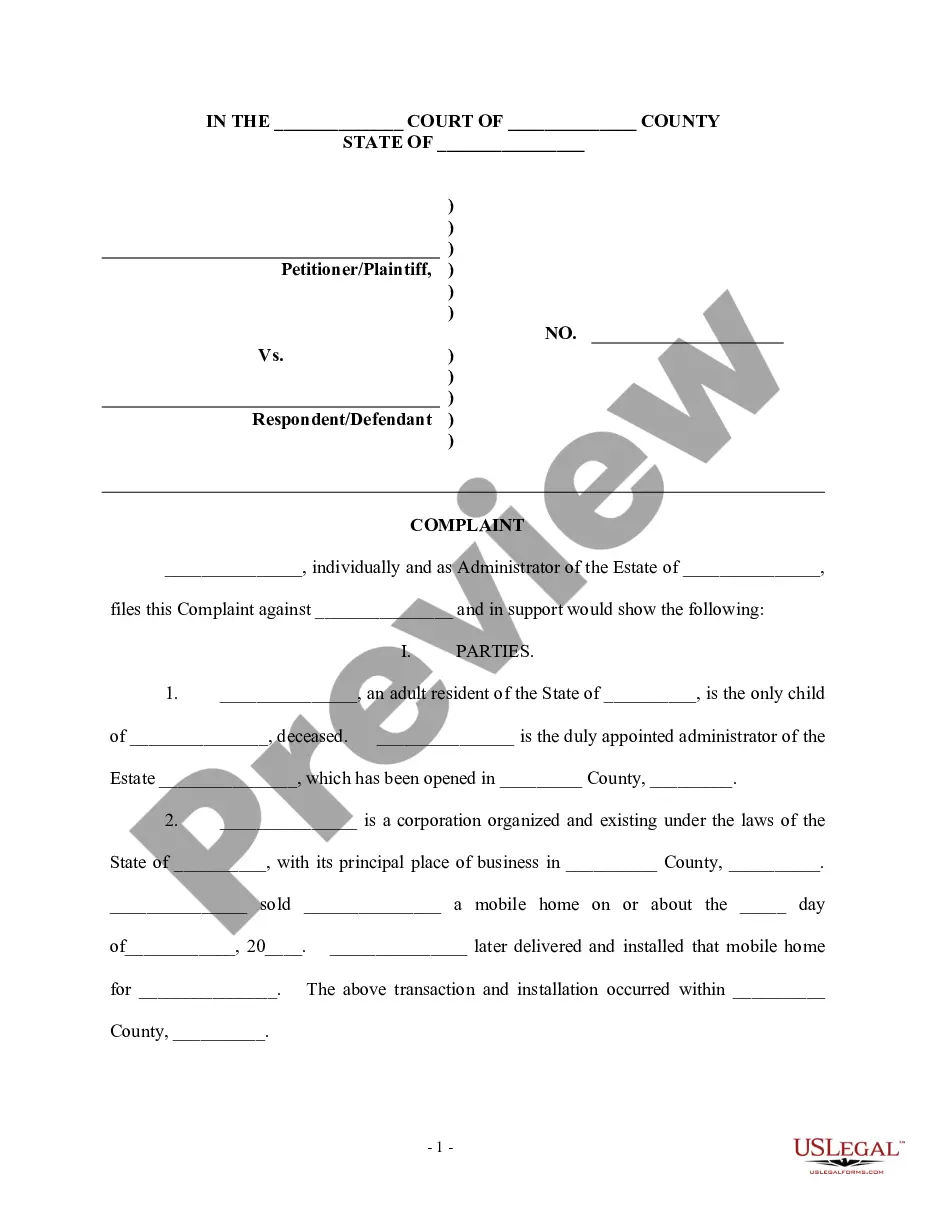
Get your form ready online
Our built-in tools help you complete, sign, share, and store your documents in one place.
Make edits, fill in missing information, and update formatting in US Legal Forms—just like you would in MS Word.
Download a copy, print it, send it by email, or mail it via USPS—whatever works best for your next step.
Sign and collect signatures with our SignNow integration. Send to multiple recipients, set reminders, and more. Go Premium to unlock E-Sign.
If this form requires notarization, complete it online through a secure video call—no need to meet a notary in person or wait for an appointment.
We protect your documents and personal data by following strict security and privacy standards.

Make edits, fill in missing information, and update formatting in US Legal Forms—just like you would in MS Word.

Download a copy, print it, send it by email, or mail it via USPS—whatever works best for your next step.

Sign and collect signatures with our SignNow integration. Send to multiple recipients, set reminders, and more. Go Premium to unlock E-Sign.

If this form requires notarization, complete it online through a secure video call—no need to meet a notary in person or wait for an appointment.

We protect your documents and personal data by following strict security and privacy standards.
Looking for another form?






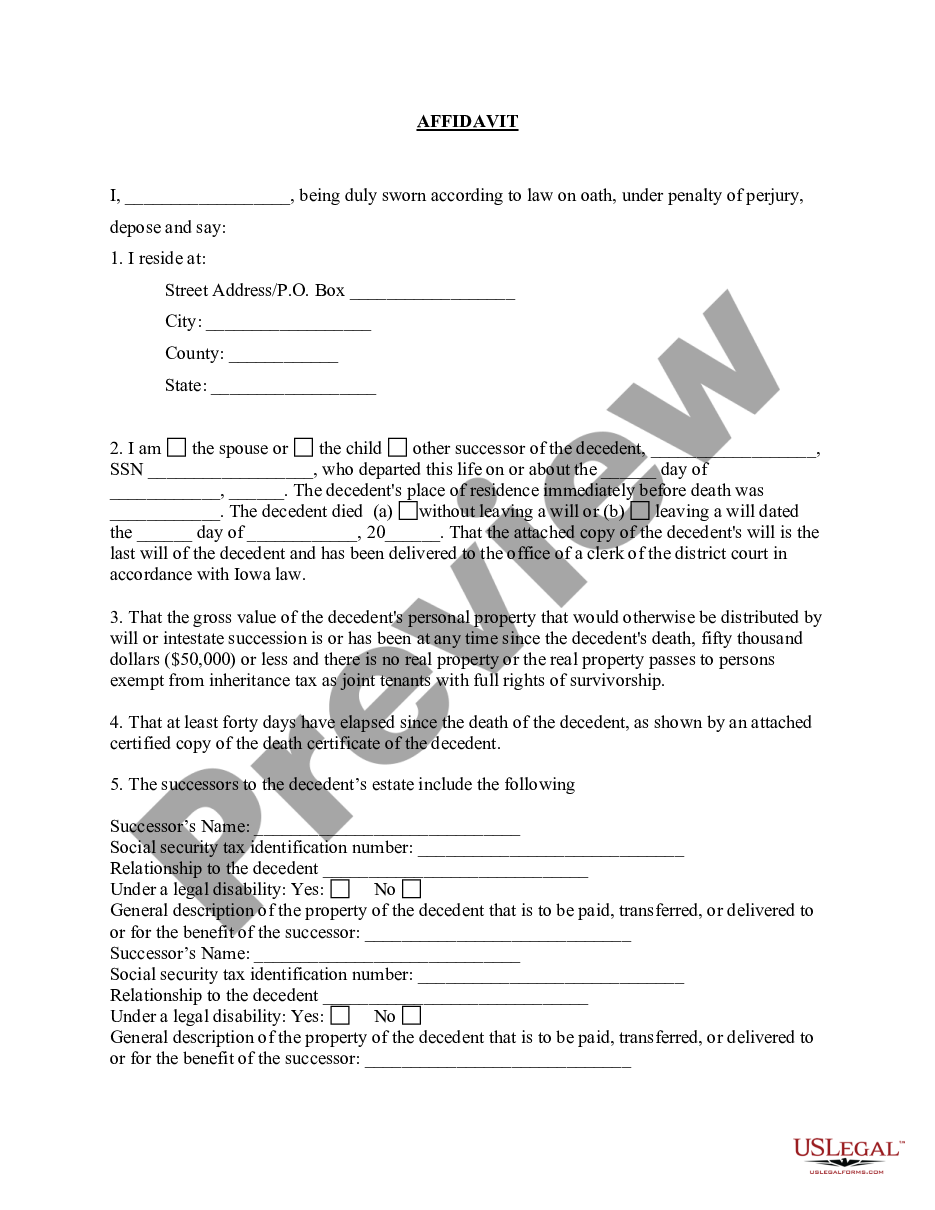
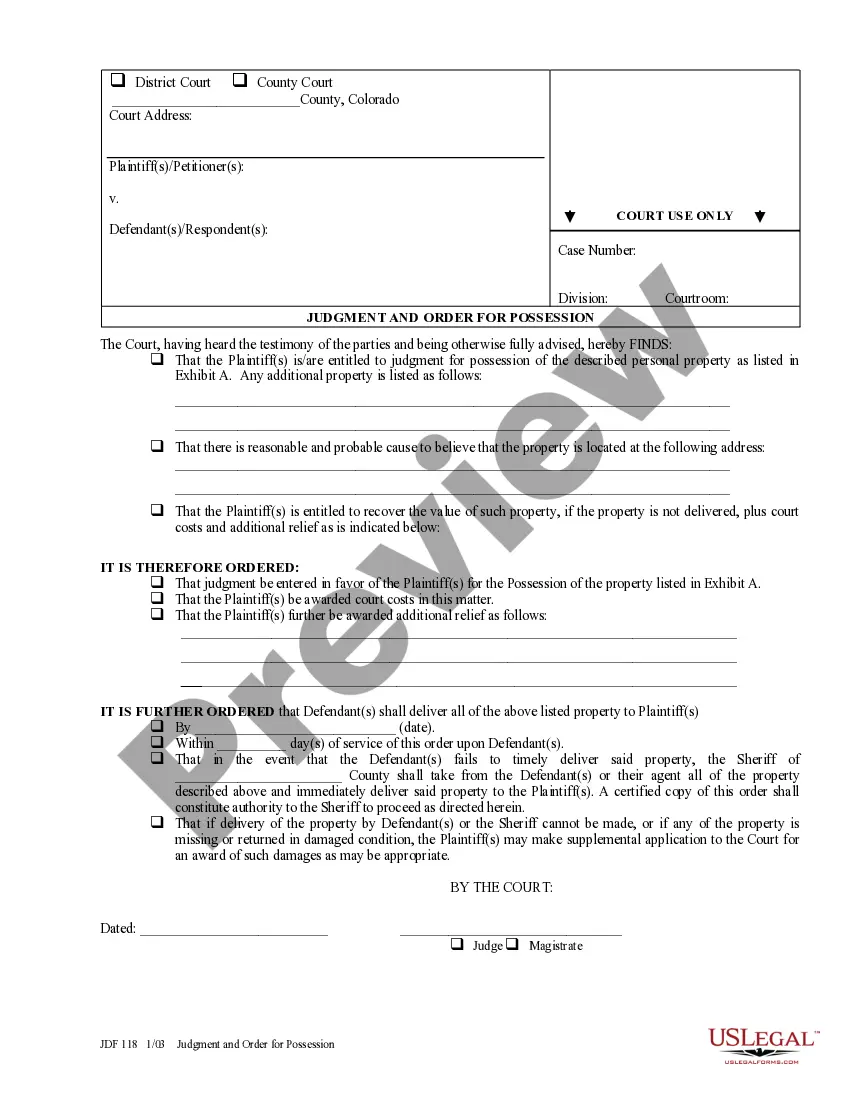


Form popularity
FAQ
Arizona Attorney General The Attorney General has the authority to bring civil enforcement lawsuits under the Consumer Fraud Act and other state and federal consumer protection laws. To submit an online complaint (English or Spanish) use their online form. (800) 352-8431 outside metro Phoenix.
File a complaint with government or consumer programs File a complaint with your local consumer protection office. Notify the Better Business Bureau (BBB) in your area about your problem. The BBB tries to resolve complaints against companies. Report scams and suspicious communications to the Federal Trade Commission.
Arizona has not adopted the Uniform Deceptive Trade Practices Act. Arizona Deceptive Trade Practices Laws are stated in Title 44 of Arizona Revised Statutes. Under A.R.S. § 44-1522, false advertising is an unlawful practice, and ing to § 13-2203 false advertising is also a class 1 misdemeanor.
The act, use or employment by any person of any deception, deceptive or unfair act or practice, fraud, false pretense, false promise, misrepresentation, or concealment, suppression or omission of any material fact with intent that others rely on such concealment, suppression or omission, in connection with the sale or ...
Register your complaint online with the Ministry of Corporate Affairs. You need to fill up this form with information such as your name, city, country, nature of complaint, complaint category, company name etc.
If your complaint meets our complaint acceptance criteria, your complaint will be sent to the business within approximately two business days. The business will be asked to respond within 14 calendar days. You will be notified of the business's response when we receive it (or notified that we received no response).
To file a complaint, just go to ftc/complaint, and answer the questions. Or call That's all there is to it. If you've been ripped off or scammed, complain to the Federal Trade Commission. It can help put the bad guys out of business.
File a complaint with government or consumer programs File a complaint with your local consumer protection office. Notify the Better Business Bureau (BBB) in your area about your problem. Report scams and suspicious communications to the Federal Trade Commission.
Please note that complaints must be submitted in writing and cannot be filed by phone. Agency: New York State Department of State. Division: Consumer Assistance Hotline. Phone Number: (800) 697-1220. Business Hours: Monday - Friday: AM - PM.