Deceptive Trade Force In Maricopa
Description

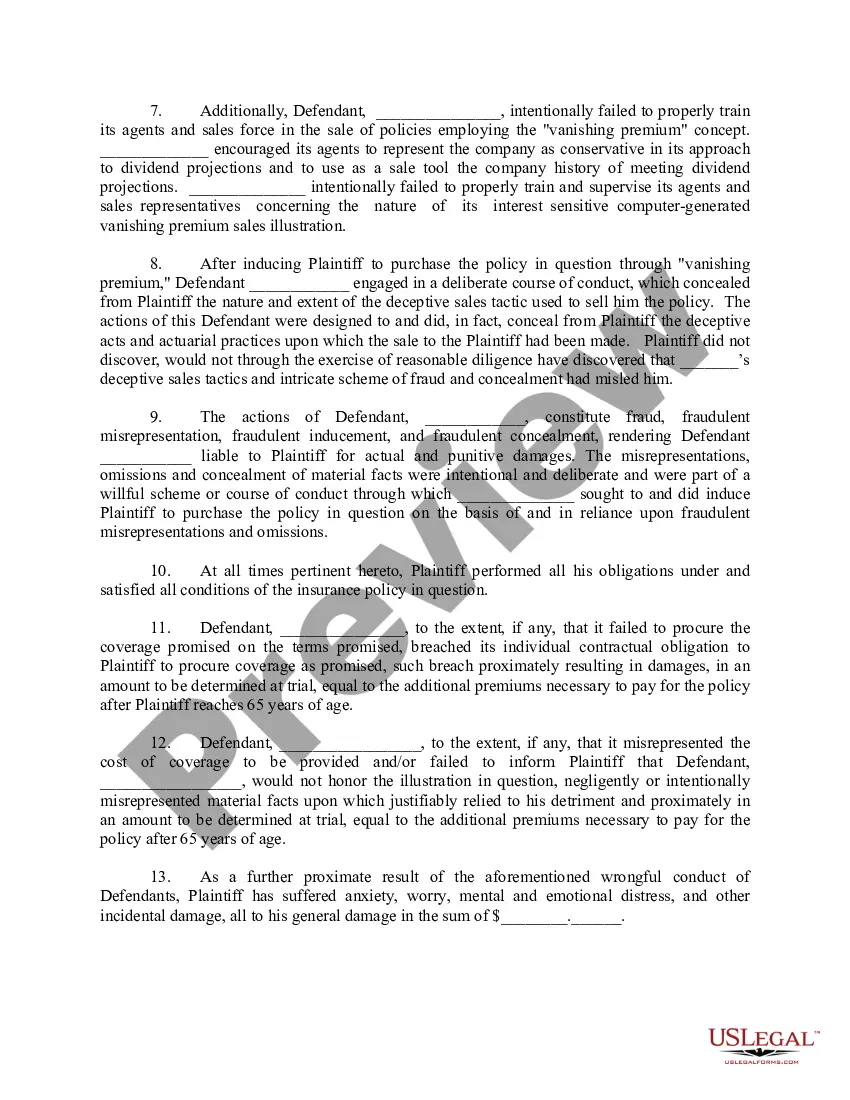
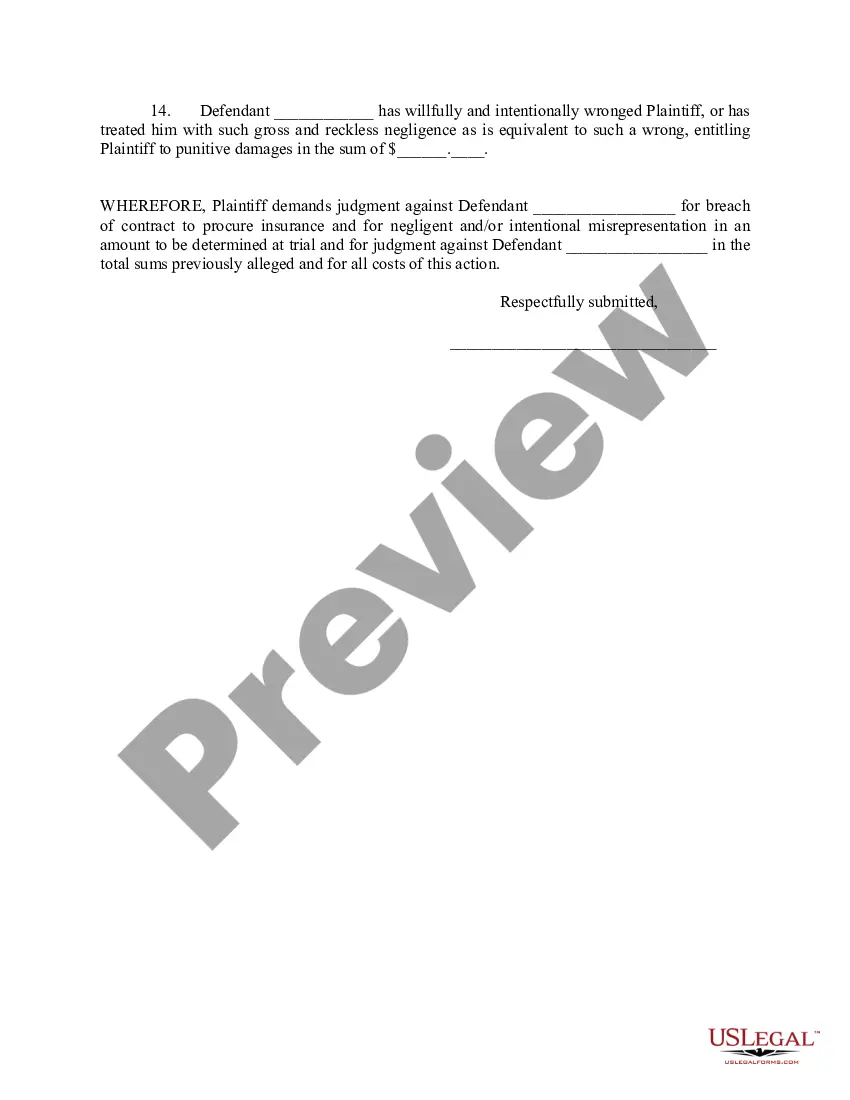



Get your form ready online
Our built-in tools help you complete, sign, share, and store your documents in one place.
Make edits, fill in missing information, and update formatting in US Legal Forms—just like you would in MS Word.
Download a copy, print it, send it by email, or mail it via USPS—whatever works best for your next step.
Sign and collect signatures with our SignNow integration. Send to multiple recipients, set reminders, and more. Go Premium to unlock E-Sign.
If this form requires notarization, complete it online through a secure video call—no need to meet a notary in person or wait for an appointment.
We protect your documents and personal data by following strict security and privacy standards.

Make edits, fill in missing information, and update formatting in US Legal Forms—just like you would in MS Word.

Download a copy, print it, send it by email, or mail it via USPS—whatever works best for your next step.

Sign and collect signatures with our SignNow integration. Send to multiple recipients, set reminders, and more. Go Premium to unlock E-Sign.

If this form requires notarization, complete it online through a secure video call—no need to meet a notary in person or wait for an appointment.

We protect your documents and personal data by following strict security and privacy standards.
Looking for another form?










Form popularity
FAQ
A. A person commits false advertising if, in connection with the promotion of the sale of property or services, such person recklessly causes to be made or makes a false or misleading statement in any advertisement. B. False advertising is a class 1 misdemeanor.
Arizona Deceptive Trade Practices Laws are stated in Title 44 of Arizona Revised Statutes. Under A.R.S. § 44-1522, false advertising is an unlawful practice, and ing to § 13-2203 false advertising is also a class 1 misdemeanor.
(These practices are commonly called misleading or unfair business practices.) They include false advertising, misrepresentation, tied selling, and failing to comply with regulations. Under consumer protection laws, they are illegal and can lead to compensatory or punitive damages.
The law broadly prohibits businesses from using deceptive or unfair practices, fraud, misrepresentation, and omission of material fact during the sale or advertisement of goods and services.
The act, use or employment by any person of any deception, deceptive or unfair act or practice, fraud, false pretense, false promise, misrepresentation, or concealment, suppression or omission of any material fact with intent that others rely on such concealment, suppression or omission, in connection with the sale or ...
The act, use or employment by any person of any deception, deceptive or unfair act or practice, fraud, false pretense, false promise, misrepresentation, or concealment, suppression or omission of any material fact with intent that others rely on such concealment, suppression or omission, in connection with the sale or ...
Section 5(a) of the FTC Act provides that “unfair or deceptive acts or practices in or affecting commerce . . . are . . . declared unlawful.” 15 U.S.C.
SUBMIT & CONTACT If you believe you have been the victim of a crime, you can file a Criminal complaint online at .azag/complaints OR mail or deliver the completed form above.
File a complaint with government or consumer programs File a complaint with your local consumer protection office. Notify the Better Business Bureau (BBB) in your area about your problem. The BBB tries to resolve complaints against companies. Report scams and suspicious communications to the Federal Trade Commission.
File a complaint with your local consumer protection office. Notify the Better Business Bureau (BBB) in your area about your problem.