Fraud In Trade In Florida
Description

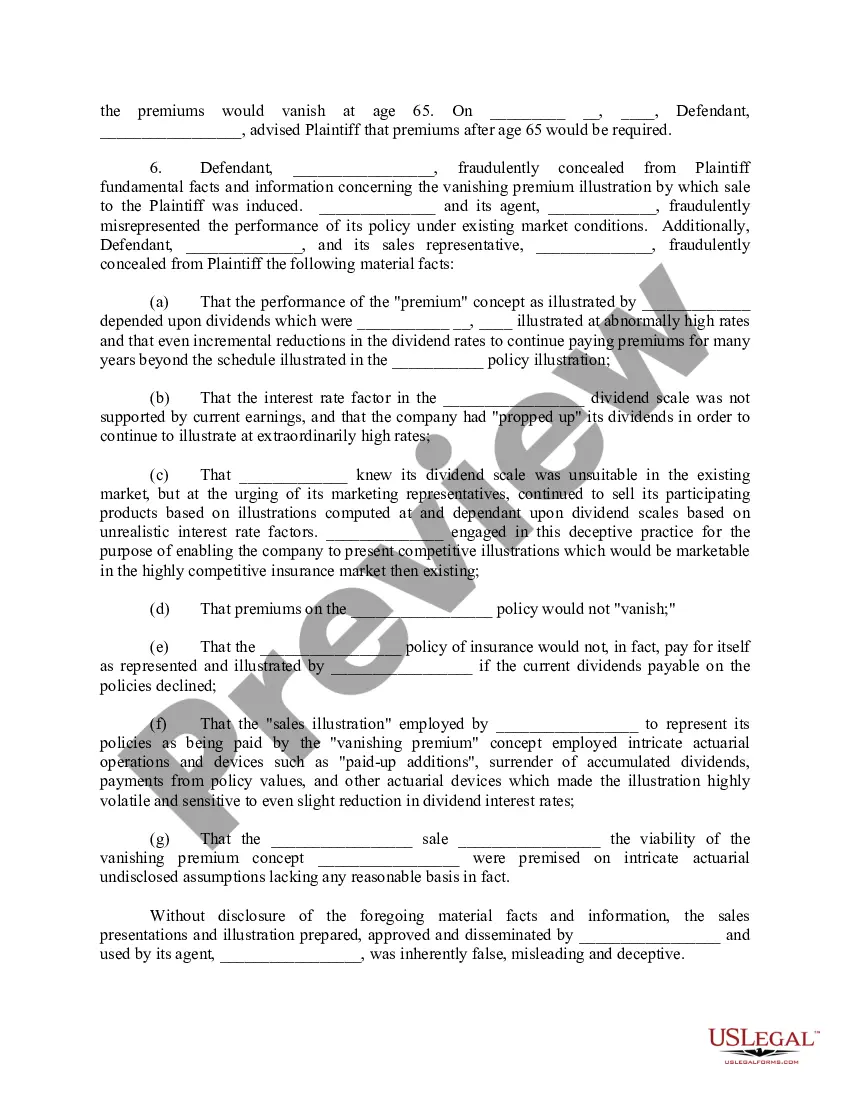
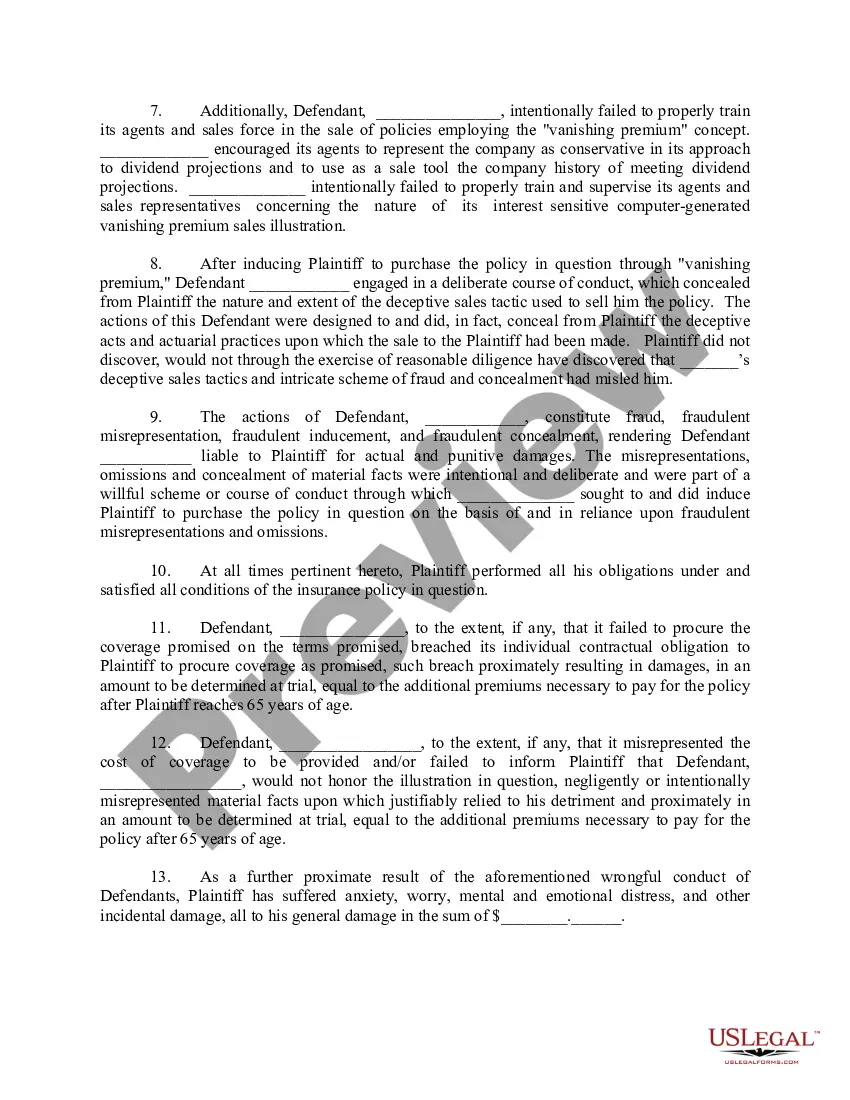
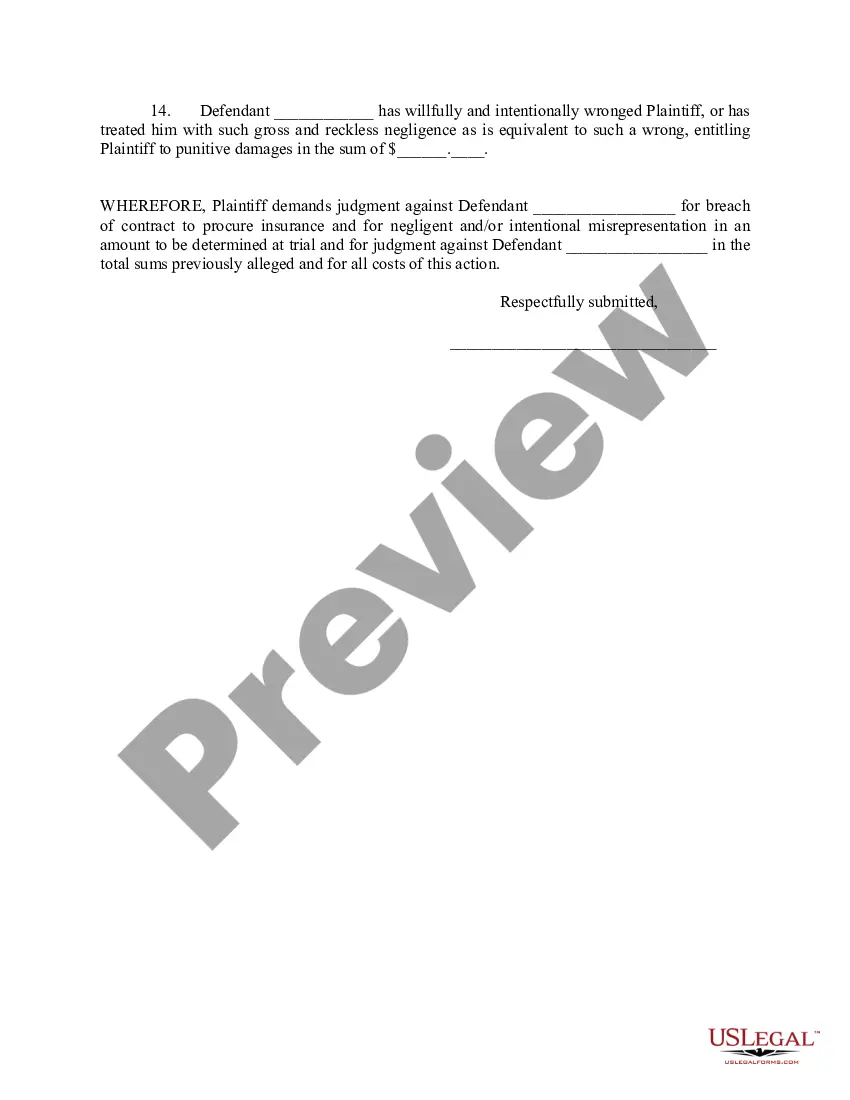



Get your form ready online
Our built-in tools help you complete, sign, share, and store your documents in one place.
Make edits, fill in missing information, and update formatting in US Legal Forms—just like you would in MS Word.
Download a copy, print it, send it by email, or mail it via USPS—whatever works best for your next step.
Sign and collect signatures with our SignNow integration. Send to multiple recipients, set reminders, and more. Go Premium to unlock E-Sign.
If this form requires notarization, complete it online through a secure video call—no need to meet a notary in person or wait for an appointment.
We protect your documents and personal data by following strict security and privacy standards.

Make edits, fill in missing information, and update formatting in US Legal Forms—just like you would in MS Word.

Download a copy, print it, send it by email, or mail it via USPS—whatever works best for your next step.

Sign and collect signatures with our SignNow integration. Send to multiple recipients, set reminders, and more. Go Premium to unlock E-Sign.

If this form requires notarization, complete it online through a secure video call—no need to meet a notary in person or wait for an appointment.

We protect your documents and personal data by following strict security and privacy standards.
Looking for another form?



Form popularity
FAQ
How to Prove Fraud First Element: Statement of Existing Fact. Second Element: Materiality. Third Element: Falsity. Fourth Element: Knowledge of Falsity. Fifth Element: Your Ignorance of the Falsity. Sixth Element: Intent to Rely. Seventh and Eighth Elements: Justifiable and Actual Reliance. Ninth Element: Damages.
In order for and assertion to be considered fraud, it must meet four criteria: An untrue assertion of fact was made. The assertion was made knowing that the statement was false. The complaining party entered the contract because of his reliance on the assertion. The reliance of the complaining party was justifiable.
When you report a scam to the FTC, investigators use your information to build cases against scammers. Other law enforcement agencies can see the reports, too, and use them to further their own investigations. Your story makes a difference.
Generally, in order to state a cause of action for fraud or fraud in the inducement, the complaining party must allege: (1) a false statement of fact; (2) known by the defendant to be false at the time it was made; (3) made for the purpose of inducing the plaintiff to act in reliance thereon; (4) action by the ...
The power of ReportFraud.ftc We can't resolve your individual report, but we use reports to investigate and bring cases against fraud, scams, and bad business practices. Read our Privacy Act statement to learn more about how we collect and use your information.
Therefore, any cybercrime cell can be approached. Alternatively, you can file an online fraud complaint at . There is also an option of calling them on the dedicated cybercrime hotline number –155260 on a business day from a.m. to p.m.
Reporting unwanted calls won't instantly stop them. But reporting does matter. The FTC analyzes report data and trends to identify illegal callers based on calling patterns.
Reporting a scammer can lead to investigations by authorities, potential legal consequences for the scammer, and protection for others from falling victim to similar scams. However, it's crucial to ensure you report through legitimate channels to avoid any personal risks or retaliation.
To report to Trading Standards, you need to contact the Citizens Advice consumer service. We'll pass your report to Trading Standards and we can also give you advice about your problem. You can: use our online form - you can use this form from 5pm on Fridays to 9am on Mondays.