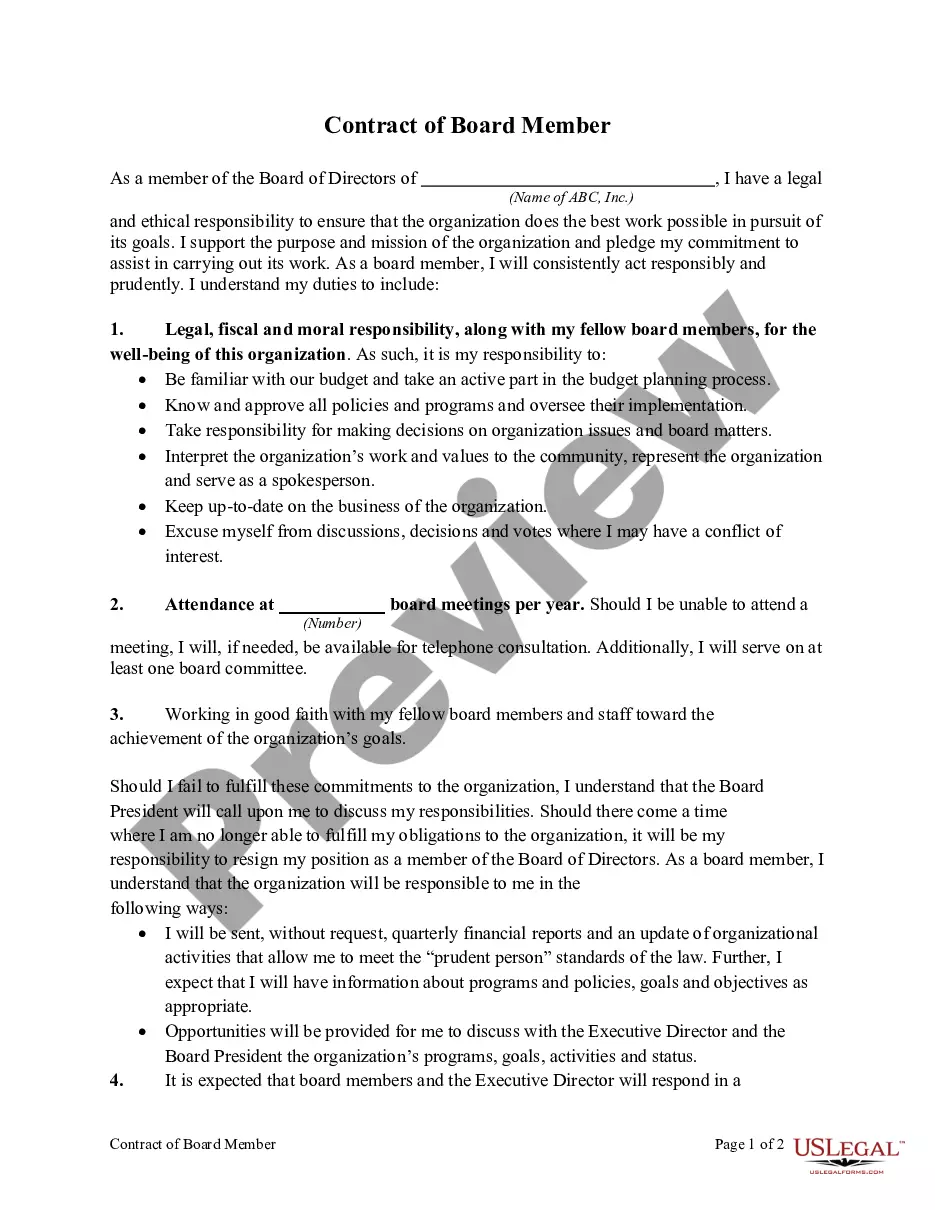
Deceptive Trade For In Florida
Description




Get your form ready online
Our built-in tools help you complete, sign, share, and store your documents in one place.
Make edits, fill in missing information, and update formatting in US Legal Forms—just like you would in MS Word.
Download a copy, print it, send it by email, or mail it via USPS—whatever works best for your next step.
Sign and collect signatures with our SignNow integration. Send to multiple recipients, set reminders, and more. Go Premium to unlock E-Sign.
If this form requires notarization, complete it online through a secure video call—no need to meet a notary in person or wait for an appointment.
We protect your documents and personal data by following strict security and privacy standards.

Make edits, fill in missing information, and update formatting in US Legal Forms—just like you would in MS Word.

Download a copy, print it, send it by email, or mail it via USPS—whatever works best for your next step.

Sign and collect signatures with our SignNow integration. Send to multiple recipients, set reminders, and more. Go Premium to unlock E-Sign.

If this form requires notarization, complete it online through a secure video call—no need to meet a notary in person or wait for an appointment.

We protect your documents and personal data by following strict security and privacy standards.
Looking for another form?




Form popularity
FAQ
Florida law defines the following acts as unfair claim settlement practices: 1. Attempting to settle claims on the basis of an application, when serving as a binder or intended to become a part of the policy, or any other material document which was altered without notice to, or knowledge or consent of, the insured. 2.
§ 501.2105, Fla. Stat. The Florida Deceptive and Unfair Trade Practices Act depends for enforcement on its “enforcing authority” and the injured consumers.
In Florida, which of the following is considered an Unfair Trade Practice? Coercion is considered an unfair trade practice under Florida law. Failing to effectuate prompt, fair, and equitable settlements of claims is considered to be an unfair claims practice.
An act or practice is unfair where it (1) causes or is likely to cause substantial injury to consumers, (2) cannot be reasonably avoided by consumers, and (3) is not outweighed by countervailing ben- efits to consumers or to competition.
These practices include false advertising, a misleading sales pitch, or failing to disclose important information about a product or service. The Florida Deceptive and Unfair Trade Practices Act (FDUTPA) prohibits such practices.
A traditional claim for damages under FDUTPA has three elements: (1) a deceptive act or unfair practice; (2) causation; and (3) actual damages.
View Entire Chapter —In addition to all other remedies provided by the Florida Deceptive and Unfair Trade Practices Act, the court may impose a civil penalty of not more than $1,000 per violation with an aggregate total not to exceed $25,000 for any 24-hour period against any person who violates the provisions of s.