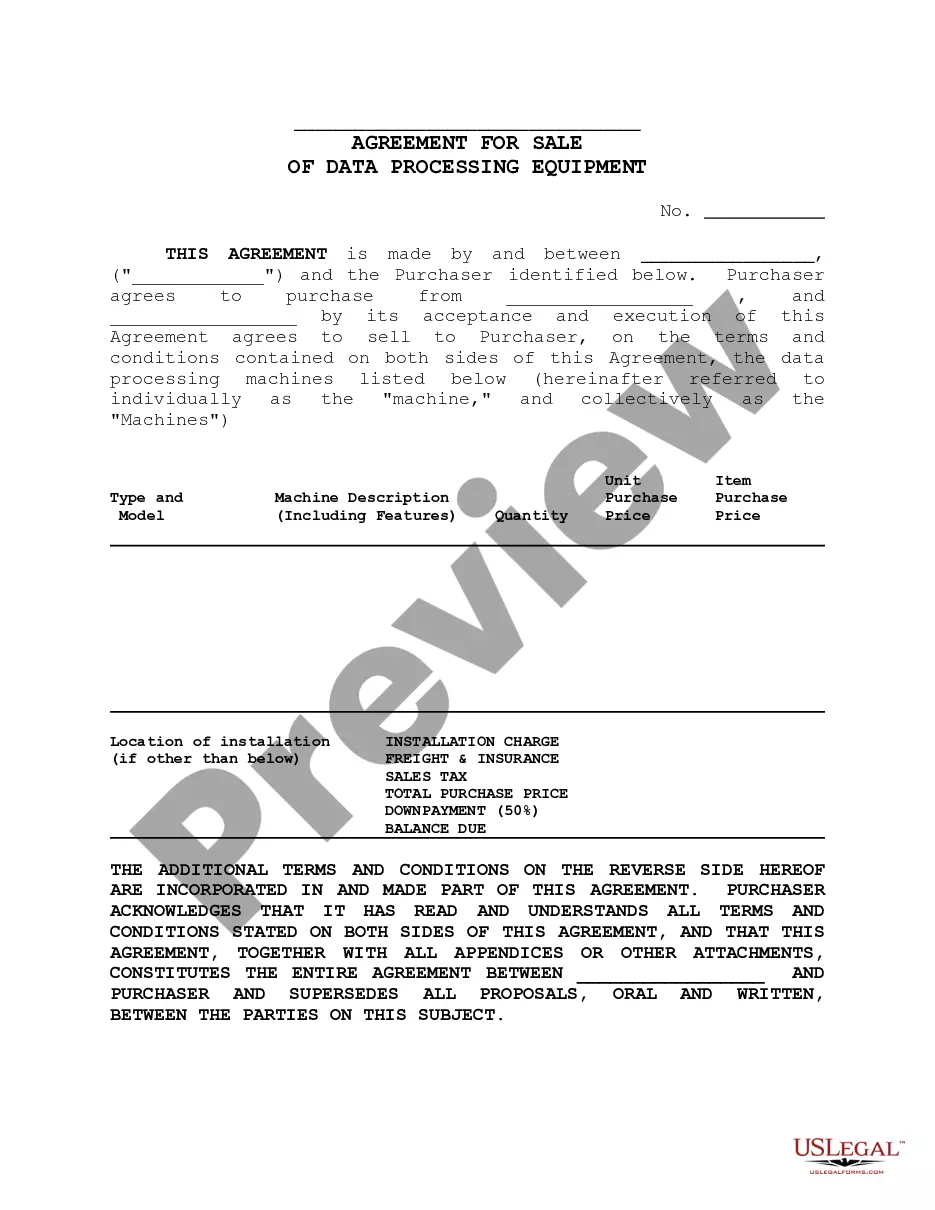
Deceptive Trade For Mack In Collin
Description







Get your form ready online
Our built-in tools help you complete, sign, share, and store your documents in one place.
Make edits, fill in missing information, and update formatting in US Legal Forms—just like you would in MS Word.
Download a copy, print it, send it by email, or mail it via USPS—whatever works best for your next step.
Sign and collect signatures with our SignNow integration. Send to multiple recipients, set reminders, and more. Go Premium to unlock E-Sign.
If this form requires notarization, complete it online through a secure video call—no need to meet a notary in person or wait for an appointment.
We protect your documents and personal data by following strict security and privacy standards.

Make edits, fill in missing information, and update formatting in US Legal Forms—just like you would in MS Word.

Download a copy, print it, send it by email, or mail it via USPS—whatever works best for your next step.

Sign and collect signatures with our SignNow integration. Send to multiple recipients, set reminders, and more. Go Premium to unlock E-Sign.

If this form requires notarization, complete it online through a secure video call—no need to meet a notary in person or wait for an appointment.

We protect your documents and personal data by following strict security and privacy standards.
Looking for another form?








Form popularity
FAQ
The DTPA provides that "false, misleading, or deceptive acts or practices in the conduct of any trade or commerce are hereby declared unlawful." The DTPA prohibits certain acts or practices "in the conduct of any trade or commerce." This is a very broad provision.
Section 17.50 - Relief for Consumers (a) A consumer may maintain an action where any of the following constitute a producing cause of economic damages or damages for mental anguish: (1) the use or employment by any person of a false, misleading, or deceptive act or practice that is: (A) specifically enumerated in a ...
Elements of a DTPA Claim Generally, to prevail on a DTPA claim, plaintiffs must establish three elements: The plaintiff is a consumer; The defendant engaged in false, misleading, or deceptive acts; and. The acts were a producing cause of the consumer's damages.
Steps to Filing a DTPA Claim The process begins with providing a written notice to the offending business at least 60 days before filing a lawsuit, detailing the complaint and specifying the alleged violations of 17.46(b) of the Texas Business and Commerce Act.
All a DTPA plaintiff is required to prove to win a DTPA case is: 1) the plaintiff was a consumer; 2) the defendant engaged in conduct prohibited by the Act; and 3) the prohibited conduct was a producing cause of the consumer's damages.
To seek relief under the Texas DTPA, you must qualify as a consumer. A consumer may be an individual, partnership, corporation, LLC or even a state agency. The Texas Business and Commerce Code Section 17.46 has a laundry list of 25 prohibited acts that are considered false, misleading, or deceptive acts or practices.
When you are ready to file a DTPA lawsuit in Texas, you can't go straight to the courthouse to file your claim. The Deceptive Trade Practices Act requires that you give written notice of your problem to the business at least 60 days before you can file the suit in court.
Under the discovery rule, a cause of action accrues when a claimant discovers or in the exercise of reasonable diligence should have discovered the injury and that the injury was likely caused by the wrongful acts of another. See Childs v. Haussecker, 974 S.W. 2d 31, 40 (Tex.