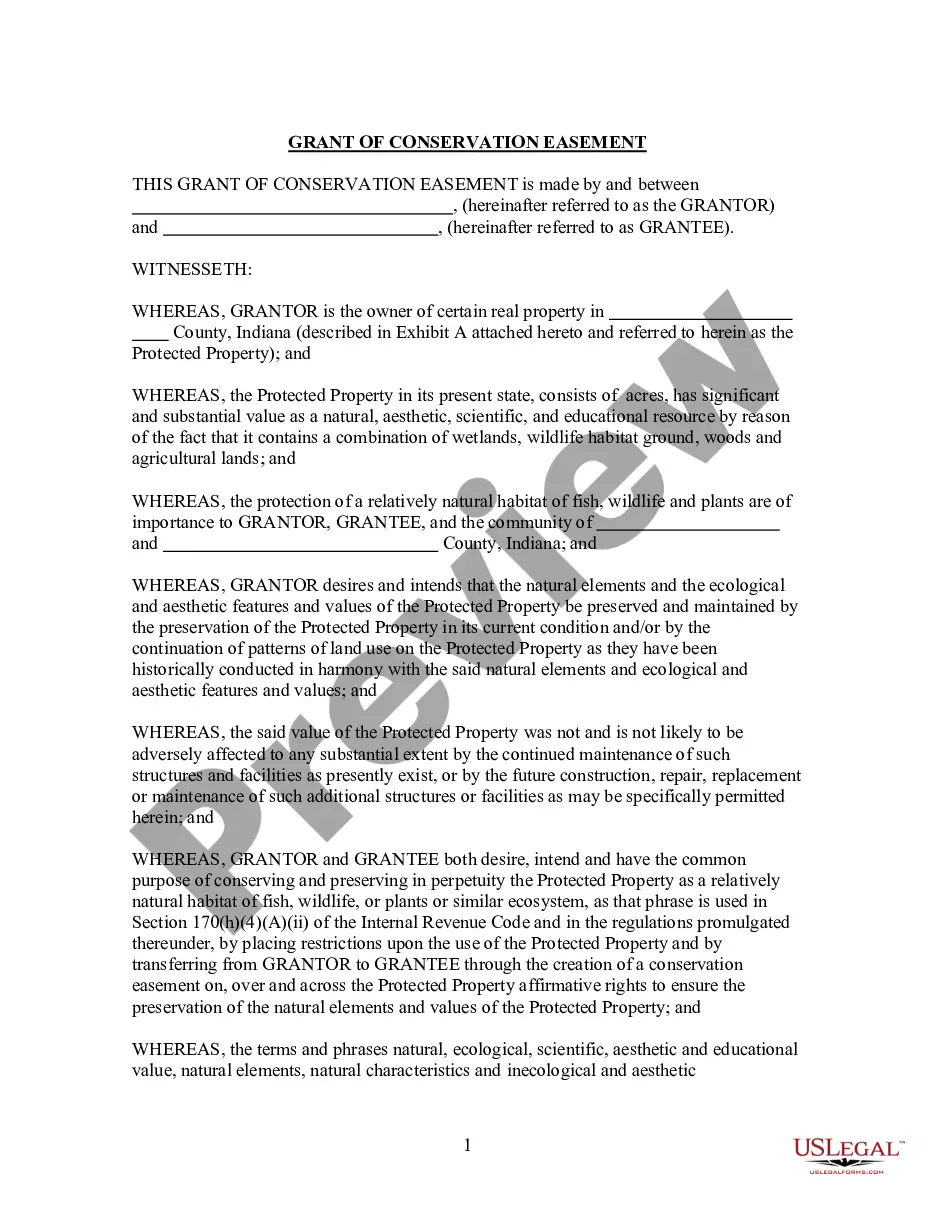
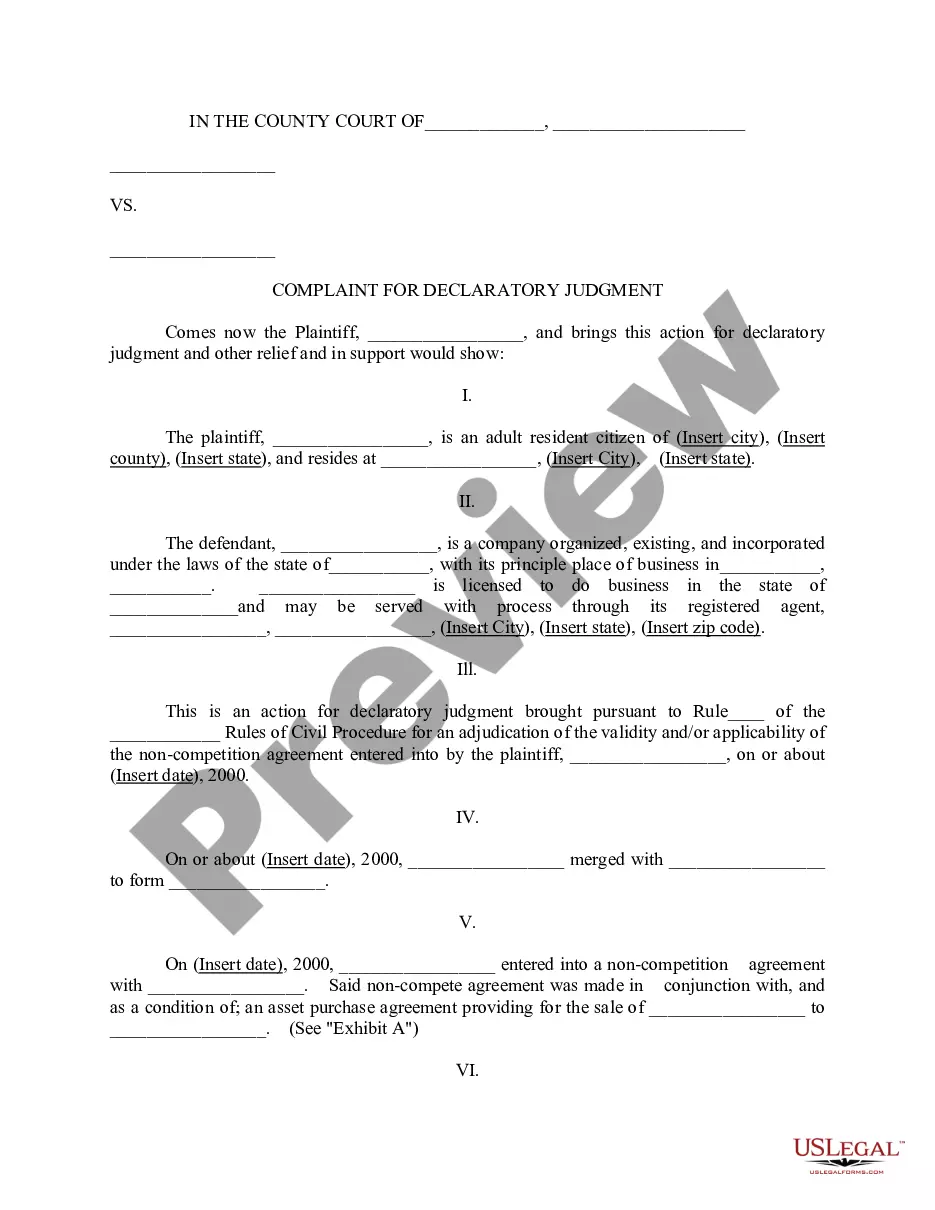
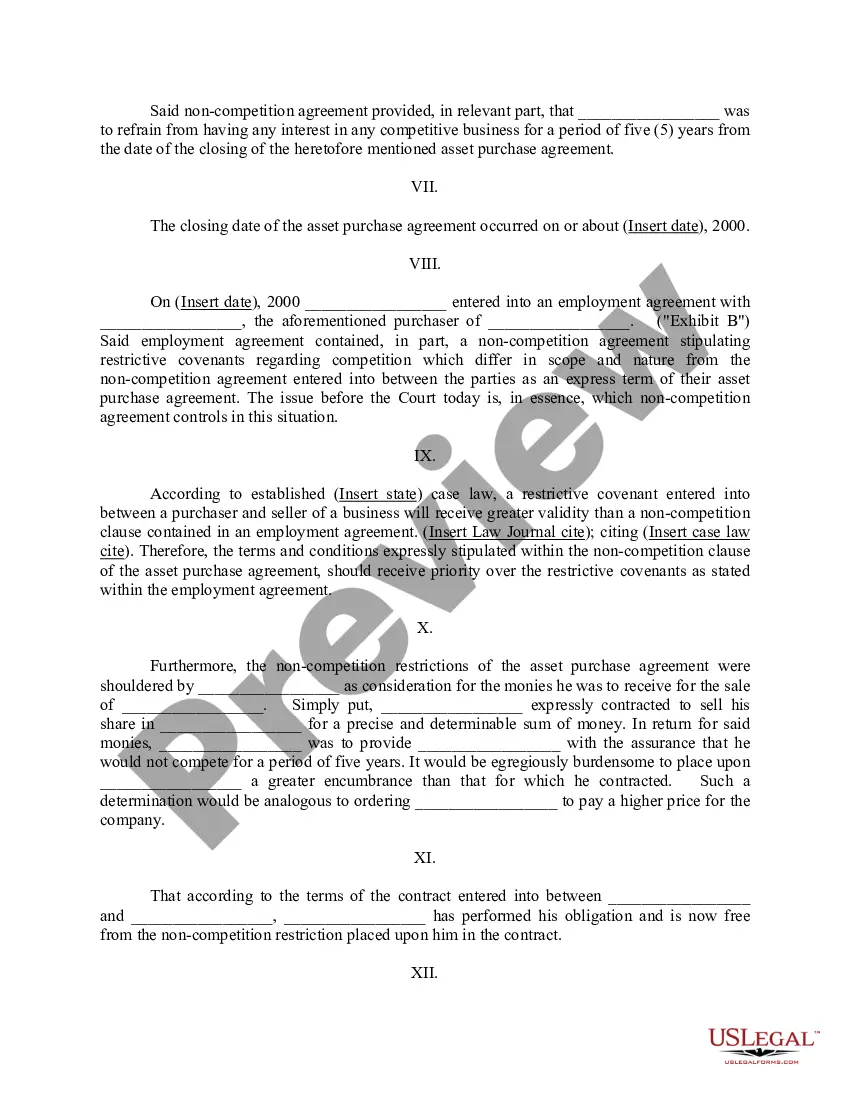
Motion For Declaratory Judgment Sample In Miami-Dade
Description



Get your form ready online
Our built-in tools help you complete, sign, share, and store your documents in one place.
Make edits, fill in missing information, and update formatting in US Legal Forms—just like you would in MS Word.
Download a copy, print it, send it by email, or mail it via USPS—whatever works best for your next step.
Sign and collect signatures with our SignNow integration. Send to multiple recipients, set reminders, and more. Go Premium to unlock E-Sign.
If this form requires notarization, complete it online through a secure video call—no need to meet a notary in person or wait for an appointment.
We protect your documents and personal data by following strict security and privacy standards.

Make edits, fill in missing information, and update formatting in US Legal Forms—just like you would in MS Word.

Download a copy, print it, send it by email, or mail it via USPS—whatever works best for your next step.

Sign and collect signatures with our SignNow integration. Send to multiple recipients, set reminders, and more. Go Premium to unlock E-Sign.

If this form requires notarization, complete it online through a secure video call—no need to meet a notary in person or wait for an appointment.

We protect your documents and personal data by following strict security and privacy standards.
Looking for another form?

Form popularity
FAQ
Declaratory relief, also commonly known as declaratory judgment or declaration, is a form of discretionary remedy which parties may seek from the court. A declaration is essentially a statement made by the court at the request of a party.
An example of this in a case involving contracts would be a party seeking an interpretation of the contract to determine their rights. Another example would be an insured individual seeking a specific determination of their rights and surrounding circumstances regarding insurance coverage under a specific policy.
Relief of declaration the plaintiff must establish that. (i) the plaintiff was at the time of the suit entitled to any legal character. or any right to any property. (ii) the defendant had denied or was interested in denying the character. or the title of the plaintiff.
Declaratory Judgment A bona fide, actual, present practical need for declaration; The declaration should concern a present, ascertained or ascertainable state of facts or present controversy as to a state of facts;
An example of a declaratory judgment in an insurance situation may occur when a policyholder and an insurer disagree about whether a particular claim is covered under the insurance policy. For instance, suppose a homeowner files a claim with their insurance company for damages to their home caused by a storm.
An example of this in a case involving contracts would be a party seeking an interpretation of the contract to determine their rights. Another example would be an insured individual seeking a specific determination of their rights and surrounding circumstances regarding insurance coverage under a specific policy.
One example of a declaratory judgment case is to ask the court to determine who owns a piece of property, or to ask the court to enforce an easement. This is especially common in what is called a “quiet title” action.
To bring a claim for declaratory judgment in a situation where a patent dispute may exist or develop, the claimant must establish that an actual controversy exists. If there is a substantial controversy of sufficient immediacy and reality, the court will generally proceed with the declaratory-judgment action.
Outlining a Declaratory Judgment Action Under Florida law, to bring a declaratory judgment action, the plaintiff must show the following: A bona fide dispute between the parties. The complainant raises a question that the court can answer regarding immunity, power, privilege, or right.