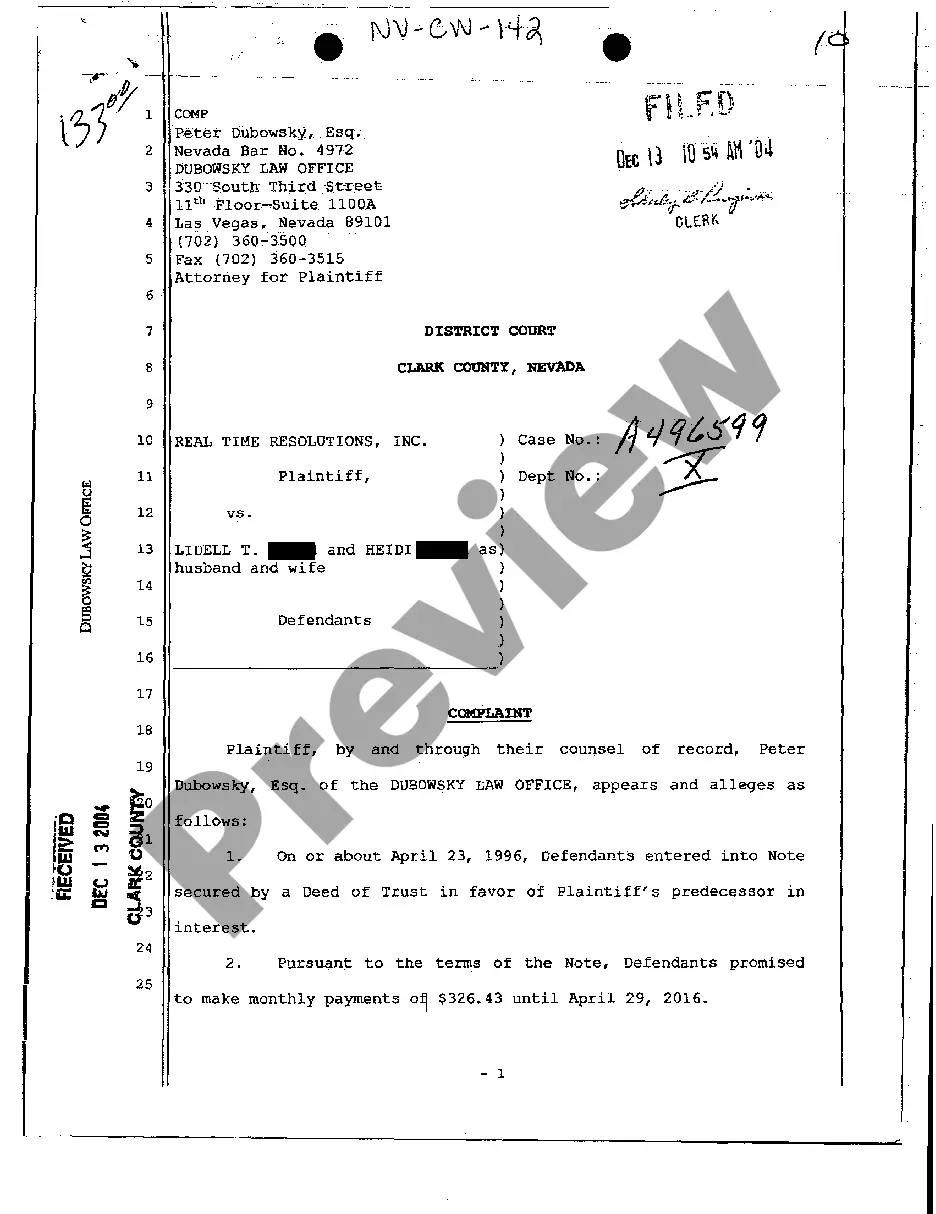
Jury Trial Form With Two Points In Clark
Description





Get your form ready online
Our built-in tools help you complete, sign, share, and store your documents in one place.
Make edits, fill in missing information, and update formatting in US Legal Forms—just like you would in MS Word.
Download a copy, print it, send it by email, or mail it via USPS—whatever works best for your next step.
Sign and collect signatures with our SignNow integration. Send to multiple recipients, set reminders, and more. Go Premium to unlock E-Sign.
If this form requires notarization, complete it online through a secure video call—no need to meet a notary in person or wait for an appointment.
We protect your documents and personal data by following strict security and privacy standards.

Make edits, fill in missing information, and update formatting in US Legal Forms—just like you would in MS Word.

Download a copy, print it, send it by email, or mail it via USPS—whatever works best for your next step.

Sign and collect signatures with our SignNow integration. Send to multiple recipients, set reminders, and more. Go Premium to unlock E-Sign.

If this form requires notarization, complete it online through a secure video call—no need to meet a notary in person or wait for an appointment.

We protect your documents and personal data by following strict security and privacy standards.
Looking for another form?








Form popularity
FAQ
The correct order in which a jury trial is conducted is as follows: jury selection, opening statements, plaintiff's case, defendant's case, closing arguments and instructions, and verdict. This process begins with jury selection, where potential jurors are screened for impartiality to ensure a fair trial.
This Note explores the dual jury system in which each defendant in a joint trial has his or her own jury to decide guilt or innocence.
Medical conditions, deafness, difficult sitting for long periods, people who know the defendant or officers, people who've been victims of crimes, financial hardship, and more will be excused. Depending on the county, they might call 100 people to select just 12.
If you have been convicted of a felony when the conviction has not been set aside or a pardon issued. If you are a judge, clerk of a district court, a sheriff, or a jailer. If your spouse has been summoned for the same jury panel. If you or your spouse have a pending jury trial in any court.
Medical conditions, deafness, difficult sitting for long periods, people who know the defendant or officers, people who've been victims of crimes, financial hardship, and more will be excused. Depending on the county, they might call 100 people to select just 12.
For jury instructions to be effective, they must be clear and simple. Sentences should be short; instruc- • tions should contain no more than a few sentences, cover only one topic, and be directly related to the circumstances of the case (they should not be abstract statements of the law).
The jury selection process is known as voir dire. During this process, the judge, prosecutor, and defense attorney will ask you questions. Generally, the best way to avoid being picked is to express strong opinions during questioning. Additionally, sometimes, your career may be enough to get you excused.
Adorn yourself in attire more suited for a day of sightseeing than a courtroom setting. Think Hawaiian shirts, oversized sunglasses, and perhaps a camera slung around your neck for good measure. This look whispers, “I'm just passing through,” potentially making you less appealing to those seeking focused jurors.
What's the difference between a Jury Trial and a Court Trial? In a jury trial, the decision of guilt or innocence is decided by either 6 or 12 citizens who listen to the evidence and make the decision. In a court trial, there is no jury present. The judge listens to the evidence and makes the decision.
The summary jury trial usually involves a summarized presentation of a civil case to an advisory jury to show the parties how a jury reacts to the evidence. The procedure is nonbinding. Summary jury trials, however, generally foster dispute settlement.