Product With Defect In Georgia
Description
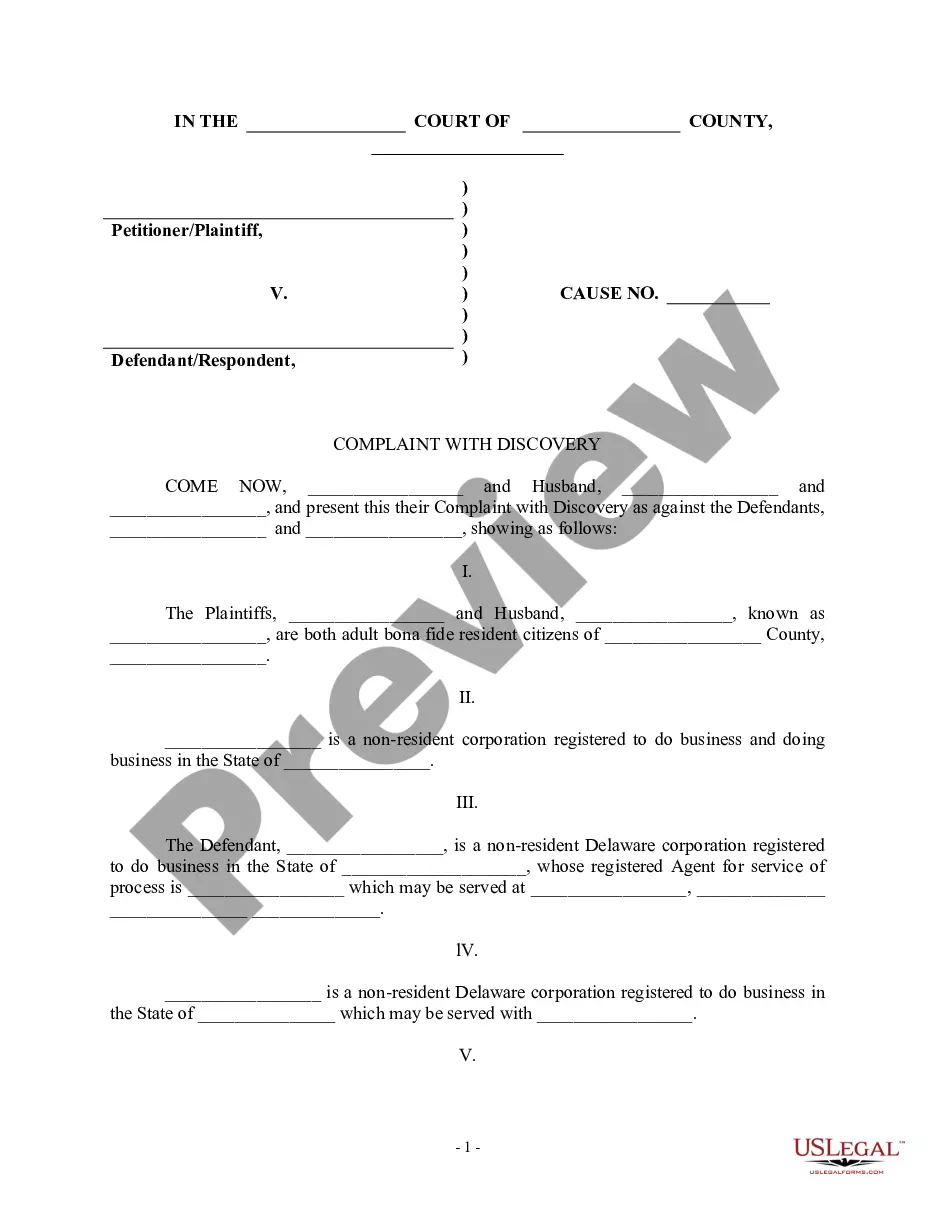
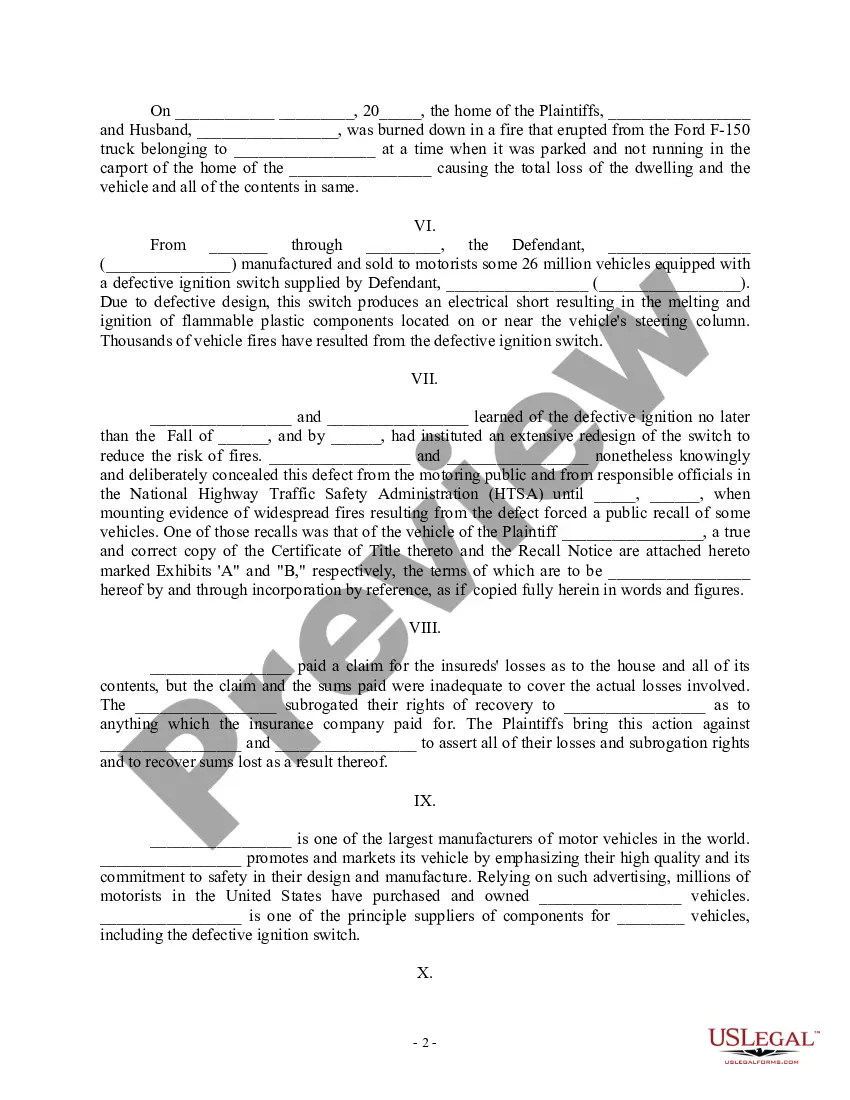
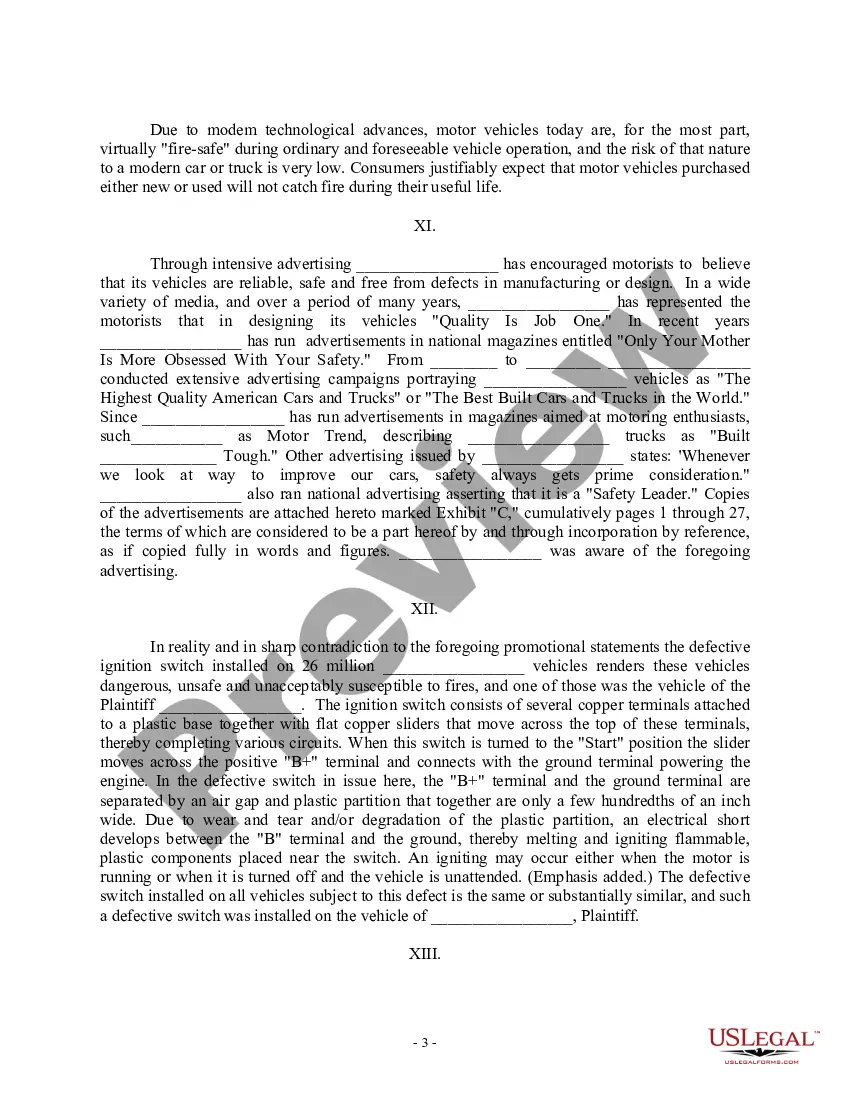
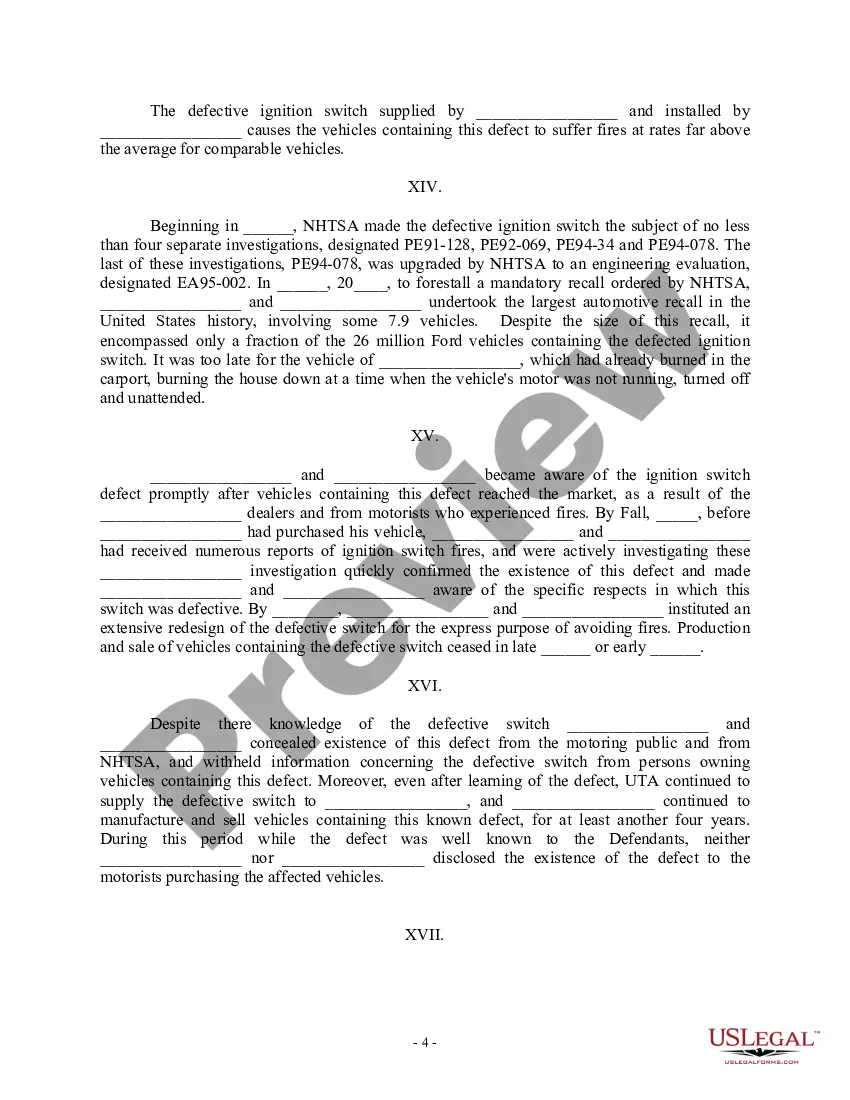
Get your form ready online
Our built-in tools help you complete, sign, share, and store your documents in one place.
Make edits, fill in missing information, and update formatting in US Legal Forms—just like you would in MS Word.
Download a copy, print it, send it by email, or mail it via USPS—whatever works best for your next step.
Sign and collect signatures with our SignNow integration. Send to multiple recipients, set reminders, and more. Go Premium to unlock E-Sign.
If this form requires notarization, complete it online through a secure video call—no need to meet a notary in person or wait for an appointment.
We protect your documents and personal data by following strict security and privacy standards.

Make edits, fill in missing information, and update formatting in US Legal Forms—just like you would in MS Word.

Download a copy, print it, send it by email, or mail it via USPS—whatever works best for your next step.

Sign and collect signatures with our SignNow integration. Send to multiple recipients, set reminders, and more. Go Premium to unlock E-Sign.

If this form requires notarization, complete it online through a secure video call—no need to meet a notary in person or wait for an appointment.

We protect your documents and personal data by following strict security and privacy standards.
Looking for another form?






Form popularity
FAQ
There are two main ways to prove a product liability case: 1- the Consumer-Expectation Test and 2- the Risk Utility Test. Under both tests, the plaintiff has the burden to prove that the product that caused injury was defective and unreasonably dangerous.
The Top 5 Common Warning Signs of a Defective Product There are unusual or unexpected malfunctions. Recalls or safety alerts have been released. There is an increased risk of injuries or illnesses. A lack of clear instructions or warnings exists on the labeling. Unexpected or severe adverse effects occur after use.
When a product is defective, it means that the product has some kind of flaw or problem that makes it unreasonably dangerous to use. A product may be defective because of poor design, manufacturing errors, or a failure to warn consumers about potential dangers.
Important evidence to have includes: Defective product itself (preserve the product as best you can) All receipts, sales contracts, and other documents concerning the product. Documentation of injuries (i.e. photos, medical records, accident reports) Medical bills and payroll records to prove your financial losses.
Generally, to prove product liability you must prove that an inherent defect or misinformation within the product caused the damages claimed. In other words, the plaintiff must prove that the product was inherently defective and that the defect in the product has caused injury or damage.
Product liability cases arise when a product causes harm to a consumer due to a defect in design, manufacturing, or inadequate warnings. These cases can be complex and challenging, requiring a skilled legal team to navigate the intricate web of laws and regulations governing product liability.
Georgia's strict product liability laws hold the product manufacturer strictly liable for injuries a defective item causes, regardless of the question of negligence. Today in Georgia, almost anyone injured by a defective product can bring a personal injury or wrongful death lawsuit.
Reporting Consumer Products Begin by filing a report at .SaferProducts or call their hotline at (800) 638-2772. They will ask you to provide detailed information about the product, the incident, and, whenever possible, photographs of the defective item.
When a product is defective, it means that the product has some kind of flaw or problem that makes it unreasonably dangerous to use. A product may be defective because of poor design, manufacturing errors, or a failure to warn consumers about potential dangers.