Patent Infringement In Us In Washington
Description

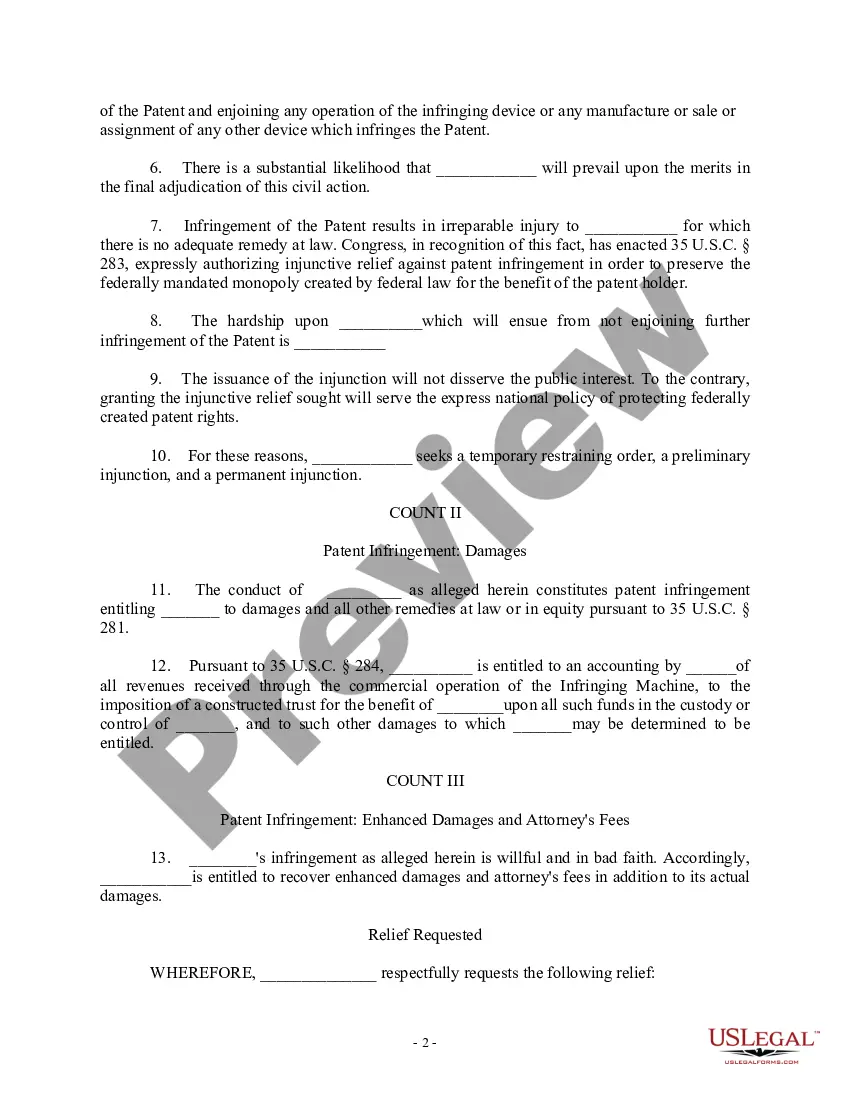
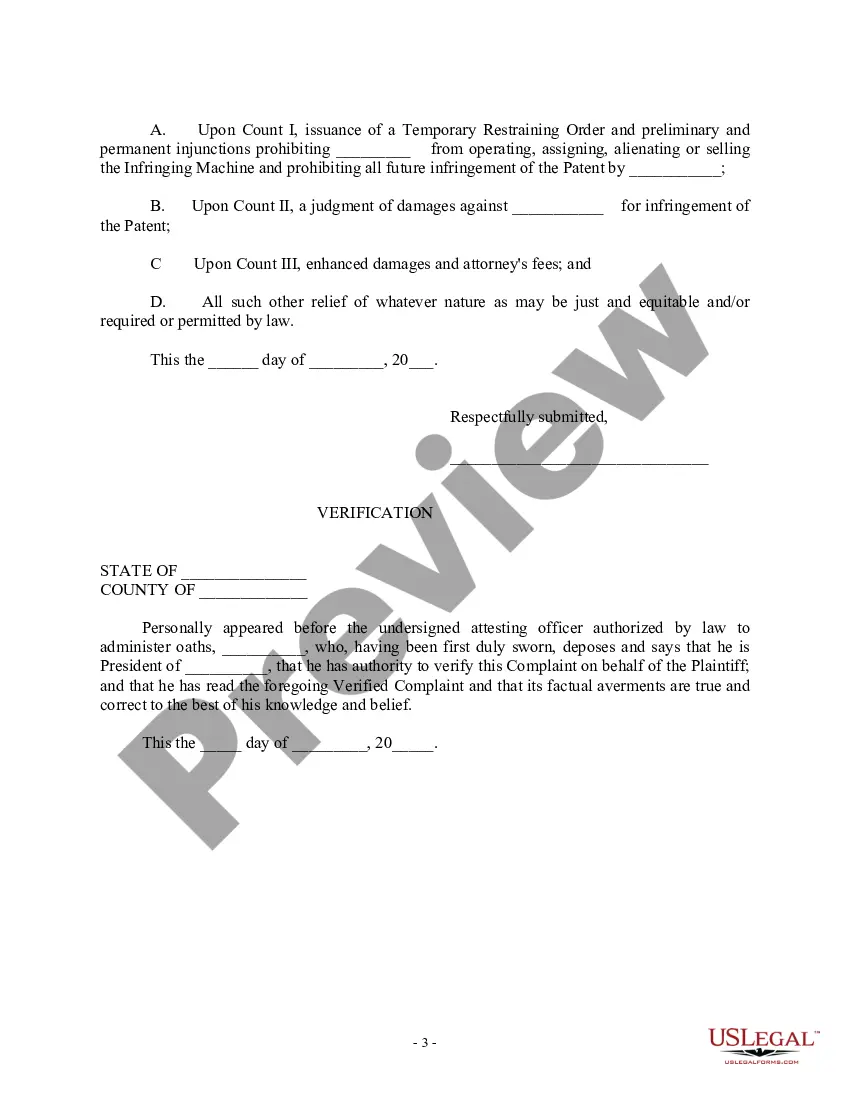
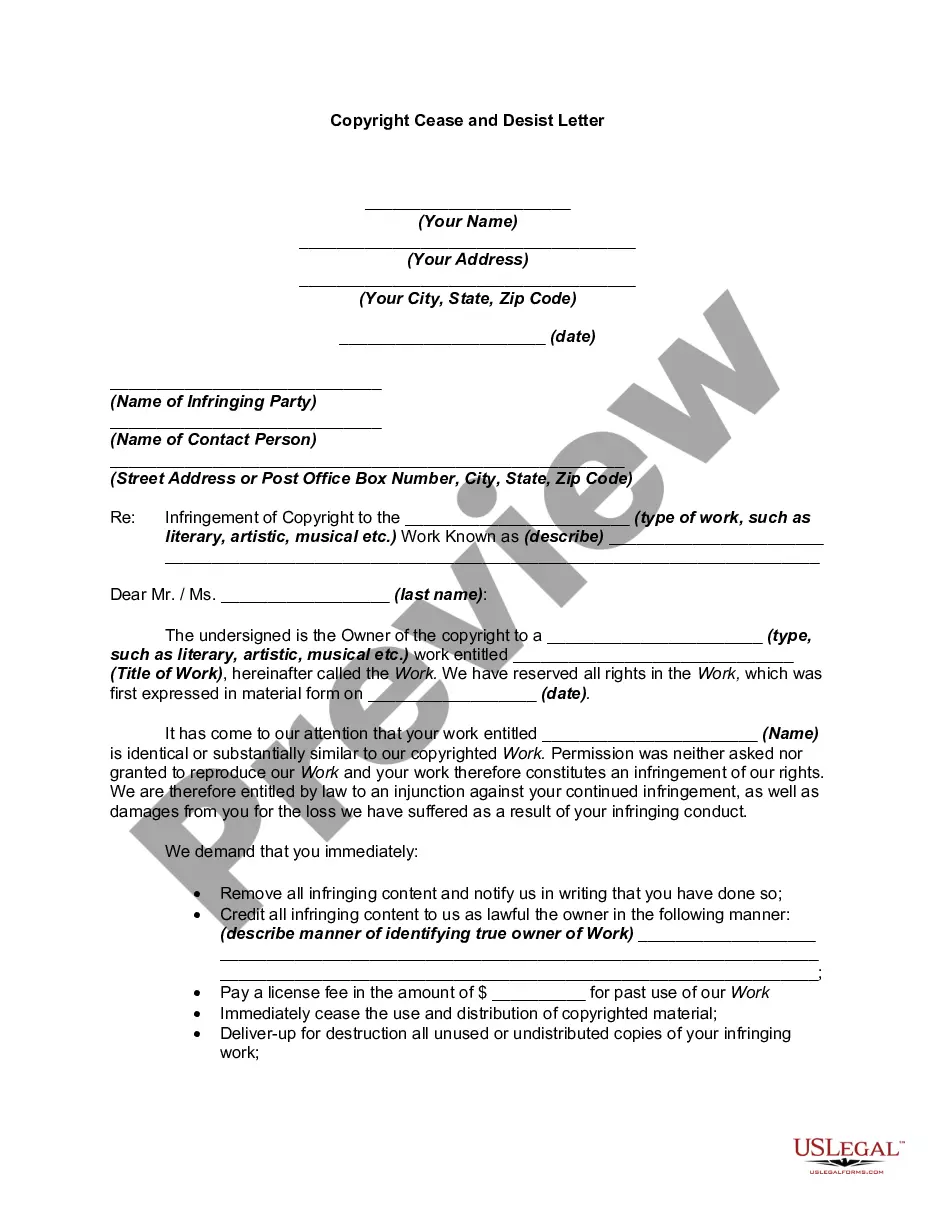
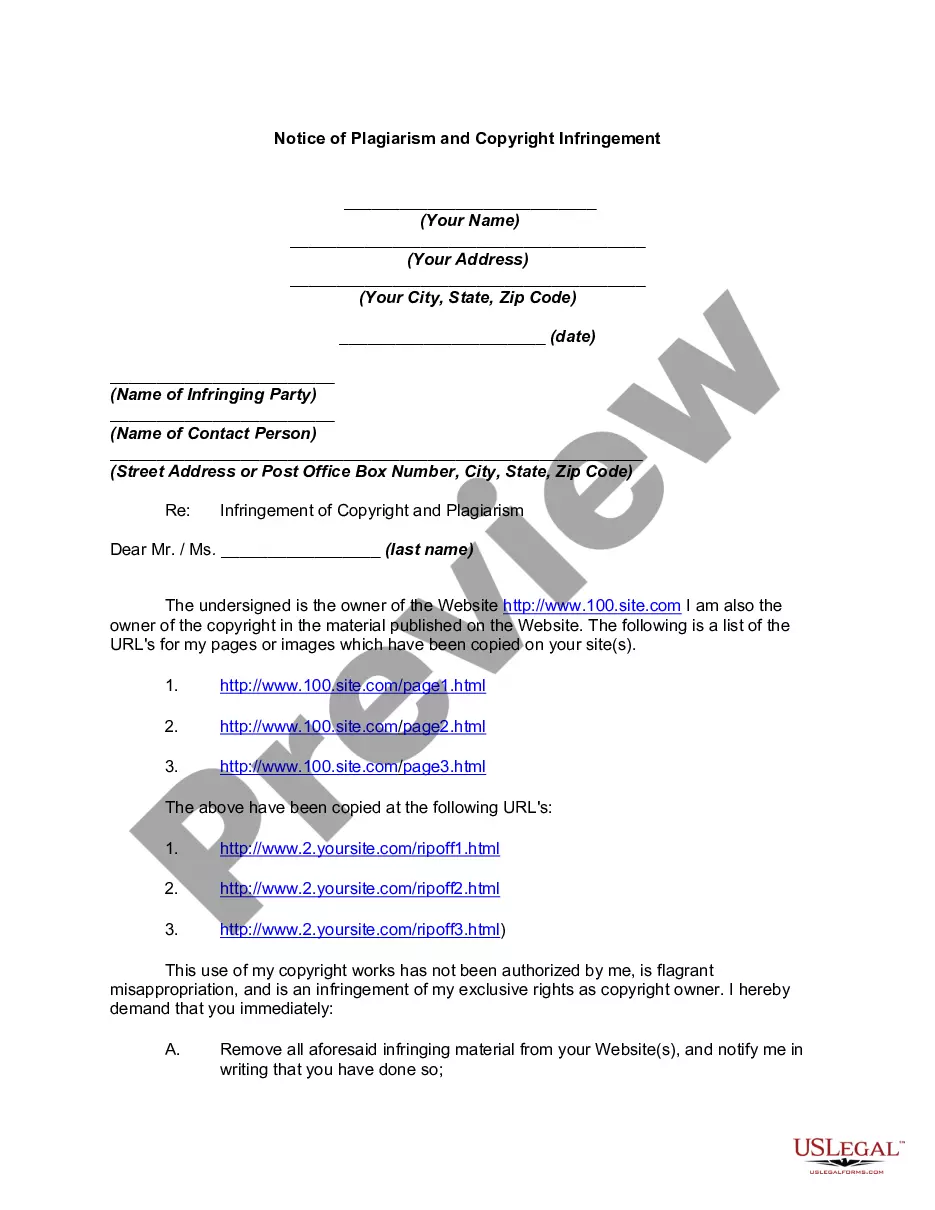
Get your form ready online
Our built-in tools help you complete, sign, share, and store your documents in one place.
Make edits, fill in missing information, and update formatting in US Legal Forms—just like you would in MS Word.
Download a copy, print it, send it by email, or mail it via USPS—whatever works best for your next step.
Sign and collect signatures with our SignNow integration. Send to multiple recipients, set reminders, and more. Go Premium to unlock E-Sign.
If this form requires notarization, complete it online through a secure video call—no need to meet a notary in person or wait for an appointment.
We protect your documents and personal data by following strict security and privacy standards.

Make edits, fill in missing information, and update formatting in US Legal Forms—just like you would in MS Word.

Download a copy, print it, send it by email, or mail it via USPS—whatever works best for your next step.

Sign and collect signatures with our SignNow integration. Send to multiple recipients, set reminders, and more. Go Premium to unlock E-Sign.

If this form requires notarization, complete it online through a secure video call—no need to meet a notary in person or wait for an appointment.

We protect your documents and personal data by following strict security and privacy standards.
Looking for another form?








Form popularity
FAQ
Typically, a party (other than the patentee or licensee of the patentee) that manufactures, imports, uses, sells, or offers for sale patented technology without permission/license from the patentee, during the term of the patent and within the country that issued the patent, is considered to infringe the patent.
Getting Started in Litigation Your attorney will file a formal complaint in federal court, explaining how the defendant has infringed on your patent. Together with your attorney, you will need to compile evidence of your ownership of the patent and the infringement.
Getting Started in Litigation Your attorney will file a formal complaint in federal court, explaining how the defendant has infringed on your patent. Together with your attorney, you will need to compile evidence of your ownership of the patent and the infringement.
Patent infringement is the unlawful use, selling, or copying of a patented invention. United States patent law protects such inventions. A patent is a type of intellectual property that the inventor could seek protection by filing a patent application.
A patent infringement action would typically name as a defendant every alleged patent infringer. This may be a particularly easy process if there is only one specific individual who has infringed on your patent. It can become much more complicated, however, when there are multiple individuals and businesses involved.
If you or your business was targeted by a patent troll, and you received an assertion of patent infringement that you feel was sent in bad faith, please file a complaint with the Attorney General's Consumer Protection Division. Information about filing complaints to the Attorney General can be found here.
What factors are involved in “willful infringement” of a patent? The courts often enter awards of increased damages where the infringer acted in wanton disregard of the patentee's patent rights, that is, where the infringement is “willful.” Courts consider the “totality of the circumstances” in determining willfulness.
In the United States, a valid patent provides its proprietor with the right to exclude others from practicing the invention claimed in that patent. A person who practices that invention without the permission of the patent holder infringes that patent.
If the State has waived its sovereign immunity to patent infringement, yes. Alternatively, a state may have provided by state statute an alternative remedy for its infringement of a patent. If so, the patentee may sue to obtain that alternative remedy.
The two main types of damages awarded in patent infringement actions are reasonable royalties and lost profits. (However, the Patent Act does not limit damages to certain types, and a judge can award other types of damages that may be appropriate under the facts of the case.)