Patent Infringement In Us In Texas
Description

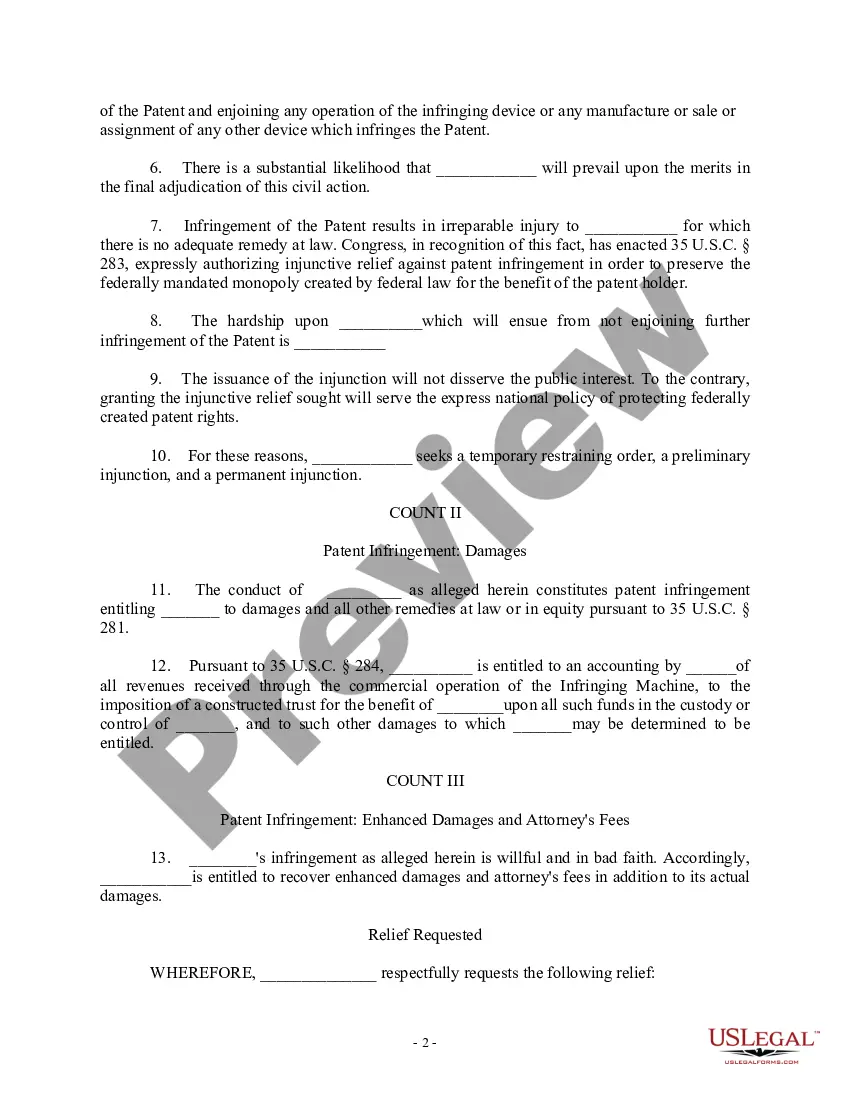
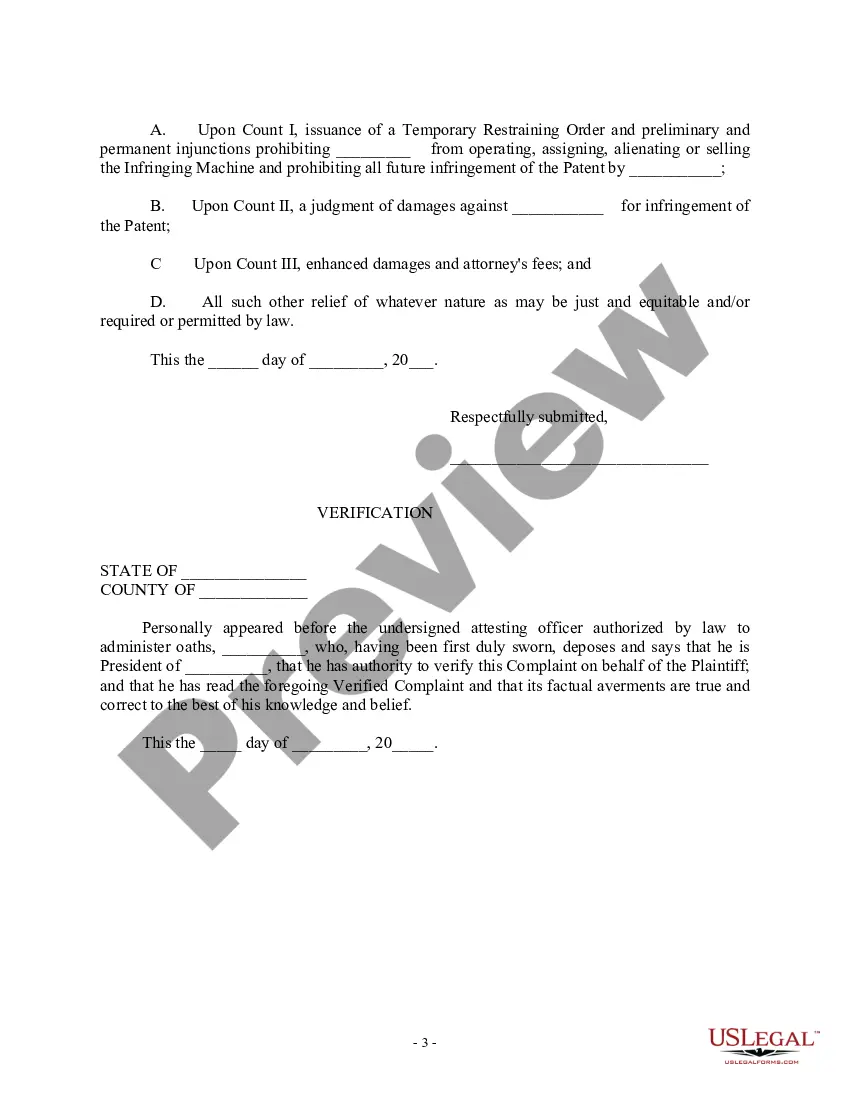
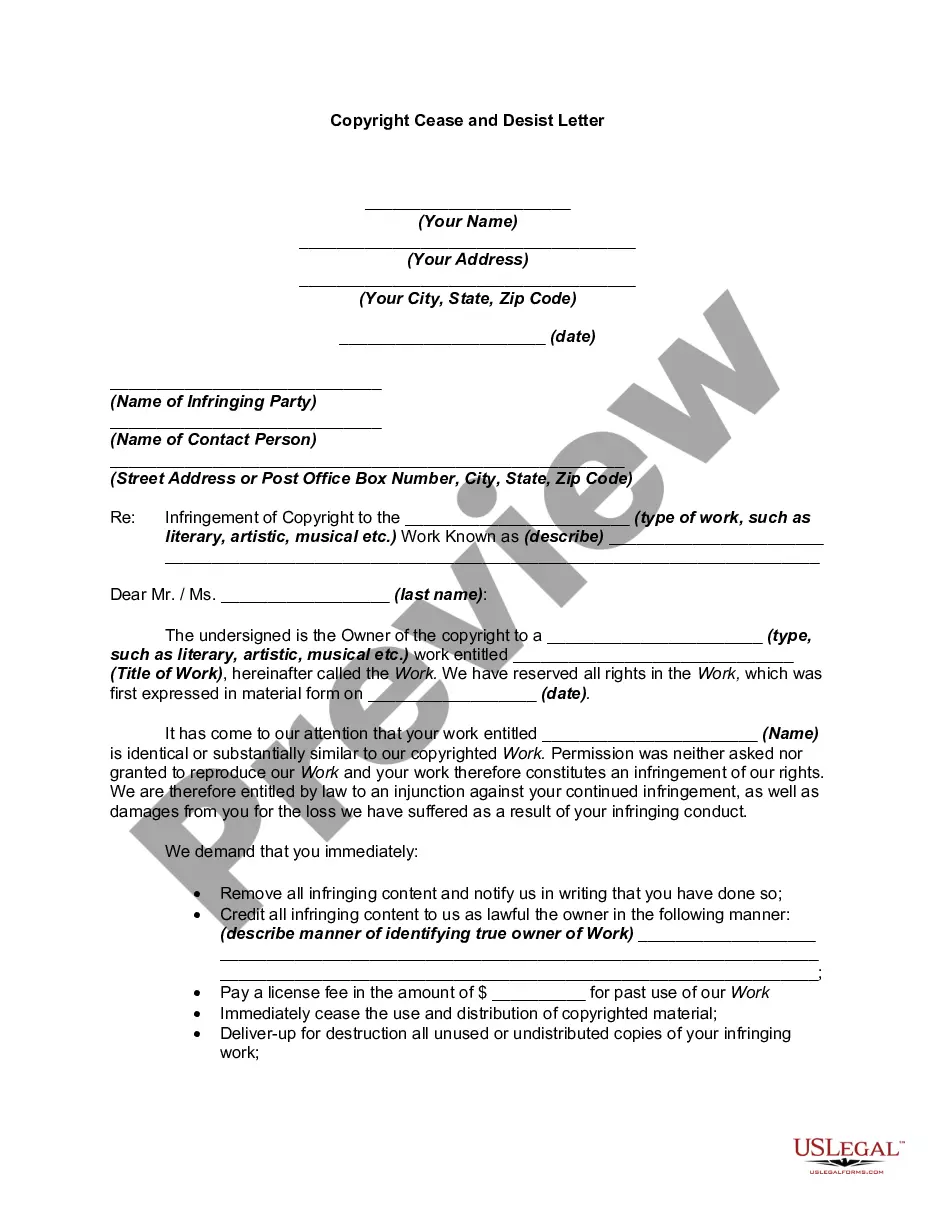
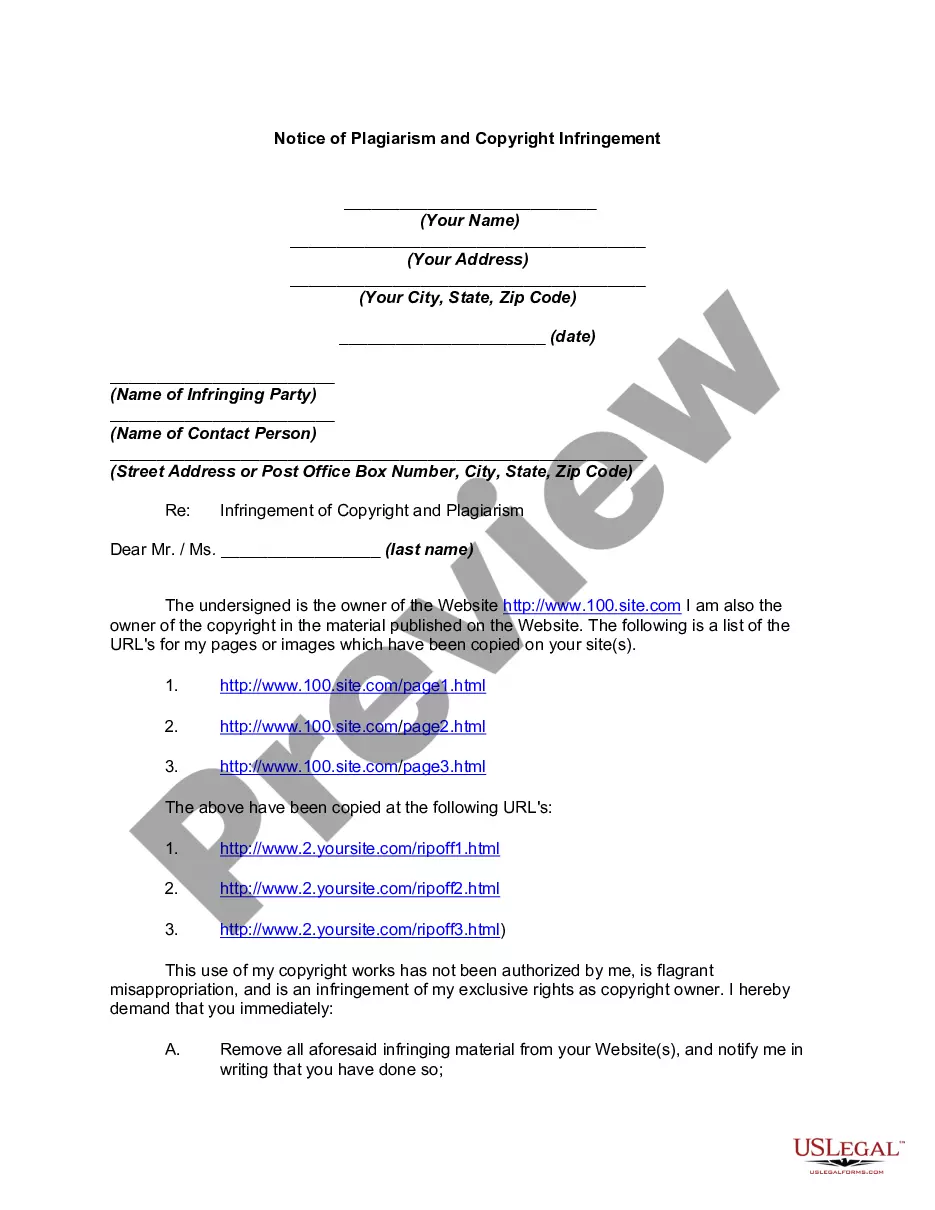
Get your form ready online
Our built-in tools help you complete, sign, share, and store your documents in one place.
Make edits, fill in missing information, and update formatting in US Legal Forms—just like you would in MS Word.
Download a copy, print it, send it by email, or mail it via USPS—whatever works best for your next step.
Sign and collect signatures with our SignNow integration. Send to multiple recipients, set reminders, and more. Go Premium to unlock E-Sign.
If this form requires notarization, complete it online through a secure video call—no need to meet a notary in person or wait for an appointment.
We protect your documents and personal data by following strict security and privacy standards.

Make edits, fill in missing information, and update formatting in US Legal Forms—just like you would in MS Word.

Download a copy, print it, send it by email, or mail it via USPS—whatever works best for your next step.

Sign and collect signatures with our SignNow integration. Send to multiple recipients, set reminders, and more. Go Premium to unlock E-Sign.

If this form requires notarization, complete it online through a secure video call—no need to meet a notary in person or wait for an appointment.

We protect your documents and personal data by following strict security and privacy standards.
Looking for another form?

Form popularity
FAQ
Patent infringement is not a crime. Instead, patent rights are enforced through civil litigation. Next, the court will look at whether a particular device literally infringes the claim. The elements of each of the patent's claims will be compared with the invention that is claimed to be infringing.
Patent infringement is the unlawful use, selling, or copying of a patented invention. United States patent law protects such inventions. A patent is a type of intellectual property that the inventor could seek protection by filing a patent application.
The two main types of damages awarded in patent infringement actions are reasonable royalties and lost profits. (However, the Patent Act does not limit damages to certain types, and a judge can award other types of damages that may be appropriate under the facts of the case.)
If the State has waived its sovereign immunity to patent infringement, yes. Alternatively, a state may have provided by state statute an alternative remedy for its infringement of a patent. If so, the patentee may sue to obtain that alternative remedy.
Identity of the Infringer This may be a particularly easy process if there is only one specific individual who has infringed on your patent. It can become much more complicated, however, when there are multiple individuals and businesses involved.
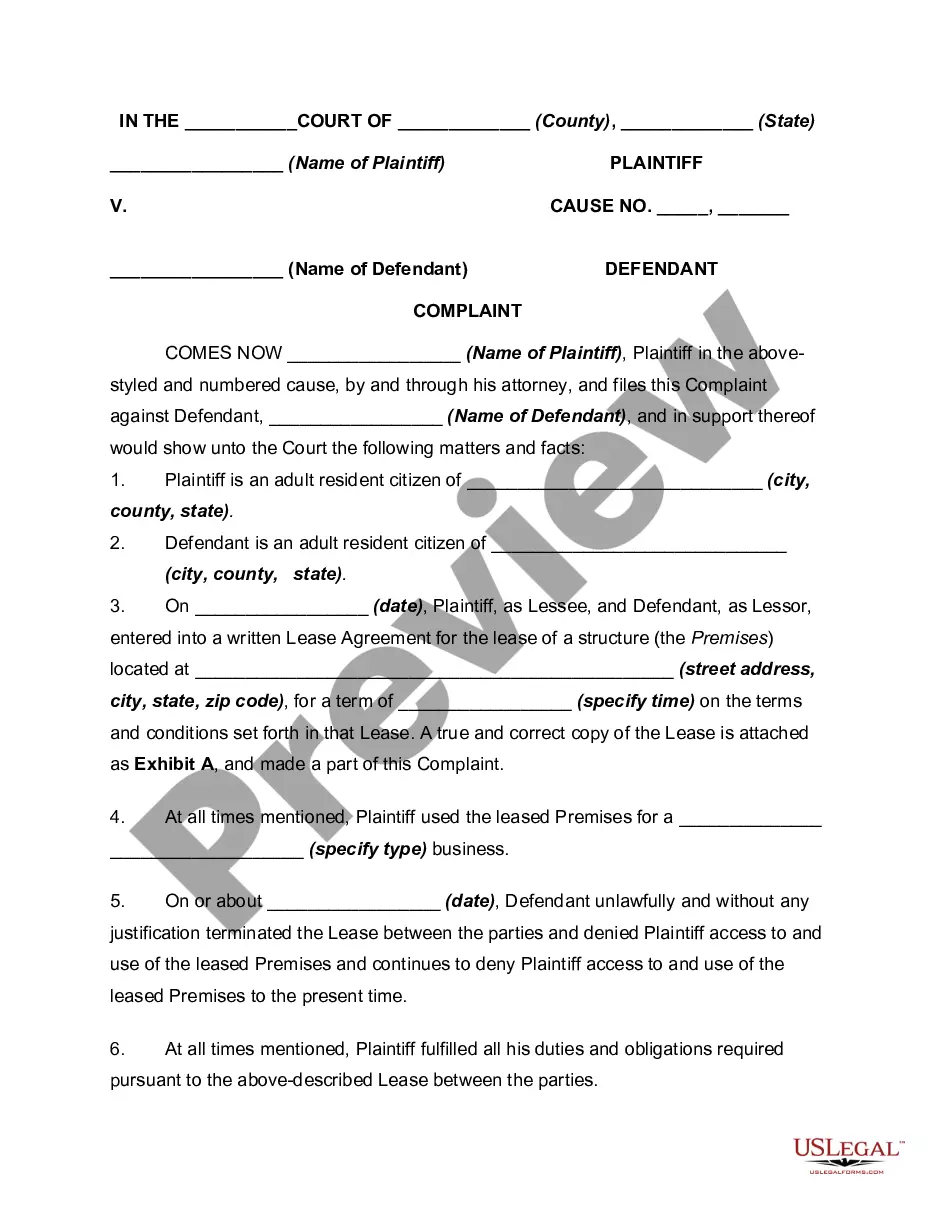
A complaint for patent infringement must provide notice to the accused infringer, including “a short and plain statement of the claim showing that the pleader is entitled to relief.”4 “The pleading standard Rule 8 announces does not require 'detailed factual allegations,' but it demands more than an unadorned, the- ...
Getting Started in Litigation Your attorney will file a formal complaint in federal court, explaining how the defendant has infringed on your patent. Together with your attorney, you will need to compile evidence of your ownership of the patent and the infringement.
Typical invalidity attacks include lack of novelty (anticipation), prior use, prior publication, obviousness, inutility, insufficiency of specification, and non-patentable subject matter.
This probably will require hiring a patent attorney. You should make sure to find an attorney who has handled patent infringement cases previously and who is familiar with your industry. Your attorney will file a formal complaint in federal court, explaining how the defendant has infringed on your patent.