Patent Infringement In Pharmaceutical Industry In Tarrant
Description

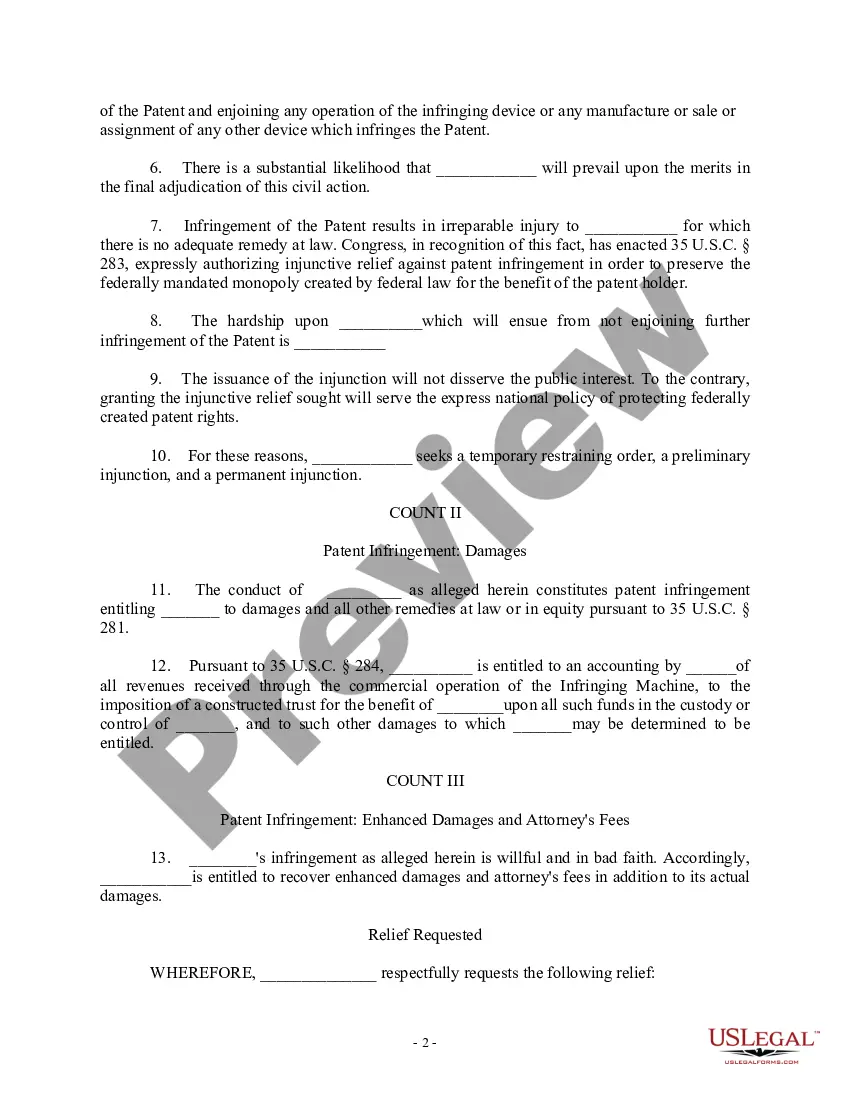
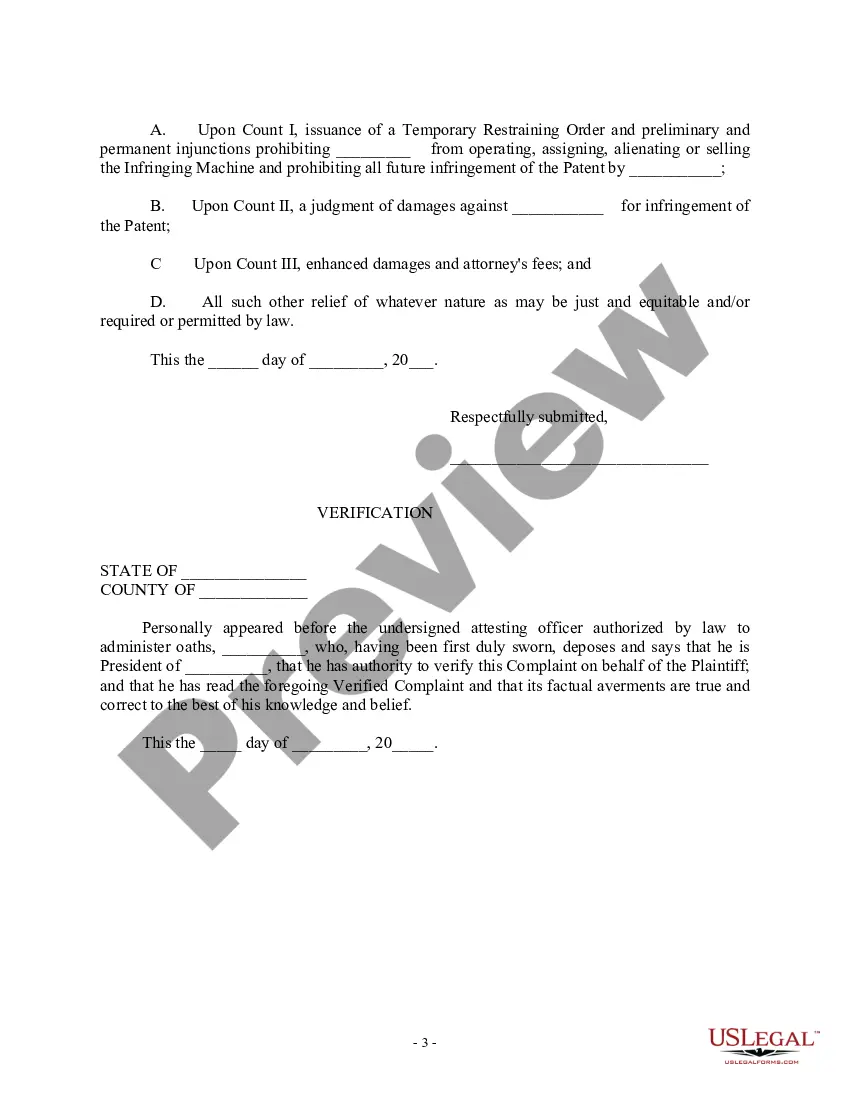
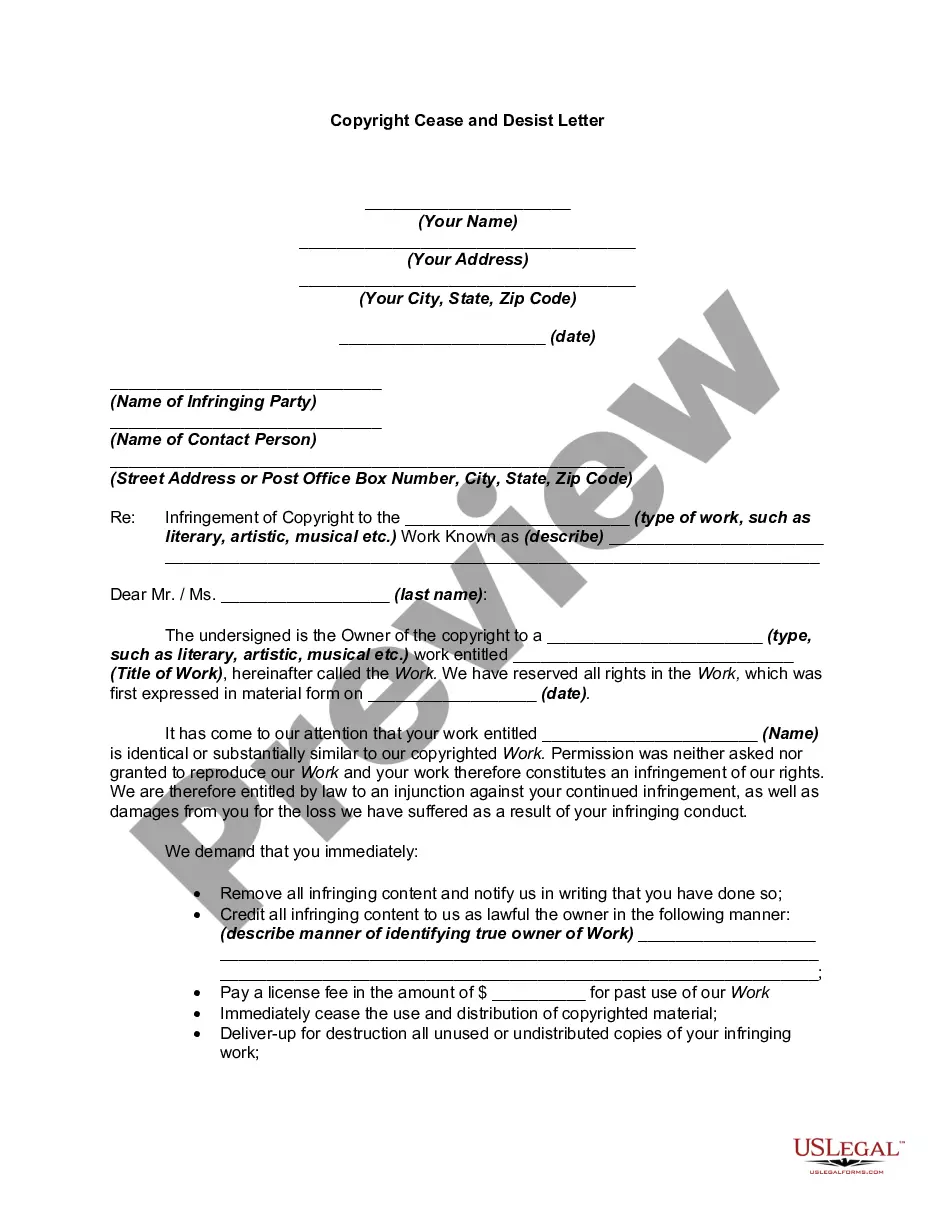
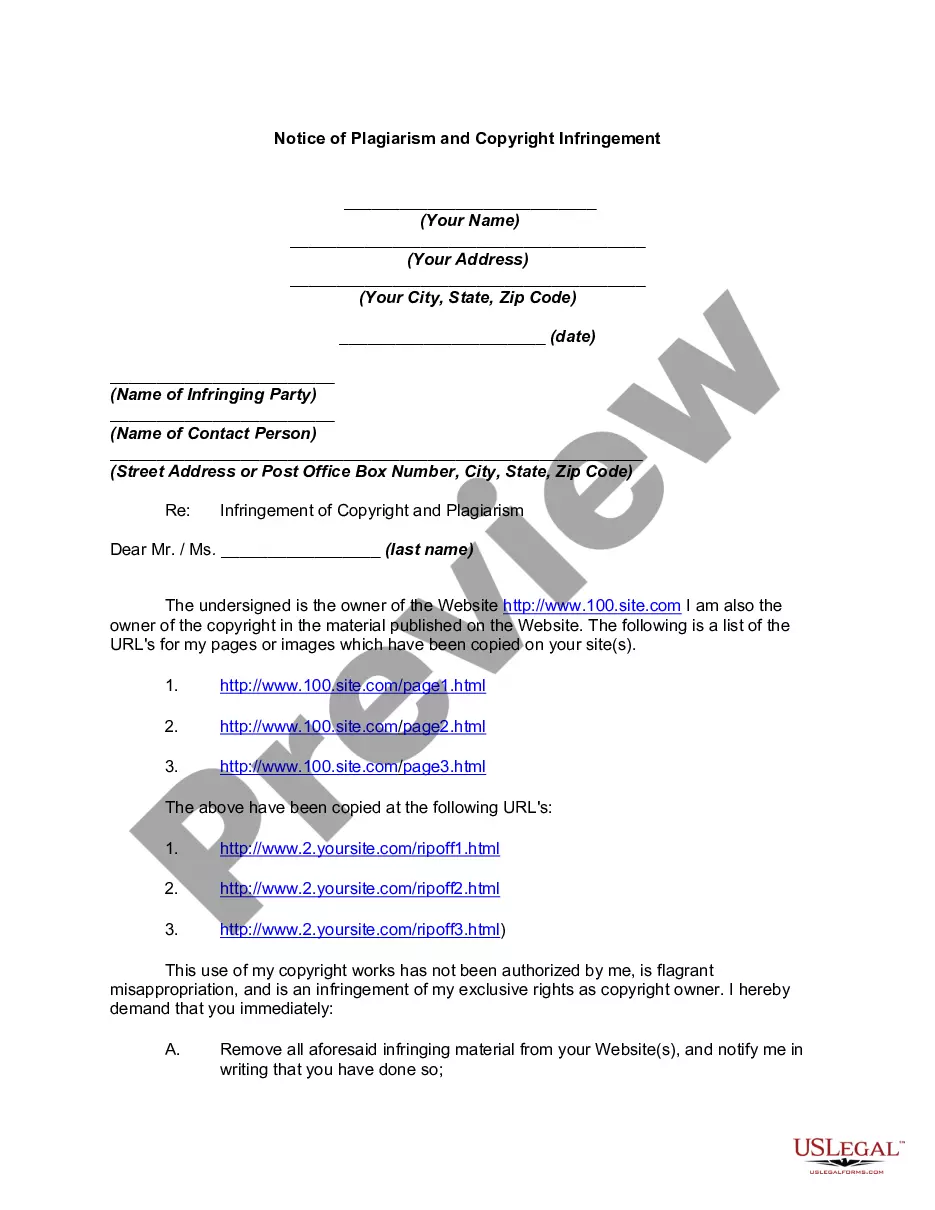
Get your form ready online
Our built-in tools help you complete, sign, share, and store your documents in one place.
Make edits, fill in missing information, and update formatting in US Legal Forms—just like you would in MS Word.
Download a copy, print it, send it by email, or mail it via USPS—whatever works best for your next step.
Sign and collect signatures with our SignNow integration. Send to multiple recipients, set reminders, and more. Go Premium to unlock E-Sign.
If this form requires notarization, complete it online through a secure video call—no need to meet a notary in person or wait for an appointment.
We protect your documents and personal data by following strict security and privacy standards.

Make edits, fill in missing information, and update formatting in US Legal Forms—just like you would in MS Word.

Download a copy, print it, send it by email, or mail it via USPS—whatever works best for your next step.

Sign and collect signatures with our SignNow integration. Send to multiple recipients, set reminders, and more. Go Premium to unlock E-Sign.

If this form requires notarization, complete it online through a secure video call—no need to meet a notary in person or wait for an appointment.

We protect your documents and personal data by following strict security and privacy standards.
Looking for another form?









Form popularity
FAQ
Determine the Substance of the Response Denying liability. Sending a holding letter advising the patent owner that a substantive response will be forthcoming. Purchasing or licensing the patent. Modifying the accused product to avoid infringement. Stopping use of the accused product.
Patent infringement lawsuits are heard almost exclusively in the federal district courts, while appeals in patent infringement cases are heard exclusively by the federal appellate courts—and since 1982, the U.S. Court of Appeals for the Federal Circuit.
To enforce a patent against a competitor, you'll need to show three things: That you own a valid patent. That the alleged infringer has engaged in an act of infringement. That the infringing product or process incorporates all the features of at least one independent claim.
A patent infringement action would typically name as a defendant every alleged patent infringer. This may be a particularly easy process if there is only one specific individual who has infringed on your patent. It can become much more complicated, however, when there are multiple individuals and businesses involved.
This probably will require hiring a patent attorney. You should make sure to find an attorney who has handled patent infringement cases previously and who is familiar with your industry. Your attorney will file a formal complaint in federal court, explaining how the defendant has infringed on your patent.
The IPR Center encourages victims to visit its website at .IPRCenter to obtain more information about the IPR Center and to report violations of intellectual property rights online or by emailing IPRCenter@dhs. You can also report IP crime by clicking on The IRP Center's “Report IP Theft” button.
There are three steps involved: Discovering the details of the accused activity; Studying the claims of the patent; and. Comparing the accused activity to the patent claims.
The U.S. Patent and Trademark Office administers and issues patent applications. However, if you wish to sue a person or business for infringing on your patent—that is, for using it without permission—you must file a lawsuit in federal court. But you cannot wait around forever to file your lawsuit.
Polaroid took Kodak to court in 1976, accusing it of infringing on 12 patents relating to instant photography. The pioneering instant camera and film company, now defunct, sought $12 billion in damages, a staggering sum even by today's standards.