Patent Without Significant Stenosis In Maricopa
Description

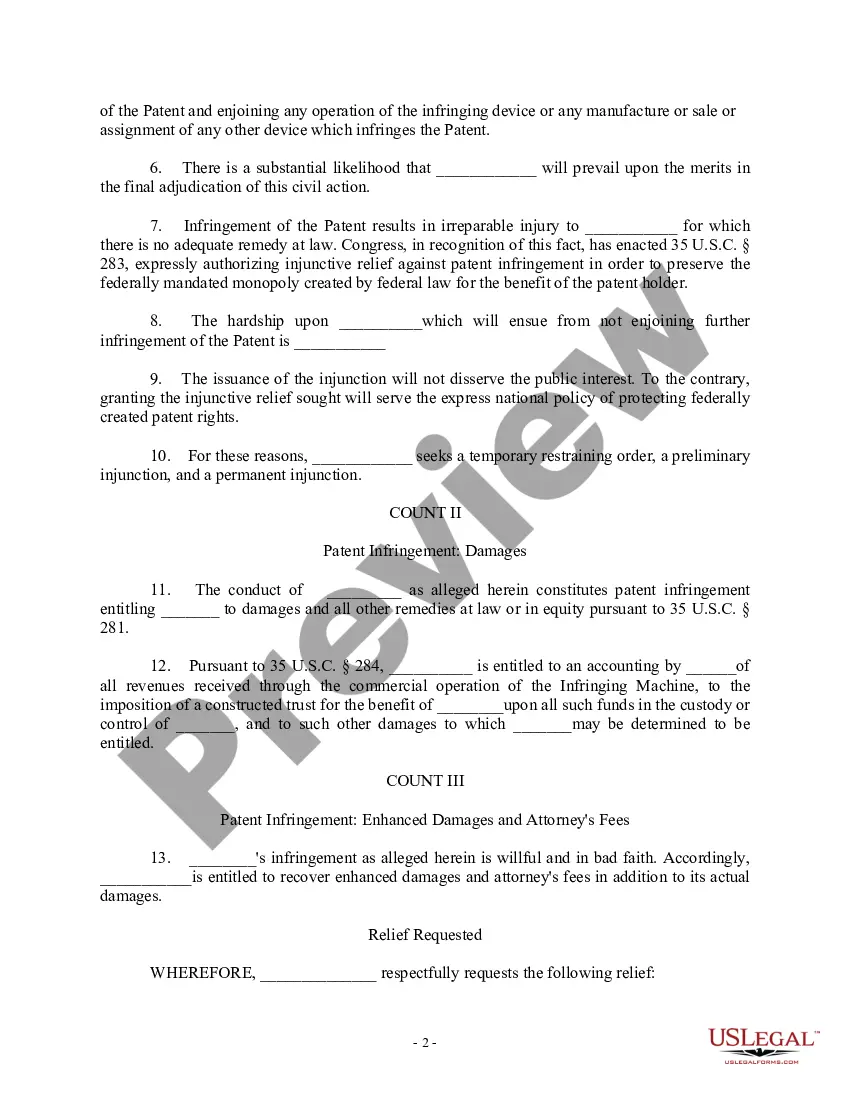
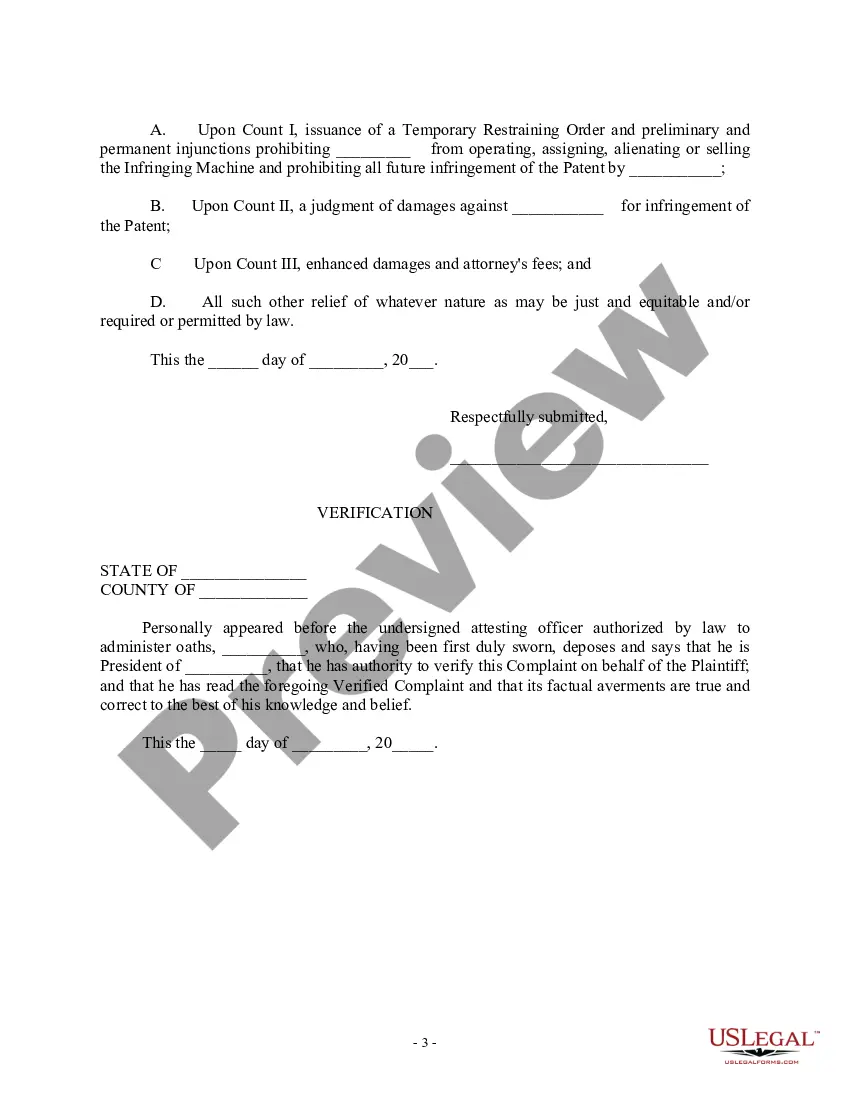
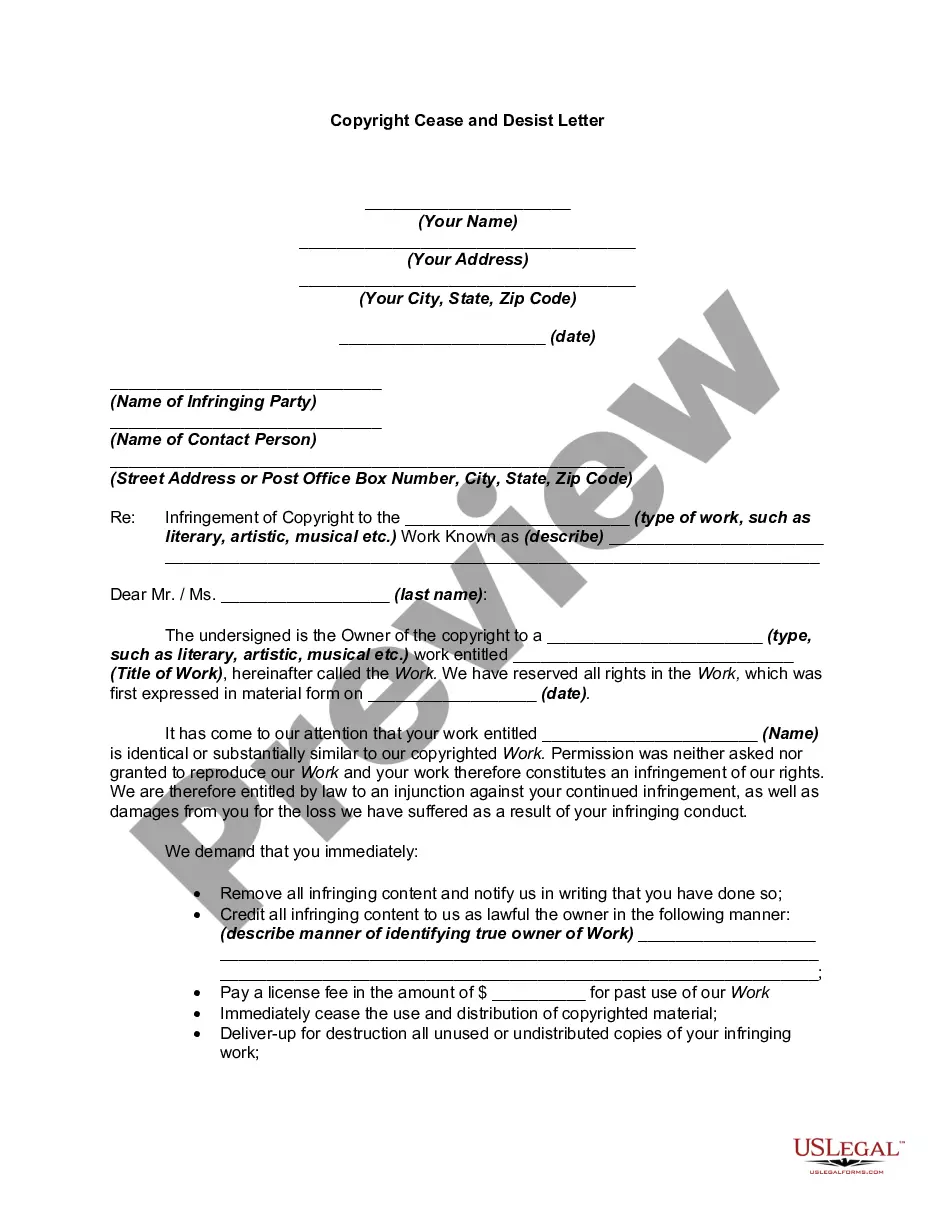
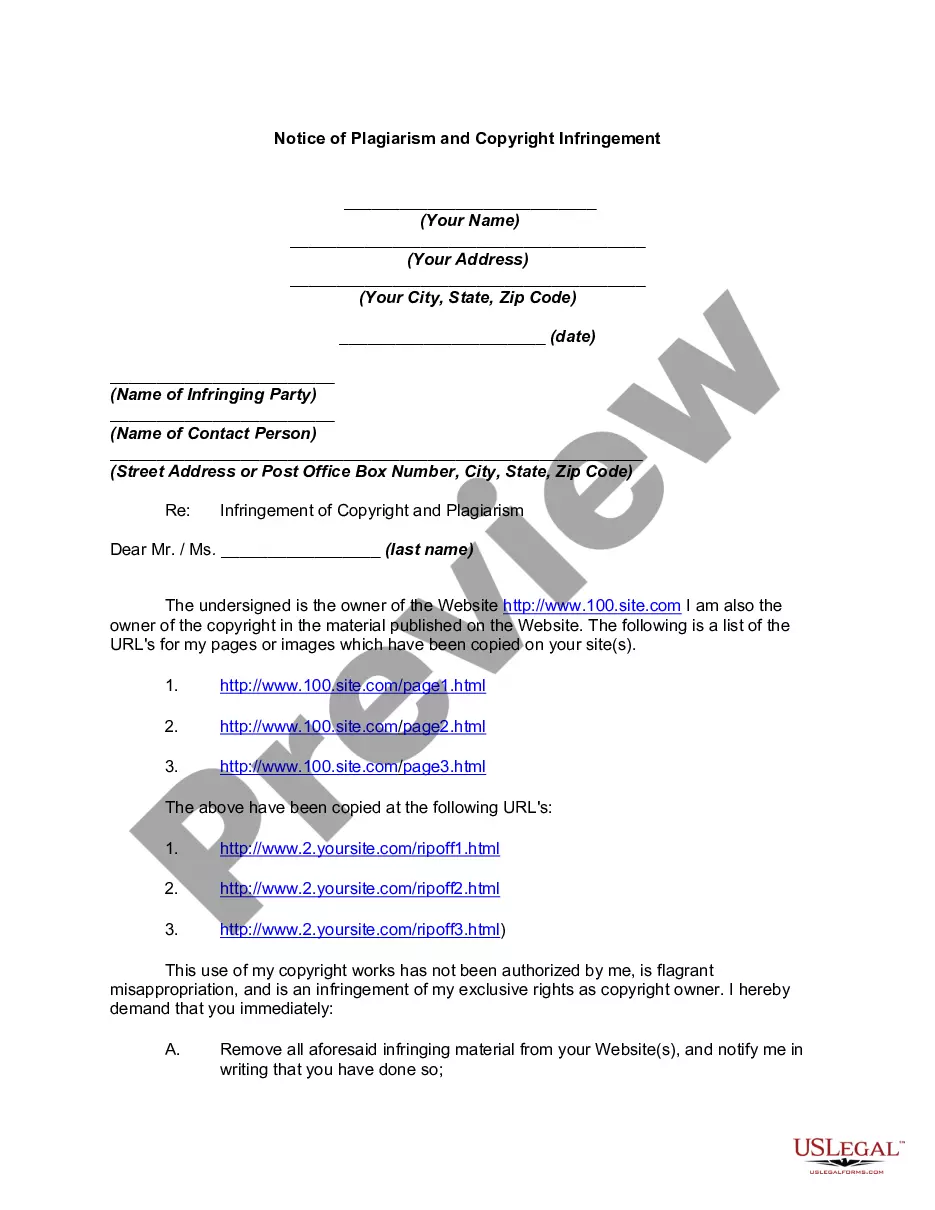
Get your form ready online
Our built-in tools help you complete, sign, share, and store your documents in one place.
Make edits, fill in missing information, and update formatting in US Legal Forms—just like you would in MS Word.
Download a copy, print it, send it by email, or mail it via USPS—whatever works best for your next step.
Sign and collect signatures with our SignNow integration. Send to multiple recipients, set reminders, and more. Go Premium to unlock E-Sign.
If this form requires notarization, complete it online through a secure video call—no need to meet a notary in person or wait for an appointment.
We protect your documents and personal data by following strict security and privacy standards.

Make edits, fill in missing information, and update formatting in US Legal Forms—just like you would in MS Word.

Download a copy, print it, send it by email, or mail it via USPS—whatever works best for your next step.

Sign and collect signatures with our SignNow integration. Send to multiple recipients, set reminders, and more. Go Premium to unlock E-Sign.

If this form requires notarization, complete it online through a secure video call—no need to meet a notary in person or wait for an appointment.

We protect your documents and personal data by following strict security and privacy standards.
Looking for another form?






Form popularity
FAQ
IP examples include vehicle safety systems, software, and pharmaceuticals. This was the first, and is still the largest, area of patent law.
Landlocked land is land that has no method of ingress or egress – no way in or out other than to go over the land of another. In this situation, an easement by necessity may be created.
What is a Patent Easement? Patent Easements were created by the Federal Government pursuant to the Small Tract Act of 1938 to provide a corridor for roadway and utilities through the small tracts (properties) that were conveyed to private ownership.
Once granted, land patents guarantee you have permanent ownership of the land in question, and protect this land from the government claiming rights of it through legislation.
Q: What is the difference between a deed and a patent? A: A patent is the first conveyance of the land, usually from Lord Baltimore to a settler. A deed is any subsequent transfer of ownership.
Requirements for filing a provisional application: A detailed written description of the invention including drawings. Title of the invention. Name(s) of all inventors. Inventor(s) residence(s) Name and registration number of attorney or agent and docket number (if applicable) Correspondence address.