Difference Between False Arrest And False Imprisonment In Orange
Description






Get your form ready online
Our built-in tools help you complete, sign, share, and store your documents in one place.
Make edits, fill in missing information, and update formatting in US Legal Forms—just like you would in MS Word.
Download a copy, print it, send it by email, or mail it via USPS—whatever works best for your next step.
Sign and collect signatures with our SignNow integration. Send to multiple recipients, set reminders, and more. Go Premium to unlock E-Sign.
If this form requires notarization, complete it online through a secure video call—no need to meet a notary in person or wait for an appointment.
We protect your documents and personal data by following strict security and privacy standards.

Make edits, fill in missing information, and update formatting in US Legal Forms—just like you would in MS Word.

Download a copy, print it, send it by email, or mail it via USPS—whatever works best for your next step.

Sign and collect signatures with our SignNow integration. Send to multiple recipients, set reminders, and more. Go Premium to unlock E-Sign.

If this form requires notarization, complete it online through a secure video call—no need to meet a notary in person or wait for an appointment.

We protect your documents and personal data by following strict security and privacy standards.
Looking for another form?




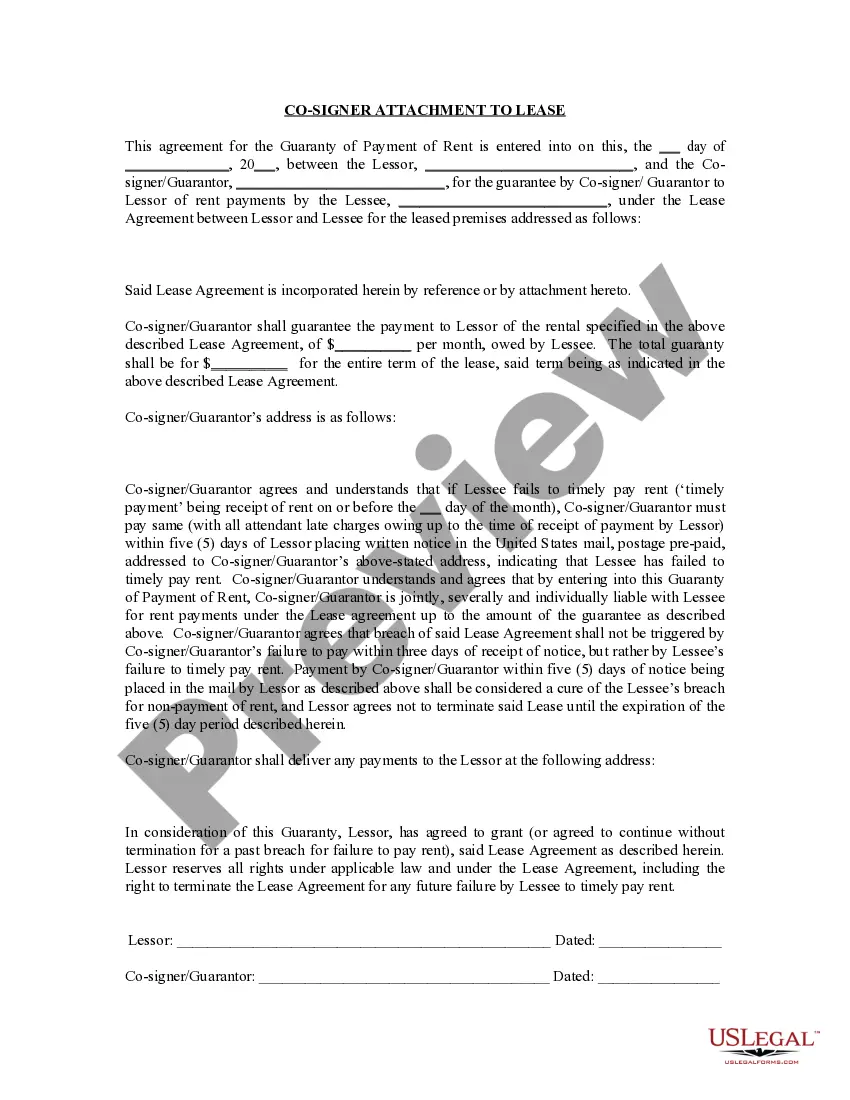
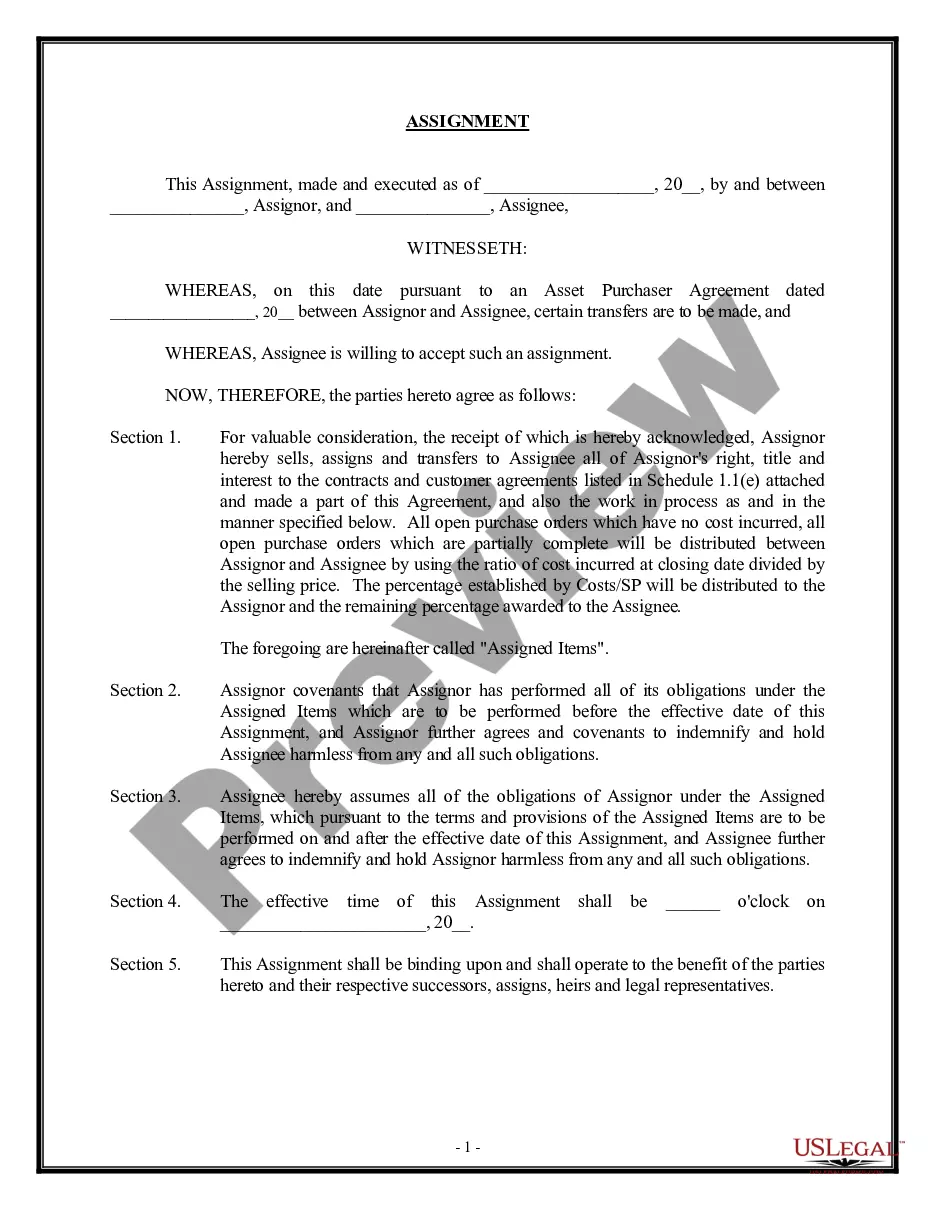



Form popularity
FAQ
Proving False Arrest To be successful with a civil lawsuit pertaining to false arrest, you must prove three elements of your case. These are as follows: Law enforcement officials arrested you without a valid warrant, without a warrant at all, or without probable cause. You suffered actual harm as a result.
In general, to make out a false imprisonment claim, you'll need to show these four common elements: the intentional restraint of another person in a confined area. the restrained person doesn't consent to the restraint. the restrained person is aware of the restraint, and. the restraint is without legal justification.
Terrill Swift of the Englewood Four was falsely imprisoned based on a false confession before being exonerated by DNA evidence. Bennie Starks, was prosecuted in Lake County for a rape for which he served over 20 years, even though DNA evidence established that he was innocent.
With exceptions, every crime has at least three elements: a criminal act, also called actus reus; a criminal intent, also called mens rea; and concurrence of the two. The term conduct is often used to reflect the criminal act and intent elements.
False imprisonment or unlawful imprisonment occurs when a person intentionally restricts another person's movement within any area without legal authority, justification, or the restrained person's permission. Actual physical restraint is not necessary for false imprisonment to occur.
To prove a prima facie case of false imprisonment, the following elements need demonstration: An act that completely confines a plaintiff within fixed boundaries. An intention to confine. Defendant is responsible for or the cause of the confinement.
To prove a false imprisonment claim as a tort in a civil lawsuit, the following elements must be present: There was a willful detention; The detention was without consent; and. The detention was unlawful.
To prove a false imprisonment claim as a tort in a civil lawsuit, the following elements must be present: There was a willful detention; The detention was without consent; and. The detention was unlawful.
California Penal Code 236 PC describes the crime of false imprisonment as unlawfully depriving another person of their personal liberty. Put simply, it's a crime to detain, restrain, or confine someone without their consent and not allow them to leave when they want.
