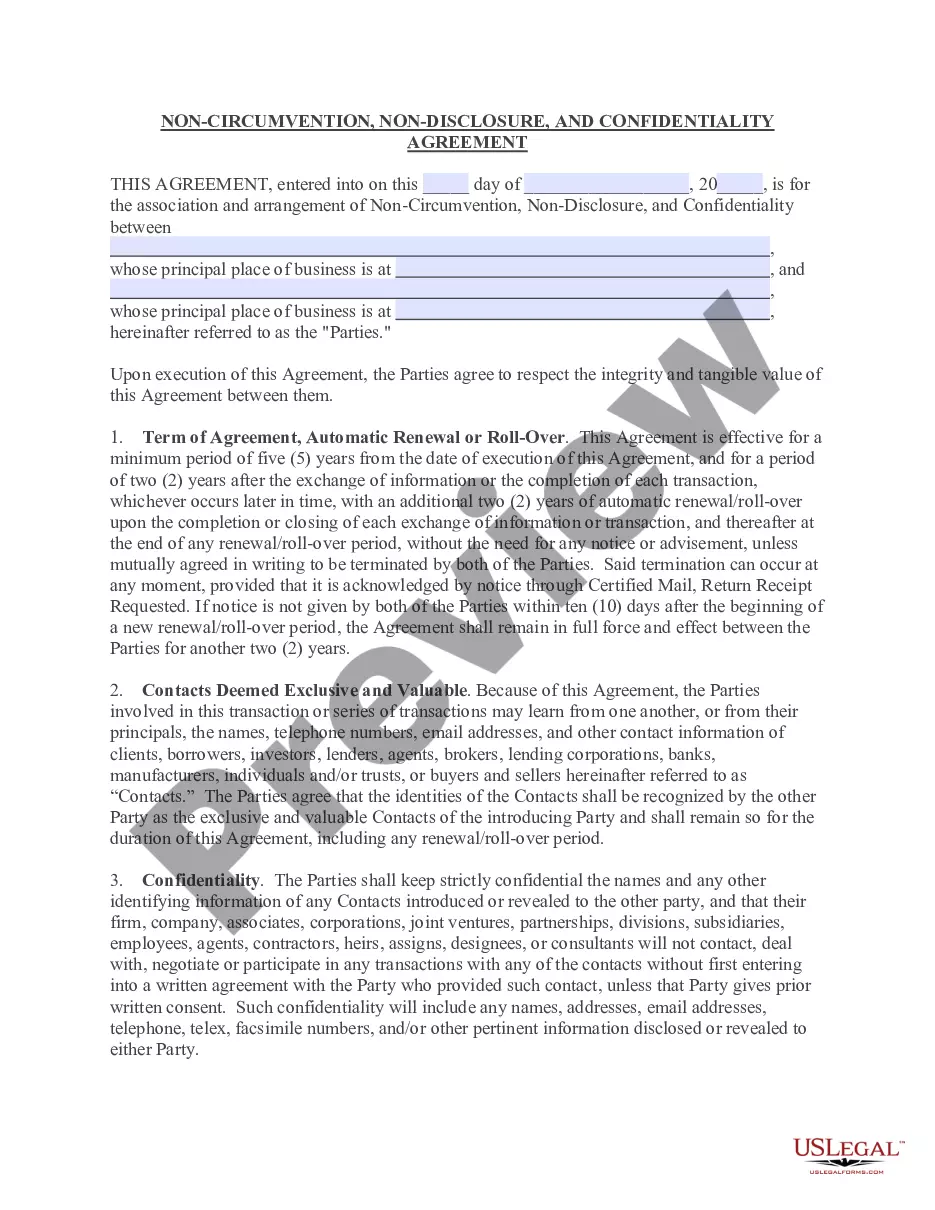
Non Disclosure Confidentiality Agreement With Liquidated Damages In California
Description

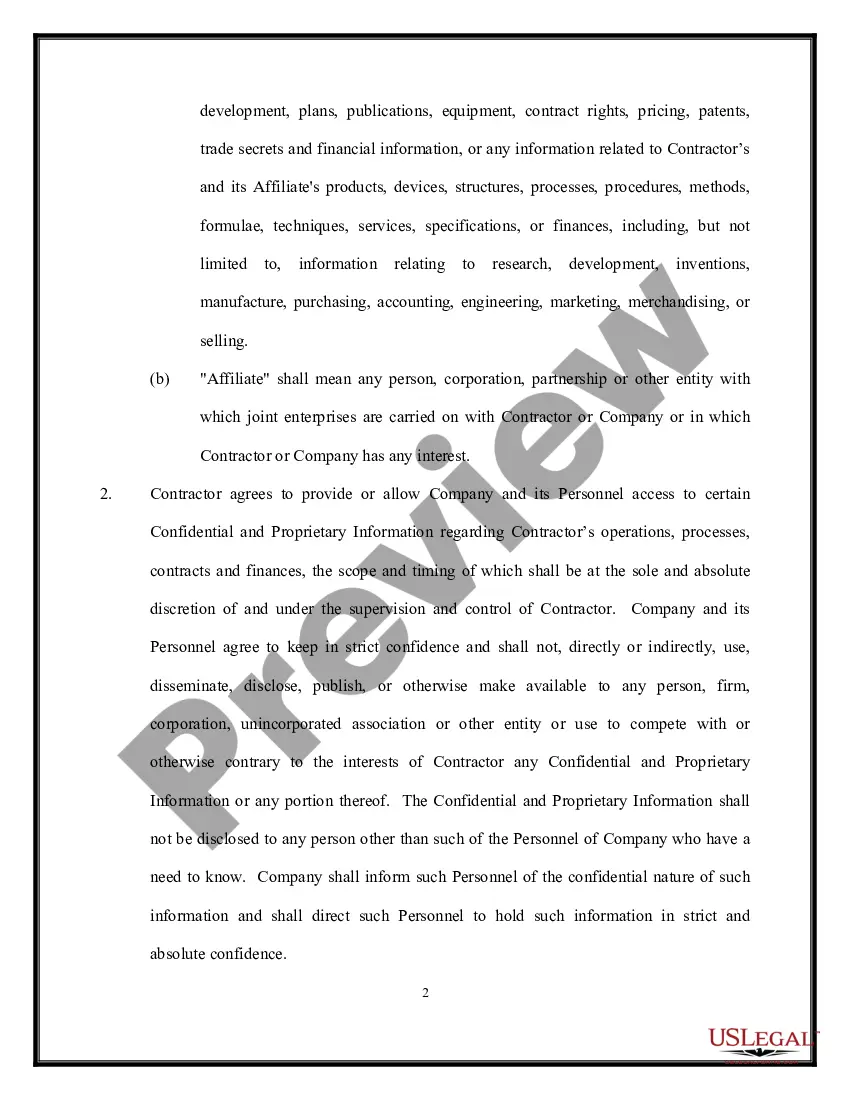
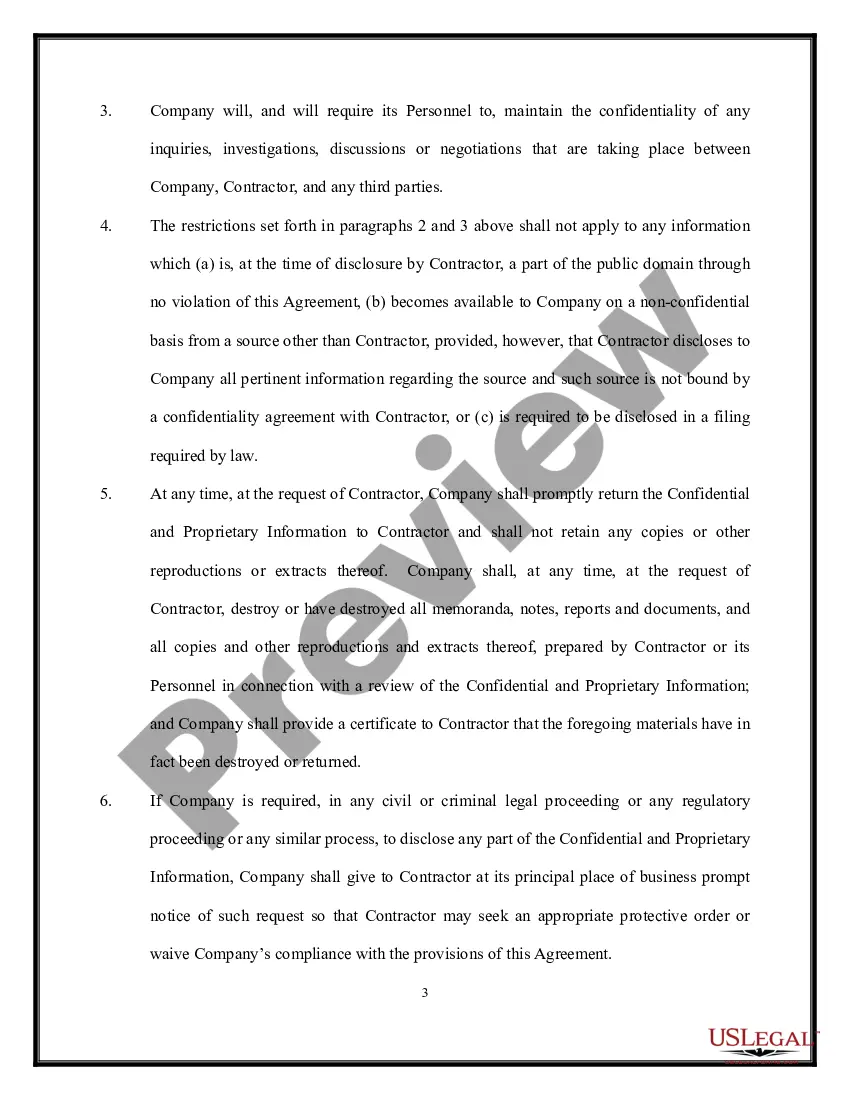
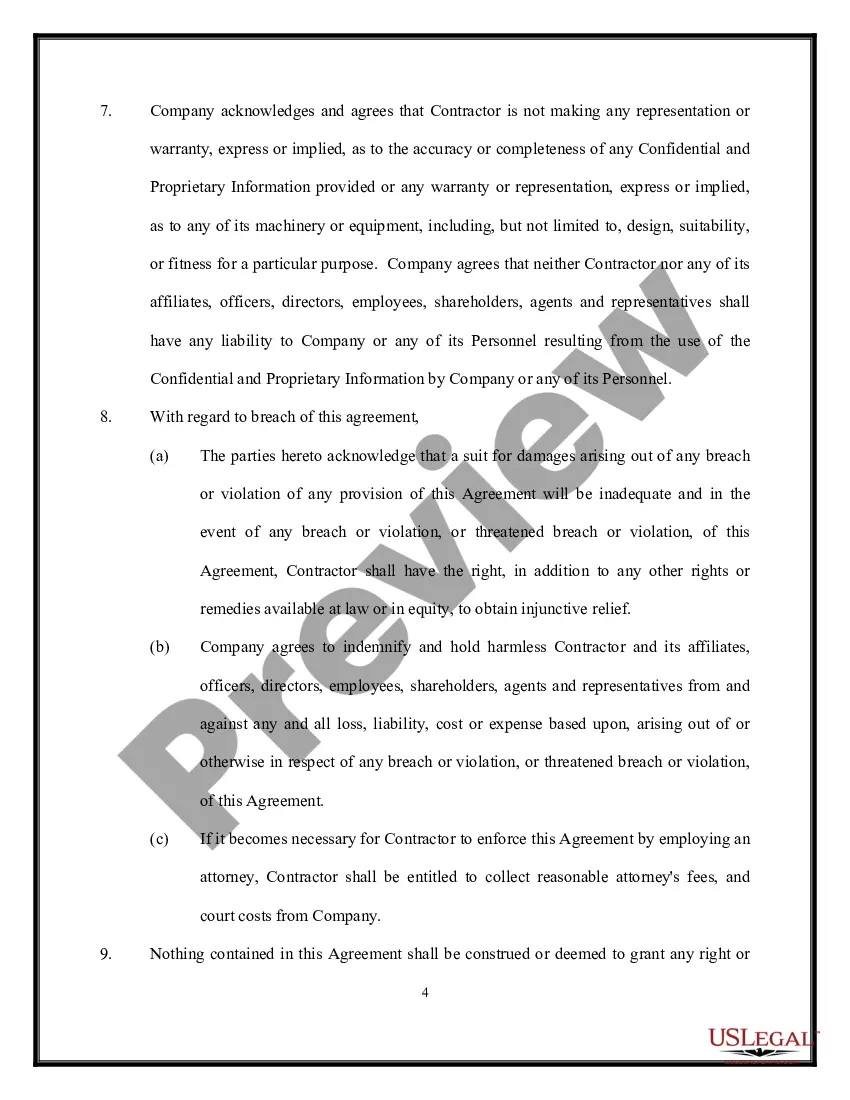
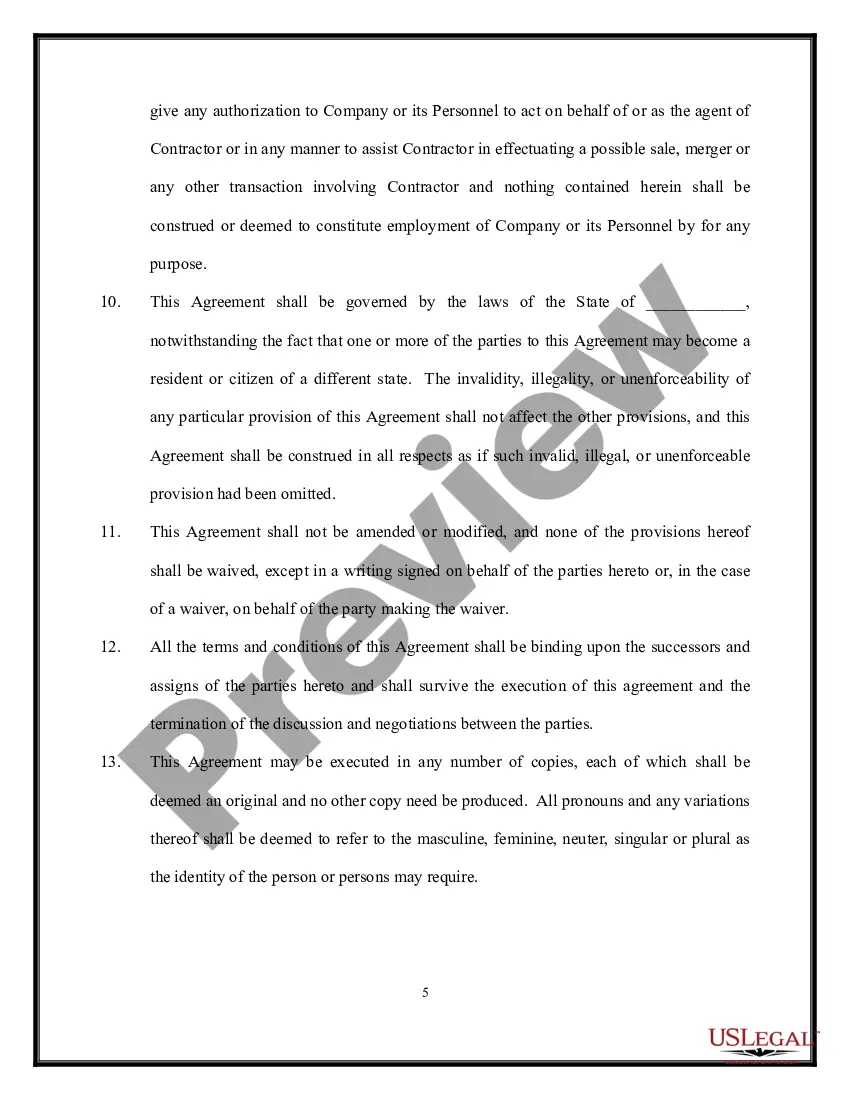
Get your form ready online
Our built-in tools help you complete, sign, share, and store your documents in one place.
Make edits, fill in missing information, and update formatting in US Legal Forms—just like you would in MS Word.
Download a copy, print it, send it by email, or mail it via USPS—whatever works best for your next step.
Sign and collect signatures with our SignNow integration. Send to multiple recipients, set reminders, and more. Go Premium to unlock E-Sign.
If this form requires notarization, complete it online through a secure video call—no need to meet a notary in person or wait for an appointment.
We protect your documents and personal data by following strict security and privacy standards.

Make edits, fill in missing information, and update formatting in US Legal Forms—just like you would in MS Word.

Download a copy, print it, send it by email, or mail it via USPS—whatever works best for your next step.

Sign and collect signatures with our SignNow integration. Send to multiple recipients, set reminders, and more. Go Premium to unlock E-Sign.

If this form requires notarization, complete it online through a secure video call—no need to meet a notary in person or wait for an appointment.

We protect your documents and personal data by following strict security and privacy standards.
Looking for another form?
Form popularity
FAQ
Liquidated damages are stipulated amounts agreed to by the parties to a nondisclosure agreement. The benefits of a clause for liquidated damages include: Quick resolution. No need for litigation for a breach of contract.
Completing the Confidentiality Agreement The "Receiving Party" is the person or company who receives the confidential information and is obligated to keep it secret. You'll need to fill in information specific to your circumstances in the spaces provided, such as the parties' names and addresses.
Special Damages: If a breach results in specific, quantifiable losses, like lost contracts or a dip in stock value, the affected party may be able to recover these specific damages. This requires clear evidence of the connection between the breach and the financial harm.
California Laws on Non-Disclosure Agreements Additionally, an NDA must be reasonable in scope and duration to be enforceable, and it must not be contrary to public policy or violate any laws. The California Uniform Trade Secrets Act (CUTSA) also provides specific requirements for NDAs that protect trade secrets.
Can you go to jail for breaking an NDA? Breaking an NDA usually doesn't result in jail time — as NDAs are civil contracts, not criminal agreements. Typically, the consequence is a breach of contract lawsuit, where the harmed party may seek financial compensation if the court rules in their favor.
Imagine a worker or former worker breaks an NDA. If the business learns of this, it may seek an injunction to prevent the employee from further disclosure. The business may also file a lawsuit seeking financial damages for all losses related to the breach of confidentiality obligations.
Direct damages, on the other hand, are those damages that are a direct and immediate loss caused by a breach and compensate for that loss. Examples of direct damages include costs to repair faulty work or additional work, as well as resulting general conditions expenses and project delay costs.
In California, a nondisclosure agreement may be enforceable, provided it meets basic criteria. The restrictive covenant must be properly drafted. This entails clear writing, detailed information about the confidential components of the contract, and a clearly stated extent of the confidentiality obligation.
Noncompete agreements are void and prohibited by law in California. QUICK SUMMARY: In California, noncompete agreements that are intended to prevent or restrain an employee from engaging in another lawful possession, trade or business during their employment have long been unenforceable.
Starting January 1, 2025, businesses settling disputes with consumers cannot condition any refund or other consideration on a consumer agreeing not to make statements about the business, regardless of the sentiment or accuracy of those statements. The text of the new Cal. Civ. Code § 1748.50 can be found here.