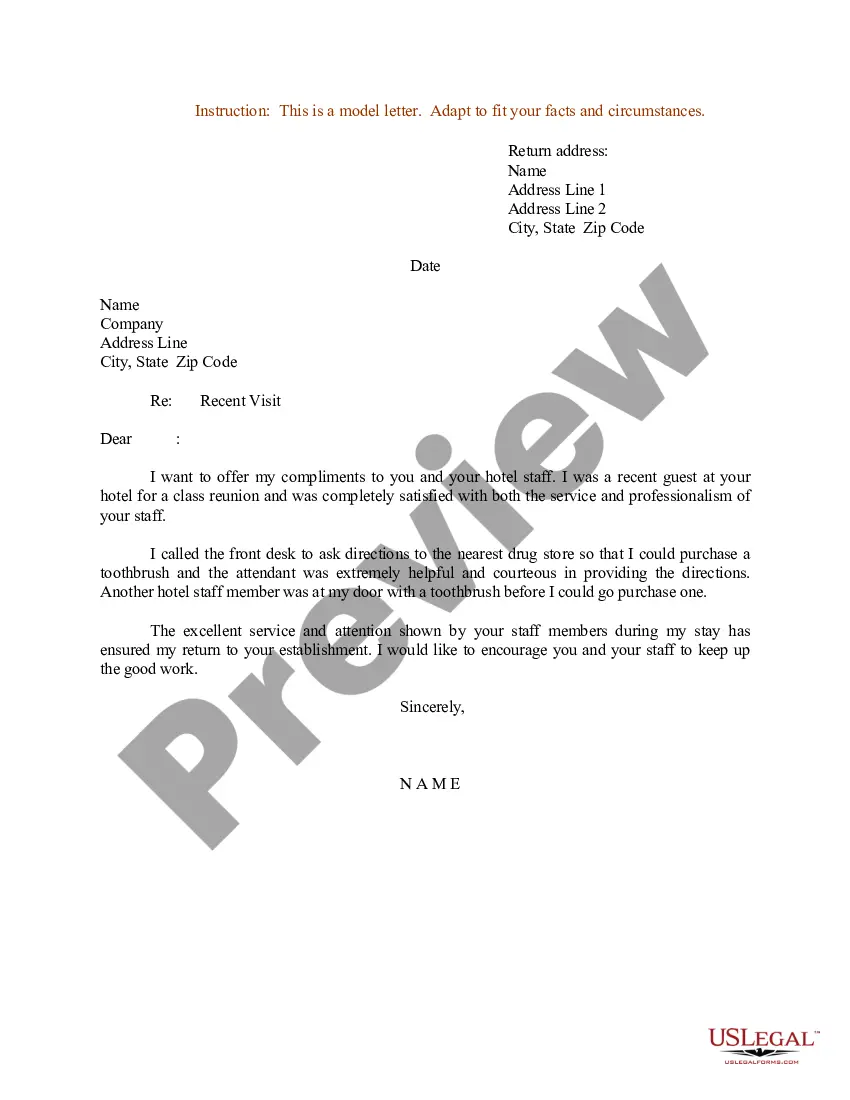
Complaint False Arrest For Theft In Minnesota
Description






Get your form ready online
Our built-in tools help you complete, sign, share, and store your documents in one place.
Make edits, fill in missing information, and update formatting in US Legal Forms—just like you would in MS Word.
Download a copy, print it, send it by email, or mail it via USPS—whatever works best for your next step.
Sign and collect signatures with our SignNow integration. Send to multiple recipients, set reminders, and more. Go Premium to unlock E-Sign.
If this form requires notarization, complete it online through a secure video call—no need to meet a notary in person or wait for an appointment.
We protect your documents and personal data by following strict security and privacy standards.

Make edits, fill in missing information, and update formatting in US Legal Forms—just like you would in MS Word.

Download a copy, print it, send it by email, or mail it via USPS—whatever works best for your next step.

Sign and collect signatures with our SignNow integration. Send to multiple recipients, set reminders, and more. Go Premium to unlock E-Sign.

If this form requires notarization, complete it online through a secure video call—no need to meet a notary in person or wait for an appointment.

We protect your documents and personal data by following strict security and privacy standards.
Looking for another form?








Form popularity
FAQ
The Minnesota False Claims statute contains an employee protection provision that provides that an employee, contractor, or agent is entitled to all relief necessary to make that employee, contractor, or agent whole if that employee, contractor, or agent is discharged, demoted, suspended, threatened, harassed or in any ...
The misdemeanor offense of false imprisonment under California Penal Code Section 237(a) PC requires a prosecutor to establish the following elements: The defendant intentionally and unlawfully restrained, detained or confined another person. The defendant made the person stay or go somewhere against that person's will ...
The most common defense is consent. In other words, the victim voluntarily agreed to being confined.
Examples of false imprisonment: You prevent someone from leaving by grabbing that person's arm; You lock someone in a bedroom; You tie someone to a chair. Note, however, that if the person consented to any of these acts, it wouldn't be false imprisonment.
Kidnapping is when someone takes another person (either against their will or by luring them away) or keeps a person against their wishes, in order to make that person or someone else give something up to let that person go. False Imprisonment is when someone confines or detains another person without their consent.
Under Minnesota Statute § 609.505, a person can be charged with falsely reporting crime if he or she informs a law enforcement officer that a crime was committed or otherwise provides information to an on-duty peace officer, knowing that the person is a peace officer, regarding the conduct of others, knowing that it is ...
609.83 FALSELY IMPERSONATING ANOTHER.
Minnesota Statutes Chapter 325F, Section 68 through 70 is also known as the Prevention of Consumer Fraud Act (“PCFA”). The PCFA is a state law that provides legal protection to consumers by regulating the use of fraudulent or deceptive practices by businesses.
You can also file a complaint by email at consumer.protection@state.mn or by phone at 651-539-1600 or 800-657-3602.
MINNESOTA LAW REQUIRES THAT A SELLER PROVIDE A REMEDY, SUCH AS THE REPLACEMENT OR REPAIR OF DEFECTIVE GOODS WHENEVER THE SELLER EXPRESSLY WARRANTS THE CONDITION OF THE GOODS.