Event Planning Agreement Contract With America In Palm Beach
Description

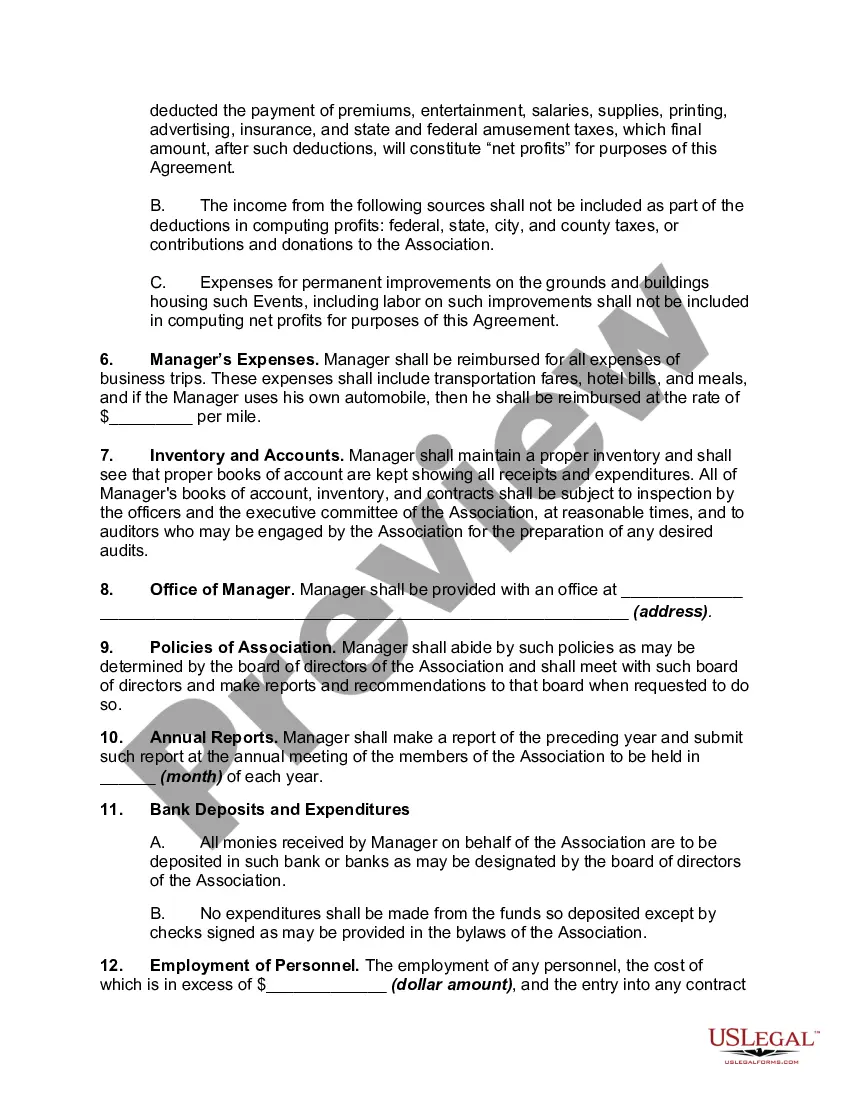
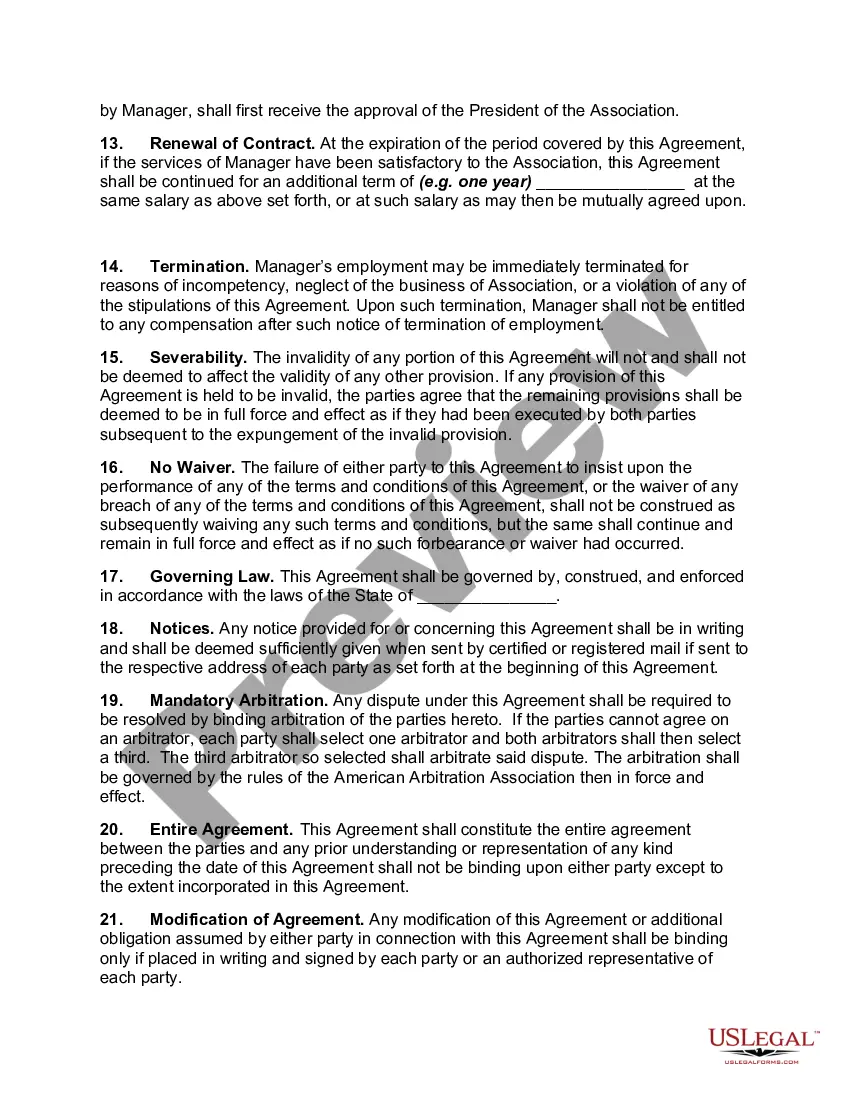
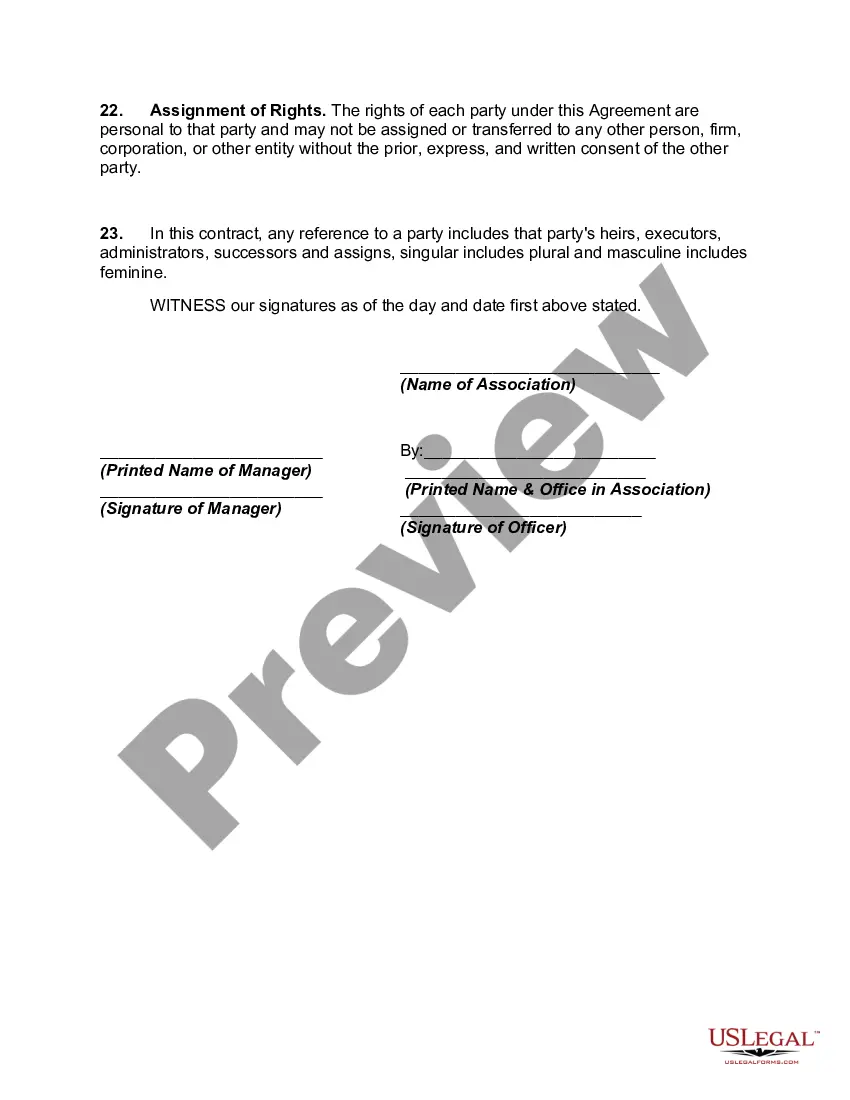
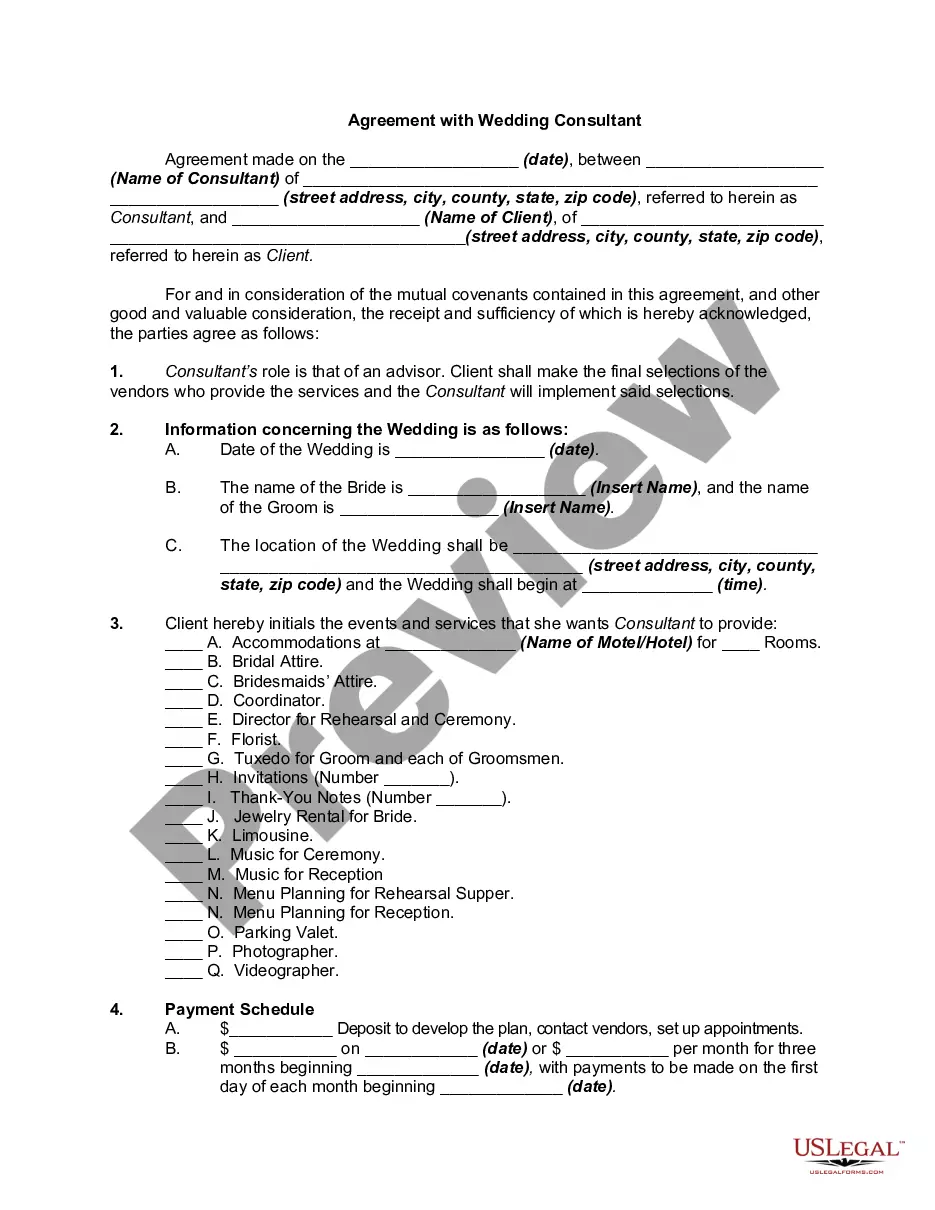
Get your form ready online
Our built-in tools help you complete, sign, share, and store your documents in one place.
Make edits, fill in missing information, and update formatting in US Legal Forms—just like you would in MS Word.
Download a copy, print it, send it by email, or mail it via USPS—whatever works best for your next step.
Sign and collect signatures with our SignNow integration. Send to multiple recipients, set reminders, and more. Go Premium to unlock E-Sign.
If this form requires notarization, complete it online through a secure video call—no need to meet a notary in person or wait for an appointment.
We protect your documents and personal data by following strict security and privacy standards.

Make edits, fill in missing information, and update formatting in US Legal Forms—just like you would in MS Word.

Download a copy, print it, send it by email, or mail it via USPS—whatever works best for your next step.

Sign and collect signatures with our SignNow integration. Send to multiple recipients, set reminders, and more. Go Premium to unlock E-Sign.

If this form requires notarization, complete it online through a secure video call—no need to meet a notary in person or wait for an appointment.

We protect your documents and personal data by following strict security and privacy standards.
Looking for another form?









Form popularity
FAQ
On average, freelance event planners can earn anywhere from $50 to $150 per hour, depending on their experience, location, and the complexity of the event, ing to Business Yield. For larger events, some planners opt for a percentage model, usually taking 10% to 20% of the total event budget.
How to Get Clients as an Event Planner Carve out a niche for yourself in the event industry. Build up a solid portfolio of clients. Start your own website. Advertise on social media. Build up a local buzz. Network with nonprofits.
There are two million events organized in the US every year. That is almost 5,500 events every single day. And a profit margin of planners is 15-40% of the budget (some $500 billion annually spent on events, ing to Entrepreneur).
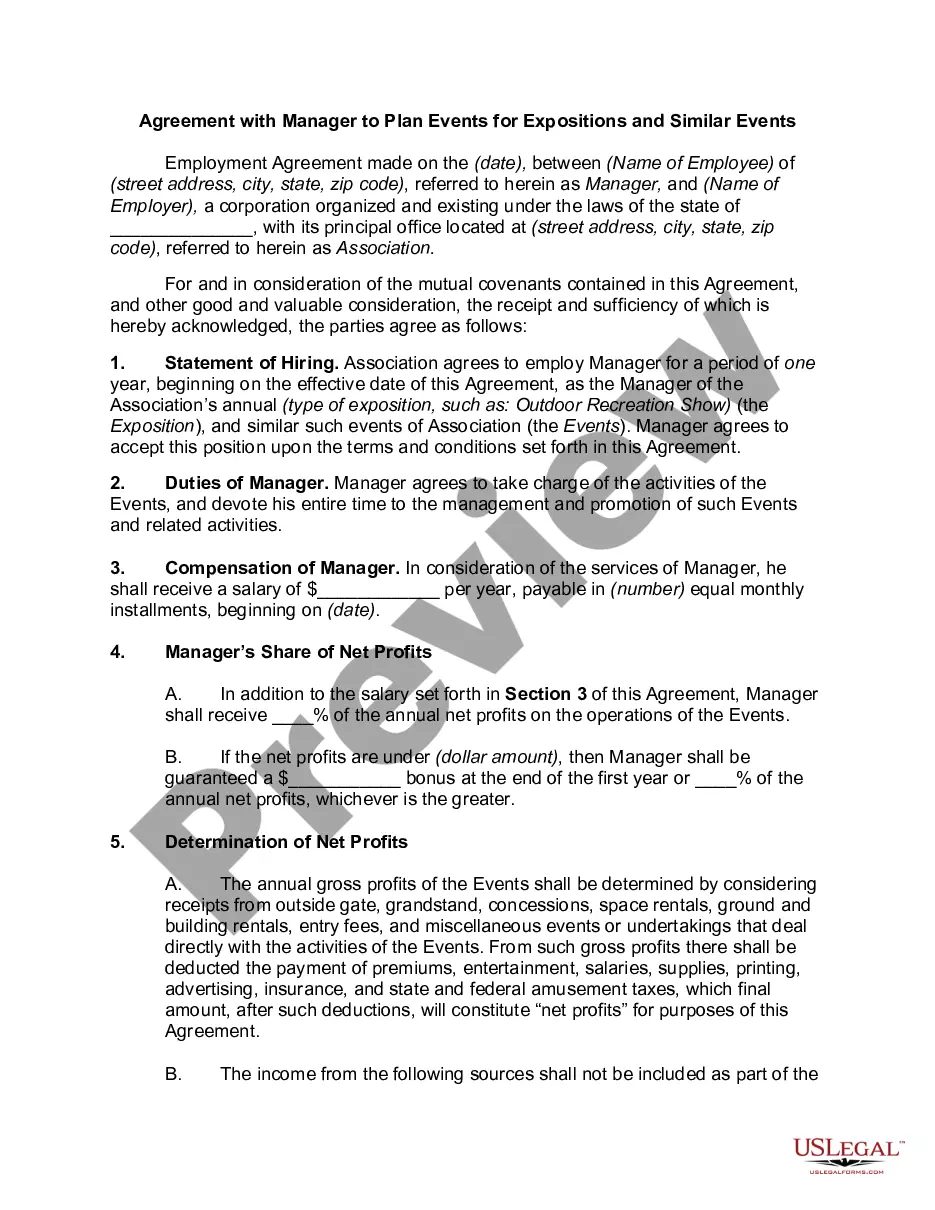
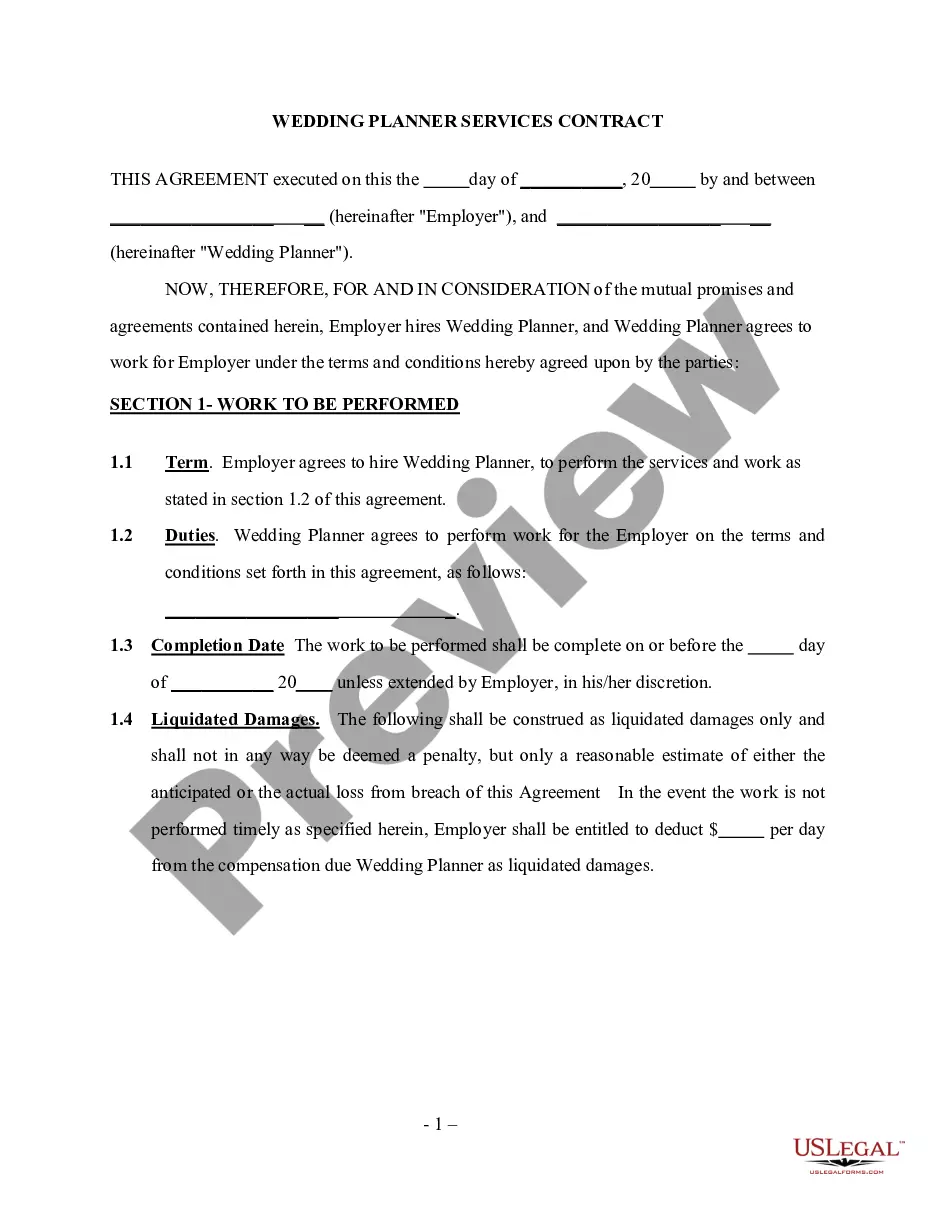
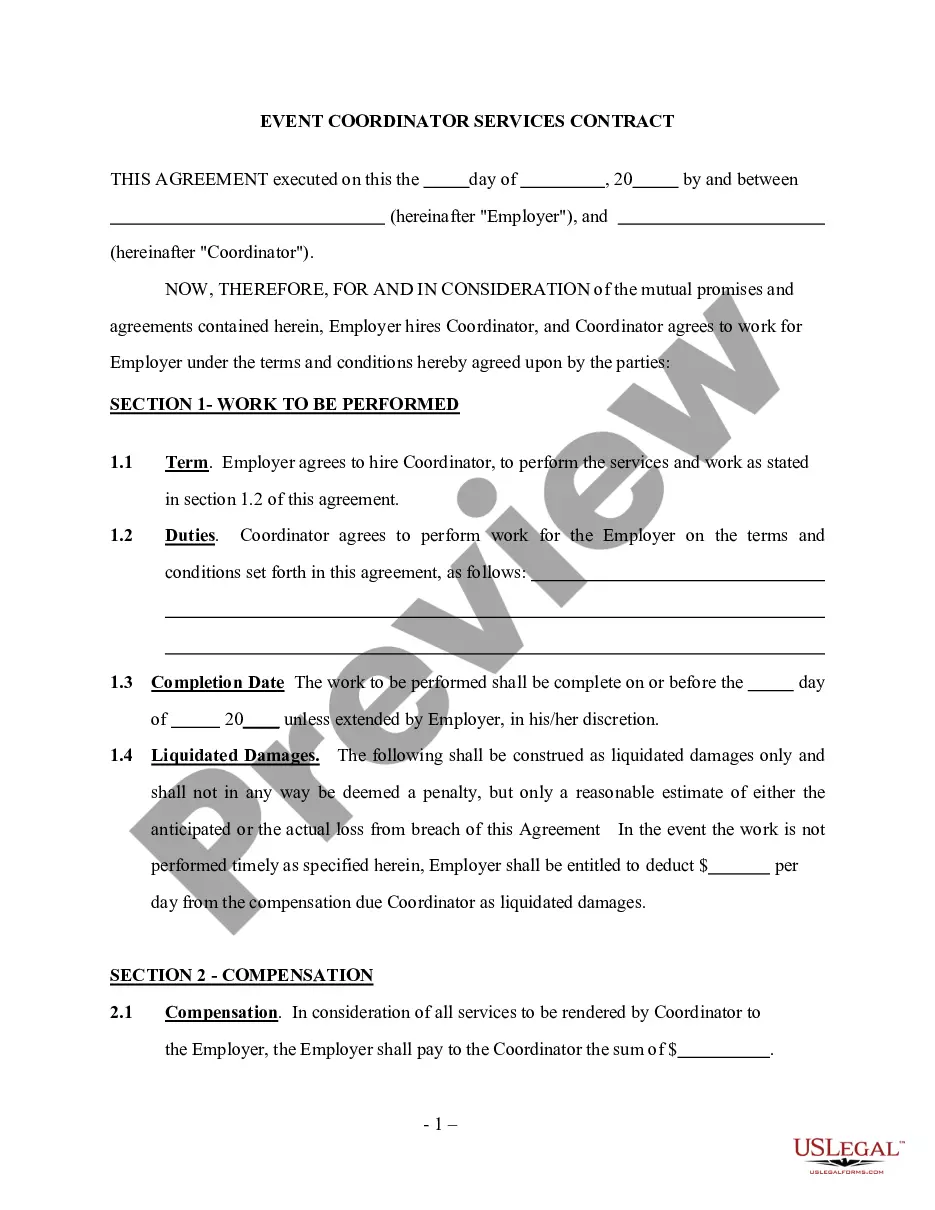
An event contract essentially includes the following: Details of the event, including venue, date, time, etc. Parties intention from the event. Services provided by the planner.
So there you go, in a nutshell, and to the point. The job is fun, challenging, ever-changing, and, believe it or not, rewarding. Seeing everything come together and pleasing your clients and their guests is priceless. If you are lucky enough to possess the skills above, you are well suited to be an event planner.
The event venue industry is brimming with opportunities, but success requires a mix of careful planning, market research, and strategic investment. With profit margins ranging from 10% to 60%, the potential rewards are immense for those who are well-prepared.
Event planning includes but it not limited to budgeting, establishing timelines, selecting event location, arranging for equipment, acquiring the appropriate permits, planning menus, transportation, developing a theme, hiring entertainment, selecting speakers, managing risks, and developing contingency plans.
You don't need a degree to become an event planner, but certain qualifications and certificates can help you get noticed”and hired. There are dozens of colleges and universities that offer degrees in related fields, stand-alone event courses, meetings designations, and certificate programs.
