Declaratory Judgment Statute Of Limitations In Wake
Description

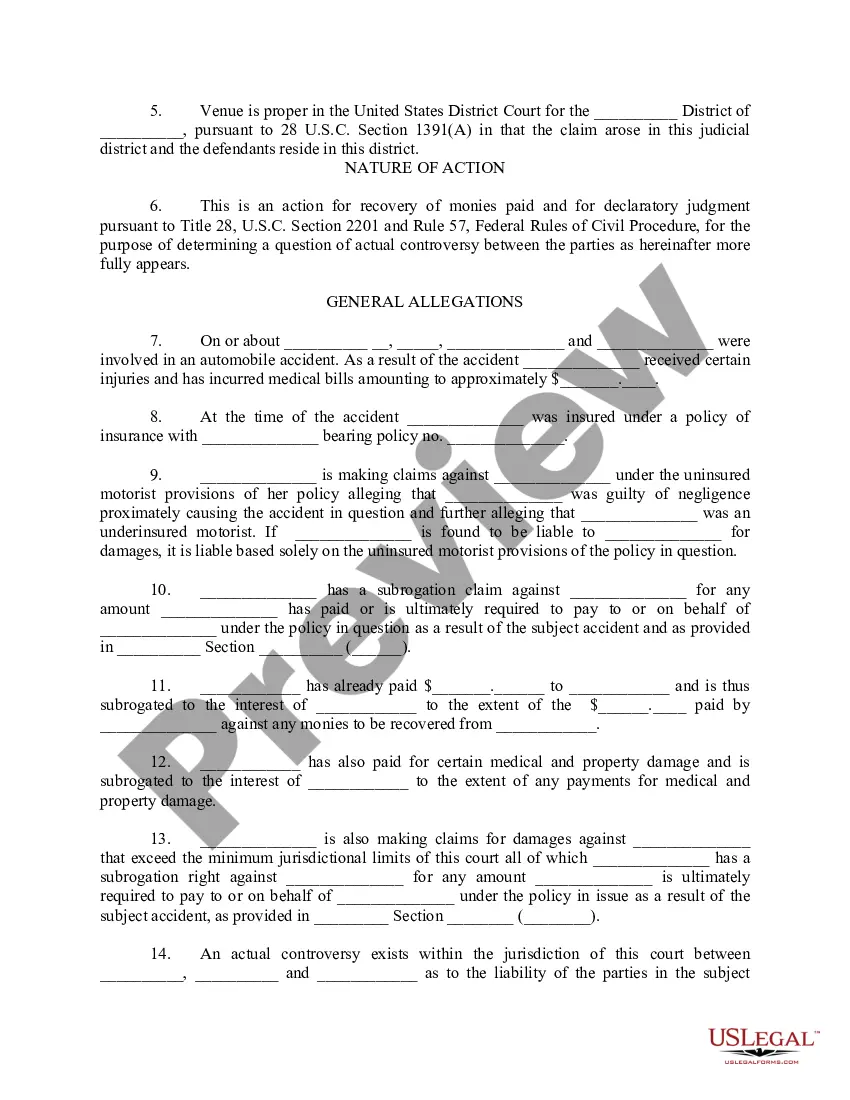
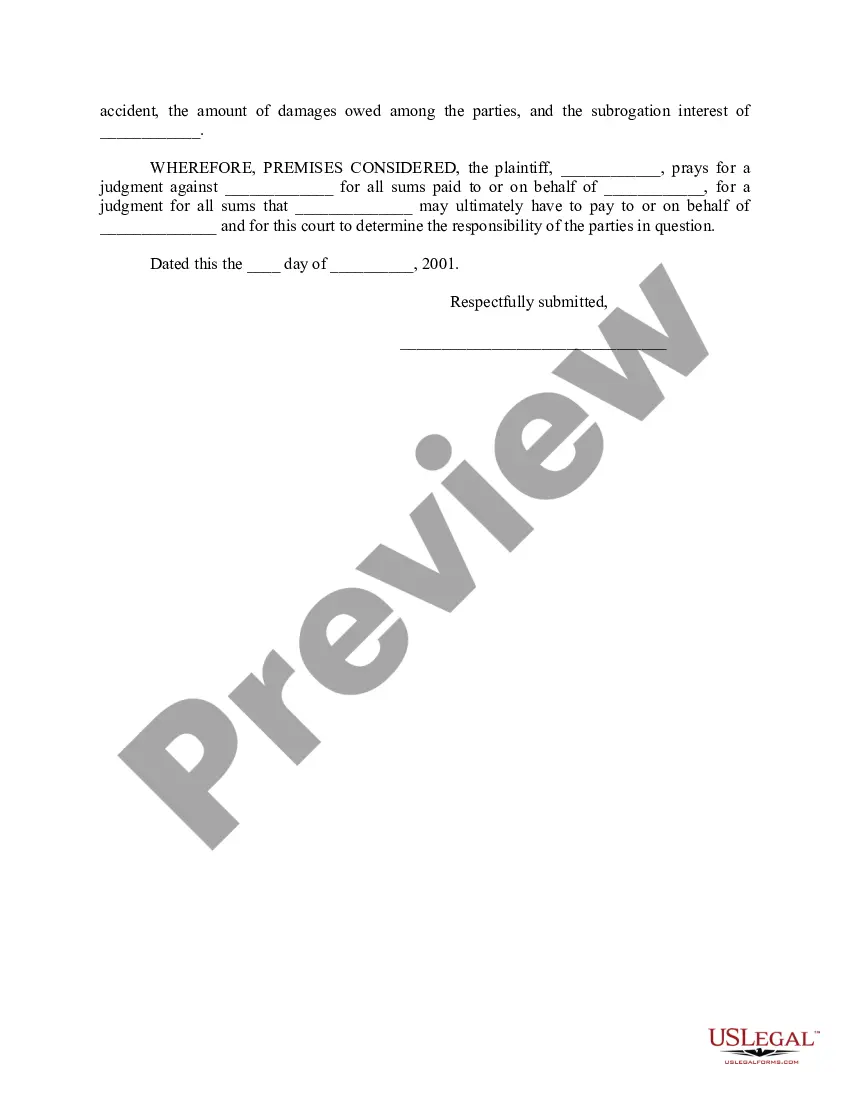



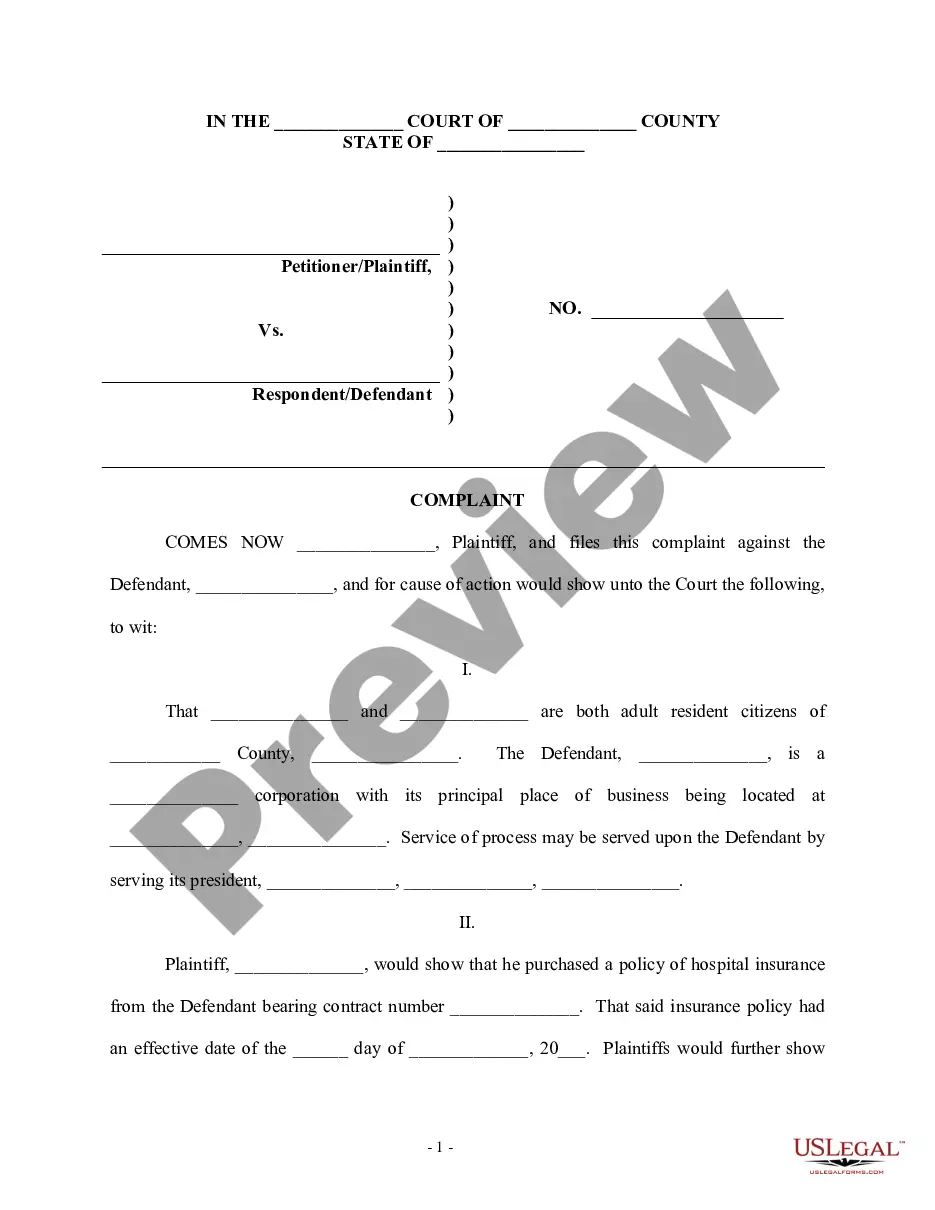
Get your form ready online
Our built-in tools help you complete, sign, share, and store your documents in one place.
Make edits, fill in missing information, and update formatting in US Legal Forms—just like you would in MS Word.
Download a copy, print it, send it by email, or mail it via USPS—whatever works best for your next step.
Sign and collect signatures with our SignNow integration. Send to multiple recipients, set reminders, and more. Go Premium to unlock E-Sign.
If this form requires notarization, complete it online through a secure video call—no need to meet a notary in person or wait for an appointment.
We protect your documents and personal data by following strict security and privacy standards.

Make edits, fill in missing information, and update formatting in US Legal Forms—just like you would in MS Word.

Download a copy, print it, send it by email, or mail it via USPS—whatever works best for your next step.

Sign and collect signatures with our SignNow integration. Send to multiple recipients, set reminders, and more. Go Premium to unlock E-Sign.

If this form requires notarization, complete it online through a secure video call—no need to meet a notary in person or wait for an appointment.

We protect your documents and personal data by following strict security and privacy standards.
Looking for another form?







Form popularity
FAQ
A declaratory judgment is typically requested when a party is threatened with a lawsuit but the lawsuit has not yet been filed; or when a party or parties believe that their rights under law and/or contract might conflict; or as part of a counterclaim to prevent further lawsuits from the same plaintiff (for example, ...
To establish federal jurisdiction in a declaratory judgment action, two conditions must be satisfied. First, is the constitutional inquiry - the case must be a 'case or controversy' pursuant to Article III of the US Constitution. Second is the prudential inquiry – declaratory relief must be appropriate.
To bring a claim for declaratory judgment in a situation where a patent dispute may exist or develop, the claimant must establish that an actual controversy exists. If there is a substantial controversy of sufficient immediacy and reality, the court will generally proceed with the declaratory-judgment action.
To establish federal jurisdiction in a declaratory judgment action, two conditions must be satisfied. First, is the constitutional inquiry - the case must be a 'case or controversy' pursuant to Article III of the US Constitution. Second is the prudential inquiry – declaratory relief must be appropriate.
Since there is no limitations period specifically addressed to the declaratory judgment action, it generally falls under the “catch-all” provision of CPLR 2131 and gets six years as “an action for which no limitation is specifically prescribed by law.” That being the case, you assume your declaratory judgment cause ...
How Declaratory Judgment Works. Any party to a contract may petition the court to clarify its rights and obligations in the event of a legal controversy. A court-issued declaratory judgment outlines the rights and responsibilities of each involved party. This judgment does not require action or award damages.
Ing to Federal Rule of Civil Procedure 57, “the court may order a speedy hearing of an action for a declaratory judgment and may advance it on the calendar.” Rule 57 “recognizes that often times a declaratory judgment action involves 'only an issue of law on undisputed or relatively undisputed facts'” and a ...
A declaratory judgment plaintiff does not need to allege actual infringement. It is sufficient, for standing purposes, to show that a party “has engaged in a course of conduct evidencing a definite intent and apparent ability to commence use of the mark.” See Starter Corp. v. Converse, Inc., 84 F.
“”Declaratory judgment actions are subject to a four-year statute of limitations.”” See Lakeside v.
ADVERSE POSSESSION: 10-YEAR LIMITATIONS PERIOD. (a) A person must bring suit not later than 10 years after the day the cause of action accrues to recover real property held in peaceable and adverse possession by another who cultivates, uses, or enjoys the property.
