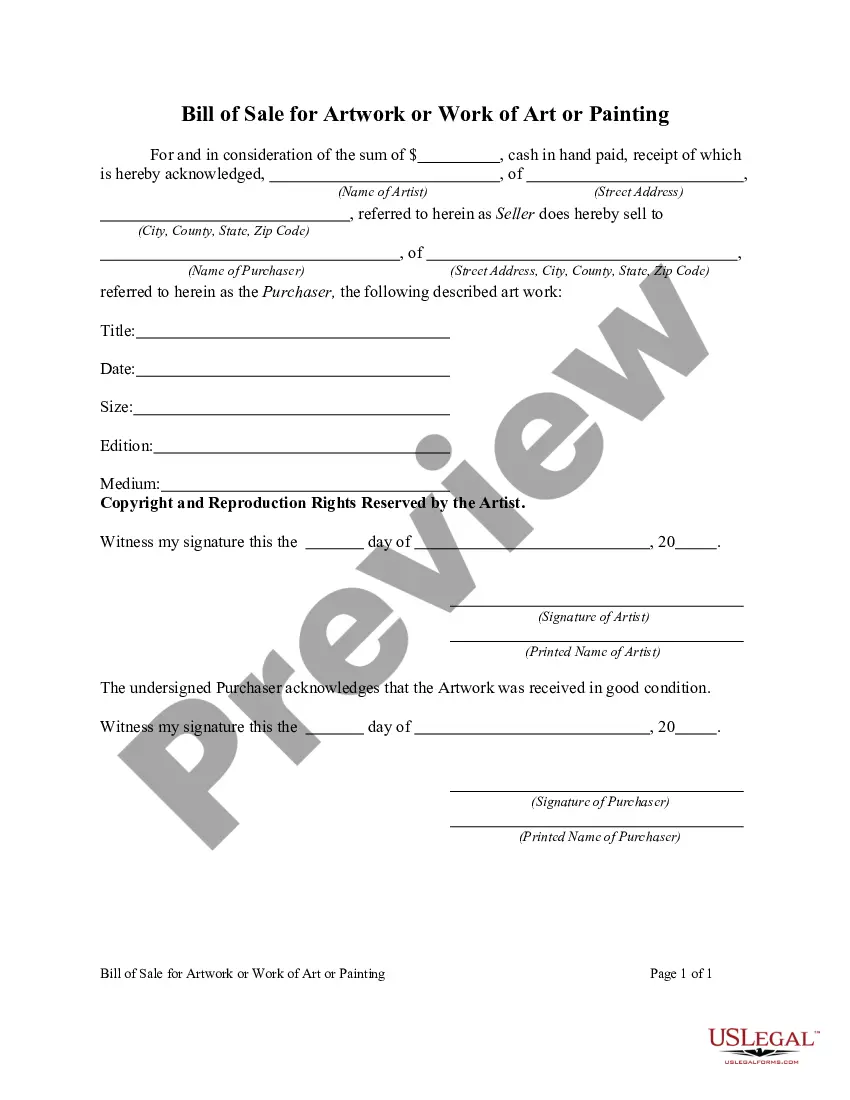
Complaint Subrogation Sample For Workers Compensation In San Diego
Description

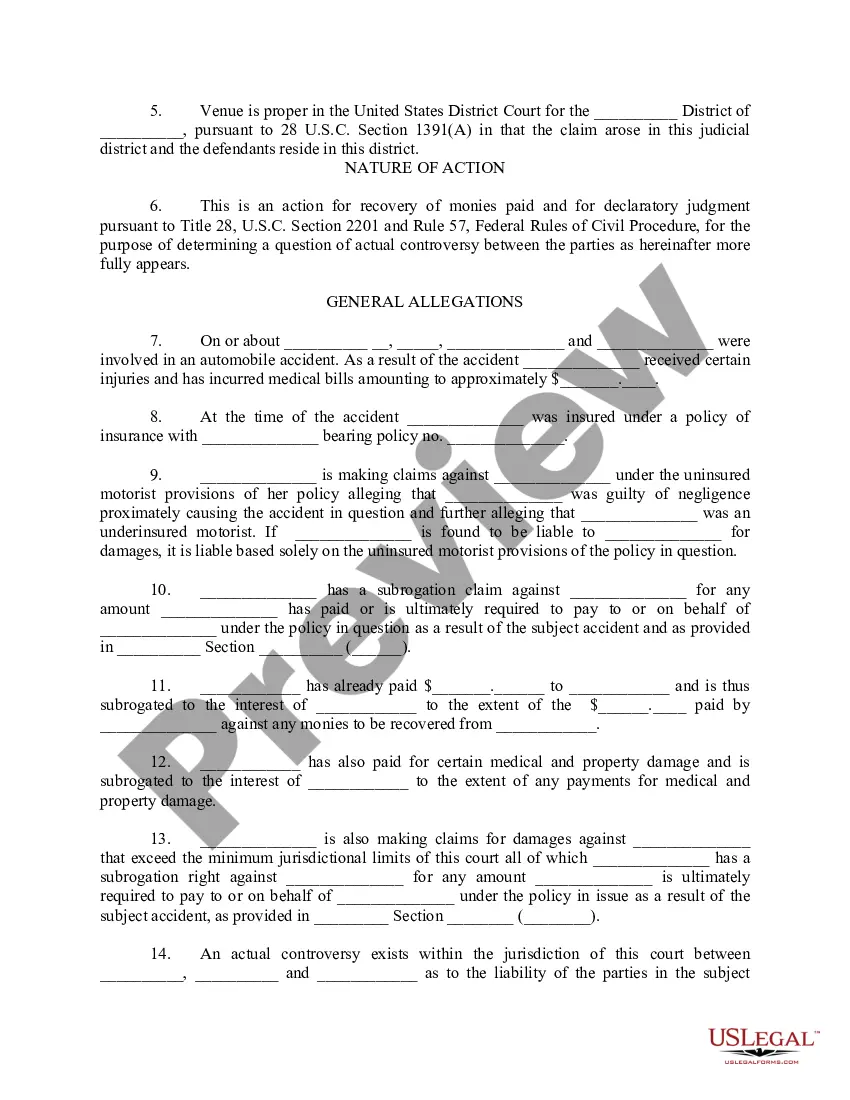
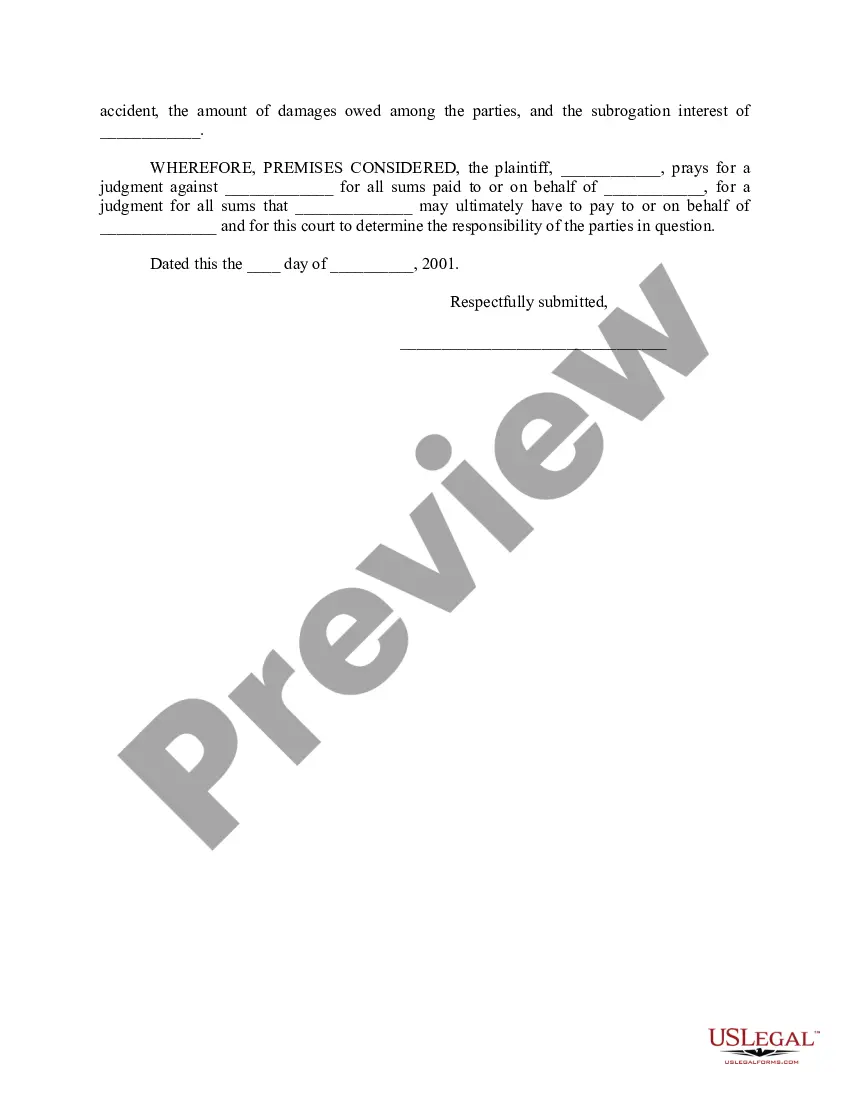



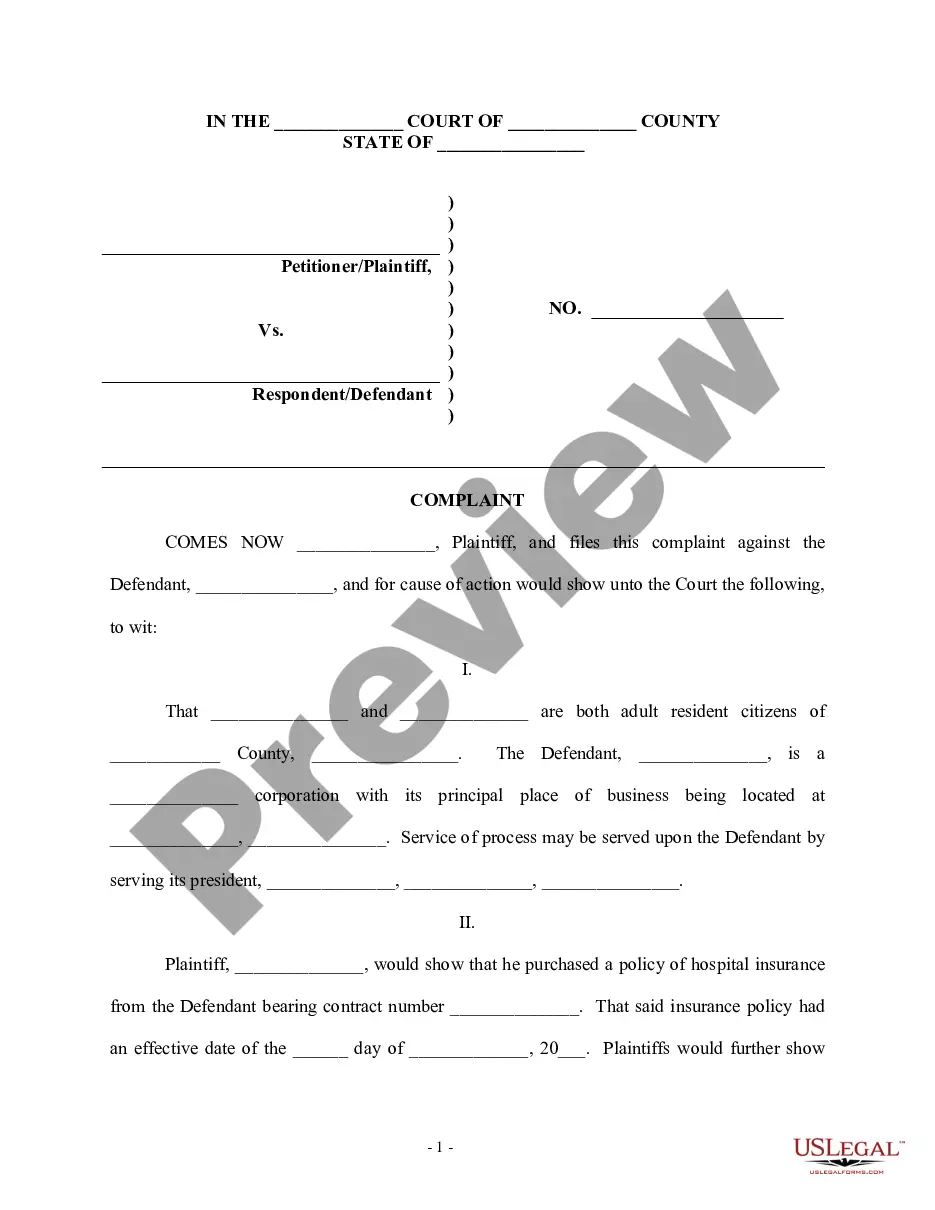
Get your form ready online
Our built-in tools help you complete, sign, share, and store your documents in one place.
Make edits, fill in missing information, and update formatting in US Legal Forms—just like you would in MS Word.
Download a copy, print it, send it by email, or mail it via USPS—whatever works best for your next step.
Sign and collect signatures with our SignNow integration. Send to multiple recipients, set reminders, and more. Go Premium to unlock E-Sign.
If this form requires notarization, complete it online through a secure video call—no need to meet a notary in person or wait for an appointment.
We protect your documents and personal data by following strict security and privacy standards.

Make edits, fill in missing information, and update formatting in US Legal Forms—just like you would in MS Word.

Download a copy, print it, send it by email, or mail it via USPS—whatever works best for your next step.

Sign and collect signatures with our SignNow integration. Send to multiple recipients, set reminders, and more. Go Premium to unlock E-Sign.

If this form requires notarization, complete it online through a secure video call—no need to meet a notary in person or wait for an appointment.

We protect your documents and personal data by following strict security and privacy standards.
Looking for another form?







Form popularity
FAQ
During the subrogation process, your insurance company expects your cooperation. Notify your insurer if you intend to agree to a settlement with the at-fault person or their insurance company.
It's important to note that the appeals process can take time, and there are no guarantees of success. However, with a well-prepared case, strong evidence, and skilled legal representation, your chances of winning a workers' compensation appeal in California can be significantly improved.
Subrogation allows your insurer to recoup costs (medical payments, repairs, etc.), including your deductible, from the at-fault driver's insurance company, if the accident wasn't your fault. A successful subrogation means a refund for you and your insurer.
When factoring comparative negligence and improper referrals, the recovery rate should be somewhere in the range of 85-90%. This requires adjusters properly identifying subrogation, assessing comparative negligence and pursuing only what they are entitled to.
An employer can dispute workers compensation claim if they believe: You haven't sustained serious injuries requiring medical treatment. The accident or your injuries don't relate to work. Coverage is available only for on the job injuries or injuries caused by performing job-related duties.
Disputes can often be raised directly with your insurance company, but it depends on the specific terms of your policy. Generally, you will need to: submit written correspondence to your insurance company's audit department; address any errors you identified in the audit; and.