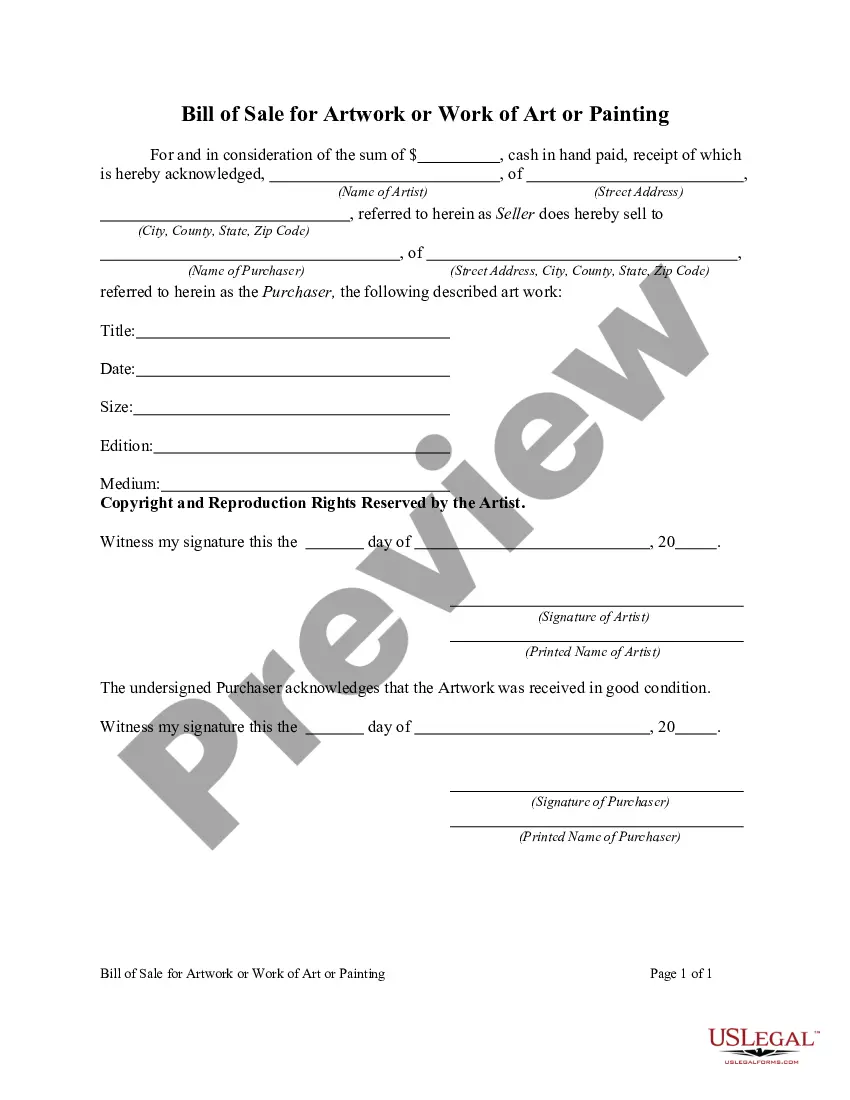
Complaint Subrogation Sample For Job Application In Ohio
Description

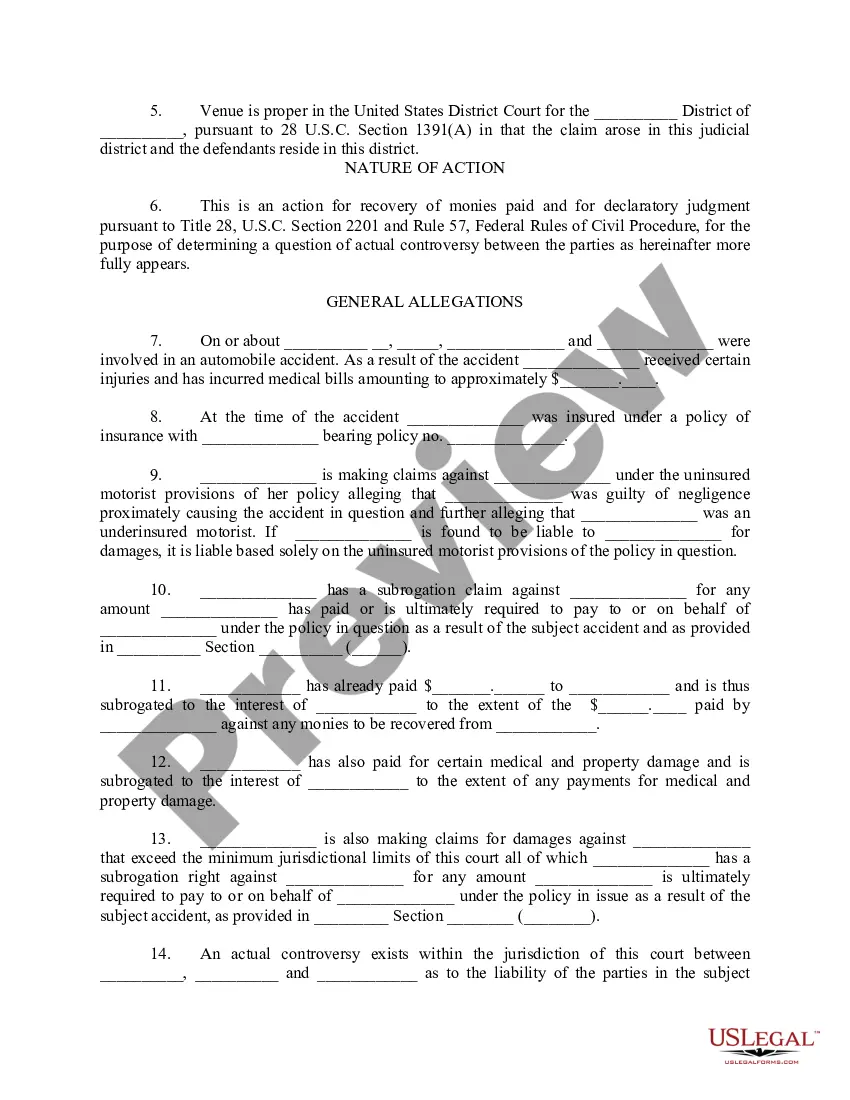
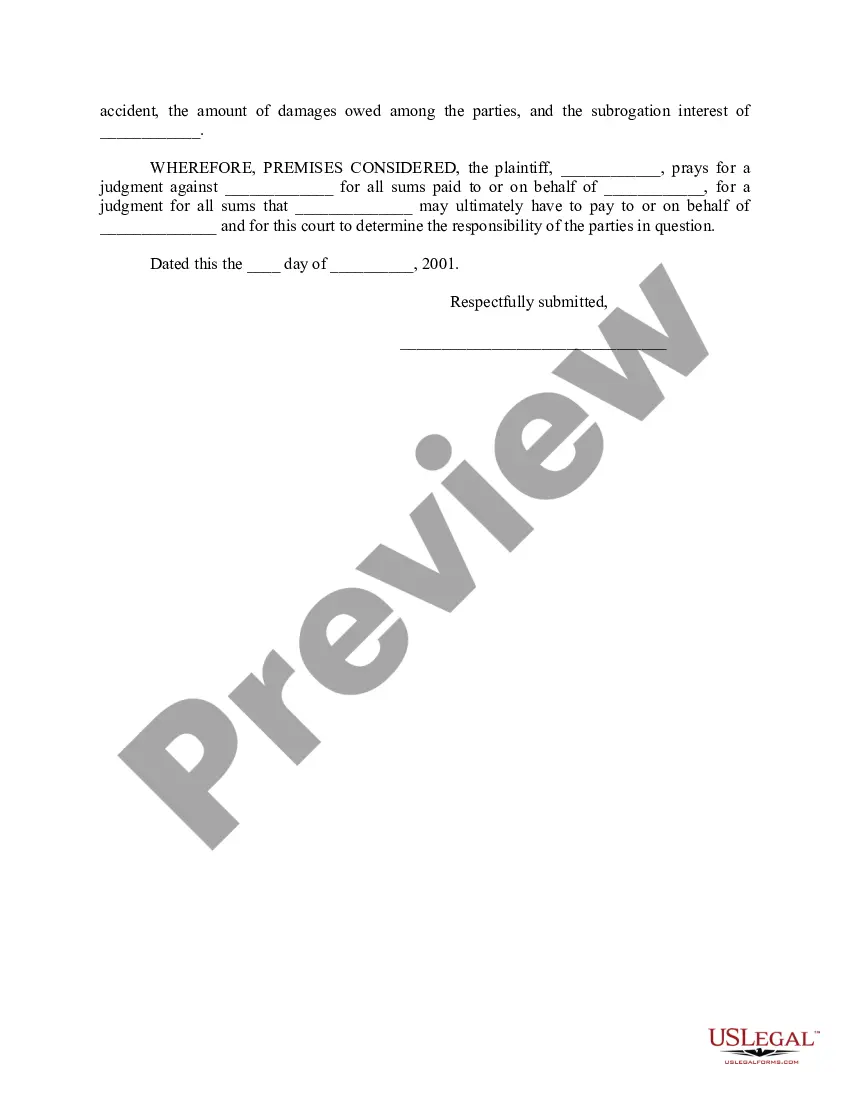



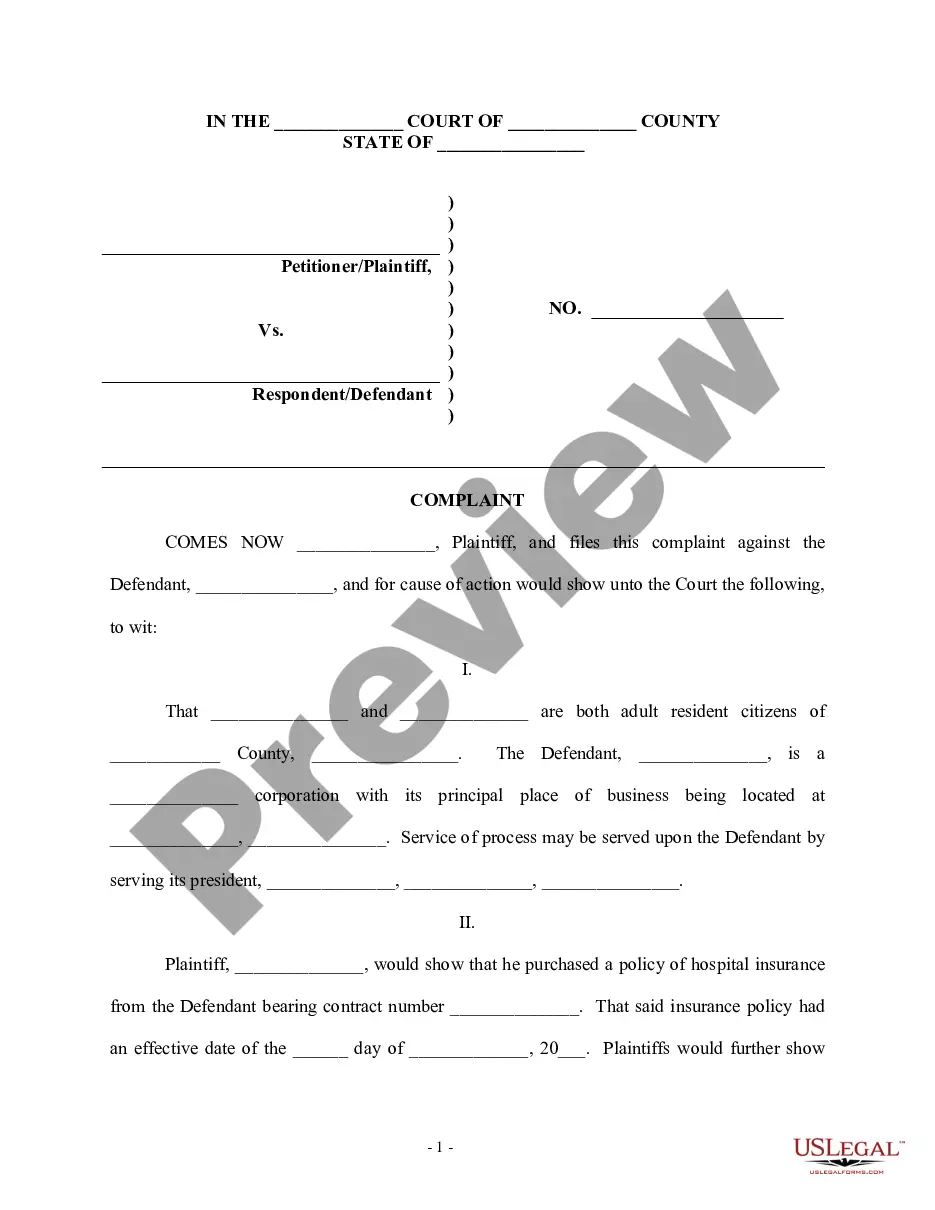
Get your form ready online
Our built-in tools help you complete, sign, share, and store your documents in one place.
Make edits, fill in missing information, and update formatting in US Legal Forms—just like you would in MS Word.
Download a copy, print it, send it by email, or mail it via USPS—whatever works best for your next step.
Sign and collect signatures with our SignNow integration. Send to multiple recipients, set reminders, and more. Go Premium to unlock E-Sign.
If this form requires notarization, complete it online through a secure video call—no need to meet a notary in person or wait for an appointment.
We protect your documents and personal data by following strict security and privacy standards.

Make edits, fill in missing information, and update formatting in US Legal Forms—just like you would in MS Word.

Download a copy, print it, send it by email, or mail it via USPS—whatever works best for your next step.

Sign and collect signatures with our SignNow integration. Send to multiple recipients, set reminders, and more. Go Premium to unlock E-Sign.

If this form requires notarization, complete it online through a secure video call—no need to meet a notary in person or wait for an appointment.

We protect your documents and personal data by following strict security and privacy standards.
Looking for another form?






Form popularity
FAQ
Tips for writing a successful complaint letter Structure. Address the letter to a real person. Be honest and straightforward. Maintain a firm but respectful tone, and avoid aggressive, accusing language. Include your contact information. Tell them what you want. Do not threaten action. Keep copies and records.
File an online complaint by visiting the department's complaint center at insurance.ohio. Choose the option that best fits your situation and follow the online prompts. Request a complaint form and instructions for filing a written consumer complaint by contacting Consumer Services at 800-686-1526.
I am writing to express my deep dissatisfaction with your insurance company. I am quite frustrated with the lack of prompt and efficient service. Despite numerous attempts to contact your team regarding my claim, I have yet to receive any substantive feedback or resolution.
All complaints must be delivered to: Ohio Division of Real Estate and Professional Licensing, Enforcement Section, 6606 Tussing Rd, PO Box 4008, Reynoldsburg, OH 43068 or emailed to Licenseplaints@com.ohio.
If you have a complaint against your employer, you will need to contact the Ohio Civil Rights Commission site .ocrc.ohio and/or the Equal Employment Opportunity Commission site .eeoc.
Basic rules keep your letter to the point. You need to give enough detail for your employer to be able to investigate your complaint properly. keep to the facts. never use abusive or offensive language. explain how you felt about the behaviour you are complaining about but don't use emotive language.
Information To Include in Your Letter Give the basics. Tell your story. Explain how you want to resolve the problem. Describe your next steps. Send your complaint letter. Your Mailing Address Your City, State, Zip Code Your email address
Decide on the outcome you want. Escalate your complaint. Stick to the facts. Be pleasant even as you're insistent. Be willing to admit when you are wrong. Be part of the solution, if you can. Whatever the outcome be gracious.
Those states are: Arizona. Connecticut. Kansas. Missouri. New Jersey. New York. North Carolina. Virginia.
In a tort action in Ohio, a defendant is barred from introducing evidence of insurance payments to a plaintiff. This is known as the collateral source rule. The objective of the collateral source rule is to prevent liable defendants from benefiting from payments made to the plaintiff by third parties.